

Your Ultimate Guide to Comfort and Style for Every Outfit
Fashion and function are not opposing forces. The true art of dressing lies in weaving them together seamlessly, creating a personal uniform that feels as good as it looks. This guide is dedicated to dismantling the myth that you must sacrifice comfort for style, or vice versa. We will navigate through the principles of ergonomic design, material science, and aesthetic harmony to equip you with the knowledge to build a wardrobe that supports your body and expresses your spirit in every step you take.
The Foundation: Why Your Feet Deserve the First Investment
Consider your feet the architectural foundation of your body’s movement. According to biomechanics research from institutions like the University of Virginia’s School of Engineering, the feet absorb and distribute forces equivalent to several times your body weight with each step. Compromising their support doesn’t just cause localized discomfort; it can create a chain reaction of misalignment affecting ankles, knees, hips, and even your lower back. The choice of footwear is, therefore, not merely a stylistic one but a critical health decision. A proper walking shoe acts as a sophisticated interface between your body and the ground, providing cushioning to dissipate impact, stability to control motion, and flexibility to facilitate the natural gait cycle. Ignoring this foundation while focusing solely on the visual appeal of an outfit is like building a beautiful house on unstable ground—the aesthetic may impress initially, but the structure is fundamentally unsound. Your journey to holistic style must begin here, with the understanding that the right shoe is the bedrock upon which all else is built.
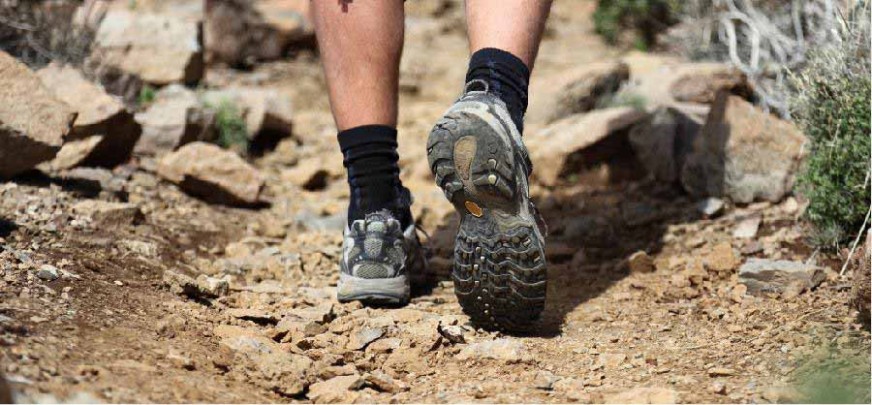
Decoding the Anatomy of the Perfect Walking Shoe
To make an informed choice, you must become fluent in the language of shoe construction. Let’s dissect the key components. The upper, typically made from engineered mesh, leather, or knit fabrics, is responsible for breathability and a secure, glove-like fit. A study published in the Journal of Foot and Ankle Research highlights the importance of moisture-wicking properties to maintain a healthy foot environment. The midsole is the heart of the shoe, often utilizing EVA (ethylene-vinyl acetate) foam, polyurethane, or proprietary compounds like Adidas’s Boost or Nike’s React. This layer is where cushioning and energy return are engineered. The outsole, with its rubber compounds and tread pattern, provides essential traction and durability. Crucially, the heel counter—the firm cup at the back—and the arch support work in tandem to stabilize the foot, preventing excessive inward rolling (pronation) or outward rolling (supination). A well-designed walking shoe integrates these elements harmoniously. As renowned podiatrist Dr. William Rossi once stated in Footwear News,
“The foot is a masterpiece of engineering and a work of art. It deserves to be housed in something that respects both its function and its form.”
This philosophy should guide your selection, seeking shoes where technological sophistication meets thoughtful design.
:max_bytes(150000):strip_icc()/when-should-i-replace-my-walking-shoes-3436325-0801-7a1840d83573471092e0380f9e230ecc.jpg)
Synergy: Pairing Technical Footwear with Everyday Style
The challenge many face is integrating technically proficient shoes into a cohesive, stylish outfit. The key is to view the walking shoe not as an outlier, but as a deliberate, modern element of your aesthetic. For a clean, minimalist look, pair a sleek, monochromatic sneaker from brands like Allbirds or Cole Haan’s Zerogrand line with tailored trousers and a crisp Oxford shirt. The shoe’s comfort is uncompromised, while its silhouette complements smart-casual attire. For athleisure or weekend wear, technical shoes with visible cushioning, like those from HOKA, can be balanced with structured pieces—think a streamlined nylon jogger and a heavyweight cotton sweatshirt. This creates a dynamic tension between “tech” and “tailored.” The principle is one of intentional contrast and harmony. As fashion critic Vanessa Friedman of The New York Times often observes, contemporary style is about the “hybridization of categories.” A performance-derived walking shoe brings an authentic, utilitarian edge to an ensemble, signaling a life in motion. It tells a story of someone who values both aesthetics and agency, who chooses not to be hobbled by their clothing.
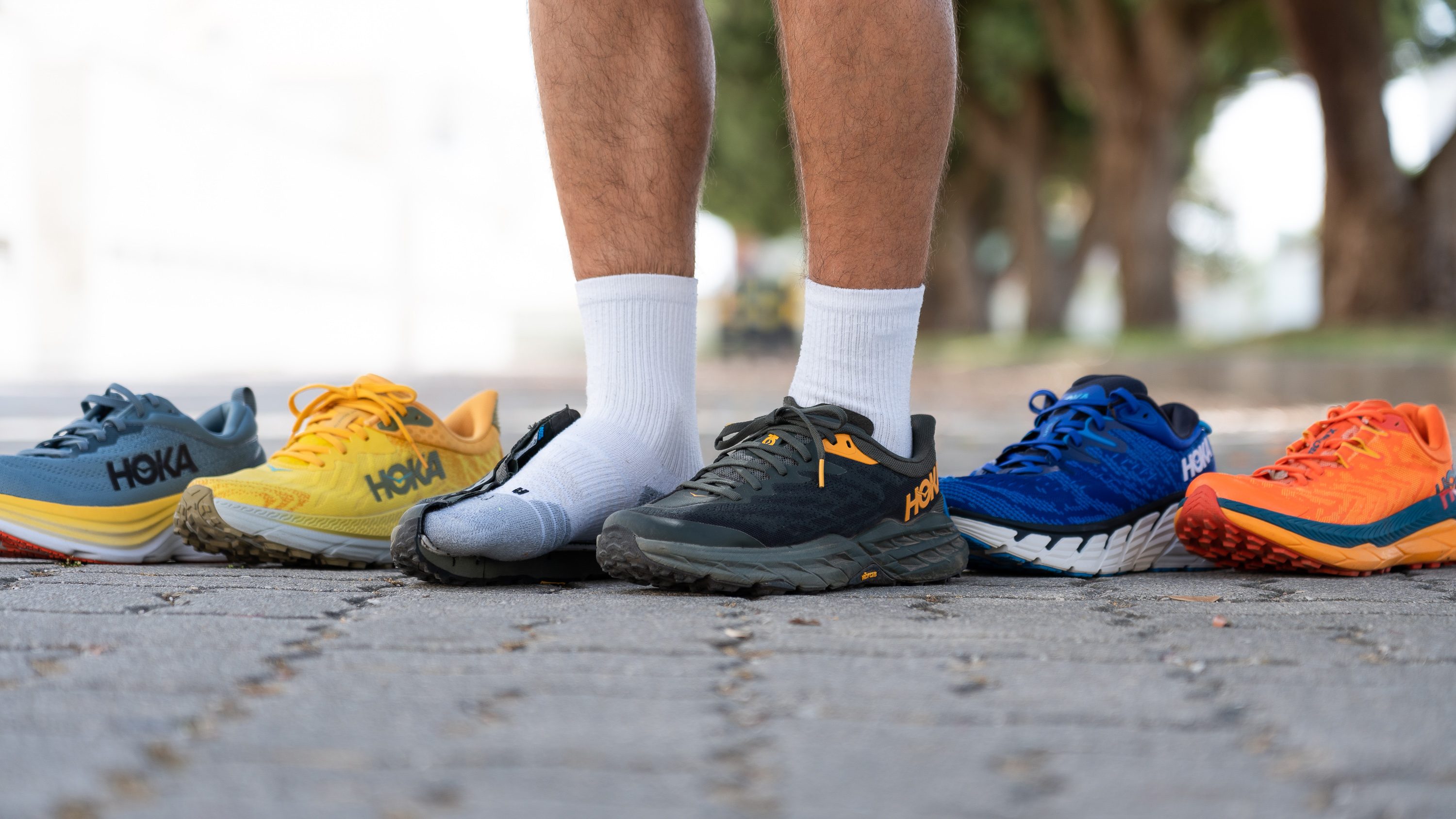
Material Intelligence: Fabrics That Move With You
Comfort extends far beyond your feet. The clothing that drapes your body must be an active participant in your comfort. This is where material intelligence becomes paramount. Modern fabrics are engineered with specific outcomes in mind. Merino wool, for instance, is a natural performance fiber renowned for its temperature regulation and odor resistance, making it ideal for everything from base layers to sweaters. Synthetic blends incorporating elastane (or spandex/Lycra) provide the essential “mechanical stretch” that allows garments to move with your body without losing their shape. Japanese fabrics like Tencel™ Lyocell, derived from sustainable wood pulp, offer a silky drape, exceptional breathability, and moisture management. Investing in pieces crafted from these intelligent materials means you are never fighting your clothes. A pair of trousers with 2% elastane woven into the wool can transition from a day at the office to an evening stroll without a single constricting pull. This is the essence of modern comfort: clothing that is perceptive and adaptive, creating a second-skin effect that liberates rather than restricts. When your clothing moves with you, your confidence and presence are naturally amplified.
The Strategic Wardrobe: Building Outfits Around a Core of Comfort
Building a versatile and comfortable wardrobe is a strategic exercise, not a haphazard collection of purchases. Start by identifying your “comfort anchors”—items that are inherently easy to wear and serve as reliable foundations. These might include a pair of perfectly broken-in jeans, a stretch-blend blazer, a soft knit dress, or, of course, your most trusted pair of walking shoes. The goal is to create a high percentage of “mix-and-match” potential around these anchors. Adopt a color palette that is cohesive, perhaps centered on neutrals (navy, grey, black, beige) with a few strategic accent colors. This ensures that any top you grab will likely pair with any bottom. Furthermore, embrace the concept of layering not just for warmth, but for dynamic style and adaptability. A lightweight technical shell, a fine-gauge cardigan, or a unisex overshirt can be added or removed to adjust to changing environments and activity levels throughout the day. This approach, championed by capsule wardrobe advocates from Anuschka Rees of Into-Mind to YouTube stylist Allison Bornstein, minimizes decision fatigue and maximizes outfit satisfaction. Every piece serves a purpose, and every combination is pre-vetted for both comfort and aesthetic coherence.
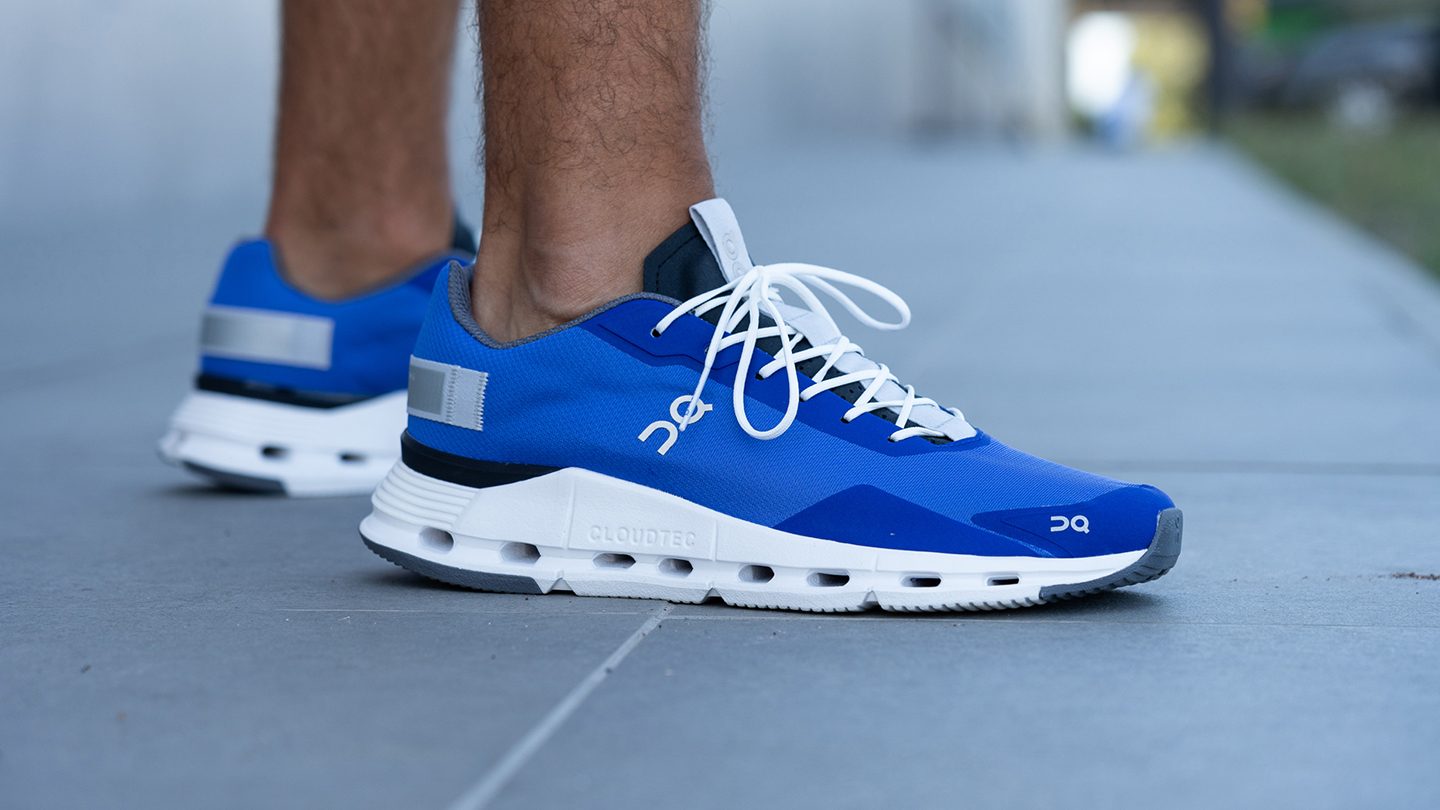
Investing Wisely: Where Quality Meets Value
True style sustainability is about cost-per-wear, not just the initial price tag. A cheap, uncomfortable pair of shoes worn twice before being relegated to the back of the closet is a far worse investment than a slightly more expensive, impeccably comfortable walking shoe worn hundreds of times. The same logic applies to clothing. Direct your budget toward the items that form the foundation of your wardrobe and experience the most physical stress: footwear, outerwear, and bottoms. For these, seek out brands known for their construction quality and material integrity. This is where professional knowledge translates to savings. Learn to recognize features like Goodyear welting in boots, French seams in shirts, or the density of foam in a sneaker’s midsole. Simultaneously, be a savvy shopper. Utilize price-tracking tools, shop end-of-season sales for classic items, and consider reputable off-price retailers for past-season styles from premium brands. The intersection of quality and discounted prices is where a smart wardrobe is built. It’s an investment in your daily well-being and long-term style identity, ensuring that every outfit you assemble feels like a deliberate and empowering choice, not a compromise.
Comfort and style, when understood as interconnected principles, cease to be a binary choice. They become the dual lenses through which you curate your presence in the world. By grounding your choices in the science of support, the intelligence of materials, and the strategy of a cohesive wardrobe, you craft a personal style that is resilient, authentic, and entirely your own. Let every outfit, anchored by the right walking shoe and built with intention, be a testament to living fully and comfortably in your own skin.
