

The Walking Shoe: Your Ultimate Guide to Comfort and Style
In a world where every step counts, the choice of footwear transcends mere fashion—it becomes a fundamental decision impacting our daily vitality, posture, and long-term health. The right walking shoe is not an accessory; it is a tool for living well. This guide delves beyond marketing claims to explore the anatomy, science, and art of selecting footwear that marries uncompromising comfort with authentic style. We will navigate through biomechanical principles, material technologies, and design philosophies, equipping you with the knowledge to make an informed choice that supports your journey, one step at a time.
The Foundation: Understanding Foot Biomechanics and Shoe Anatomy
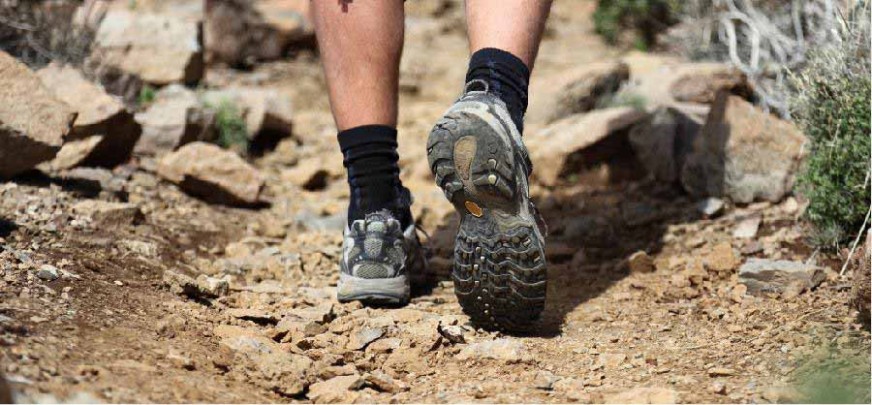
To appreciate the engineering behind a great walking shoe, one must first understand the marvel of human locomotion. The foot is a complex structure of 26 bones, 33 joints, and over 100 muscles, tendons, and ligaments. During a single step, it performs a precise sequence of events: heel strike, foot flat, mid-stance, heel-off, and toe-off. A shoe designed for walking must facilitate this natural gait cycle while providing stability and cushioning. The key components include the upper, which should offer a secure, breathable fit without pressure points; the midsole, arguably the heart of the shoe, responsible for shock absorption and energy return—often utilizing technologies like EVA foam, polyurethane, or proprietary gels such as ASICS’ GEL cushioning; and the outsole, which provides traction and durability through its tread pattern and rubber composition. As Dr. Casey Kerrigan, a former Harvard Medical School professor and founder of a biomechanics research company, has noted in various publications, “Footwear that interferes with the natural motion of the foot can increase joint loading and contribute to pain.” Therefore, a scientifically designed walking shoe aims to protect without overly restricting the foot’s innate mechanics.
Arch Support and Gait Analysis: The Personal Fit Imperative
One size does not fit all, and this is profoundly true for walking shoes. The architecture of your foot—specifically your arch type (neutral, low/flat, or high)—dictates the level of support you require. Neutral arches generally fare well with moderate cushioning and support. Low arches, or overpronation, where the foot rolls inward excessively, often benefit from motion control or stability features with firmer medial (inner) posts. High arches, or supination, where the foot rolls outward, typically need highly cushioned, flexible shoes to aid in shock distribution. While online quizzes can offer a basic guide, nothing replaces a professional gait analysis, often available at specialty running and walking stores. These analyses observe your foot strike and leg alignment, providing data-driven recommendations. Resources like the American Podiatric Medical Association (APMA) maintain lists of shoes that have earned their Seal of Acceptance, indicating they promote good foot health. Investing time in this analysis is investing in your mobility; it transforms the purchase from buying a shoe to commissioning a personal support system.
The Material World: Innovations Driving Comfort and Durability
The evolution of the modern walking shoe is a story of material science. Today’s uppers are frequently constructed from engineered meshes, like Adidas’ Primeknit or Nike’s Flyknit, which provide targeted breathability and a sock-like fit that reduces the risk of blisters. For waterproofing, membranes such as GORE-TEX allow vapor to escape while blocking external moisture. In the midsole, traditional EVA foam is being supplemented or replaced by advanced compounds like Brooks’ DNA LOFT, Saucony’s PWRRUN+, or thermoplastic polyurethane (TPU) foams that offer superior resilience and longevity. The outsole sees the use of high-abrasion rubber in critical wear zones, like the heel, for durability. The importance of these materials is not merely corporate innovation; it is a response to documented user needs. On platforms like Quora and specialized fitness forums, long-distance walkers and hikers consistently emphasize the “break-in period” and long-term wear as decisive factors. A shoe that uses high-rebound foam, for instance, can maintain its comfort over hundreds of miles, a point corroborated by long-term wear tests published by organizations like Runner’s World. The right materials make the difference between a shoe that feels good on day one and one that feels protective on day one hundred.
:max_bytes(150000):strip_icc()/vwt-asics-womens-gel-pulse-16-jinfeng-chen-21-712f0f140e834b84b3a8dcf0bf154771.jpeg)
When to Retire Your Shoes: Listening to the Signs
A critical, often overlooked aspect of foot health is knowing when a shoe has served its purpose. The cushioning and structural integrity of midsoles degrade with use, not just time. The general rule of thumb, cited by sources from the American Council on Exercise to shoe manufacturers, is to replace walking shoes every 300 to 500 miles. However, your body is the best gauge. Persistent new aches in your knees, hips, or lower back can be the first sign of diminished shock absorption. Visually inspect the outsole for severe wear patterns and the midsole for compression lines that no longer bounce back. Twist the shoe gently; if it twists with little resistance, the stability is compromised. As noted in a feature by Verywell Fit, “Waiting for a shoe to look worn out on the outside is often waiting too long; the internal breakdown happens first.” Proactively replacing your footwear is a non-negotiable part of an active lifestyle, ensuring every step continues to be supported.
:max_bytes(150000):strip_icc()/when-should-i-replace-my-walking-shoes-3436325-0801-7a1840d83573471092e0380f9e230ecc.jpg)
Style as Substance: The Rise of the Versatile Walking Shoe
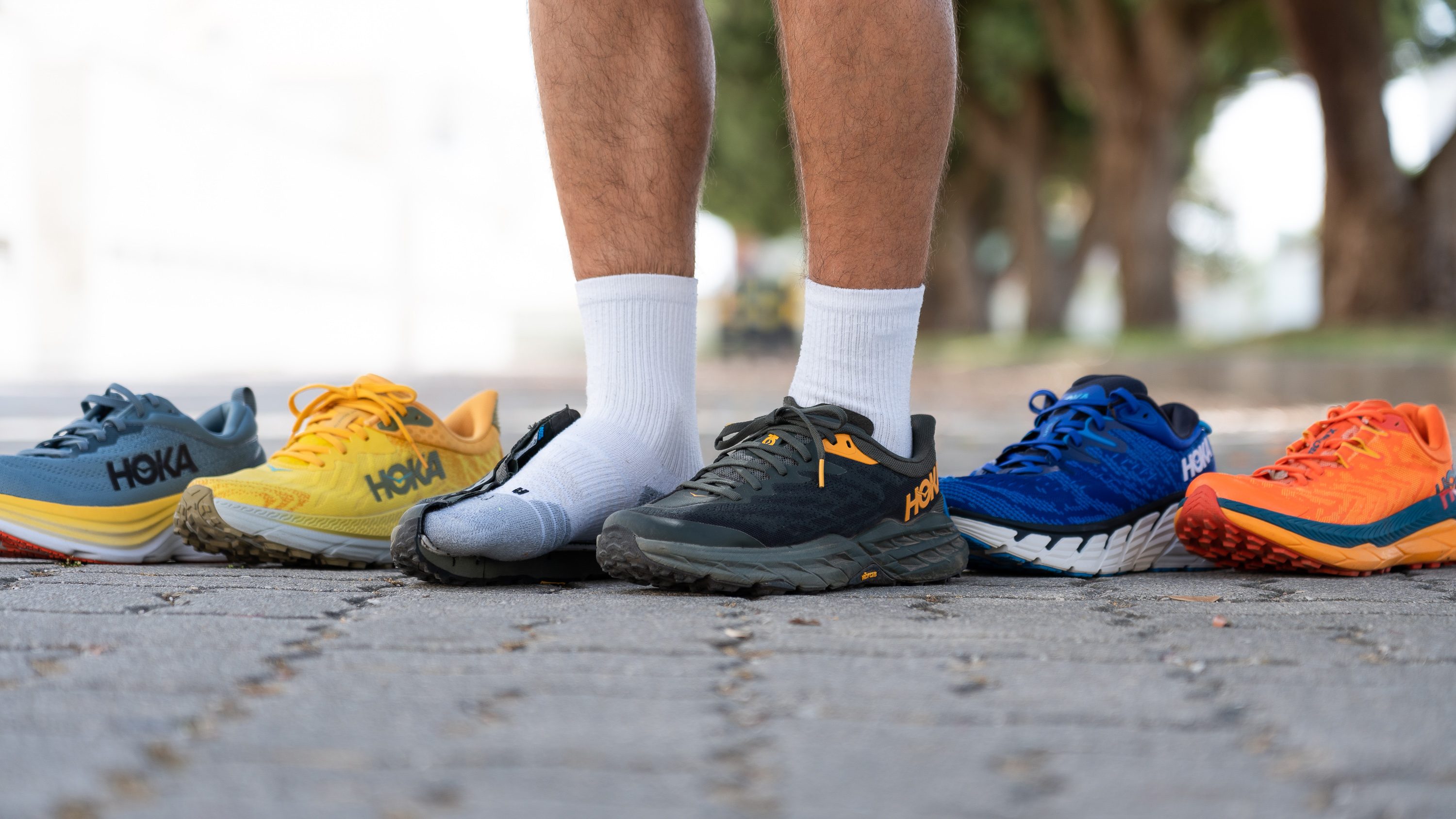
Gone are the days when comfort meant sacrificing aesthetics. The contemporary market is replete with walking shoes that seamlessly transition from a morning fitness walk to casual daytime wear. Brands like Allbirds, with their minimalist Merino wool designs, and HOKA, known for their maximalist cushioning in bold colorways, have blurred the lines between performance and lifestyle footwear. This shift reflects a broader cultural trend, articulated by influencers on YouTube and Twitter, who champion “all-day comfort” as a cornerstone of modern style. The design philosophy here is holistic: a shoe should look as good with jeans as it feels on pavement. This versatility provides immense value, reducing the need for multiple specialized pairs and encouraging consistent wear of supportive footwear. When style is built upon a foundation of genuine engineering—rather than being a superficial add-on—the shoe empowers you to move through all facets of your day with confidence and ease.
Making an Informed Investment: Value Beyond the Price Tag
Purchasing the right walking shoe is an investment in your health, and smart shopping involves looking beyond the initial price. While premium models from brands like Brooks, New Balance, or ASICS may carry a higher sticker price, their advanced materials, durable construction, and refined ergonomics often provide better cost-per-mile value. To access this quality wisely, consider shopping previous seasons’ models, which frequently see significant discounts as new versions are released—the core technologies often remain largely similar. Sign up for newsletters from reputable retailers for alerts on sales. Furthermore, view the expertise available at specialty stores as a free resource; their fitting advice can prevent costly mistakes. The goal is to acquire a tool that performs flawlessly. As the adage goes, “Take care of your feet, and they will take care of you.” A well-chosen walking shoe is the first and most crucial step in that care, a partner in motion that justifies its cost through daily comfort and preserved well-being.
Your journey is unique, and the path to finding the perfect walking companion is paved with knowledge. By prioritizing biomechanical harmony, material intelligence, and timeless design, you select more than footwear—you choose a foundation for an active, vibrant life. Let your steps be assured, comfortable, and distinctly your own.
