

The Walking Shoe: Your Ultimate Guide to Comfort and Style
In a world where every step counts, the choice of footwear transcends mere fashion—it becomes a fundamental decision impacting our daily comfort, health, and overall well-being. The right pair of walking shoes is not an accessory; it is a tool for living better. This guide cuts through the marketing noise to deliver a comprehensive, evidence-based exploration of what makes a great walking shoe, blending scientific insight with practical style considerations. We move beyond superficial trends to examine the engineering, biomechanics, and design principles that transform a simple shoe into a foundation for an active, pain-free life.
The Anatomy of Comfort: Deconstructing the Modern Walking Shoe
To understand why a specialized walking shoe is essential, we must first dissect its components. Unlike running shoes designed for forward propulsion and impact absorption from a different gait cycle, walking shoes are engineered for the heel-to-toe roll of a walking stride. The midsole, often featuring advanced materials like EVA (ethylene-vinyl acetate) foam or polyurethane, is the heart of cushioning. Research from the Human Performance Laboratory at the University of Calgary emphasizes the role of midsole density and geometry in managing load distribution during the prolonged, repetitive contact of walking. The outsole’s flexibility is equally critical; it must bend easily at the ball of the foot to facilitate a smooth transition, a point underscored by podiatrists contributing to Verywell Fit’s expert analyses. The upper’s breathability, often utilizing engineered meshes, manages moisture and temperature, while the heel counter provides stability to prevent excessive inward roll (pronation) or outward roll (supination). Ignoring these specifics and opting for generic athletic shoes can lead to a cascade of issues, from plantar fasciitis to shin splints, as the footwear fails to support the unique biomechanics of walking.
Biomechanics in Motion: Why Your Gait Dictates Your Shoe
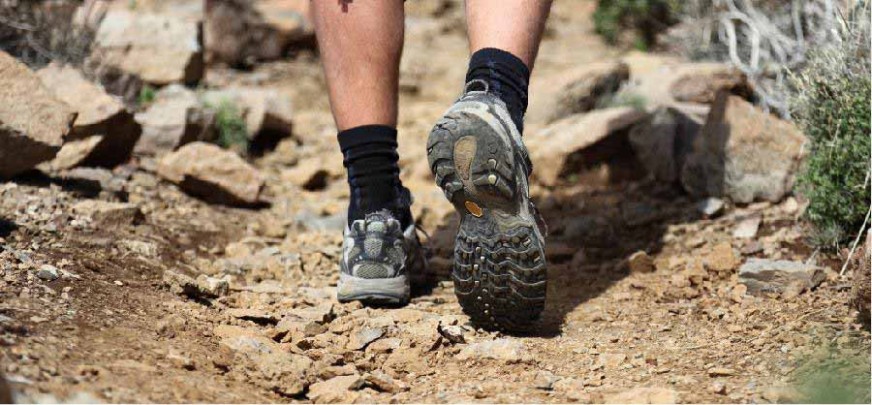
Your walking pattern, or gait, is as unique as your fingerprint. Selecting a walking shoe without considering your gait is like prescribing medication without a diagnosis. The three primary gait types—neutral, overpronation, and supination—require distinct support features. Overpronation, where the foot rolls inward excessively, is common and necessitates shoes with motion control or stability features, such as medial posts made of firmer foam. Conversely, supinators (underpronators) need highly cushioned, flexible shoes to aid natural shock absorption. Authoritative sources like the American Podiatric Medical Association (APMA) recommend professional gait analysis, often available at specialty running stores, as a starting point. This scientific approach is championed by figures like Dr. Ray McClanahan, a sports podiatrist known for his advocacy of naturally shaped footwear, who argues that understanding foot mechanics is the first step toward preventing injury. As you evaluate shoes, consider this not as a shopping task but as an investment in your musculoskeletal health. The correct pair will feel supportive, not restrictive, and will align your foot, ankle, and knee, reducing strain on joints—a principle validated by countless studies in sports medicine literature.
:max_bytes(150000):strip_icc()/when-should-i-replace-my-walking-shoes-3436325-0801-7a1840d83573471092e0380f9e230ecc.jpg)
The Style Equation: Proving Comfort and Aesthetics Are Not Mutually Exclusive
For too long, “comfortable shoes” conjured images of clunky, utilitarian designs. The modern walking shoe shatters this stereotype. Today’s leading brands seamlessly integrate performance technology with contemporary aesthetics. The rise of “athleisure” has driven designers to create shoes that perform on a five-mile walk and transition effortlessly to a casual lunch or errands. Brands like Allbirds, with their merino wool and sugarcane-based foam, have built empires on eco-conscious, minimalist style paired with undeniable comfort. Similarly, the bold, maximalist cushioning of HOKA ONE ONE has become a street-style staple, demonstrating that advanced shock absorption can have a distinctive, fashionable look. This fusion is not accidental; it’s a response to consumer demand documented by market analysts from NPD Group, who note the blurring lines between performance and lifestyle categories. When selecting for style, look for clean lines, versatile colorways (neutrals are often most adaptable), and consider how the shoe’s silhouette complements your typical attire. The goal is a shoe you reach for not out of necessity, but desire—a piece that supports your body and expresses your personal style.
Material World: Innovations Defining the Next Generation of Footwear
The quest for the perfect walking shoe is fueling a materials science revolution. Beyond traditional leather and mesh, we now see recycled plastics transformed into durable uppers, algae-based foams in midsoles, and natural rubber sourced sustainably for outsoles. Adidas’ partnership with Parley for the Oceans to create uppers from intercepted ocean plastic is a prominent example of this shift. From a performance perspective, adaptive materials are key. For instance, ASICS’ GEL technology, a silicone-based cushioning system, is renowned for dissipating impact shock, a feature frequently highlighted in wearer reviews on platforms like Runner’s World. Memory foam insoles, once a novelty, are now refined to offer dynamic contouring that responds to foot temperature and pressure. As noted by materials scientists in publications like Footwear Science, the future lies in smart materials that can adjust cushioning or ventilation in real-time based on sensor data. This professional knowledge empowers you to look beyond brand claims and understand the what and why of the materials in your shoes, ensuring you get true innovation, not just marketing jargon.
Investment and Value: Navigating Price, Quality, and Replacement Cycles
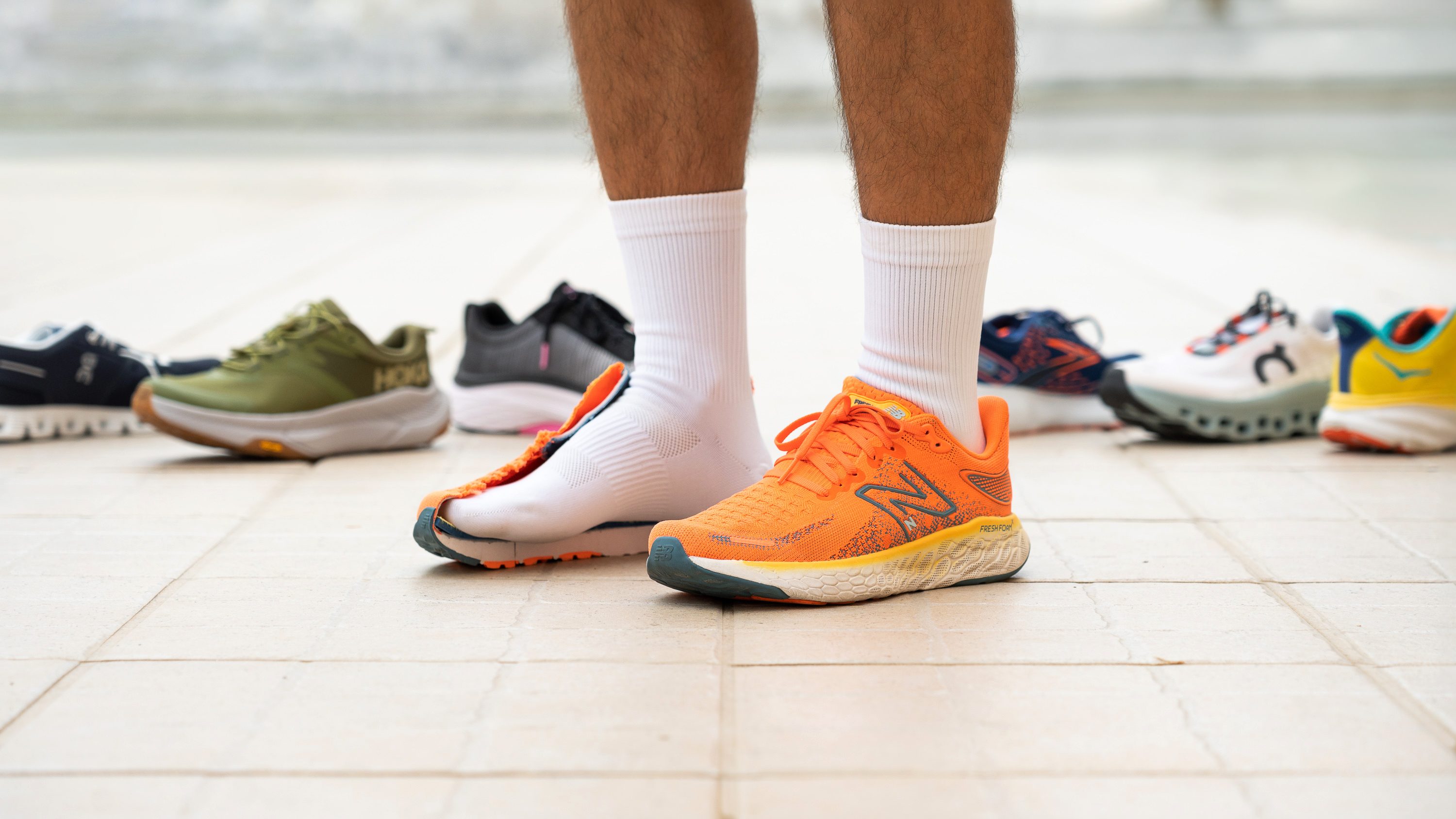
A high-quality walking shoe is an investment in your health, but smart shopping can maximize value. The price point often reflects research, development, and material quality. However, a higher price doesn’t automatically guarantee a perfect fit for you. Seek out seasonal sales, end-of-model-year clearances, and reputable online retailers that offer significant discounts on previous versions—the core technology often changes minimally between generations. More crucial than chasing the lowest price is understanding the replacement cycle. The cushioning materials in midsoles compress and lose resilience over time, typically after 300-500 miles of use, regardless of the visible wear on the outsole. Continuing to use worn-out shoes is a primary cause of overuse injuries. As a rule of thumb, if you walk 30 minutes a day, five days a week, you should consider replacing your shoes every 6-9 months. This isn’t a suggestion from brands to sell more product; it’s a consensus view from physical therapists and sports medicine professionals, frequently discussed on health forums like Quora and in advice columns by certified trainers on YouTube. Budgeting for two pairs per year, purchased on sale, is a more financially and physically sound strategy than clinging to a single, degraded pair for years.
The Final Step: Curating Your Personal Shoe Sanctuary
Your journey doesn’t end at purchase; it evolves into curation. Think of your footwear collection not as a closet of shoes, but as a toolkit for different terrains and purposes. A highly cushioned shoe like the Brooks Ghost or HOKA Bondi is ideal for long pavement walks. A lighter, more flexible model may be perfect for treadmill sessions or travel. Having this rotation not only extends the life of each pair by allowing materials to decompress between uses but also subtly varies the stress patterns on your feet and legs, which can enhance strength and resilience. Listen to the wisdom of long-distance hikers and walking enthusiasts whose testimonials populate sites like The Trek; they live by the principle of “right tool for the job.” Finally, trust the subjective feel. All the scientific data and celebrity endorsements in the world—whether from YouTube fitness influencers or Twitter-famous podiatrists—cannot override the sensation of perfect harmony when your foot meets the insole. That feeling of supported, effortless motion is the ultimate metric, the clear signal that you’ve found not just a shoe, but a partner for every step ahead.
:max_bytes(150000):strip_icc()/vwt-asics-womens-gel-pulse-16-jinfeng-chen-21-712f0f140e834b84b3a8dcf0bf154771.jpeg)
