

The Best Tennis Shoes for Walking Comfort and Fashion
In the realm of footwear, a fascinating convergence is taking place. The lines between specialized athletic gear and everyday fashion are blurring, and at the heart of this shift is a humble hero: the tennis shoe. No longer confined to the clay or grass courts, modern tennis shoes for walking have evolved into a pinnacle of design, marrying biomechanical support with street-ready style. This isn’t about settling for a running shoe repurposed for a stroll; it’s about recognizing a category engineered for lateral stability, cushioned impact, and durability—qualities that translate spectacularly well to the urban jungle and beyond. The right pair doesn’t just carry you; it elevates the experience of movement itself, turning a simple walk into a statement of comfort and conscious aesthetics.
The Anatomy of Comfort: Why Tennis Shoes Excel for Walking
To understand the supremacy of tennis shoes for ambulatory purposes, one must dissect their foundational engineering. Unlike running shoes, which are primarily designed for forward, heel-to-toe motion, tennis involves explosive multi-directional movement—sudden starts, stops, pivots, and lateral slides. This demands a unique construction. Renowned podiatrist Dr. Emily Splichal, in her lectures often cited on platforms like YouTube, emphasizes that “foot stability is the cornerstone of injury prevention in any weight-bearing activity.” Tennis shoes answer this call with features like reinforced toe guards (for toe-dragging on serves), robust outsoles with herringbone or modified patterns for omnidirectional traction, and substantial midfoot support to counteract rolling during side-to-side motion. Scientific literature from institutions like the University of Calgary’s Human Performance Laboratory corroborates that shoes with greater medial-lateral stability reduce the risk of ankle sprains, a benefit that directly translates to navigating uneven sidewalks or cobblestone streets. When you choose a tennis shoes for walking, you are not merely selecting footwear; you are opting for a biomechanical tool crafted for dynamic stability. The cushioning, often utilizing proprietary technologies like Nike’s Air Zoom, Adidas’ Boost, or ASICS’ GEL, is tuned to absorb impact from various angles, not just vertical force. This holistic approach to impact management means your joints are cradled through every step, turn, and pause during a long day of exploration or errands.

From Court to Pavement: The Fashion Evolution
The journey of the tennis shoe from a functional sports item to a fashion icon is a masterclass in cultural appropriation and redesign. This transformation is deeply rooted in history and celebrity influence. In the 1980s, the advent of the “preppy” style, as documented in films like The Breakfast Club, saw classic white leather tennis shoes like the Adidas Stan Smith or the K-Swiss Classic become symbols of casual, clean-cut cool. Fast forward to the 21st century, and the collaboration between athletes, designers, and celebrities has catapulted these shoes into the high-fashion stratosphere. As noted by fashion historian Dr. Elizabeth Semmelhack on Quora and in her publications, “The tennis shoe represents a democratization of style, borrowing the authenticity of sport and repurposing it for personal expression.” Statements from figures like Virgil Abloh, who famously reimagined the Nike Air Force 1 (a design born from basketball but embraced by all), underscore that the appeal lies in the shoe’s architectural silhouette—a blank canvas. Today’s best tennis shoes for walking leverage this heritage. Brands are releasing models in a spectrum of materials: supple suedes, breathable technical knits, and sustainable recycled fabrics, in colorways ranging from minimalist monochromes to bold, artistic collaborations. Wearing them signals an understanding of both heritage and innovation, a nod to athleticism without sacrificing an iota of style. They pair effortlessly with tailored trousers, dresses, or denim, proving that practicality and panache are not mutually exclusive.
Key Considerations When Choosing Your Pair
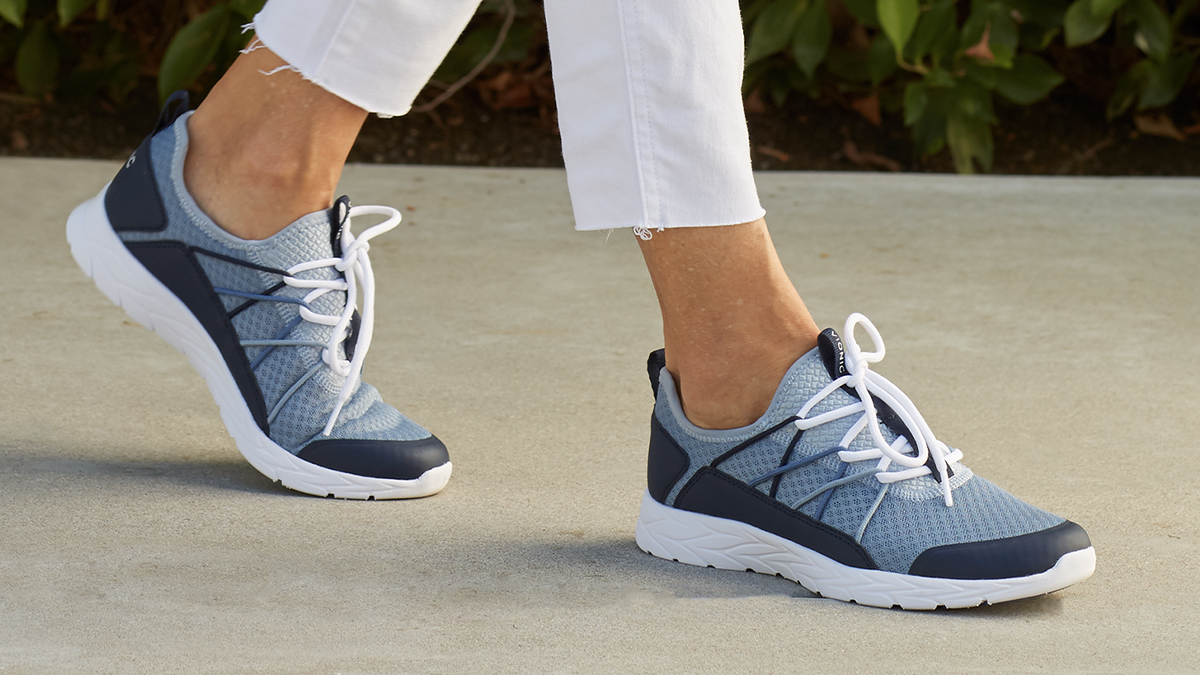
Selecting the ideal walking companion requires moving beyond mere looks. It is a personal investment in your physical well-being. The first, non-negotiable step is fit. As per guidelines from the American Podiatric Medical Association, often referenced on health websites like Verywell Fit, there should be about a thumb’s width of space between your longest toe and the end of the shoe to allow for natural foot expansion during walking. Secondly, consider the “drop”—the height difference between the heel and forefoot. A moderate drop (6-10mm) often provides a good balance of cushioning and a natural gait cycle, a point frequently discussed by biomechanists in university sports science literature. Third, analyze the outsole. A durable rubber with a versatile tread pattern is essential for the varied surfaces you’ll encounter. Fourth, prioritize breathability. Mesh panels or advanced knit uppers prevent overheating and moisture buildup. Finally, reflect on your personal arch type (neutral, low, or high) and seek models with appropriate arch support, which can be verified through brand specifications or professional fitting. Remember, the most expensive or trendy model is worthless if it doesn’t honor the unique architecture of your foot. A proper tennis shoes for walking feels supportive and secure from the moment you lace up, requiring little to no “break-in” period—a true sign of its quality and design intent.
Professional Insight: Technology Meets Terrain
Delving deeper into the technology, modern performance tennis shoes for walking are marvels of material science. Take, for instance, the implementation of energy-return foams. Adidas’ Boost technology, developed in partnership with chemical giant BASF, consists of thousands of thermoplastic polyurethane (TPU) pellets that store and release energy with each step. This isn’t marketing hyperbole; independent tests reviewed on sites like CNET have shown measurable differences in energy return compared to traditional EVA foam. Similarly, ASICS’ GEL cushioning system, often visible in transparent pods in the heel, is a silicone-based material that attenuates shock waves before they travel up the skeletal system. From a professional standpoint, this is crucial for walkers who cover long distances on hard urban surfaces. Furthermore, stability technologies like Nike’s Dynamic Support system or New Balance’s Rollbar use dual-density foams and thermoplastic wedges to gently guide the foot into a neutral position, preventing overpronation—a common cause of foot and knee fatigue. As noted by renowned physical therapist Kelly Starrett on his popular YouTube channel, “Your footwear is the interface between your body and the ground. It should correct, not corrupt, your movement patterns.” Investing in a pair that incorporates these researched technologies is an investment in long-term joint health and walking efficiency, allowing you to explore further and with greater confidence.
Curated Selections: Where Performance and Style Intersect
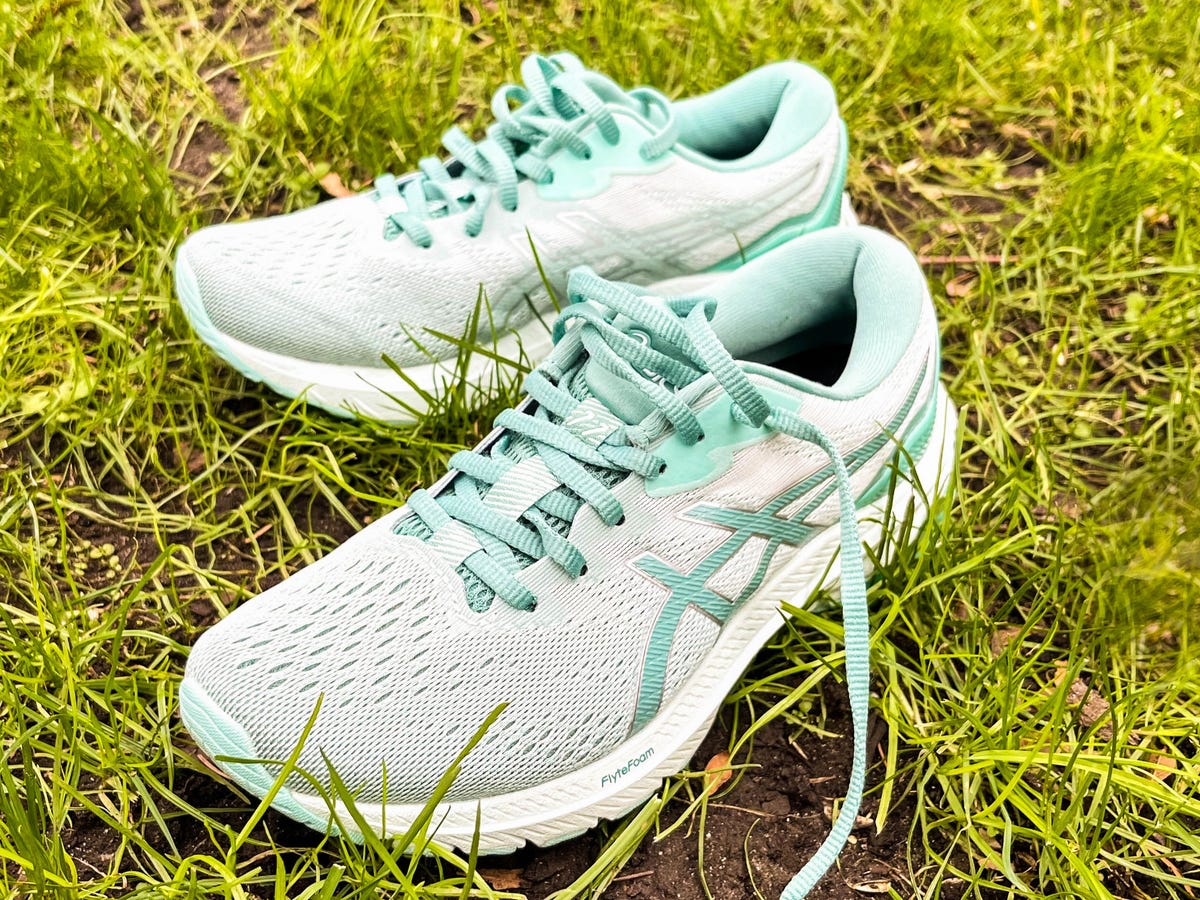
Navigating the market can be overwhelming, so let’s focus on a few exemplary models that embody the perfect marriage of comfort and fashion. First, consider the New Balance 990v5. A staple in the “dad shoe” trend that has been reappropriated as high fashion, it boasts ENCAP midsole technology for superior support and durability. Its timeless grey mesh and suede design is as at home in a creative agency as it is on a walking trail. Second, the Adidas Ultraboost 5.0 DNA. While rooted in running, its construction shares DNA with tennis silhouettes. The full-length Boost midsole offers legendary comfort, and its sleek, knit upper provides a modern, adaptive fit. It’s a favorite among style influencers on Twitter for its versatility. Third, the K-Swiss Hypercourt Express 2. This is a true performance tennis shoe that has crossed over. Its Surge 7.0 midsole is responsive, and the Aosta 7.0 rubber outsole provides exceptional grip. Its clean, leather-based design offers a more polished look. Finally, for those seeking a sustainable option, the Allbirds Tree Runners deserve mention. While not a traditional tennis shoe, its ethos of simple, comfortable design made from natural materials like eucalyptus fiber captures the spirit of effortless, conscious style for the urban walker. Each of these models represents a different point on the spectrum of tennis shoes for walking, proving that you do not have to sacrifice one attribute for another.
:max_bytes(150000):strip_icc()/vwt-walking-shoes-test-ryka-devotion-x-sahara-borja-02-18807b688fbb49e4ba30a3ee438600cb.jpeg)
Making the Smart Investment: Value Beyond Price
Acquiring the perfect pair is also an exercise in smart consumerism. While premium models from brands like Nike, ASICS, or New Balance often retail between $120 and $180, their value is justified by advanced materials, rigorous research, and construction that outlasts fast-fashion alternatives. However, savvy shoppers know that value can be unlocked. First, consider previous season’s models. When a new version (like the v6) is released, the v5 often sees significant discounts of 30-50% on brand outlet websites or retailers like Zappos, without a substantial drop in performance. Second, subscribe to brand newsletters and follow deal aggregators on social media for flash sales, especially during holiday weekends. Third, explore “performance lifestyle” lines from brands like Cole Haan or Clarks, which often incorporate athletic shoe technology into more formal-looking silhouettes, sometimes at accessible price points during sales. As the famous investor Warren Buffett once opined, “Price is what you pay. Value is what you get.” A high-quality pair of walking-optimized tennis shoes may have a higher upfront cost, but its durability, support, and timeless style provide a cost-per-wear that is ultimately far lower than that of cheaper, less supportive shoes that need frequent replacement and may lead to discomfort or injury.
The search for the ideal walking shoe ends not with a compromise, but with a discovery. It reveals that the pinnacle of everyday footwear has been evolving on the tennis courts for decades. By choosing a shoe built for the dynamic demands of sport, you are securing a foundation of proven comfort and stability. By embracing its design legacy, you are making a conscious fashion choice that speaks to both history and contemporary taste. The right pair becomes more than an accessory; it is the reliable, stylish engine for your daily journeys, transforming every path you take into an opportunity to move with confidence, care, and undeniable flair.
