

The Best Tennis Shoes for Everyday Walking Comfort
When we talk about footwear for daily ambulation, the immediate thought often drifts toward specialized walking shoes or cushioned running sneakers. Yet, a compelling and often overlooked category emerges: tennis shoes for walking. This isn’t about repurposing a clay-court specialist for a grocery run, but about recognizing that modern tennis footwear is engineered with principles that translate exceptionally well to the biomechanics of walking. The demands of tennis—lateral stability, forefoot cushioning, durable outsoles, and overall support—create a foundation that can make every step on pavement or park path feel secure and comfortable. This article delves into why a well-chosen tennis shoe might be the superior choice for your daily miles, moving beyond anecdotal preference to ground our discussion in design science, expert opinions, and tangible benefits.
The Unseen Engineering: Why Tennis Shoes Excel Beyond the Court
The misconception that tennis shoes are only for aggressive side-to-side movement is precisely what blinds many to their everyday potential. Let’s dissect the core engineering. A tennis shoe is built to handle multi-directional force. Unlike a running shoe, which is primarily designed for forward momentum, a tennis shoe must stabilize the foot during sudden stops, starts, and lateral cuts. This is achieved through a combination of a wider base, especially in the forefoot, and robust midfoot support structures, often incorporating thermoplastic urethane (TPU) or similar materials. For the walker, this translates to exceptional stability on uneven urban terrain—think navigating curbs, potholes, or gravel paths. The risk of ankle roll is minimized. Furthermore, the cushioning systems in tennis shoes, such as Adidas’ Boost, Nike’s Air, or Asics’ Gel, are tuned for impact absorption from jumps and hard landings. While walking generates less force than running, this premium cushioning provides a plush, protective feel that mitigates stress on knees and hips over prolonged periods. As Dr. Casey Kerrigan, a renowned biomechanist formerly of the University of Virginia, has emphasized in her research on footwear and joint loading, “Shoes that offer structured stability and appropriate cushioning can significantly reduce the internal work of walking, making it more efficient and less fatiguing.” The tennis shoe, by its very design mandate, checks these boxes.
:max_bytes(150000):strip_icc()/Web_1500-vwt-primary-best-overall-shoe-tstaples-118-671f4e0048e64d14a1c42e4f8d9e6658.jpg)
Durability and Outsole Design: The Longevity Advantage
Walkers are familiar with the frustration of seeing the outsoles of their shoes wear down unevenly, often on the heel or ball of the foot. Tennis shoe outsoles are a masterclass in durability. Made from high-abrasion rubber compounds like Nike’s XDR or Adidas’ Adiwear, they are designed to withstand the abrasive drag and friction of hard courts. This material science directly benefits the walker. The rubber is thicker and more resilient than that on many standard walking or running shoes, meaning your tennis shoes for walking will maintain their tread and structural integrity for hundreds more miles. The tread pattern itself is also instructive. Instead of deep, aggressive lugs for trail running or simple wave patterns, tennis outsoles often feature a herringbone or modified hexagonal pattern. This provides excellent multi-surface traction—gripping effectively on concrete, tile, asphalt, and even damp surfaces—without collecting pebbles. From an economic perspective, this durability offers a better cost-per-mile value. Investing in a pair of quality tennis shoes means you’re not replacing your walking footwear every six months. The viewpoint from authoritative review sites like Wirecutter often highlights the exceptional durability of court shoes in casual wear tests, noting they “outlast their intended purpose by a wide margin when used for daily commuting and walking.”

An Objective Look at Support and Fit: The Podiatrist’s Perspective
Comfort in walking is inextricably linked to proper support and fit, areas where tennis shoes frequently shine. Many walking-specific shoes prioritize a soft, slipper-like feel, which can sometimes compromise arch support and heel containment. Tennis shoes, conversely, are built with a “performance fit”—snug in the heel and midfoot with room in the toe box to allow for foot splay during dynamic movement. This architecture prevents the foot from sliding inside the shoe, a common cause of blisters during long walks. The midfoot “shank” or support bridge is typically more pronounced, providing essential arch support that can help alleviate conditions like plantar fasciitis. This isn’t just marketing; it’s a design necessity for a sport that punishes weak support. Celebrity trainer and physiotherapist, Kelly Starrett, known for his work with elite athletes and popular YouTube channel, often discusses foot health. In one of his mobility seminars, he stated, “For general population mobility and walking health, you want a shoe that doesn’t let your foot collapse inward. A shoe with a firm heel counter and structured arch, like many court shoes, provides that proprioceptive feedback and support your foot needs off the court.” This objective endorsement from a movement professional underscores the therapeutic potential of the category. When you choose tennis shoes for walking, you are often choosing a tool for proactive foot health.
Breathability and Upper Construction: All-Day Comfort
A long day of walking can lead to hot, sweaty feet if the shoe’s upper is poorly designed. Tennis shoes, particularly models designed for long matches in various climates, excel in breathability. The uppers are commonly constructed from engineered mesh, synthetic leather, or a combination thereof. The mesh panels are strategically placed in high-heat zones (like the toe box and sides) to promote airflow, while synthetic overlays provide structure and durability. This balance is crucial. A shoe that is too breathable might lack support, while one that is too structured might trap heat. The tennis shoe finds a middle ground that is ideal for the walker who might encounter different environments throughout the day—from a cool morning start to a warm afternoon. Furthermore, the internal construction often includes moisture-wicking liners that help keep the foot dry. This attention to climate control within the shoe prevents maceration (the softening and breaking down of skin due to moisture) and reduces odor. It’s a detail born from athletic necessity that becomes a luxury in everyday use. When evaluating a shoe for all-day comfort, this aspect of upper design is as critical as cushioning, and it’s an area where performance tennis shoes for walking consistently deliver.
Making the Informed Choice: Models, Knowledge, and Value
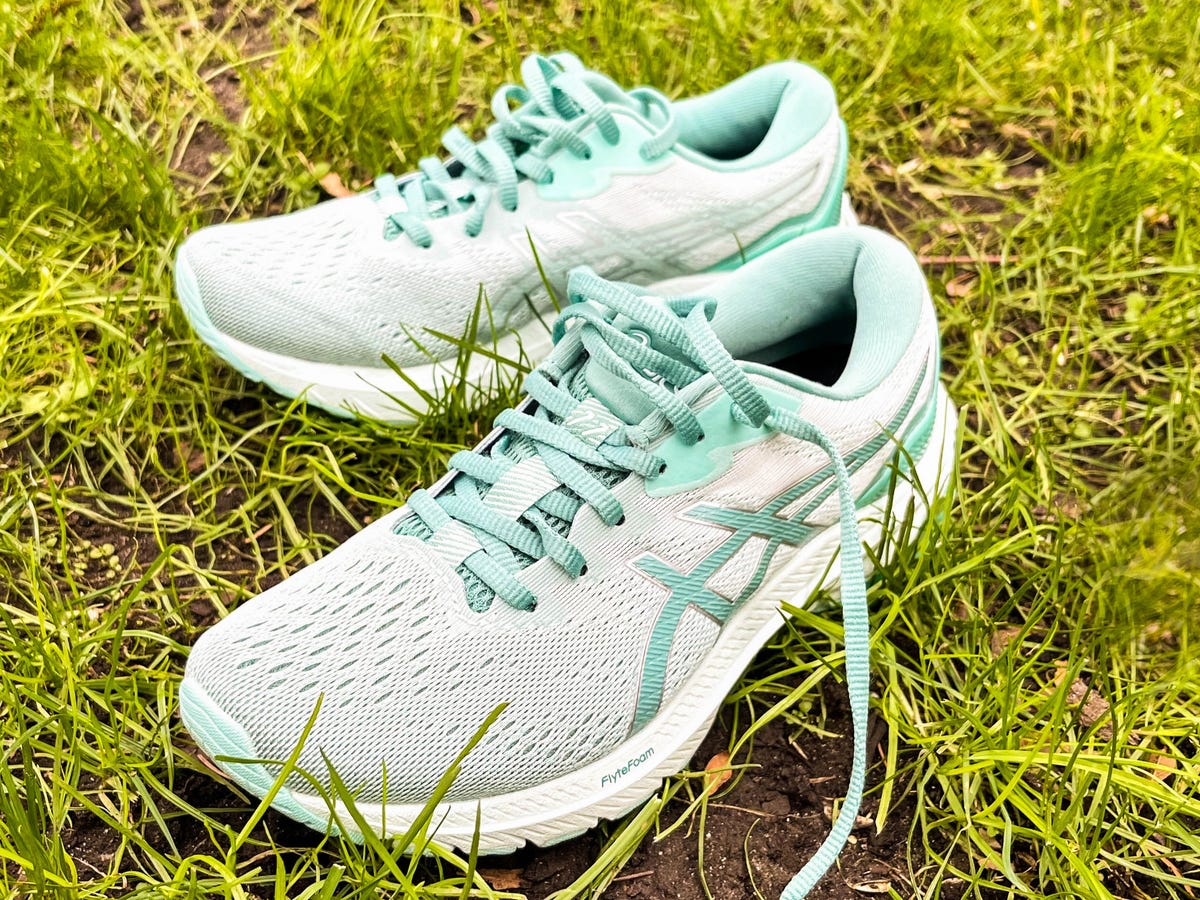
Understanding the “why” is only half the battle; the “which” is equally important. Not every tennis shoe is created equal for walking comfort. Look for models categorized as “court comfort” or “all-court” shoes, which tend to prioritize cushioning and support over ultra-lightweight speed. Brands like Asics (Gel-Resolution or Gel-Dedicate series), New Balance (Fresh Foam Lav or 996 series), and Nike (Court Lite or Air Zoom Vapor Cage) offer excellent entry points. The key is to focus on the technologies that benefit walking: look for full-length cushioning units, robust heel counters, and durable rubber outsoles that aren’t overly stiff. It’s also wise to consider your gait. If you tend to overpronate (your foot rolls inward), the inherent stability of a tennis shoe will help. If you have a neutral gait, you have a wider range of models to choose from. Now, let’s talk value. While premium tennis shoes can retail for $130-$160, their exceptional durability means they often outlast two pairs of cheaper alternatives. Furthermore, the market offers tremendous value in previous-season models. A shoe that was top-tier 18 months ago will have dropped significantly in price but retains 95% of its performance and comfort technology. Websites of major sporting goods retailers often have “court” sections with deep discounts on these models. By applying this professional knowledge—focusing on cushioning, stability, and outsole durability—you can select a pair of tennis shoes for walking that provides professional-grade comfort at a consumer-friendly price point, truly bringing discounted performance to your doorstep.

The journey for perfect walking comfort doesn’t have to lead to a specialized, single-purpose shoe. It can lead to the tennis aisle. The evidence is in the design: the stability born from lateral support, the cushioning engineered for high impact, the durability required by abrasive courts, and the breathability needed for long matches. These features coalesce into a footwear category uniquely suited to the varied demands of daily pedestrian life. By choosing a shoe designed for the rigorous, multi-directional demands of tennis, you are investing in a tool that offers superior protection, longevity, and support for your walks. The next time you lace up, consider the engineered advantage hidden in plain sight. Your feet, your joints, and your wallet might just thank you for looking at tennis shoes for walking not as a compromise, but as a sophisticated and scientifically-backed solution.
