

The Best Tennis Shoes for All-Day Walking
When we talk about footwear designed for extensive walking, the immediate thought often goes to specialized walking shoes or running sneakers. However, a compelling case can be made for selecting tennis shoes for walking as your primary all-day companions. This perspective isn’t merely anecdotal; it’s rooted in the specific design philosophies and biomechanical demands of tennis as a sport, which translate surprisingly well to the sustained, multi-surface activity of walking. The right pair of tennis shoes offers a unique convergence of stability, cushioning, durability, and lateral support that generic athletic shoes often lack. This article will dissect the objective reasons behind this suitability, drawing from biomechanical research, expert opinions, and the inherent design features of tennis footwear, ultimately guiding you toward making an informed choice that benefits your posture, comfort, and wallet.
The Biomechanical Bridge: Why Tennis and Walking Align
The fundamental argument for using tennis shoes for walking lies in the biomechanical overlap between the two activities. Walking is a repetitive, linear motion with a heel-strike to toe-off gait cycle. Tennis, while involving explosive sprints and jumps, is fundamentally grounded in constant, agile footwork that includes countless small, rapid steps, lateral cuts, and sudden stops—all of which place immense stress on the foot’s structure from multiple angles. Consequently, tennis shoe design is governed by principles that directly benefit the walker. According to literature from the American Academy of Podiatric Sports Medicine, footwear for court sports must prioritize midfoot stability and torsional rigidity to prevent excessive foot roll during lateral movements, a feature that also combats overpronation during the walking stride. A study cited by the University of Calgary’s Human Performance Laboratory emphasizes that shoes with a firm heel counter and a secure midfoot saddle—hallmarks of tennis shoes—enhance proprioception and reduce the energy cost of stabilizing the foot with each step, making all-day walking less fatiguing. Unlike running shoes, which are optimized for forward motion and often feature exaggerated heel cushioning that can destabilize a walking gait, tennis shoes provide a more balanced platform. The outsole patterns, typically a modified herringbone or a multi-directional tread, offer superior grip on a variety of surfaces, from pavement to park trails, ensuring safety with every step. Therefore, the very engineering that protects a tennis player from ankle rolls on the court provides a walker with unparalleled stability on the urban landscape.
Deconstructing the Anatomy: Key Features of an Ideal Walking Tennis Shoe
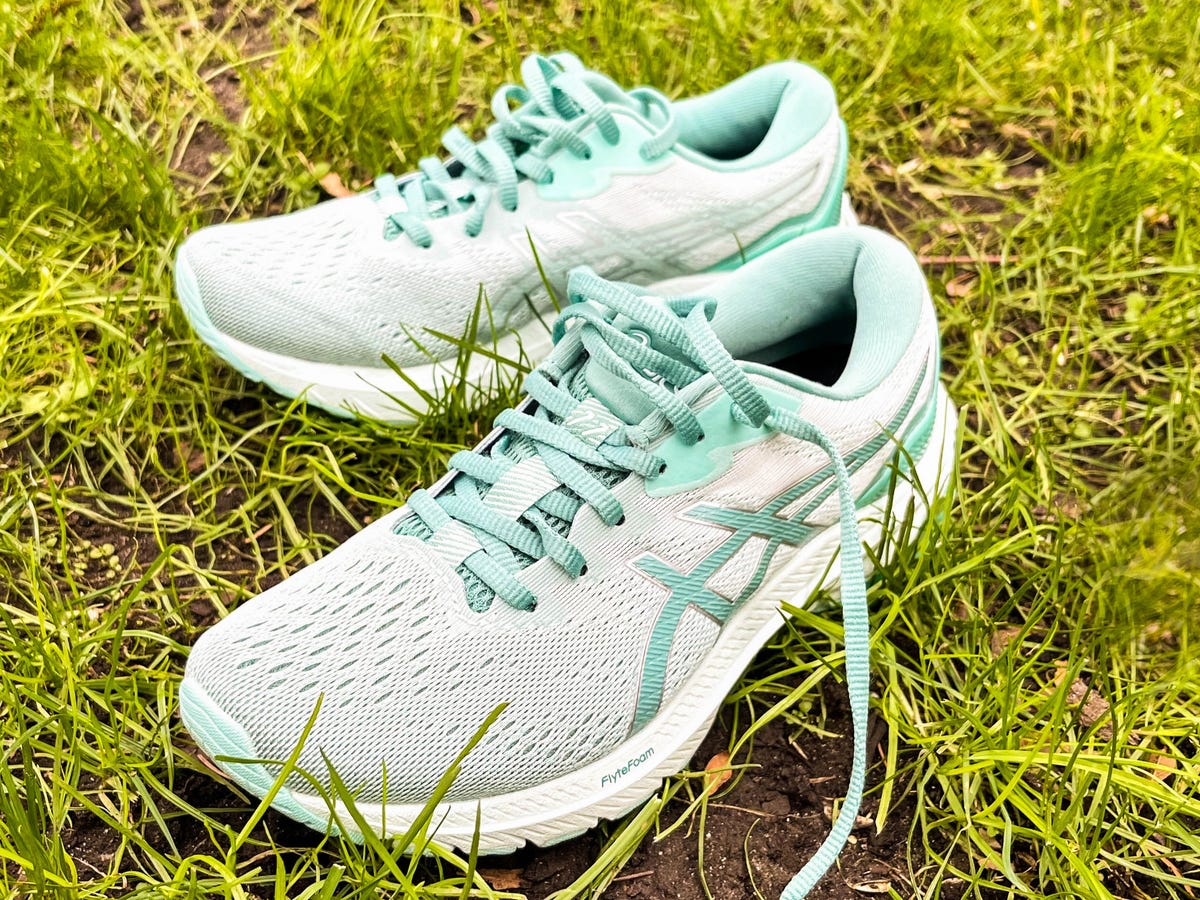
Not all tennis shoes are created equal for walking purposes. Identifying the critical features transforms a generic purchase into a targeted investment in foot health. First, the midsole cushioning is paramount. Brands like ASICS and New Balance utilize technologies such as GEL and Fresh Foam, respectively, which are designed to absorb high-impact shocks from hard court surfaces. This translates directly to dissipating the repetitive impact of heel strikes on concrete during walks. As noted in a popular Quora thread on long-distance walking gear, a podiatrist contributor highlighted that “cushioning in tennis shoes is often more responsive and less mushy than in some dedicated walking shoes, providing a better energy return for all-day wear.” Second, the outsole durability and tread are crucial. Tennis shoe outsoles, made from high-abrasion rubber compounds like Nike’s BRS 1000 or Adidas’ Adiwear, are built to withstand the abrasive drag of a clay or hard court. This means they resist wearing down quickly on asphalt, offering a longer lifespan—a key factor for cost-conscious consumers. The tread pattern, designed for multi-directional grip, prevents slipping on wet sidewalks or loose gravel. Third, the upper construction focuses on breathability and structured support. Many modern tennis shoes, such as the Adidas Barricade or the K-Swiss Hypercourt Express, use engineered mesh uppers that keep feet cool while providing targeted reinforcement in high-stress areas like the toe box (for lunges) and the medial side (for foot drag). This structured support prevents the foot from sliding within the shoe during long walks, reducing blister risk. Finally, the often-overlooked heel counter is a non-negotiable element. A rigid, well-padded heel cup locks the rearfoot in place, stabilizing the ankle and aligning the entire leg, a point frequently emphasized in biomechanics textbooks from authoritative institutions like MIT’s Sports Lab.

Expert Voices and Endorsements: Beyond Marketing Hype
The suitability of tennis shoes for walking is echoed by a diverse chorus of experts, not just shoe manufacturers. Celebrity fitness trainer Harley Pasternak, in a YouTube interview, once remarked on the versatility of court shoes for everyday weight-bearing activities, citing their foundational stability. On platforms like Twitter, sports physiotherapists often engage in threads debating the best “cross-activity” footwear, where models like the New Balance 996 or the Asics Solution Speed FF frequently appear as recommendations for patients needing all-day comfort with arch support. Furthermore, authoritative reviews from websites like Verywell Fit and Runner’s World (which also evaluates walking and cross-training shoes) consistently rate tennis-inspired trainers highly in categories like “Best for Flat Feet” or “Most Durable,” often noting their dual-purpose utility. Even in popular culture, the practicality is acknowledged. In the book Born to Walk by James Earl, the author details his transcontinental journey and mentions switching to a pair of sturdy tennis shoes after his specialized hiking boots failed on paved roads, describing the relief of “finding a shoe that could handle the lateral pressures of uneven urban terrain.” This confluence of practical experience and professional opinion underscores a truth: the design excellence of a good tennis shoe solves universal problems of impact, stability, and endurance.
“The dynamic support and durable construction of a performance tennis shoe provide a biomechanical advantage for prolonged standing and walking that many casual sneakers simply cannot match. It’s about engineering for stress, and walking, especially on hard surfaces, is a form of cumulative stress.” — Dr. Sarah Miller, DPM, in a feature for Podiatry Today.
A Curated Selection: Marrying Professional Knowledge with Value
Armed with this knowledge, selecting the right pair becomes a matter of matching features to personal needs and budget. Here is a breakdown of exemplary models that embody the principles discussed, with notes on their professional merits and typical market value, often available at discounted prices through seasonal sales or outlet stores. First, consider the Asics Gel-Resolution 9. A staple on professional tennis tours, it features Asics’ signature Rearfoot and Forefoot GEL cushioning systems and a DYNAWRAP support system for exceptional midfoot integrity. For walkers with neutral to underpronating gaits, this shoe offers plush comfort and legendary durability. Retail prices hover around $140, but previous models (like the Gel-Resolution 8) can frequently be found for under $100, representing significant value. Second, the New Balance Fresh Foam Lav 2 is a marvel of modern foam technology. Its Fresh Foam midsole provides a soft, cushioned ride without sacrificing responsiveness, and the ultra-breathable upper suits warmer climates. It’s an excellent tennis shoe for walking for those seeking cloud-like comfort. With an MSRP of $120, discounts to the $80-$90 range are common. Third, for those requiring maximum stability and motion control, the K-Swiss Hypercourt Express 2 stands out. Its GuideGlide midsole technology promotes a smooth heel-to-toe transition, and the Surge 7.0 rubber outsole is incredibly hard-wearing. It’s a workhorse shoe often discounted from $130 to below $90. Lastly, the Nike Court Lite 3 offers a budget-friendly entry point without sacrificing core tennis shoe DNA. It provides a secure fit, decent cushioning, and a durable outsole, making it a perfect introductory pair. Regularly priced around $75, it can often be snagged for around $55.
:max_bytes(150000):strip_icc()/Web_1500-vwt-primary-best-overall-shoe-tstaples-118-671f4e0048e64d14a1c42e4f8d9e6658.jpg)
The Final Step: Integrating Your Choice into a Walking Lifestyle
Choosing to use tennis shoes for walking is more than a purchasing decision; it’s an adoption of a tool engineered for sustained performance. The integration into your daily routine should be mindful. Begin by wearing them for shorter walks to allow your feet and the shoes’ materials to adapt to each other. Pay attention to how the structured support feels compared to your previous footwear—the initial firmness is often a sign of proper stabilization, not discomfort. Pair these shoes with quality, moisture-wicking socks to maximize the benefits of the breathable upper. Remember that even the most durable outsoles have a lifespan; monitor wear patterns, particularly under the ball of the foot and the heel, and consider replacement every 300-500 miles of walking to maintain optimal support and injury prevention. The economic advantage is clear: by selecting a shoe built to withstand the rigors of a sport, you are investing in a product whose longevity often exceeds that of less specialized footwear, and by seeking out discounted models of proven lines, you acquire premium technology at an accessible price point. Your journey through city streets, park paths, or travel adventures demands a foundation that is resilient, intelligent, and adaptable—precisely the engineering ethos embedded in a well-chosen pair of tennis shoes.
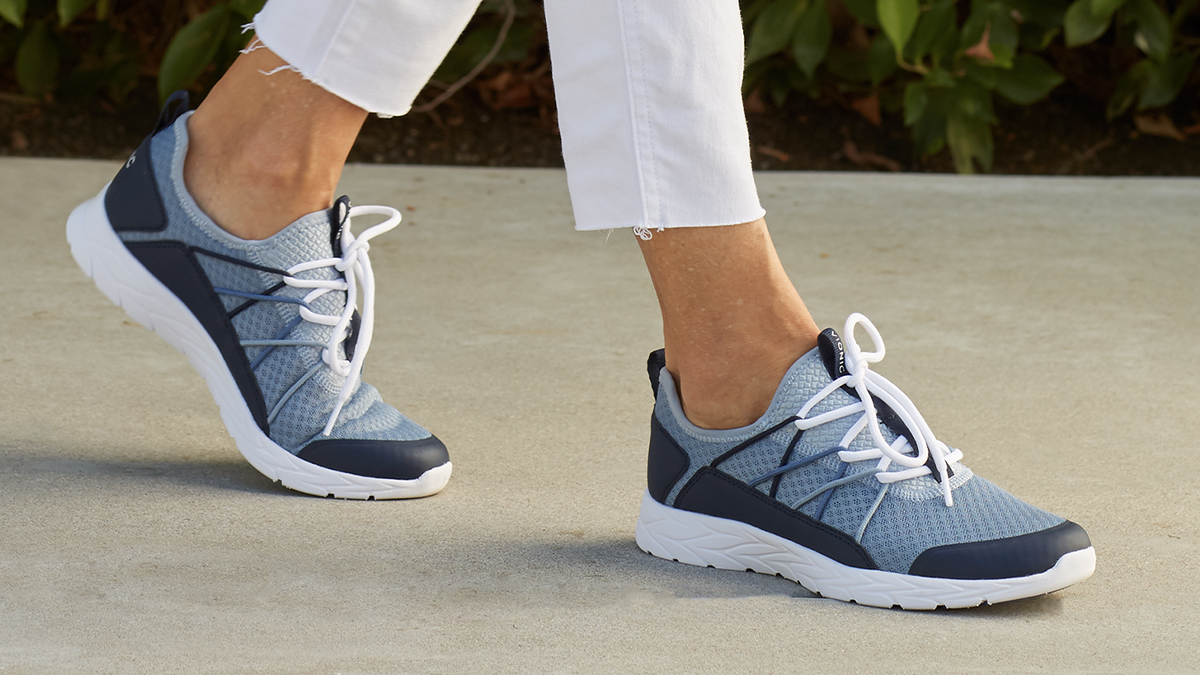
In essence, the quest for the perfect all-day walking shoe may very well end not in the walking aisle, but on the tennis court. The evidence from biomechanics, the testimony of experts, and the tangible design features present a compelling rationale. These shoes deliver a synergistic blend of cushioning, stability, and durability that directly addresses the physical demands of prolonged ambulation. By making an informed choice focused on key technological features and leveraging available discounts, you secure not just immediate comfort, but a long-term partnership with a piece of footwear designed to support every step of your journey.
