

Tennis Shoes for Effortless Everyday Walks
Imagine stepping out for a daily stroll where each footfall feels cushioned, supported, and entirely natural. This isn’t about specialized hiking boots or minimalist barefoot shoes; it’s about rediscovering a versatile staple already in your closet: the tennis shoe. Once confined to the courts, modern tennis shoes for walking have evolved into engineering marvels, blending athletic heritage with all-day comfort science. They represent a fusion of stability, flexibility, and cushioning that makes mundane walks a genuine pleasure. This article delves into why a well-chosen pair of tennis shoes is arguably the optimal companion for your everyday ambulation, unpacking the biomechanics, design evolution, and sheer practicality that elevate them from sportswear to essential urban gear.
The Anatomical Advantage: How Tennis Shoes Support the Walking Gait
Walking, or ambulation, is a complex, repetitive cycle of heel-strike, mid-stance, and toe-off. Unlike running, which involves a flight phase and higher impact, walking keeps one foot in constant contact with the ground, placing different stresses on the foot and ankle. A shoe designed for this specific motion must prioritize stability and smooth roll-through. This is where the design philosophy of tennis shoes for walking shines. Tennis, as a sport, demands lateral stability for quick side-to-side movements, cushioning for constant foot strikes, and a flexible forefoot for explosive pushes. These attributes translate remarkably well to walking. The reinforced heel counter—a firm cup around the heel—prevents excessive inward or outward rolling (overpronation or supination), a common issue during prolonged walking that can lead to knee, hip, or back pain. The midsole, often incorporating technologies like Adidas’s Boost or ASICS’s GEL, absorbs shock at the heel strike. Furthermore, the outsole pattern of many tennis shoes offers a balance of grip and flexibility, allowing the foot to bend naturally at the metatarsals during toe-off. Podiatrist Dr. Emily Splichal, in a lecture featured on platforms like YouTube, often emphasizes that “footwear should complement, not control, natural foot motion.” A quality tennis shoe does precisely that for the walker, providing a protective platform that respects the foot’s biomechanics without overly restricting it.

From Court to Concrete: The Evolution of a Lifestyle Icon
The journey of the tennis shoe from athletic equipment to a walking essential is a story of cultural adoption and technological cross-pollination. In the early 20th century, brands like Converse produced canvas shoes for basketball and tennis. However, the real revolution began in the 1970s and 80s with the advent of “tennis trainers” from brands like Nike and Adidas. These shoes incorporated improved cushioning and support, making them comfortable beyond the court. As noted in design literature from institutions like the University of Oregon’s Sports Product Management program, the shift from performance-only to lifestyle-performance blurred the lines. The 1987 release of the Nike Air Max, with its visible air cushioning unit, was a watershed moment. It wasn’t marketed solely for tennis; it was marketed for comfort and style, capturing the public’s imagination. Fast-forward to today, and models like the New Balance 990 series or the ASICS GT-1000 are explicitly celebrated by wearers for their all-day comfort on city streets. Websites like “Verywell Fit” consistently include tennis-inspired trainers in their roundups of best walking shoes, citing their durable construction and balanced support. This evolution proves that the core architecture of a tennis shoe—durable upper, responsive midsole, stable base—is inherently suited to the rigors of daily pedestrian life.
:max_bytes(150000):strip_icc()/Web_1500-vwt-primary-best-overall-shoe-tstaples-118-671f4e0048e64d14a1c42e4f8d9e6658.jpg)
Debunking Myths: Tennis Shoes vs. Dedicated “Walking Shoes”
A common question arises: why not just buy shoes labeled “walking shoes”? The distinction is often more marketing than mechanics. Traditional walking shoes sometimes prioritize a rigid, rocker-style sole designed to propel the foot forward, which can feel unnatural to some. They may also lack the lateral support inherent in tennis designs. A tennis shoes for walking offers a more holistic package. Consider the perspective from Quora communities where seasoned walkers and fitness enthusiasts debate footwear. Many long-distance urban walkers report that dedicated walking shoes can feel “clunky” on varied surfaces, while a versatile tennis trainer adapts better from pavement to park paths. Furthermore, the construction quality of performance-oriented tennis shoes is often superior, using higher-grade foams and more durable outsoles. As author and biomechanics researcher Katy Bowman notes in her book “Move Your DNA,” the best shoe for everyday movement is one that allows for natural foot function while providing appropriate protection from environmental hazards. A modern tennis shoe, with its focus on multi-directional movement and impact dispersion, meets this criterion beautifully, often at a more accessible price point than niche technical walking models.
The Pillars of Comfort: Cushioning, Fit, and Breathability
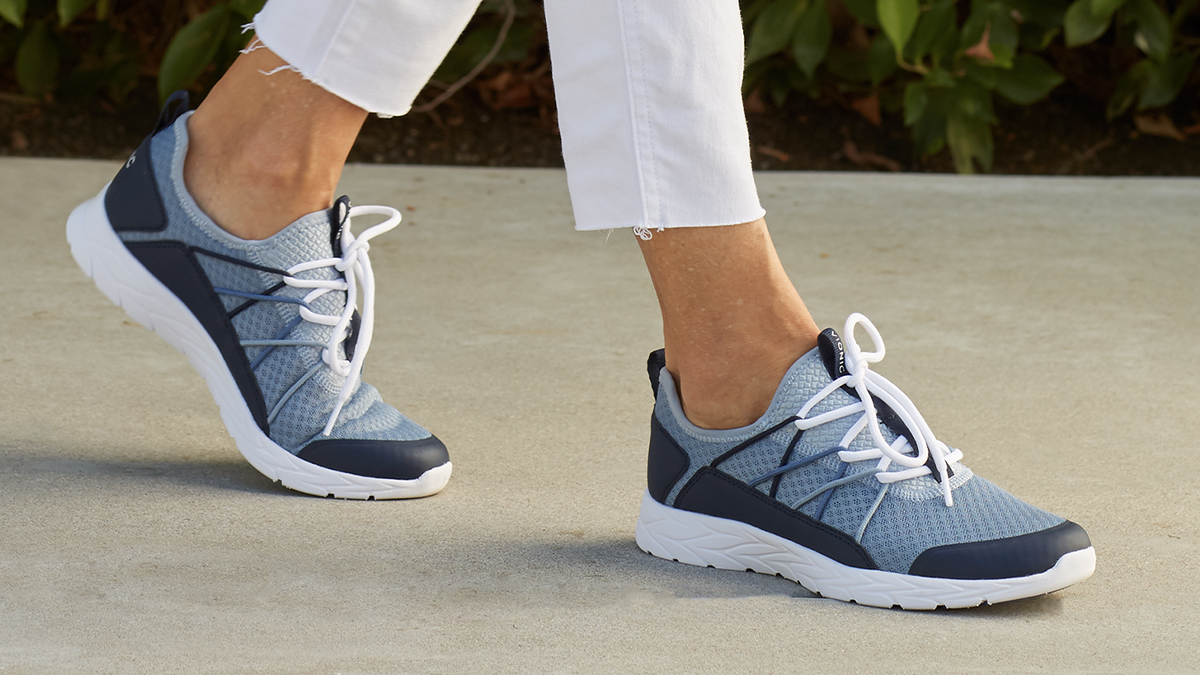
Selecting the right pair of tennis shoes for walking hinges on three pillars: cushioning, fit, and breathability. Cushioning is not merely about softness; it’s about energy return and impact attenuation. Technologies like Nike’s React foam or PUMA’s Nitro foam are engineered to be both soft and resilient, reducing fatigue over miles. Fit is paramount. A proper walking fit requires a thumb’s width of space in the toe box to allow for natural splay and swelling, a secure but not tight midfoot hold, and a locked-in heel. Brands like Brooks, which originated in running but whose shoes share DNA with tennis trainers, emphasize structured yet accommodating lasts. Breathability, often achieved through engineered mesh uppers, keeps feet cool and dry, preventing blisters and discomfort. An image of a well-ventilated tennis shoe cross-section on a site like Baidu Baike would reveal layered materials designed for airflow. When these three pillars align, the shoe disappears on your foot, allowing you to focus on the rhythm of your walk, the surroundings, or your thoughts. It transforms a chore into a ritual.
A Sustainable Stride: Durability and Versatility
In an era of conscious consumption, the longevity of a product is a key virtue. Tennis shoes are built to withstand the abrasive forces of a hard court—dragging toes, sudden pivots, and constant friction. This inherent durability makes them exceptionally long-lasting for walking. The robust rubber outsole resists wear on pavement far better than many softer walking shoe compounds. This durability translates to cost-effectiveness and reduced waste. Furthermore, their versatility is unmatched. A pair of sleek, monochromatic tennis shoes for walking can seamlessly transition from a morning fitness walk to a day of errands or casual work settings. This eliminates the need for multiple specialized shoes, embracing a minimalist wardrobe philosophy. As sustainability advocate and author Elizabeth L. Cline discusses in works on responsible consumption, investing in versatile, durable goods is a cornerstone of a practical and eco-friendlier lifestyle. The tennis shoe, in this context, is not just a tool for walking but a smart, adaptable choice for modern living.
Making the Right Choice: A Guide to Your Next Pair
Armed with this knowledge, how do you choose? First, identify your gait. Many specialty running stores offer free gait analysis. If you tend to overpronate, look for tennis models with “stability” or “motion control” features. For neutral gaits, “cushioned” or “neutral” models offer maximum comfort. Second, prioritize fit over trends. Try shoes on in the afternoon when feet are naturally slightly swollen. Wear the socks you intend to walk in. Third, consider the primary surface. A shoe with a deeper, multi-directional tread pattern offers better grip on varied terrain, while a smoother sole may be ideal for purely urban environments. Finally, don’t ignore aesthetics. Loving how your shoes look increases the likelihood you’ll wear them. Brands like On Running and HOKA have successfully merged radical comfort with striking design, proving performance and style are not mutually exclusive. Remember, the goal is to find a partner for your daily journeys, a pair that invites you to walk further, explore more, and do so with effortless comfort.
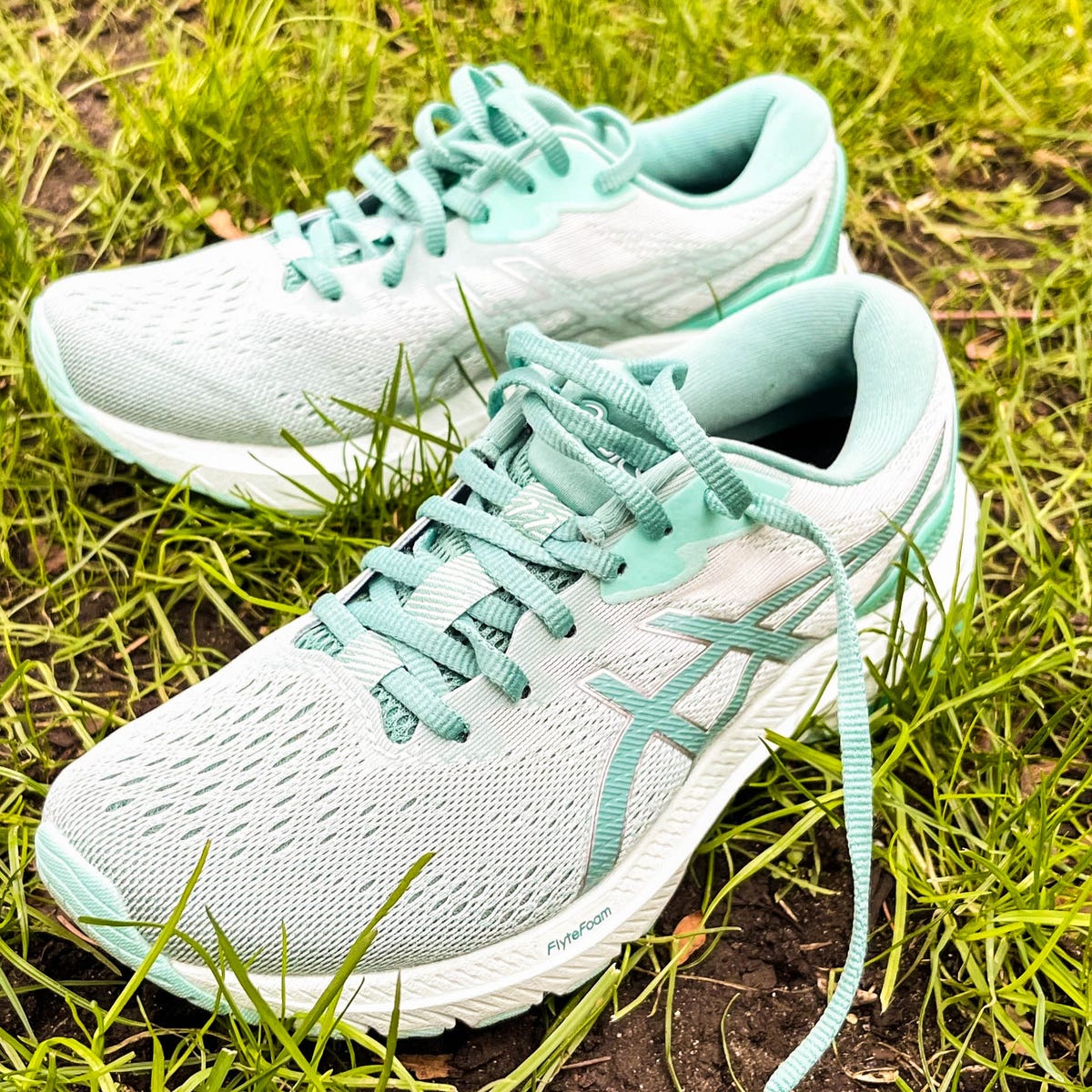
The search for the perfect everyday walking companion need not be complicated. It often ends with a rediscovery of a classic, re-engineered for contemporary life. Tennis shoes, with their foundational principles of support, cushioning, and durability, are uniquely qualified to turn every step into a pleasure. They are a testament to how functional design, born from the demands of sport, can elevate the most fundamental human movement. So, lace up a pair designed with intention, step outside, and feel the difference. Your daily walk awaits, and now, you have the ideal footwear to make it truly effortless.
