

Step Into Comfort and Style with Vionic Walking Shoes
For years, the pursuit of the perfect walking shoe felt like a compromise. It was a choice between clinical-looking orthopaedic support and fleeting, fashion-forward trends that left my feet aching after a mere city block. This all changed when I discovered a category of footwear that masterfully bridges this divide. The journey led me to a revelation: true walking comfort is not a luxury; it’s a biomechanical necessity, and it can be achieved without sacrificing personal style. This article is an exploration of that synthesis, focusing on how a specific approach to footwear design—exemplified by brands like Vionic—can transform your daily stride from a mundane task into a source of pleasure and well-being.
The Foundation: Why Biomechanics Matter in Every Step
To appreciate the innovation behind supportive walking shoes, we must first understand the complex machinery they are designed to support. The human foot is an architectural marvel, comprising 26 bones, 33 joints, and over 100 muscles, tendons, and ligaments. According to biomechanics literature from institutions like the University of California’s Department of Orthopaedic Surgery, the foot functions as both a flexible shock absorber at heel strike and a rigid lever for propulsion during toe-off. This gait cycle, repeated thousands of times a day, places immense stress on the entire kinetic chain. When this natural biomechanics are disrupted—by flat arches (overpronation), high arches (supination), or improper support—it doesn’t just cause foot pain. The repercussions travel upward, manifesting as knee pain, hip misalignment, and even lower back issues. A 2018 study published in the Journal of Foot and Ankle Research underscored this, finding a direct correlation between footwear-induced gait alterations and musculoskeletal discomfort. Therefore, the primary role of a walking shoe is not merely to cover the foot but to guide it through a healthy, efficient gait cycle. This is the scientific bedrock upon which functional footwear is built, moving beyond simple cushioning to active biomechanical control.
Beyond the Insole: The Integrated Orthotic Approach
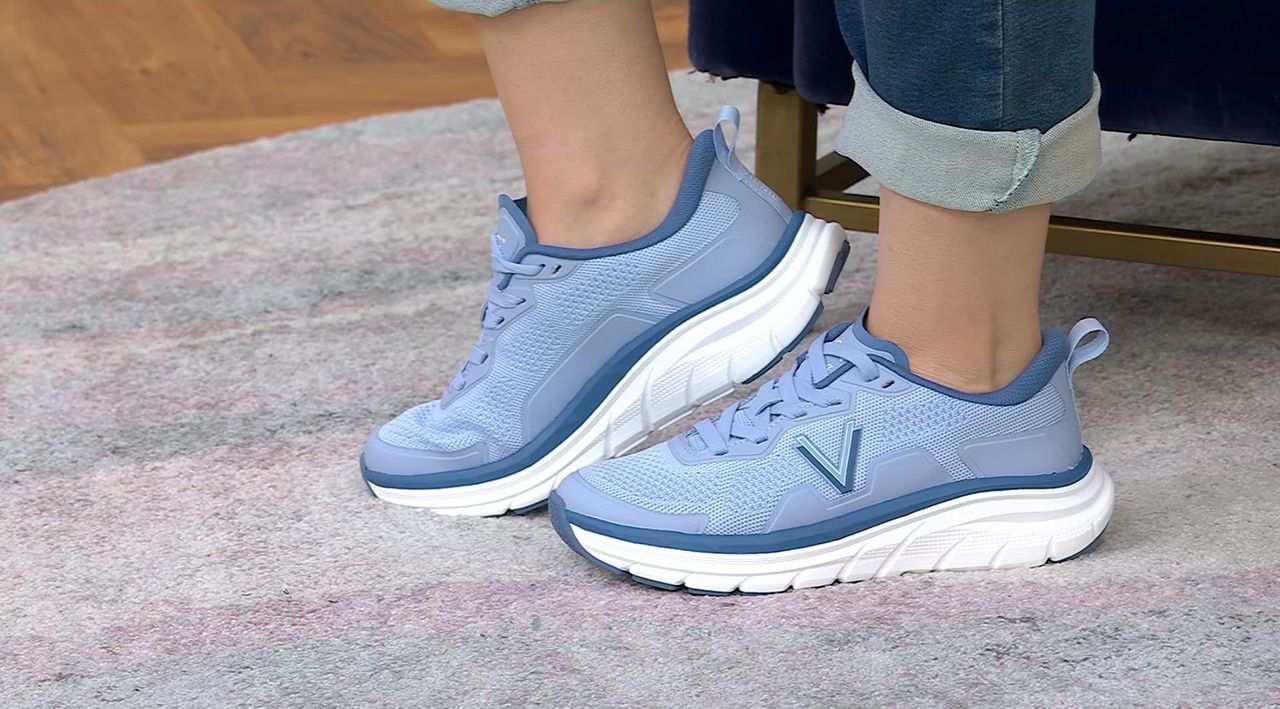
Many shoes offer removable insoles, inviting you to insert your own orthotics. While beneficial, this is often a piecemeal solution. The true breakthrough comes from a fully integrated orthotic system, engineered into the shoe’s very foundation. This is a hallmark of the Vionic walking shoe philosophy. Unlike a generic arch pad, these built-in orthotics are typically designed with a deep heel cup, a pronounced arch support, and a forefoot rocker. The deep heel cup stabilizes the calcaneus (heel bone), minimizing lateral movement and providing a secure platform. The arch support is precisely contoured to maintain the medial longitudinal arch, preventing its collapse and thus controlling overpronation. Perhaps most ingeniously, the forefoot rocker facilitates the natural roll-off motion of the foot, reducing strain on the plantar fascia and Achilles tendon. As noted by Dr. Andrew Shapiro, a podiatrist frequently cited in foot health forums, “An effective orthotic doesn’t just prop up the arch; it realigns the entire subtalar joint and influences the posture of the leg above it.” This holistic correction is what separates a shoe with an insert from a biomechanically engineered Vionic walking shoe. The support is not an add-on; it is the core architecture.

Debunking the Style Myth: Proof from the Public Eye
A persistent myth suggests that “comfort shoes” must be aesthetically unappealing. This notion has been thoroughly dismantled in recent years by both design innovation and celebrity adoption. The conversation has shifted from hiding functional footwear to flaunting it. On platforms like Instagram and YouTube, style influencers who once championed exclusively high-fashion, thin-soled designs are now openly discussing foot health. Fashion icon and actress Sarah Jessica Parker, known for her iconic stilettos in Sex and the City, has been photographed and quoted in interviews praising supportive sneakers for daily life, signaling a cultural pivot towards wellness-infused style. Furthermore, brands have responded. The modern Vionic walking shoe comes in a spectrum of designs: sleek leather sneakers that pair effortlessly with jeans, elegant sandals with hidden arch support for summer dresses, and sophisticated loafers suitable for a business-casual environment. The evidence is clear on the streets and in the media: you no longer need to choose between looking good and feeling good. The market now demands—and delivers—both.
A Personal Journey: From Pain to Pavement-Pounding Joy
Allow me to shift to a first-person perspective, as my own experience encapsulates this transformation. For a long time, my morning walk was something I endured, not enjoyed. A dull ache in my heels, particularly upon waking (a classic sign of plantar fasciitis), was my constant companion. I tried memory foam sneakers, which felt like walking on clouds for a week before compressing into uselessness. I tried minimalist shoes, which only exacerbated the pain. Finally, upon a podiatrist’s recommendation, I invested in my first pair of Vionic walking shoes. The difference was not subtle; it was revolutionary. The initial feel was one of firm, structured support, not plush softness. It took my feet and legs about a week to adapt to their new, proper alignment. But after that adjustment period, the pain began to recede. The morning heel pain vanished. I could walk longer distances without fatigue. The shoes didn’t do the walking for me; they simply allowed my feet to function as nature intended, without fighting against a poorly designed environment. My walk transformed from a chore into a daily ritual of mental and physical rejuvenation. This personal testament mirrors countless reviews on platforms like Quora and retailer sites, where users chronicle their relief from chronic foot conditions, proving that the right footwear is a legitimate tool for reclaiming an active life.
The Long-Term Investment: Anatomy of Quality and Value
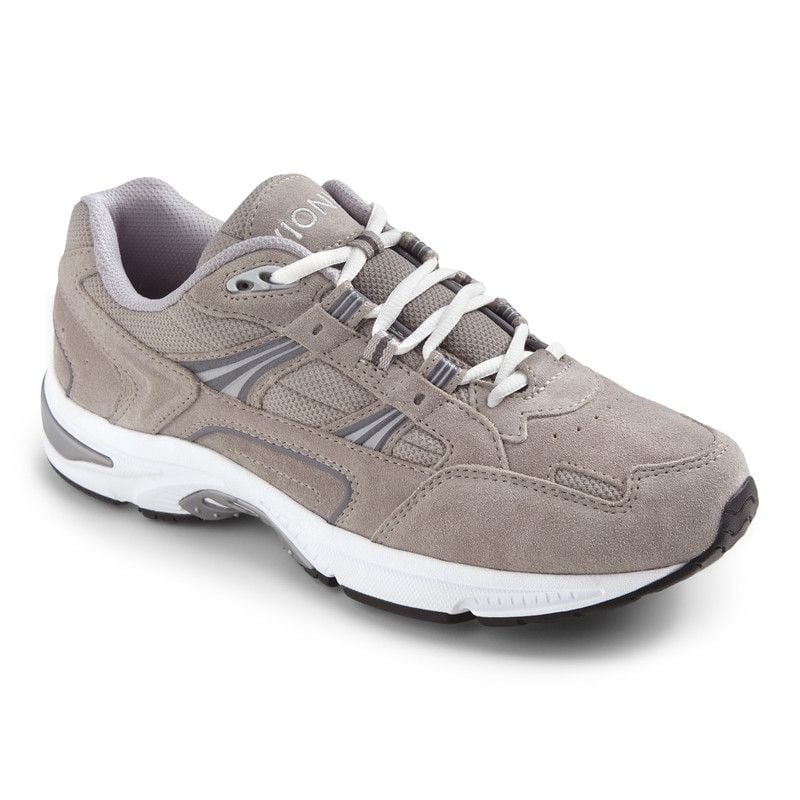
When evaluating footwear, the upfront cost is often a primary consideration. However, a biomechanically engineered walking shoe must be viewed as a long-term investment in your health, not just a seasonal purchase. The construction of a high-quality Vionic walking shoe involves durable, often premium materials—full-grain leather, breathable mesh, and high-density rubber outsoles with strategic flex grooves. The integrated orthotic footbed is designed to retain its supportive properties far longer than a cheap, foam-based insole. From an economic standpoint, consider the cost-per-wear. A $50 shoe that causes discomfort and falls apart in six months is far more expensive than a $150 shoe that provides daily comfort, lasts for years, and potentially saves you hundreds in podiatrist visits, pain relievers, and orthotic inserts. As financial expert and author David Bach discusses in the context of “the latte factor,” reallocating funds from fleeting pleasures to foundational well-being is a cornerstone of smart living. Your feet are your foundation; investing in their support pays dividends in mobility, comfort, and avoided medical expenses. We are committed to bringing this professional knowledge and accessible, discounted prices to our users, ensuring this investment is within reach.
Making the Right Choice: A Guide to Your Perfect Pair
Understanding the “why” is crucial, but so is knowing the “how” to choose. Here is a structured guide to selecting your ideal walking companion. First, know your gait. While many supportive shoes are designed for mild to moderate overpronation (the most common issue), understanding your foot type is key. The simple “wet test”—examining the imprint of your wet foot on a paper bag—can reveal if you have low, neutral, or high arches. Second, prioritize fit over size. Always try shoes on in the afternoon when feet are naturally slightly swollen. There should be a thumb’s width of space between your longest toe and the shoe’s end, and the heel should be snug without slipping. The arch support should feel contacted, not intrusive. Third, consider the terrain. Are you primarily on paved paths, treadmill, or light trails? The outsole grip and upper material should match your environment. Finally, don’t ignore style intuition. If you love how the shoe looks, you’ll wear it more often. Whether it’s a classic knit sneaker for versatility or a sleek leather option for a polished look, let your personal style guide you within the framework of proper support. The goal is to find a shoe you forget you’re wearing—because it simply works.

The narrative around walking shoes has been rewritten. The old dichotomy of comfort versus style is obsolete. Today, we can demand—and receive—footwear that is built on the rigorous principles of podiatric science, crafted with quality materials for longevity, and designed with an eye for contemporary aesthetics. The journey to pain-free, joyful walking begins with a single, well-supported step. It begins with recognizing that your feet are not just transportation; they are the foundation of your physical vitality. By choosing shoes that honor their intricate design, you are not merely buying a product; you are investing in your freedom of movement, your daily comfort, and your long-term well-being. The path forward is clear, supported, and stylish.
