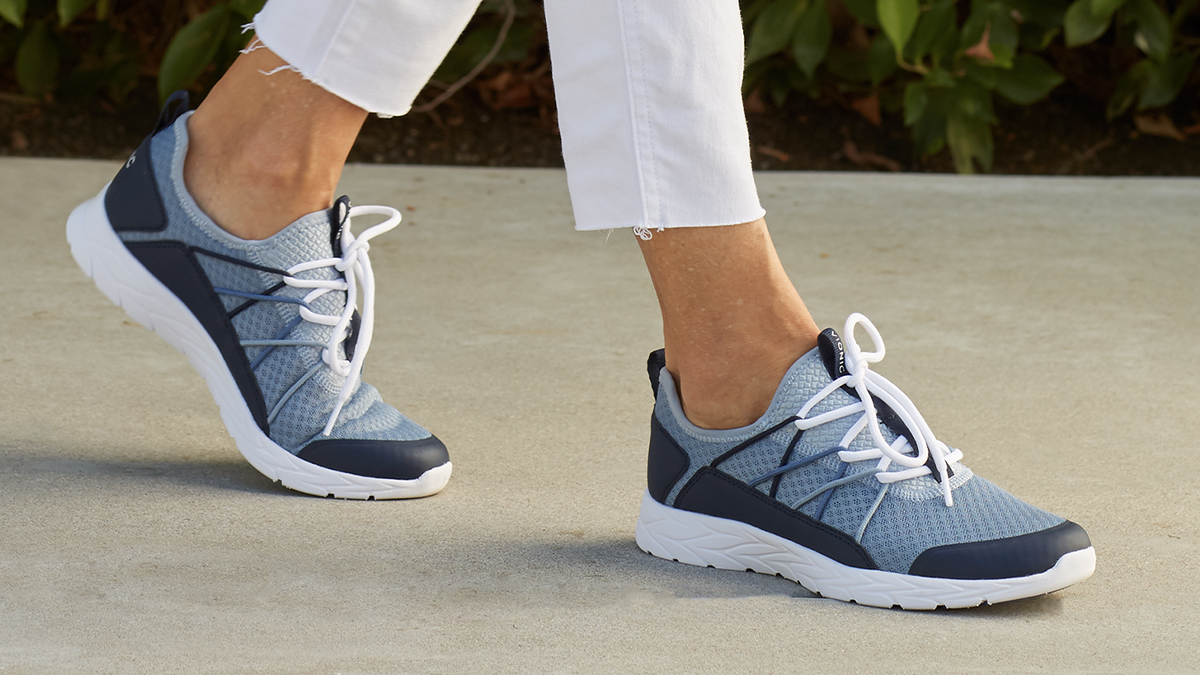
Step Into Comfort and Style with Vionic Walking Shoes
For years, the pursuit of the perfect walking shoe felt like a compromise. It was a choice between clinical-looking footwear that promised support but sacrificed aesthetics, and stylish options that left our feet aching after a few city blocks. This dichotomy has shaped our expectations, leading many to believe that true comfort in footwear is a luxury reserved for the indoors or the gym. However, a significant shift is underway, redefining what we can demand from our everyday shoes. The integration of biomechanical science into contemporary design is proving that support and style are not mutually exclusive. At the forefront of this movement is a specific category of footwear engineered not just for movement, but for the holistic well-being of the foot and, by extension, the entire body. This article explores how modern footwear technology, exemplified by brands like Vionic, bridges this historical gap, transforming the simple act of walking into a foundation for daily vitality and confidence.
The Foundation of Foot Health: Beyond Simple Cushioning
To appreciate the innovation in modern supportive footwear, one must first understand the complex architecture of the human foot. Comprising 26 bones, 33 joints, and over a hundred muscles, tendons, and ligaments, the foot is a marvel of biological engineering. Its primary functions—support, propulsion, and shock absorption—are critical for bipedal locomotion. However, conventional flat-soled or overly soft shoes can disrupt the foot’s natural biomechanics. As noted by the American Podiatric Medical Association, improper footwear can lead to or exacerbate conditions like plantar fasciitis, overpronation, and metatarsalgia. The key to prevention and comfort lies not in enveloping the foot in plush foam alone, but in providing arch support and heel stabilization that mimic the foot’s optimal alignment. This concept is rooted in the principle of proprioception—the body’s ability to sense its position in space. A shoe that guides the foot into a neutral position enhances proprioceptive feedback, leading to more efficient and less stressful movement patterns from the ground up. The Vionic walking shoe is built upon this very principle, integrating podiatrist-designed orthotic support directly into its foundation to promote natural foot function without the bulk or rigidity of traditional medical devices.
Decoding the Technology: What Sets a Biomechanical Shoe Apart?
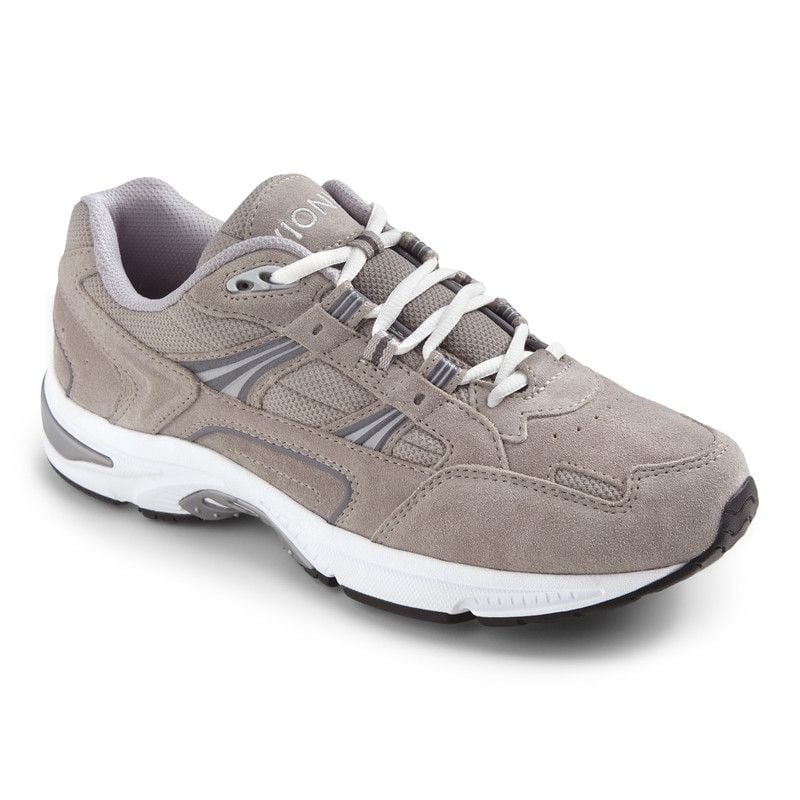
The term “orthotic” often conjures images of rigid, custom-made inserts. In the context of advanced walking shoes, however, it refers to a built-in footbed engineered with precise contours. The core differentiator is the biomechanical footbed. Unlike a flat insole or one with generic, shallow arch molding, a true biomechanical footbed features a deep heel cup, a pronounced arch support, and a strategic forefoot ramp. The deep heel cup cradles the calcaneus (heel bone), minimizing lateral movement and providing a stable base. The arch support is strategically placed to contact the medial longitudinal arch—the foot’s primary shock absorber—preventing it from collapsing inward (overpronation). This alignment is crucial; a study from the University of Virginia’s Motion Analysis Laboratory emphasized that controlling pronation is a primary factor in reducing lower limb stress. Furthermore, the forefoot ramp encourages a smooth heel-to-toe transition, reducing strain on the Achilles tendon and calf muscles. This tri-planar support system is what transforms a shoe from a mere covering into a dynamic partner in movement. When you slip into a Vionic walking shoe, you are not just putting on a shoe; you are engaging a system designed to recalibrate your stride. As renowned physical therapist Dr. Emily Splichal often states on her educational platforms,
“The foot is the interface between the body and the earth. When we optimize that interface with intelligent support, we optimize the entire kinetic chain, from the ankles to the knees, hips, and even the lower back.”
This holistic benefit is the scientific promise embedded within the design.
Style Reimagined: No Longer a Sacrifice
Historically, the market presented a stark choice. On one side were the “ugly comfort” shoes, often characterized by white leather, thick soles, and a distinctly medical aesthetic. On the other were fashion-forward sneakers and flats that prioritized silhouette over substance, leaving the foot’s structural needs unaddressed. The modern consumer refuses this compromise. The rise of “athleisure” and wellness culture has created a demand for products that perform technically while integrating seamlessly into a curated lifestyle. This is where contemporary design meets ergonomic science. Brands have responded by concealing advanced biomechanical technology within sleek, versatile exteriors. You can now find the supportive foundation of a Vionic walking shoe housed in a chic sneaker, a sophisticated loafer, or a versatile sandal. The materials have evolved too—breathable knits, premium leathers, and responsive yet stable midsoles work in concert. This design philosophy echoes a broader trend noted by fashion critics: the democratization of expertise. Just as skincare has moved from purely cosmetic to clinically effective, footwear is undergoing a similar transformation. The shoe is no longer an accessory; it is a tool for sustained well-being, and its design reflects that dual purpose. It signals that the wearer values both self-care and self-expression, understanding that feeling good physically is intrinsically linked to projecting confidence.
The Real-World Impact: From Pain Management to Proactive Wellness
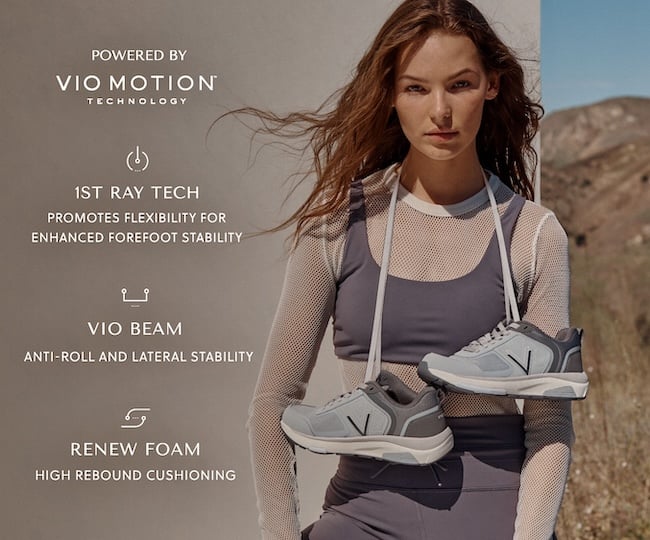
The true test of any innovation is its impact on daily life. For individuals managing chronic foot conditions, the difference can be transformative. Online communities on platforms like Quora and Reddit are filled with testimonials from people who, after years of discomfort, found relief through shoes with proper arch support. One user detailed how switching to biomechanically designed footwear allowed them to resume morning walks, a simple joy that plantar fasciitis had stolen. But the benefits extend far beyond therapeutic intervention. For the active professional who spends hours on their feet, the right shoe can mean the difference between ending the day fatigued and achy versus feeling energized. For the traveler exploring cobblestone streets, it provides the resilience to enjoy the journey without foot fatigue. This proactive approach to foot health aligns with a preventative healthcare model. By supporting the body’s foundation daily, we potentially mitigate future issues in the knees, hips, and back. It’s an investment in long-term mobility. The Vionic walking shoe embodies this proactive ethos. It’s designed not just for those in pain, but for anyone who views their daily activities—whether it’s commuting, shopping, or casual strolling—as an opportunity to move with greater ease and efficiency. The comfort it provides is active, not passive; it enables movement rather than just cushioning against it.
Making an Informed Choice: Features That Matter
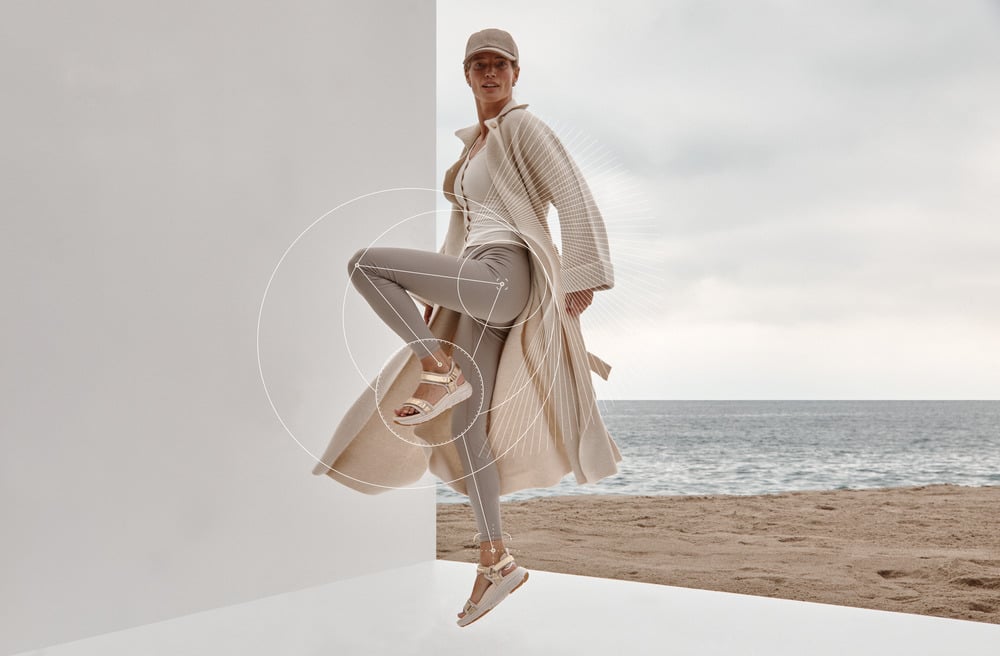
Navigating the world of supportive footwear requires a discerning eye. Not all claims of “comfort” are created equal. When evaluating a shoe like a Vionic walking shoe, focus on these non-negotiable features. First, examine the removable insole. A high-quality, biomechanical footbed should be firm yet contoured, not just soft. You should be able to feel distinct arch support when you press into it. Second, assess heel stability. The back of the shoe (the counter) should be firm to hold your heel in place, preventing slippage and roll. Third, consider flexibility. The shoe should bend easily at the ball of the foot (where your toes meet the metatarsals) but remain rigid in the arch area. This allows for a natural toe-off while maintaining support. Fourth, look for a roomy toe box. Your toes should not feel cramped or squeezed together, allowing them to splay naturally during your stride. Finally, pay attention to the outsole. A durable rubber with strategic tread patterns offers traction and longevity. Understanding these elements empowers you as a consumer. It moves the purchase decision from subjective “feel” to an objective evaluation of design integrity. This knowledge is the bridge between marketing language and tangible, physiological benefit.
Your Next Step: Integrating Support into Your Daily Rhythm
The journey toward more comfortable, health-conscious walking begins with a single, informed step. It involves recognizing that the shoes you wear are not passive items but active participants in your physical well-being. The integration of professional-grade podiatric knowledge into accessible, stylish designs has fundamentally changed the landscape. You no longer need to choose between looking good and feeling good. The technology exists to provide both simultaneously, transforming an everyday necessity into a pillar of a healthy, active lifestyle. By choosing footwear that respects the intricate design of the human foot—such as a well-constructed Vionic walking shoe—you are making a decision that resonates through every step of your day. It is a commitment to moving through the world with greater stability, less fatigue, and inherent confidence. The path to lasting comfort is clearly defined, and it starts from the ground up.