

Elevate Your Outfit with These Chic Pairing Tips
Fashion transcends mere clothing; it is a language of self-expression, a calculated art form where each piece contributes to a narrative. The right pairing can transform an ordinary ensemble into a statement of confidence and sophistication. This guide delves beyond subjective trends, offering a structured, almost scientific approach to building compelling outfits. We will dissect key pairing principles, supported by insights from design theory, cultural commentary, and authoritative voices in the style world. Our journey will equip you with the knowledge to make intentional choices that reflect and enhance your personal aesthetic.
The Foundation: Understanding Color and Silhouette Harmony
The interplay of color and shape forms the bedrock of any successful outfit. Color theory, a concept systematized by pioneers like Johannes Itten at the Bauhaus, provides a objective framework. Itten’s color wheel illustrates relationships between hues: complementary colors (opposites on the wheel) create dynamic contrast, while analogous colors (neighbors on the wheel) offer serene harmony. Applying this, a navy blazer paired with burnt orange accents isn’t just stylish; it’s a direct application of complementary theory, creating visual energy. Silhouette, meanwhile, concerns the overall shape your clothing creates. The golden rule is balance. A voluminous, oversized sweater demands a streamlined bottom—think sleek trousers or a fitted pencil skirt—to avoid a shapeless look. Conversely, a wide-leg palazzo pant is best anchored by a more fitted top. This principle of equilibrium is echoed in the philosophy of iconic designers like Coco Chanel, who famously advocated for removing one accessory before leaving the house, emphasizing clarity of line and form over clutter. Understanding these foundational elements allows you to build outfits with intentionality, where every piece has a defined role in the visual composition.

Strategic Layering: Texture and Proportion as Tools
Once color and silhouette are mastered, layering introduces depth and dimension. This is where texture and proportion become your most powerful tools. Texture refers to the surface quality of fabrics—the nubby weave of tweed, the slick sheen of silk, the rugged feel of leather. Combining contrasting textures, such as a delicate lace camisole under a structured wool blazer, adds tactile interest and complexity to an outfit. Proportion, a concept heavily analyzed in art and architecture, involves the scaling of different layers. The current trend of a long, flowing coat over cropped pants plays with proportion deliberately, creating a modern, elongated line. As fashion historian Valerie Steele of The Museum at the Fashion Institute of Technology notes, fashion is a reaction to its time, and contemporary layering often reflects a desire for both comfort and structured individuality. A practical application? A chunky knit cardigan layered over a satin slip dress combines soft and hard textures while manipulating proportion for a look that is both cozy and elegant. This strategic approach turns simple garments into a curated, multi-dimensional ensemble.
The Power of the Third Piece
The “third piece” rule is a stylist’s secret for elevating a basic outfit of top and bottom. This could be a blazer, a statement scarf, a vest, or a distinctive piece of jewelry. It completes the look, adding a point of view. This concept aligns with the narrative theory in aesthetics, where a third element introduces conflict or resolution, completing a story. In fashion, it provides context. A simple white tee and jeans become a polished outfit with the addition of a tailored leather jacket. The jacket isn’t just warmth; it’s character. Fashion influencer and author Brittany Bathgate often emphasizes this, stating that the third piece is what transitions an outfit from “getting dressed” to “getting styled.” It’s the element that invites a second look, transforming the functional into the fashionable. When selecting your third piece, consider it the accent mark in your sartorial sentence—it defines the tone.
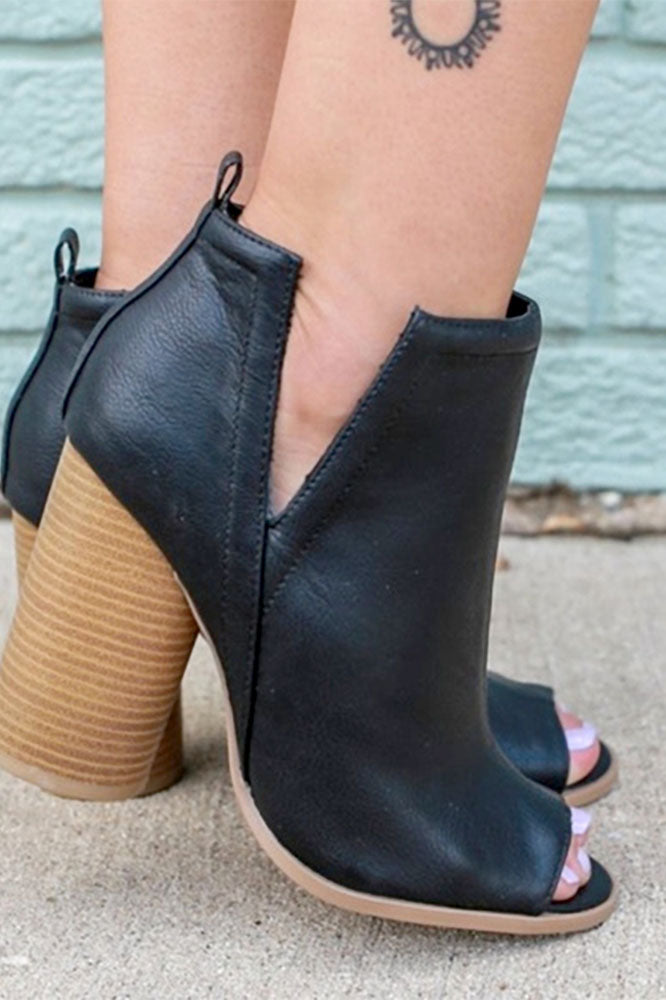
Footwear as a Focal Point: The Statement of Booties Heels
Footwear is far more than a functional afterthought; it is the foundational element that can ground or elevate an entire silhouette. Among the most versatile and powerful options are booties heels. This hybrid category combines the ankle-hugging structure of a boot with the leg-lengthening lift of a heel, creating a unique sartorial tool. From a design perspective, the closed toe and often secured heel of booties heels provide a sense of conclusion and stability to an outfit, allowing for more experimentation with volume on top. Stylist Rachel Zoe has famously declared, “Style is a way to say who you are without having to speak.” Your choice in booties heels—be they a sharp stiletto, a chunky block heel, or an open-toe design—communicates a specific attitude. A pair of sleek black leather booties heels can add an edge to a floral dress, while a suede pair in a neutral tone can soften tailored trousers. The key is to let the shoe converse with the rest of your ensemble. As you build your wardrobe, consider investing in a few high-quality pairs of booties heels; they serve as a reliable anchor, capable of transforming countless outfits from simple to sophisticated.
Integrating Professional Knowledge into Your Wardrobe
Building a chic wardrobe is an exercise in informed curation, not endless acquisition. Professional stylists operate on principles of capsule wardrobes and cost-per-wear. A capsule wardrobe consists of a limited number of interchangeable, high-quality essentials that form the backbone of your style. The goal is to maximize combinations. This is where strategic shopping comes in. Seek out timeless pieces—a perfect blazer, well-tailored trousers, a classic trench—from brands known for their craftsmanship. To make this accessible, always be on the lookout for sales on these investment pieces. Many luxury retailers have major seasonal sales, and premium contemporary brands often offer student discounts or first-purchase promotions. The knowledge here is to buy less, but better. As designer Vivienne Westwood succinctly put it: “Buy less, choose well, make it last.” Applying this professional mindset means your wardrobe becomes a collection of loved, versatile items, each with a high utility value, rather than a closet full of transient trends.

From Day to Night: The Art of the Swift Transition
A truly versatile outfit can adapt to the changing demands of your day. The transition from a professional daytime setting to an evening social event need not involve a complete costume change. The mechanism lies in strategic swaps and additions. Start with a polished daytime base: a tailored dress or a sophisticated top-and-trouser combination. As evening approaches, introduce transformative elements. Swap your comfortable loafers for a pair of striking booties heels—this single change instantly adds allure and height. Layer on statement jewelry: bold earrings or a cuff bracelet. Exchange your structured work tote for a sleek clutch. Consider adding a piece with shimmer, like a metallic belt or a sequined scarf. This method is efficient and intelligent, reflecting a modern approach to dressing where flexibility is key. It’s the embodiment of the philosophy seen in countless fashion films, from The Devil Wears Prada to Crazy Rich Asians, where characters master the art of contextual dressing. Your outfit evolves with your day, maintaining your core style while shifting its expression.
Confidence: The Ultimate Accessory
All the theory, pairing tips, and strategic purchases culminate in one indispensable element: confidence. Fashion psychology suggests that what we wear significantly impacts our cognitive processes, a phenomenon known as “enclothed cognition.” Wearing an outfit you feel is chic and appropriate can genuinely enhance your self-assurance and performance. This isn’t mere anecdote; research from institutions like Northwestern University has explored how clothing affects the wearer’s psychology. Therefore, the most chic pairing of all is your clothing with your own self-belief. When you understand the ‘why’ behind your choices—why this color works, why this silhouette flatters, why these booties heels complete the look—you wear your clothes with authority rather than hesitation. As style icon Iris Apfel, celebrated for her fearless individuality, has stated: “Fashion you can buy, but style you possess. The key to style is learning who you are, which takes years. There’s no how-to road map to style. It’s about self-expression and, above all, attitude.” Your confidence validates your choices and turns a well-constructed outfit into a powerful personal statement.
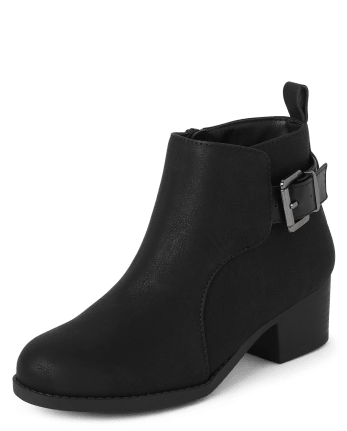
Mastering the art of chic pairing is a continuous journey of observation and experimentation. It begins with foundational principles of color and form, expands through strategic layering and the power of key pieces like booties heels, and is refined through professional knowledge of wardrobe building. The true elevation occurs when these techniques become second nature, allowing your personal style to shine through with clarity and confidence. Your wardrobe becomes a toolkit for self-presentation, ready for any occasion, proving that intentional style is always within reach.
