A Guide to Timeless Elegance and Modern Chic
Elegance is not about being noticed, it’s about being remembered. In a world of fleeting trends, the pursuit of a style that endures—one that seamlessly bridges heritage and contemporary flair—becomes a personal manifesto. This is not merely about clothing; it’s about cultivating an aesthetic sensibility that feels both authentic to the past and vibrantly alive in the present. We navigate this space not by discarding history, but by reinterpreting its codes with a modern eye, building a wardrobe where every piece speaks to a legacy of craftsmanship while resonating with today’s rhythm of life.
The Architecture of Enduring Style: Principles Over Trends
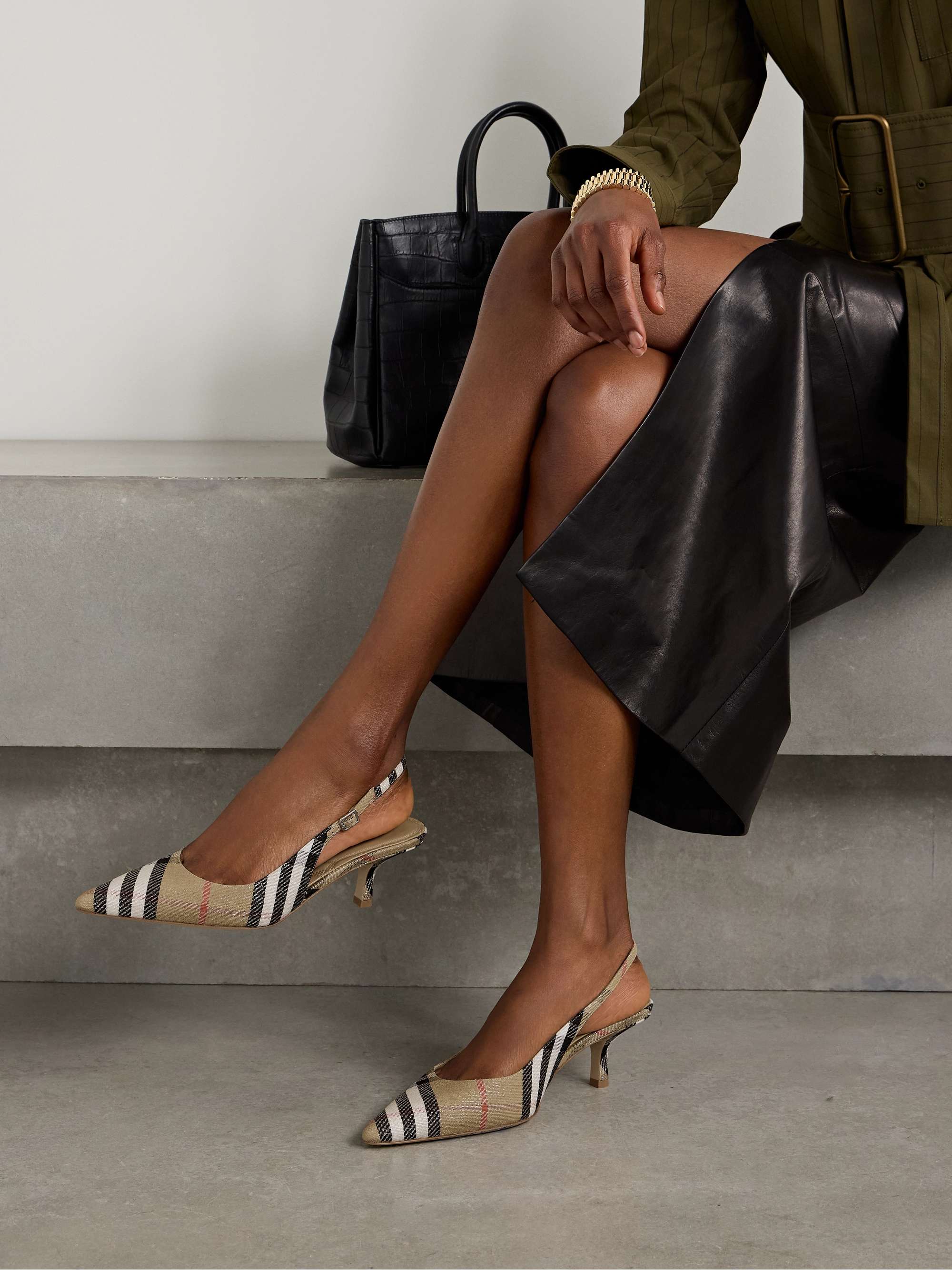
The foundation of timeless elegance rests on principles far more substantial than the seasonal whims of fashion. It is an architecture built on proportion, quality, and a refined color palette. Consider the concept of haute couture as defined by the Fédération de la Haute Couture: it is not just high fashion, but “high dressmaking,” an artistic practice dedicated to custom-made garments of exceptional quality and construction. While most of us don’t wear couture, its ethos—the reverence for material, cut, and fit—informs a timeless approach. This philosophy is echoed by icons like Audrey Hepburn, whose personal style, often distilled to simple silhouettes like the little black dress or perfectly tailored trousers, demonstrated that elegance is the result of elimination, not addition. As fashion historian Dr. Valerie Steele of The Museum at the Fashion Institute of Technology notes, “Classic style often involves a degree of understatement, a focus on line and form rather than on decorative excess.” Modern chic, then, becomes the intelligent application of these principles: a crisp white shirt in a innovative fabric, a tailored blazer with deconstructed shoulders, or a pair of impeccably crafted Burberry heels that anchor an outfit with confident sophistication.

Material Intelligence: The Science of Sensation
To understand why certain pieces feel eternally right, one must delve into the materiality of fashion. This is where objective, scientific explanation meets subjective pleasure. Take natural fibers: wool, silk, cashmere, and high-grade cotton. Their longevity is not an accident. Wool fibers, as explained in textile science literature from institutions like the University of Leeds, have a natural elasticity and crimp that allow them to retain their shape and resist wrinkling. Silk proteins (fibroin and sericin) give the fabric a unique luster and strength-to-weight ratio unmatched by synthetics. When you invest in a cashmere sweater, you’re investing in the hollow hair fibers of the Capra hircus goat, which provide exceptional insulation. This “material intelligence” translates directly to modern chic. A contemporary designer might take this heritage knowledge and apply it to a new context—using high-tech, sustainable wool blends for a sleek coat or engineering silk for easier care. The tactile experience of quality materials—the weight, the drape, the way they interact with light and movement—creates an immediate, non-verbal communication of elegance. It’s the difference between a garment you wear and one that becomes a part of your personal narrative.
Iconic Codes Reimagined: The Trench Coat and Beyond
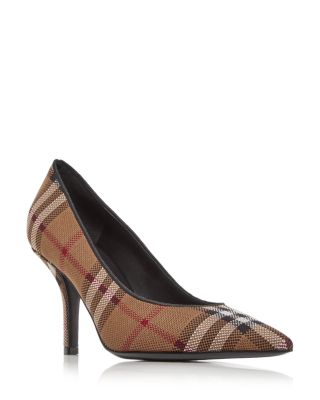
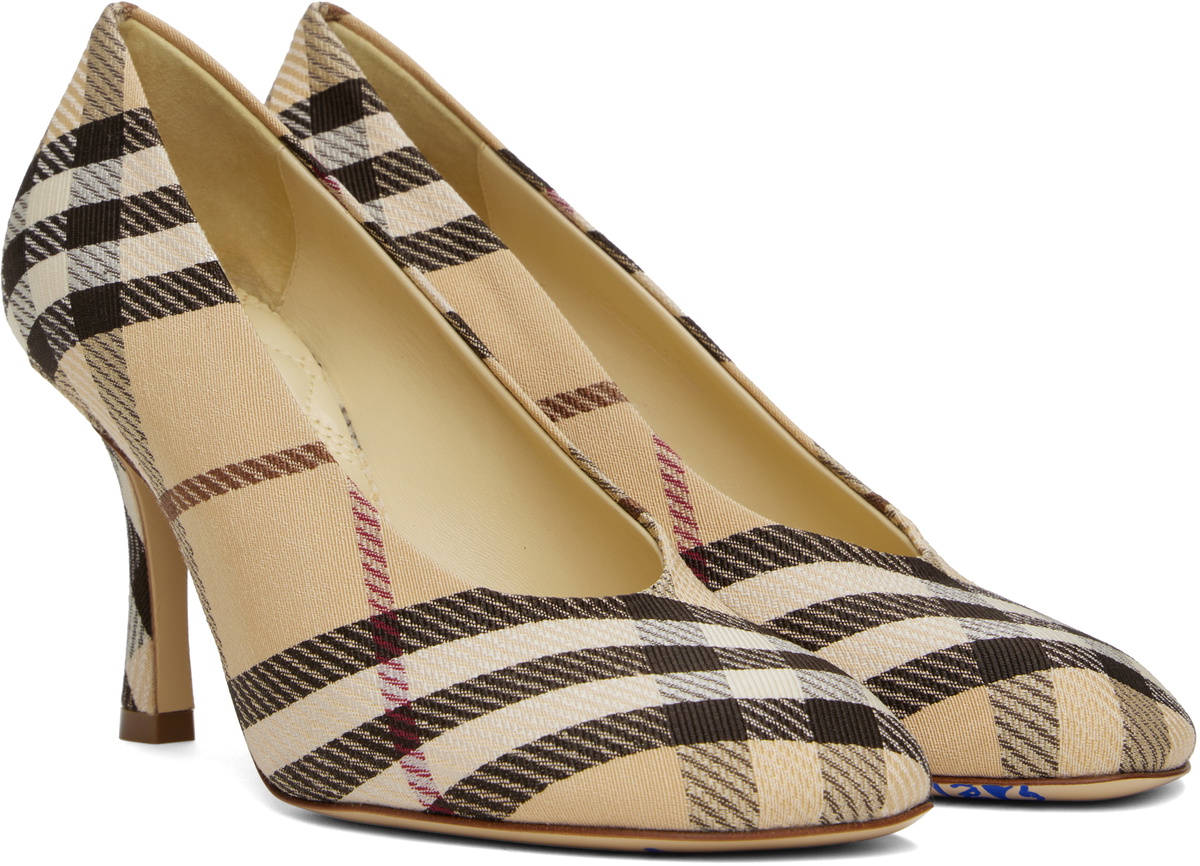
No discussion of timeless elegance evolving into modern chic is complete without examining the archetypal pieces that have made the journey. The trench coat, born from the functional needs of World War I officers, was refined by houses like Burberry into a global symbol of polished style. Its genius lies in its adaptable code: the storm shield, the epaulettes, the D-rings, the check-lined interior. These are not mere decorations; they are historical artifacts repurposed as aesthetic signatures. A modern interpretation might play with these codes—offering the trench in a bold color, a cropped length, or in a technical fabric, yet the underlying architecture remains, ensuring its timelessness. This principle of reimagining iconic codes extends to footwear. A pair of Burberry heels, for instance, can embody this dialogue perfectly. They might incorporate the brand’s iconic check pattern in a subtle, sophisticated way on the insole or heel, while the design itself—a sleek pump or a modern block heel—speaks entirely to the present moment. They are not nostalgic replicas but contemporary objects infused with heritage DNA.
The Power of the Third Person: Cultivating an Objective Wardrobe
One of the most effective strategies for achieving timeless elegance is to occasionally view your style from the perspective of a discerning third person. This is not about insecurity, but about curation. Ask yourself: “What does this ensemble communicate without a single word being spoken?” This objective lens helps filter out impulsive purchases driven by micro-trends and focuses on cohesion, proportion, and authenticity. It encourages the assembly of a “capsule wardrobe,” a concept popularized by style thinkers like Susie Faux and later Donna Karan, which consists of a limited number of essential, interchangeable items of high quality. From this solid foundation, modern chic emerges through strategic accents—a piece of avant-garde jewelry, a bag with an unusual texture, or those statement Burberry heels that elevate a simple dress and blazer combination. The third-person perspective also aligns with the philosophical view of dress as a form of non-verbal rhetoric, a concept explored in sociological texts, where clothing is seen as a tool for constructing and communicating identity within a social context.
Cinematic and Literary Inspiration: Style as Character
Our understanding of timeless elegance is often shaped and solidified by cultural narratives. Film and literature provide a rich repository of style that transcends its era. Consider the effortless chic of Catherine Deneuve in Belle de Jour (1967), where her tailored suits and structured handbags spoke of a cool, enigmatic poise. Or the enduring influence of Diane Keaton’s androgynous, layered look in Annie Hall (1977), which reframed menswear as intellectually sexy feminine style. In literature, the descriptions of attire in F. Scott Fitzgerald’s The Great Gatsby capture the luxurious elegance of the Jazz Age, while the minimalist precision of Haruki Murakami’s characters often reflects a modern, cerebral chic. These are not costumes, but extensions of character. They teach us that true style is integral, not applied. When you slip on a well-cut coat or a pair of elegant Burberry heels, you are, in a sense, tapping into this lineage of character-driven aesthetics. You are not copying a look, but channeling the confidence and intentionality it represents.
The Modern Synthesis: Where Your Journey Begins
The synthesis of timeless elegance and modern chic is ultimately a personal alchemy. It is the marriage of learned principles—quality, cut, iconic codes—with your individual spirit and the demands of contemporary life. It acknowledges the wisdom in Coco Chanel’s famous admonition that “fashion fades, only style remains the same,” while also embracing the dynamic innovation of today’s designers. This approach brings not just aesthetic satisfaction but practical wisdom. It is the professional knowledge that leads to smarter investments: buying fewer, but better things. It understands that a full-price, perfectly crafted item worn for a decade offers far greater value—both financially and sartorially—than a dozen discounted, trend-driven pieces that lose their appeal in a season. The confidence that comes from this knowledge is the ultimate accessory, more valuable than any label.
Thus, the pursuit of this style is an ongoing conversation between permanence and change, between the collective memory of fashion and your personal present. It begins with a single, conscious choice: to value integrity over imitation, substance over spectacle. It might start with the foundational trench, the perfect white shirt, or a pair of definitive Burberry heels that feel both rooted and radically now. From that point, you build, edit, and express, creating a style narrative that is uniquely and authentically yours—a narrative designed not just to be seen, but to endure.