

Your Ultimate Guide to Stylish and Comfortable Everyday Footwear
Let’s move beyond the false choice between style and comfort. The modern pursuit is for footwear that embodies both, seamlessly integrating into a dynamic life without compromise. This guide is dedicated to unraveling the science and art behind finding that perfect pair, the one that supports you from dawn till dusk. We’ll dissect the anatomy of a great shoe, explore the critical balance between aesthetics and ergonomics, and provide you with the knowledge to make informed choices that benefit your posture, your stride, and your personal style. Forget generic advice; we’re building a foundation based on biomechanics, material science, and design principles, referencing expert insights to empower your decisions.
The Foundation: Understanding What Makes a Shoe Work for You
Before admiring a shoe’s silhouette, we must appreciate its engineering. A proper walking shoe is not merely a covering for the foot; it is a complex system designed to manage impact, provide stability, and facilitate the natural gait cycle. According to research from the American Podiatric Medical Association, the average person takes between 5,000 and 7,000 steps per day, with each step generating forces up to 1.5 times your body weight. This relentless impact is absorbed primarily by the feet, ankles, knees, and spine. The primary function of a well-designed walking shoe is to mitigate this shock. The midsole, often made from EVA (ethylene-vinyl acetate) foam, polyurethane, or proprietary compounds like Nike’s Air or ASICS’ GEL, is the heart of this cushioning system. A study published in the Journal of Foot and Ankle Research highlights how midsole material density and geometry directly influence pressure distribution under the foot, a key factor in preventing overuse injuries. Furthermore, the heel counter—the firm cup at the back of the shoe—must be sturdy to control heel motion and prevent excessive pronation (inward roll) or supination (outward roll), which are common culprits for discomfort. When you slip on a shoe, these are the unseen elements working tirelessly to protect your musculoskeletal system.
:max_bytes(150000):strip_icc()/vwt-asics-womens-gel-pulse-16-jinfeng-chen-21-712f0f140e834b84b3a8dcf0bf154771.jpeg)
Arch Support and Last Design: The Blueprint of Comfort
One size does not fit all, and this is profoundly true for footwear due to the vast variation in foot arches—neutral, low (flat feet), or high. The “last” is the three-dimensional mold around which a shoe is constructed, and its shape determines the shoe’s fundamental fit. A curved last typically accommodates a higher arch, while a straighter last suits a flatter foot. Ignoring your arch type can lead to a cascade of issues. As noted by Dr. James Ioli, Chief of Podiatry at Brigham and Women’s Hospital, improper arch support can strain the plantar fascia ligament, leading to plantar fasciitis, a common and painful inflammatory condition. Therefore, identifying your arch type (a simple “wet test” at home can reveal this) is the first step toward selecting a compatible walking shoe. Many reputable brands now offer models specifically designed for different arch profiles and gait patterns, a practice rooted in podiatric science. The insole or sock liner is also crucial; while many are generic, those with contoured arch support or made from memory foam can significantly enhance comfort by cradling the foot’s unique topography and dispersing pressure more evenly across the sole.
The Style Equation: Where Aesthetics Meet Function
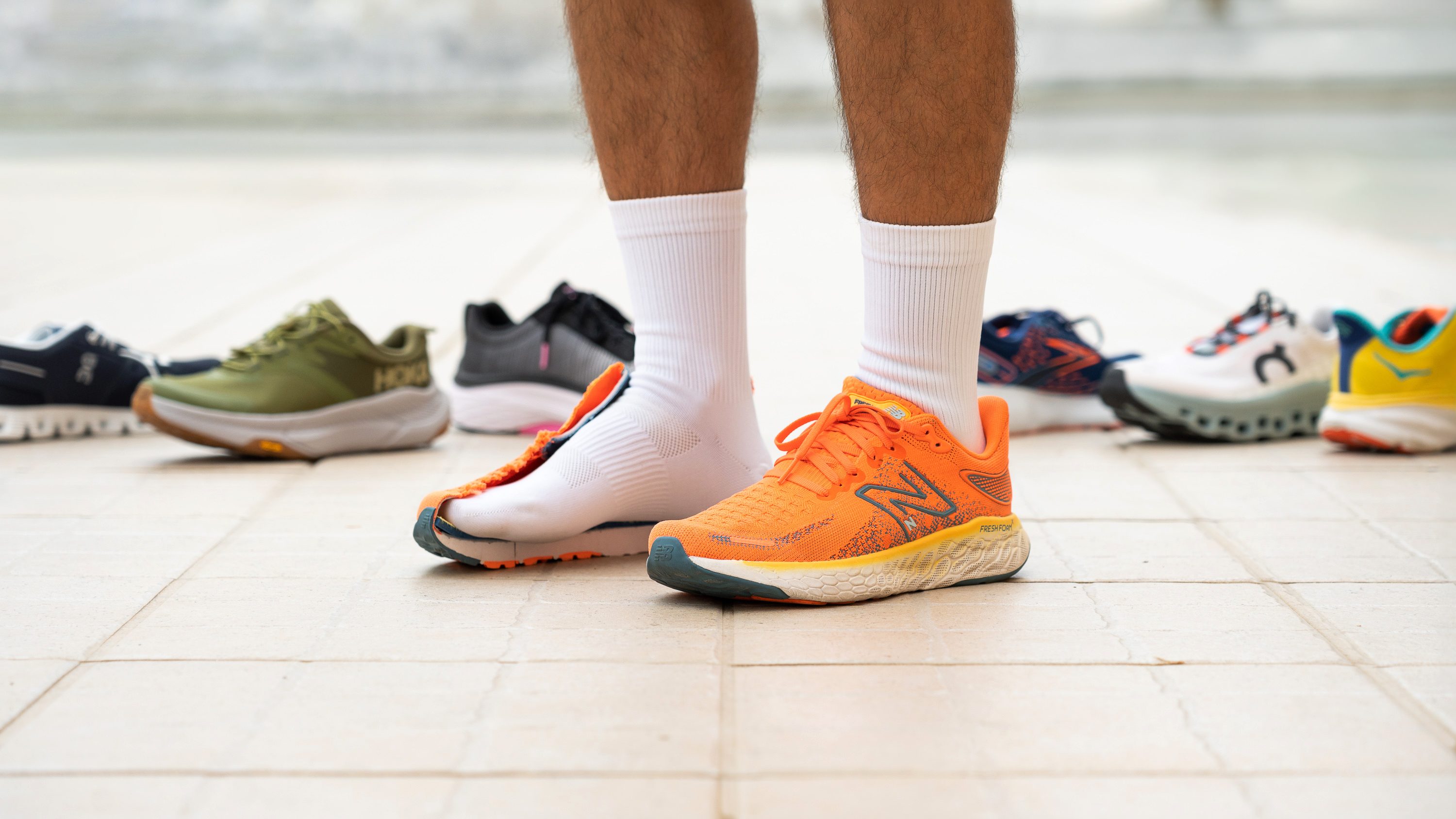
Function is paramount, but form holds undeniable power in self-expression. The great news is that the era of clunky, purely utilitarian shoes is over. Designers and engineers are now collaborating to create footwear that meets biomechanical standards without sacrificing visual appeal. The key is to look for stylistic elements that complement, rather than contradict, functional features. For instance, a sleek, low-profile midsole made from advanced, lightweight foams can offer ample cushioning while maintaining a modern, minimalist aesthetic. The upper materials have also evolved; engineered knits and meshes provide breathability and a sock-like fit that moves with the foot, available in a spectrum of colors and textures. Consider the philosophy of renowned designer Tinker Hatfield, who famously stated, “Design and function should work together.” This principle is evident in many contemporary lifestyle and athleisure models, where seamless overlays add structure for support while creating visually compelling lines. Your ideal walking shoe should be one you’re eager to wear, a piece that transitions effortlessly from a morning errand to a casual lunch, proving that conscientious design does not have to be invisible.
Material Matters: Breathability, Durability, and Sustainability
The composition of a shoe’s upper and lining is a critical yet often overlooked aspect of all-day comfort. Breathability is essential for temperature and moisture management. Materials like open-engineered mesh allow for constant air circulation, preventing heat buildup and reducing the risk of blisters and fungal infections. Leather, while often less breathable, offers durability and a distinct aesthetic that molds to the foot over time. However, the industry is witnessing a significant shift toward sustainable materials. Brands are increasingly utilizing recycled polyester from plastic bottles, organic cotton, and even plant-based alternatives like pineapple leaf fiber (Piñatex) or mushroom-based leather. This shift isn’t just marketing; it’s a response to growing consumer awareness and the environmental impact of footwear production. As environmental activist and designer Stella McCartney advocates, “It’s no longer just about what a product looks like, but what it’s made of and the story behind it.” Choosing a shoe made with considered materials means investing in your comfort while also making a choice that aligns with a broader ethos of responsibility—a powerful combination of personal and planetary well-being.
The Investment: Knowing When to Start Anew
A common mistake is holding onto footwear long past its functional expiration date. The cushioning and support systems in a walking shoe degrade with use, not just time. The general consensus among podiatrists and fitness experts, including recommendations from the American Council on Exercise, is to replace walking shoes every 300 to 500 miles. For the average daily walker, this translates to roughly every six to nine months. Visual inspection for worn-out treads or creased midsoles is helpful, but the degradation often happens internally before it’s visible. A more reliable indicator is how your body feels. The onset of new, unexplained aches in your feet, shins, knees, or lower back can be a direct signal that your shoes have lost their protective capacity. Think of it not as an expense, but as a non-negotiable investment in your long-term mobility and pain-free movement. Proactively replacing worn footwear is one of the simplest and most effective forms of preventative healthcare for an active individual.
:max_bytes(150000):strip_icc()/when-should-i-replace-my-walking-shoes-3436325-0801-7a1840d83573471092e0380f9e230ecc.jpg)
Smart Acquisition: Finding Value in Quality
High-quality footwear is an investment, but savvy shopping strategies can make excellent options more accessible. First, prioritize fit over brand name. Always try shoes on in the afternoon or evening when feet are naturally slightly swollen, and wear the socks you intend to pair them with. There should be about a thumb’s width of space between your longest toe and the end of the shoe. To find value, consider shopping previous seasons’ models. When a brand releases a new version of a popular shoe, retailers often discount the outgoing model significantly. The technological improvements between sequential models are often incremental, making the older version a tremendous value. Additionally, subscribe to newsletters from reputable athletic and footwear retailers to get alerts on sales and clearance events. As financial expert and author Ramit Sethi often advises on smart spending, “Spend extravagantly on the things you love, and cut costs mercilessly on the things you don’t.” For daily footwear that you rely on, it’s worth allocating your budget wisely to acquire the best tool for the job, using discounts and timing to your advantage without compromising on the essential features that protect your feet.
The journey to finding your perfect everyday footwear ends with a simple realization: the best shoe is the one you forget you’re wearing. It disappears, allowing you to move through your day with confidence, supported by unseen engineering and expressed through considered design. By applying the principles of biomechanics, understanding material properties, and making informed choices about fit and value, you equip yourself with more than just shoes—you gain a reliable foundation for an active, stylish, and comfortable life. Let this knowledge guide your next step, and walk forward knowing that every detail from the ground up has been considered.
