

The Versatile Shoe That Elevates Every Outfit
In the ever-evolving landscape of fashion, where trends flicker and fade with the seasons, there exists a rare and powerful constant: the ability of a single, perfectly chosen item to transcend the noise and become a foundational pillar of personal style. This is not about fleeting novelty or ostentatious branding; it is about strategic, intelligent design that serves the wearer. Today, we turn our focus to an unsung hero of the wardrobe, a piece whose chromatic depth and structural elegance offer unparalleled service: the chocolate brown heels. This is an exploration of why this specific hue in a heel is not merely an accessory, but a transformative tool for sartorial confidence and versatility.
The Chromatic Psychology and Historical Weight of Brown
To understand the power of the chocolate brown heels, one must first appreciate the color itself. Brown, often mischaracterized as mundane, is in fact one of the most complex and grounding colors in the spectrum. Scientifically, it is a low-light tint of orange, often associated with the earth, wood, and stability. In color psychology, as referenced in numerous design textbooks and resources from institutions like the Pantone Color Institute, brown evokes feelings of reliability, resilience, warmth, and approachability. It lacks the starkness of black or the tentative nature of pastels, occupying a space of sophisticated neutrality. Historically, brown has a rich narrative. In her book “The Secret Lives of Color,” Kassia St. Clair details how, for centuries, brown pigments from umber and ochre were staples in art, but in fashion, it was often seen as the color of the working class until the 20th century. Its elevation to high fashion is a relatively modern phenomenon, championed by designers who saw its potential for understated luxury. A pair of chocolate brown heels carries this legacy—it is both earthy and elegant, humble and powerful, making it psychologically compatible with a wider range of contexts than a more severe or playful color might be.
Versatility in Practice: The Unmatched Styling Spectrum
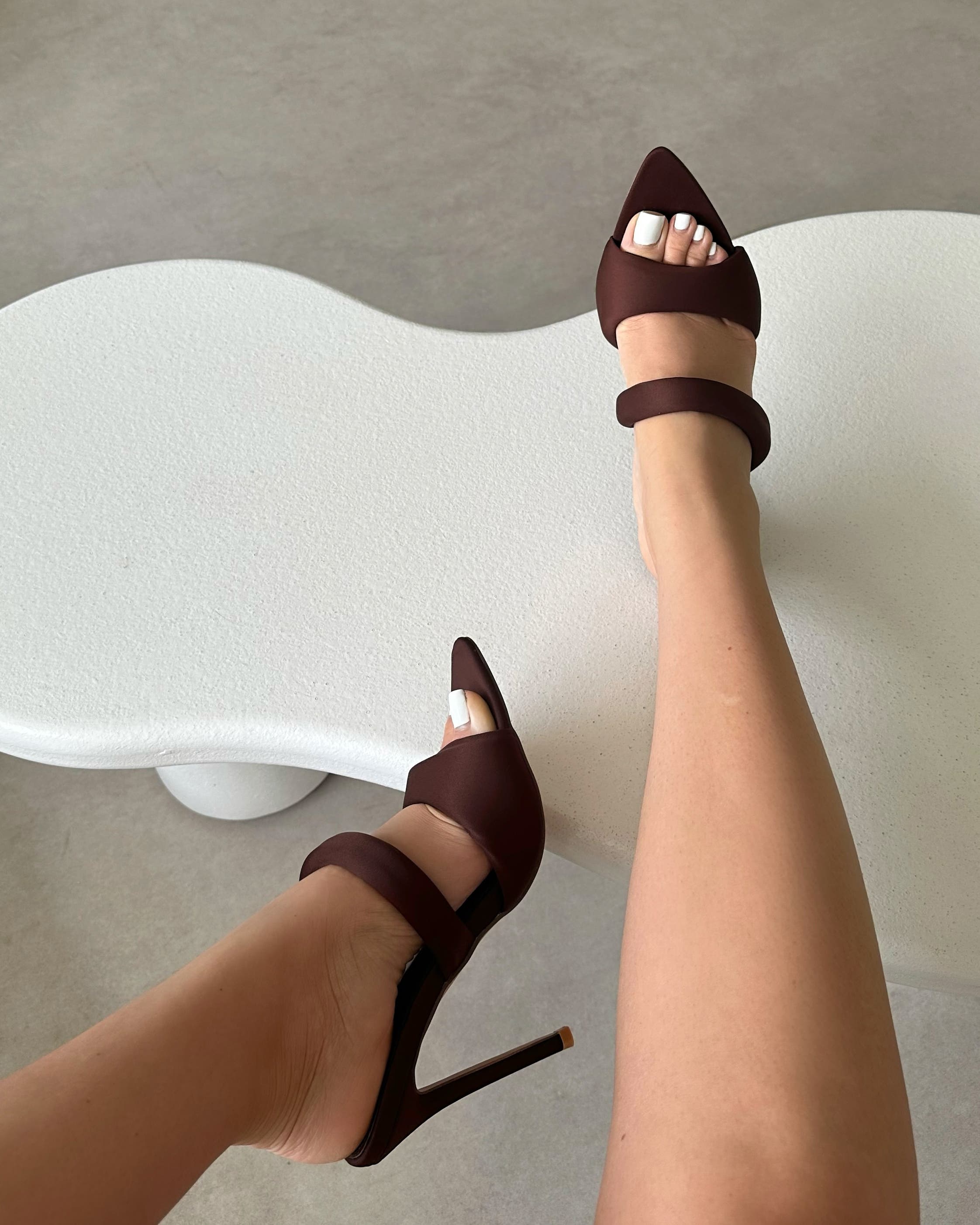
The primary argument for the chocolate brown heels as a wardrobe cornerstone lies in its chameleonic versatility. Let us dissect this across several style archetypes. For the professional, navigating the nuanced dress codes of modern workplaces, a sleek pump in this hue is a masterstroke. It pairs seamlessly with navy, grey, black, and beige suiting, offering a softer, more creative alternative to black without sacrificing authority. As fashion director Nina Garcia once stated in her rules, “Heels are a non-negotiable for a powerful silhouette,” and choosing brown is a subtle signal of confident individuality. For casual or weekend wear, imagine a block-heeled ankle boot or a strappy sandal in chocolate brown. It grounds floaty summer dresses, adds structure to denim, and complements autumnal palettes of cream, olive, and burgundy with innate harmony. It avoids the potential harshness of black against light washes or soft fabrics. In evening scenarios, a satin or patent chocolate brown heels with a metallic accent can be profoundly chic. It provides a rich, unexpected backdrop for silks and satins, proving that glamour need not be synonymous with only black or metallics. This cross-contextual fluidity is its superpower. You are not buying a shoe for one outfit; you are investing in a stylistic catalyst for dozens.

The Structural and Aesthetic Superiority
Beyond color, the design intelligence of a well-crafted heel in this shade is paramount. From an ergonomic perspective, a mid-height heel—often around 70mm—provides elevation and posture benefits without the punishing geometry of a stiletto, a point frequently emphasized by podiatrists and footwear designers in industry literature. The chocolate brown color further enhances the shoe’s aesthetic architecture. It visually “shortens” the foot compared to a stark white or nude, creating a cleaner line from leg to toe, especially when paired with tights or bare skin in similar tonal ranges. This creates an illusion of elongation and refinement. Furthermore, as any student of design from schools like Parsons or FIT would learn, brown has a unique ability to highlight texture. The same style of shoe in chocolate brown heels will tell a different story in suede (soft, rustic), patent leather (modern, bold), or smooth calfskin (classic, polished). This textural dialogue with your clothing adds a layer of sophistication that flat colors often miss. It is a shoe that engages with the entire ensemble, not merely sits below it.
Authoritative Voices and Cultural Testaments
The merit of the chocolate brown shoe is not a subjective whim; it is echoed by style authorities across media. On her YouTube channel, renowned stylist Allison Bornstein consistently advocates for “third piece” dressing and neutral anchors, of which a brown shoe is a prime example. She demonstrates how it ties disparate pieces together, creating a cohesive “quiet luxury” look. On platforms like Quora and in fashion forums, the question “most versatile shoe color after black?” frequently yields “rich brown” as the top answer from seasoned style enthusiasts, citing its year-round wearability. Even in cinematic and literary culture, the brown shoe signifies a specific, grounded elegance. Think of the iconic, well-worn boots of adventurers or the polished brown Oxfords of a discerning gentleman in classic films—they speak of experience and understated taste. This collective endorsement underscores a fundamental truth: versatility rooted in sophisticated neutrality is a timeless principle, not a trend.
“Fashion is about something that comes from within you. The best items in your wardrobe are those that feel like an extension of yourself—reliable, adaptable, and inherently ‘you.’ A great neutral shoe, like a beautiful brown heel, is the bedrock of that feeling.”

An Investment in Style Economics
Let us address the practical calculus of wardrobe building. Fast fashion promotes a model of quantity over quality, leading to closets full of items worn once. The intelligent alternative is the strategic acquisition of high-quality, versatile pieces. A superbly crafted pair of chocolate brown heels, perhaps from a brand like Simmi that focuses on both design and comfort, represents a high cost-per-wear value. By integrating them across professional, casual, and semi-formal contexts, their utility skyrockets, amortizing the initial investment over countless wears. This is sustainable fashion in a personal sense—buying better, wearing more. Furthermore, the current market offers accessible entry points. For instance, exploring end-of-season sales or direct-to-consumer brands can yield premium quality at a fraction of the traditional retail price, bringing this cornerstone piece within reach. It is an investment that pays dividends in daily confidence and stylistic cohesion.
The Final Step: Embracing a Wardrobe Philosophy
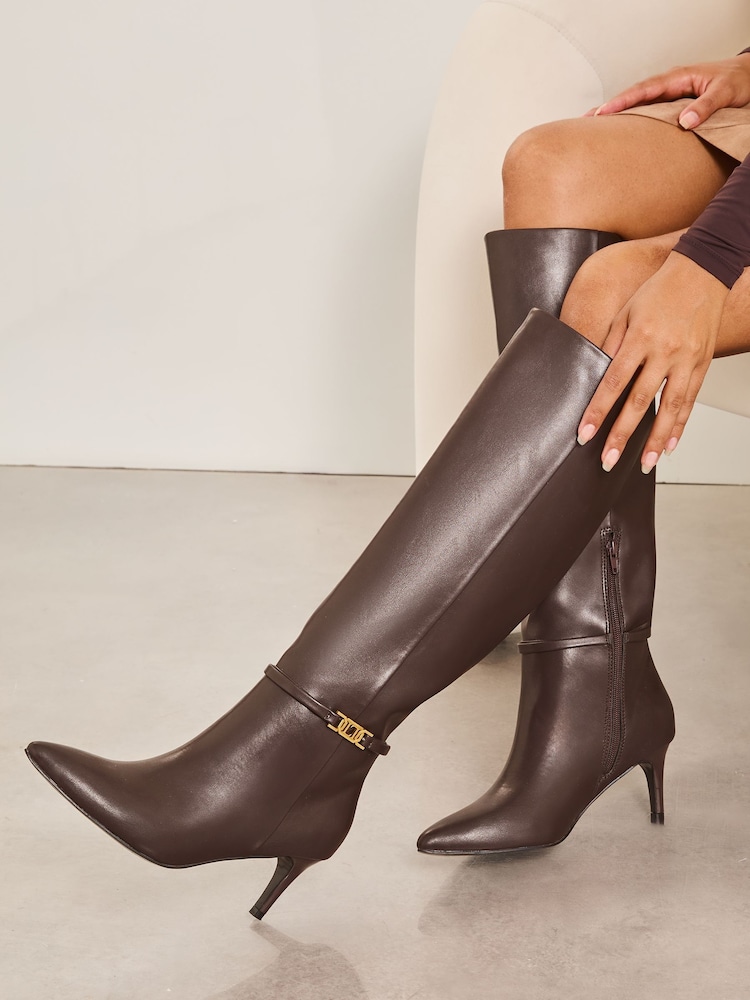
The journey through color theory, styling application, structural design, and authoritative endorsement leads us to a singular, inescapable conclusion. The chocolate brown heels is more than footwear; it is a philosophy of dressing. It champions versatility over novelty, sophistication over flash, and intelligent investment over impulsive consumption. It is the piece that waits patiently in your closet, ready to elevate the simple jeans and t-shirt, to complete the important presentation suit, to add the perfect finishing touch to the evening dress. It asks for nothing but offers everything: a longer leg line, a grounded yet elegant aura, and the quiet confidence that comes from knowing your choice is both aesthetically sound and pragmatically brilliant. In a world of endless choice, it simplifies. It is the versatile shoe that doesn’t just match an outfit—it systematically elevates every outfit it meets.
