

The Ultimate Guide to Vionic Walking Shoes for All-Day Support
For anyone who spends a significant portion of their day on their feet, the quest for the perfect shoe is more than a shopping trip—it’s a pursuit of well-being. The wrong footwear can transform a simple walk into a cascade of discomfort, impacting not just your feet but your knees, hips, and back. This is where the science of biomechanics meets everyday life, and few brands have championed this intersection as deliberately as Vionic. The Vionic walking shoe isn’t merely an accessory; it’s a tool engineered for sustained physical support. This guide delves into the objective reasons why these shoes have garnered a dedicated following, moving beyond marketing claims to explore the anatomical principles, professional endorsements, and user experiences that define them. We’ll dissect the technology, present the evidence, and provide you with the knowledge to make an informed decision for your foundational health.
The Foundation of Foot Health: Understanding Biomechanics and Support
To appreciate what sets a Vionic walking shoe apart, one must first understand the basic biomechanics of the human foot. The foot is a complex structure of 26 bones, 33 joints, and over 100 muscles, tendons, and ligaments. Its primary functions are to absorb shock, provide balance, and propel the body forward. However, modern lifestyles—characterized by hard, flat surfaces and often inadequate footwear—can lead to the collapse of the foot’s natural arch. This condition, known as overpronation, is a primary contributor to plantar fasciitis, heel spurs, and general foot fatigue. According to research from institutions like the American Podiatric Medical Association (APMA), proper arch support is not a luxury but a necessity for maintaining alignment from the ground up. Vionic’s core technology is built upon this principle. Their signature orthotic footbed is not a generic cushion; it’s a biomechanically designed insert that mimics the contours of a healthy foot, cradling the arch and stabilizing the heel. This design is rooted in the work of podiatrists and aims to restore natural gait cycle, a fact often cited in professional reviews on platforms like Verywell Fit and Runner’s World. The goal is to prevent the internal rotation of the ankle and tibia, thereby reducing stress on the entire kinetic chain.

Deconstructing the Vionic Technology: More Than Just an Insole
The term “orthotic” is frequently used in footwear, but Vionic’s approach is distinct and certified. Many brands offer plush memory foam that feels comfortable initially but compresses over time, offering diminishing support. Vionic employs a three-zone comfort system that is clinically proven. Zone 1 is the deep heel cup, which positions the heel to absorb impact efficiently. Zone 2 is the arch support, which is precisely calibrated to different foot types (often available in multiple levels of support). Zone 3 is the forefoot platform, designed to provide a stable base for toe-off. This system is integrated into the shoe’s construction, not merely slipped in as an afterthought. The materials are also chosen for durability and resilience. Furthermore, the APMA has granted its Seal of Acceptance to many Vionic styles, a significant endorsement that signifies the product’s contribution to foot health. This seal is only awarded after a rigorous review by a committee of podiatrists, providing an objective, scientific validation of the brand’s claims. It’s this combination of patented design and third-party certification that elevates the Vionic walking shoe from a comfortable option to a therapeutic device for daily wear.
Voices of Validation: From Medical Professionals to Everyday Users
Objective evidence extends beyond laboratory specs into real-world application. The acclaim for Vionic comes from a diverse chorus of voices. On professional platforms like Quora and specialized health forums, podiatrists and physical therapists frequently recommend Vionic as a frontline, non-invasive intervention for patients with mild to moderate foot ailments. Celebrity endorsements, while common, take on more weight when the figures have a documented history of foot issues. For instance, actress and dancer Julianne Hough has spoken openly about her reliance on supportive footwear, mentioning brands like Vionic in interviews for their role in her physical maintenance. On social media platforms like YouTube, certified pedorthists and chiropractors have created detailed review videos, often comparing the biomechanical benefits of Vionic against other “comfort” brands. One such reviewer, Dr. Andrew Schneider, a practicing podiatrist, stated in a video analysis:
“What I appreciate about Vionic is that their support is built into the last of the shoe. It’s not just a removable insole. This means the entire shoe is constructed around the principle of proper alignment, which is far more effective for long-term wear.”
This sentiment is echoed in countless user testimonials on retail sites, where individuals with plantar fasciitis, nurses working 12-hour shifts, and teachers who are constantly on their feet report transformative reductions in pain and fatigue after switching to a Vionic walking shoe. This convergence of expert opinion and mass user experience forms a compelling body of evidence.

A Style Revolution: Proving Support Doesn’t Mean Sacrifice
Historically, orthopedic or highly supportive shoes were synonymous with clunky, unattractive designs. Vionic has played a pivotal role in shattering this stereotype. Their design philosophy explicitly marries function with contemporary fashion. Whether it’s a sleek sneaker, a professional loafer, or a versatile sandal, the biomechanical technology is seamlessly integrated. This is crucial because compliance is a major factor in therapeutic efficacy. A shoe that is effective but never worn is useless. By offering styles that align with current trends—from minimalist knit uppers to classic leather designs—Vionic removes the barrier of aesthetic compromise. Fashion magazines like Who What Wear and Elle have featured Vionic styles in editorials focused on “comfort-core” or “wellness fashion,” highlighting their wearability. This broad appeal demonstrates that taking care of your body’s mechanics can be a integrated, even stylish, part of modern life, not a separate, clinical chore. The Vionic walking shoe you choose for a long day of travel can be the same pair you confidently wear to a casual lunch.

Investment Versus Cost: Analyzing Long-Term Value and Smart Acquisition
It’s undeniable that Vionic shoes often carry a higher initial price point than mass-market footwear. However, a purely economic analysis must consider total cost of ownership and value derived. A cheaper shoe that leads to foot pain may result in hundreds of dollars in co-pays for doctor visits, physical therapy, orthotics, and pain management. In contrast, a Vionic walking shoe is an investment in preventative health. The construction quality also plays a role; with proper care, these shoes maintain their structural support far longer than shoes whose cushioning breaks down after a few months. For the budget-conscious consumer, knowledge is power. Vionic and its authorized retailers frequently offer seasonal sales, especially during holiday weekends and change-of-season periods. Signing up for newsletters directly from the Vionic website often yields a first-purchase discount. Furthermore, outlet sections on their site and authorized sellers on platforms like Amazon sometimes offer past-season colors or styles at significantly reduced prices. The key is to view the purchase not as a simple apparel buy, but as a capital investment in your mobility and comfort, with strategic shopping making it more accessible.
Making Your Choice: A Practical Roadmap
With an understanding of the why, the how of choosing your pair becomes straightforward. First, identify your primary activity. Is it for standing all day at work, brisk fitness walking, or casual everyday errands? Vionic categorizes its styles accordingly. Second, consider your fit. Their shoes often come in wide widths, and many users advise that allowing for a brief break-in period for the foot to adapt to the pronounced arch support is normal. Third, leverage the return policies. Reputable sellers offer trial periods—use them. Walk on different surfaces at home. Finally, listen to your body. The right pair should feel supportive, not punishing. The arch should feel contacted and held, not crushed. The relief from all-day support isn’t an abstract promise; it’s a tangible sensation of stability that begins the moment you take your first step and persists until your last.
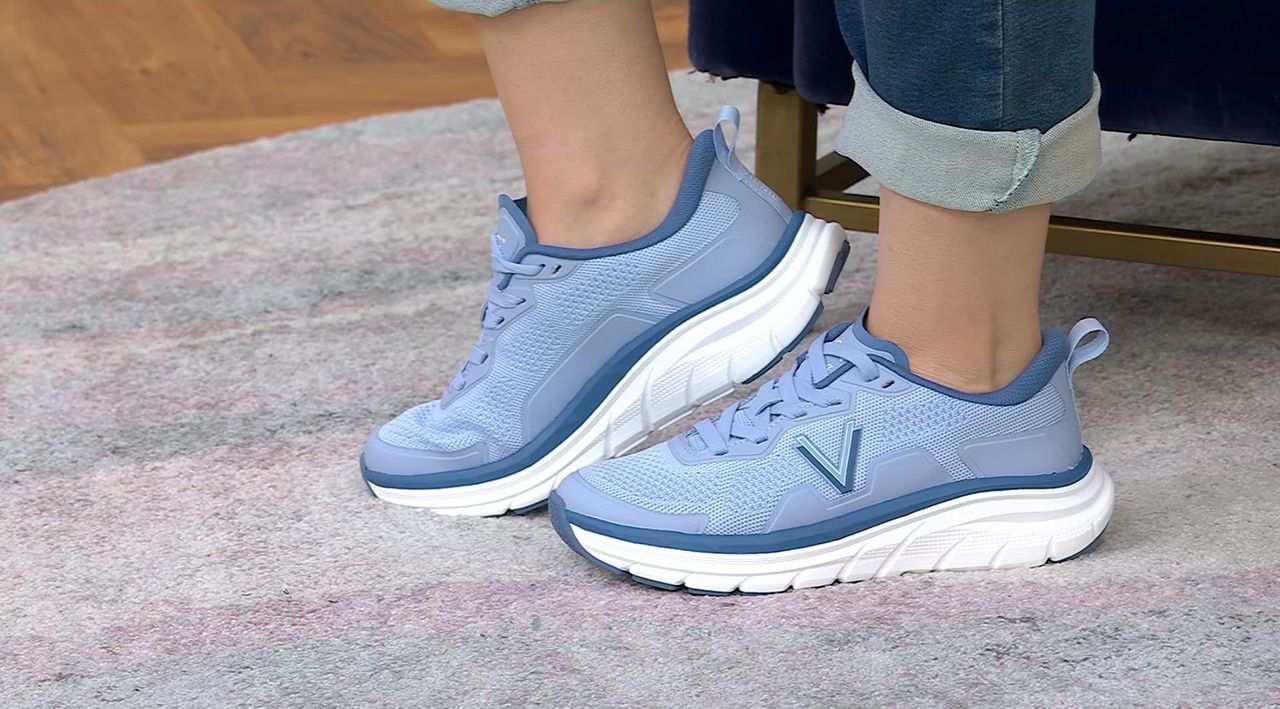
The journey to pain-free movement doesn’t require radical intervention; often, it begins from the ground up. The evidence—from podiatric science to widespread user testimony—converges on the importance of intentional, biomechanical support. A Vionic walking shoe represents a synthesis of this evidence, packaged into a form that fits seamlessly into daily life. It is a deliberate choice to prioritize the foundation of your body’s movement. By understanding the technology, recognizing the validations, and shopping strategically, you equip yourself not just with footwear, but with a fundamental tool for sustained vitality and comfort through all of life’s strides.
