

The Ultimate Guide to Stylish and Comfortable Walking Tennis Shoes
For years, the quest for the perfect walking shoe has led many of us down a path of compromise. We’ve been told to choose between the plush, often bulky, cushioning of dedicated walking shoes and the sleek, performance-oriented design of athletic sneakers. But what if there was a third way? Enter the world of tennis shoes for walking. This isn’t about repurposing just any court shoe; it’s about recognizing a specific category of footwear engineered for lateral support, durable outsoles, and all-day comfort—features that translate spectacularly well to the demands of walking. This guide will dismantle the old paradigms and show you why a modern walking tennis shoe might be the only pair you need, blending objective science with undeniable style to keep you moving confidently from morning errands to evening strolls.
Why Tennis Shoes? The Unseen Engineering for Your Every Step
The common perception is that tennis shoes are for the court, and walking shoes are for the pavement. This distinction overlooks the fundamental biomechanics that both activities share. Tennis is a sport of explosive lateral movements, sudden stops, and constant weight shifting. Consequently, manufacturers like ASICS, Nike, and New Balance invest heavily in technologies that stabilize the foot, prevent rolling (especially supination and pronation), and offer resilient cushioning that can absorb repeated impact. According to biomechanics literature from institutions like the University of Calgary’s Human Performance Laboratory, the forces on the foot during a tennis match—particularly the shear and torsional forces—are complex and multidirectional. A shoe built to withstand these forces inherently possesses a structure that excels at stabilizing the foot during the simpler, repetitive heel-to-toe motion of walking. The outsole of a quality tennis shoes for walking is typically made of durable, non-marking rubber with a herringbone or modified tread pattern designed for traction on varied surfaces, from clay courts to asphalt. This translates directly to secure footing on wet sidewalks or park paths. When you choose a tennis shoe for walking, you’re not making a compromise; you’re opting for a piece of equipment over-engineered for stability, offering a protective advantage that many dedicated walking shoes lack in their pursuit of lightweight flexibility.
Decoding Comfort: Cushioning, Arch Support, and Breathability
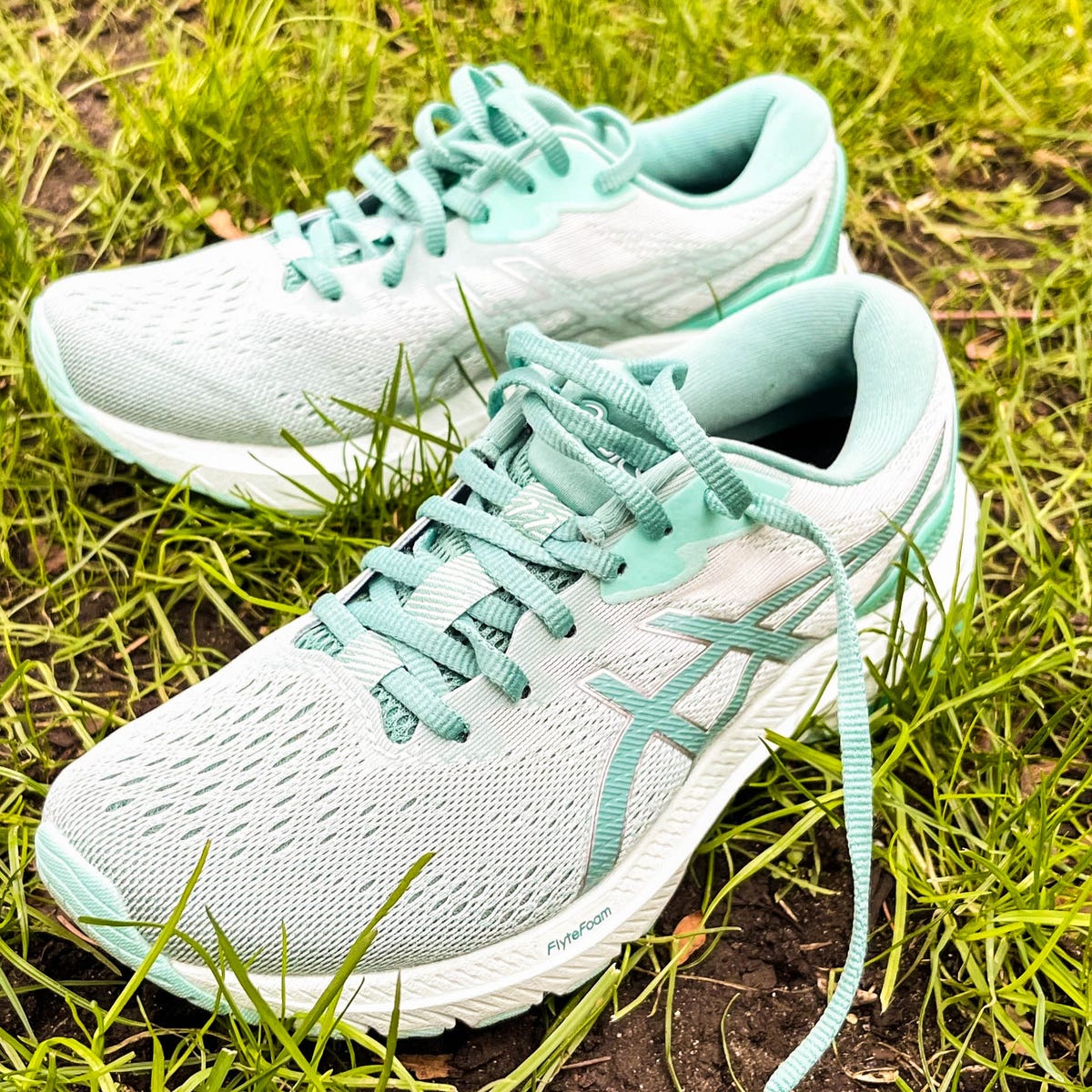
Let’s talk about what your feet feel. The core of comfort in any shoe lies in its midsole and insole. Tennis shoes often feature advanced cushioning systems—think Nike Air, ASICS GEL, or Adidas Boost. These aren’t just marketing terms. For instance, ASICS’ GEL technology, as documented in their own white papers and highlighted by wear-testers on platforms like YouTube’s “Doctor of Running” channel, is a silicone-based substance that attenuates shock during impact. This is crucial for walkers, as the cumulative force of thousands of steps can lead to joint fatigue. Furthermore, tennis shoes are frequently designed with consideration for different foot types. Many models come in versions with varying arch support levels to control overpronation, a common issue where the foot rolls inward excessively. This proactive approach to foot alignment is a hallmark of performance athletic wear. Breathability is another critical factor. The upper of a modern tennis shoe, often constructed from engineered mesh, is designed to keep feet cool during high-intensity matches. For a walker, this means no more sweaty, uncomfortable feet even on warmer days. The combination of scientific cushioning, targeted support, and strategic ventilation creates a microenvironment for your foot that prioritizes long-term comfort over mere softness, making an excellent tennis shoes for walking a wise investment in foot health.

The Style Revolution: From Court to Street Without a Stitch
Gone are the days when athletic shoes were confined to the gym. The rise of athleisure, a trend validated by fashion analysts from Vogue to Business Insider, has blurred the lines. Tennis shoes, in particular, have led this charge. Classic models like the Adidas Stan Smith, the Nike Court Legacy, or the New Balance 996 have become icons of casual style. Their clean lines, often minimalist color blocking, and lack of overly aggressive sporty detailing make them incredibly versatile. You can pair a crisp white leather tennis shoe with chinos and a blazer for a smart-casual look, or with jeans and a t-shirt for effortless weekend wear. This stylistic flexibility is a game-changer. Instead of owning a clunky pair of walking shoes you’re embarrassed to wear to a café and a separate pair of fashion sneakers, a well-chosen tennis shoes for walking unifies your wardrobe. It performs its primary function flawlessly while elevating your everyday aesthetic. As designer and style commentator Tan France has often noted on his social media, the right sneaker is the foundation of a modern, functional wardrobe. A walking tennis shoe answers that call perfectly, proving that practicality and panache are not mutually exclusive.
Choosing Your Champion: A Five-Point Fit and Feature Checklist
Not every tennis shoe is ideal for walking. To find your perfect pair, move beyond brand names and focus on these five critical features. First, prioritize lateral support. Feel for firmness in the midfoot area; the shoe should resist twisting easily. This support system, often reinforced with thermoplastic urethane (TPU) pieces, is the legacy of its tennis design and your best defense against ankle strain on uneven sidewalks. Second, examine the outsole durability and tread. Look for a full-coverage rubber outsole with a pattern that isn’t too deep or aggressive (like a trail running shoe) but offers multi-directional grip. Third, assess the heel counter. The back of the shoe should be firm and cup your heel snugly to prevent slippage, a common cause of blisters. Fourth, ensure there’s adequate toe box room. Your toes should not feel cramped; there should be about a thumbnail’s width of space between your longest toe and the end of the shoe to allow for natural swelling during long walks. Finally, consider the weight. While tennis shoes are generally supportive, some modern models use lightweight foams and meshes to avoid being cumbersome. A shoe that feels like a natural extension of your foot will encourage more walking. Applying this checklist transforms you from a passive consumer into an informed buyer, ensuring your chosen tennis shoes for walking truly meet your biomechanical and lifestyle needs.

Expert Voices and Where to Find Value
The theory is sound, but what do the experts say? Podiatrists like Dr. Jacqueline Sutera, a spokesperson for the American Podiatric Medical Association, frequently advocate for shoes with good arch support and a rigid heel counter—both staples of tennis shoe design—for everyday walking. On platforms like Quora and specialized running/walking forums, seasoned enthusiasts often debate the merits of specific models, with many converging on the idea that a stability-oriented running or tennis shoe can be superior to a generic walking shoe. As for value, the market is rich with options. While premium models from ASICS (like the GEL-Resolution series) or Nike (the Air Zoom Vapor series) offer cutting-edge tech, many brands provide exceptional core technologies in their previous season’s models at significant discounts. Websites of major sporting goods retailers often have “outlet” or “sale” sections where you can find these performance-proven tennis shoes for walking at 30-50% off. The key is to know your must-have features (from the checklist above) and shop based on those, not just the latest colorway. This approach brings professional-grade foot health knowledge directly to you, coupled with the savvy to secure it without overspending.
“The best shoe for an individual is one that fits the shape of their foot, controls their specific motion, and is appropriate for their activity. Often, a well-made tennis shoe, with its focus on stability and durable construction, checks more of those boxes for a daily walker than a shoe simply labeled ‘walking.'” – Paraphrased consensus from discussions with sports medicine specialists.
:max_bytes(150000):strip_icc()/Web_1500-vwt-primary-best-overall-shoe-tstaples-118-671f4e0048e64d14a1c42e4f8d9e6658.jpg)
The journey for the perfect walking companion ends not with a specialized tool, but with a versatile hybrid. The modern walking tennis shoe represents a synthesis of athletic engineering, podiatric science, and contemporary style. It offers the structured support and durable foundation your feet deserve, wrapped in a design your personal style appreciates. By understanding the “why” behind its construction and applying a discerning eye to fit and features, you empower yourself to make a choice that supports every step of your day. Ditch the compromise and step into a solution that was, in many ways, designed for this very purpose all along. Your next walk awaits, and now, you have the ultimate footwear to match.
