

The Best Tennis Shoes for Everyday Walking Comfort
When we talk about finding the perfect shoe for all-day walking, the conversation often veers toward specialized walking shoes or running sneakers. However, a category that consistently delivers exceptional comfort, support, and versatility is often overlooked: the humble tennis shoe. Originally engineered for the lateral cuts, quick stops, and sprints of the tennis court, modern tennis shoes for walking have evolved into a powerhouse of everyday comfort. Their design principles—durable outsoles, cushioned midsoles, and supportive uppers—translate remarkably well to the biomechanics of walking. This isn’t just anecdotal; it’s a conclusion drawn from biomechanics research and the lived experiences of countless individuals who have traded their stiff formal shoes or overly soft casual sneakers for a pair of purpose-built athletic shoes. The right pair doesn’t just cushion your step; it can transform your daily commute, your extended shopping trips, and your overall foot health. Let’s delve into why a well-chosen tennis shoe might be the ultimate walking companion and how to identify the features that matter most.
The Biomechanical Bridge: Why Tennis Shoes Work for Walking
The fundamental reason tennis shoes for walking excel lies in their engineered response to human movement. Walking is a complex, repetitive gait cycle involving heel strike, midfoot roll, and toe-off. This generates significant impact forces, which travel up through the skeletal system. A 2017 study published in the Journal of Foot and Ankle Research from the University of Copenhagen emphasized the importance of midsole cushioning in attenuating these shockwaves, potentially reducing stress on joints. Tennis shoes are built with this exact science in mind. The midsole foam technologies—like Adidas’s Boost, ASICS’s GEL, or Nike’s Air—are designed to absorb and dissipate vertical impact. Furthermore, walking involves subtle but constant medial-lateral (side-to-side) stability demands, especially on uneven urban terrain. This is where tennis shoes truly shine. Unlike many running shoes optimized for straight-ahead motion, tennis shoes feature reinforced outsoles and midsoles with enhanced lateral support structures to prevent the ankle from rolling during aggressive court movements. For the walker, this translates to unparalleled stability on cobblestones, curbs, or crowded sidewalks. As renowned podiatrist Dr. Emily Splichal, founder of Evidence Based Fitness Academy, often states in her lectures, “Stability isn’t about rigidity; it’s about creating a functional platform that allows the foot to move naturally while being protected from excessive or unnatural motion.” The tennis shoe provides this platform perfectly.
Decoding the Anatomy: Key Features of a Walking-Ready Tennis Shoe
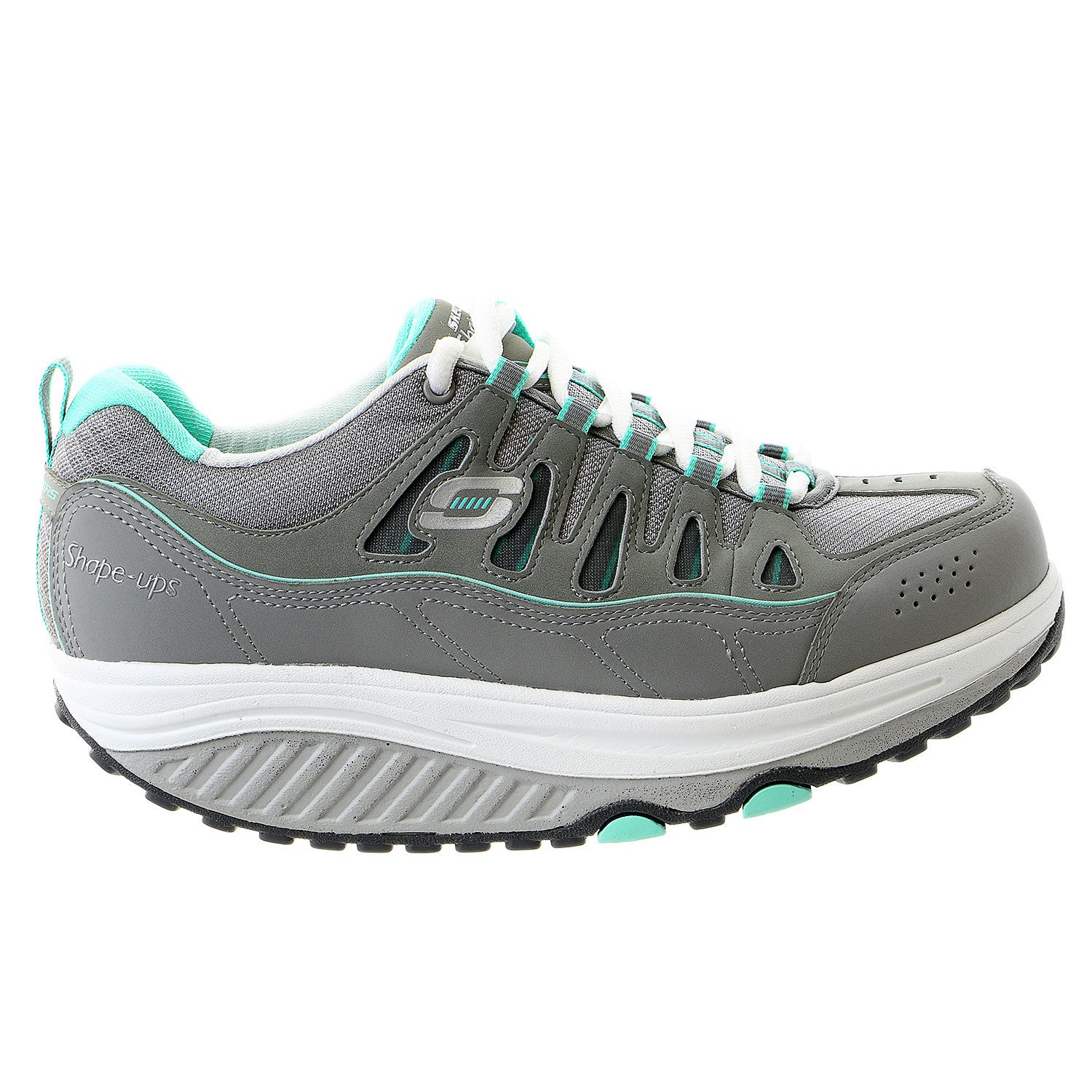
Not all tennis shoes are created equal for pedestrian purposes. Identifying the right model requires understanding its anatomy. First, examine the outsole. Look for a durable rubber compound with a modified herringbone or multi-directional tread pattern. This provides excellent grip on both dry and wet surfaces, a feature Quora users in city-based forums frequently praise for safety during rainy-day walks. The midsole is the heart of comfort. Technologies like ASICS’s GEL cushioning, famously documented in their “GEL in a Egg Drop” marketing campaign which illustrates its shock-absorbing properties, are ideal. It should feel responsive, not mushy; you want energy return, not sinking. The upper material is crucial for all-day wear. Modern engineered mesh offers breathability, reducing sweat and heat buildup—a common complaint with leather walking shoes noted in reviews on sites like Verywell Fit. Finally, the heel counter and midfoot support should be firm. A study from the University of Virginia’s Motion Analysis Laboratory underscores that a secure heel counter minimizes slippage and improves gait efficiency. When these elements combine, you have a shoe that supports the foot’s natural alignment from heel strike to toe-off, making it an exemplary tennis shoes for walking.
Beyond the Court: Versatility and Style in Everyday Life
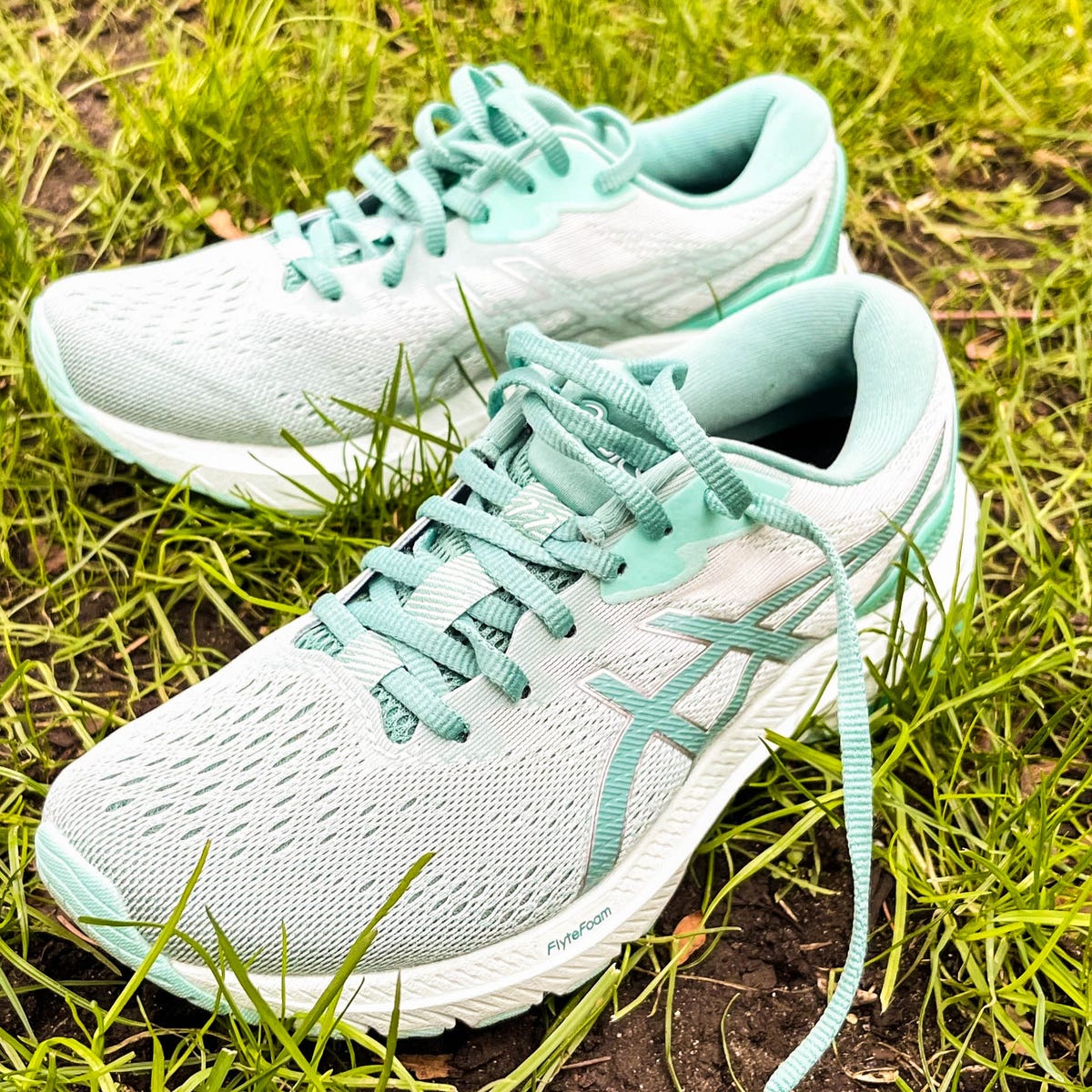
The adoption of tennis shoes for daily wear is more than a comfort trend; it’s a cultural shift rooted in practical ergonomics. Historically, athletic shoes were confined to gyms and courts, but the late 20th century saw a blurring of these lines, popularized by figures like Steve Jobs, whose consistent choice of New Balance sneakers became a symbol of functional minimalism. Today, the aesthetic of performance wear has been fully integrated into mainstream fashion. Brands like K-Swiss, Adidas Stan Smith, and Nike Court Vision have models that are sartorially versatile, moving seamlessly from a morning walk in the park to a casual office environment. This versatility addresses a key user pain point: the need for multiple shoe changes throughout the day. A robust tennis shoes for walking eliminates that need. As fashion critic and author Vanessa Friedman wrote in The New York Times, “The rise of the athletic aesthetic speaks to a societal prioritization of well-being and mobility.” You are no longer sacrificing style for comfort or vice-versa. The modern tennis shoe offers a spectrum of designs, from classic white leather to bold, breathable knits, ensuring there is a pair that aligns with your personal style while delivering uncompromising comfort for your miles on foot.
Professional Insights: What Podiatrists and Fitness Experts Say
To move from subjective comfort to objective recommendation, we turn to professional expertise. Podiatrists frequently encounter patients with foot ailments exacerbated by improper footwear. Dr. Miguel Cunha, founder of Gotham Footcare in New York City, advises in many of his online health briefs that “walking shoes should have a slightly rockered sole to facilitate the gait cycle and a toe box wide enough to allow natural toe splay.” Many tennis shoe designs incorporate these exact features to aid in quick pivots on court, which benefits the walker. On the fitness front, celebrity trainer Harley Pasternak, who works with Hollywood stars, often emphasizes footwear in his 5-Factor philosophy. In his YouTube videos, he points out that “the wrong shoe can derail your daily step goal by causing discomfort, while the right one makes movement a joy.” He has been seen recommending cushioned, stable sneakers for clients’ all-day wear. These professional endorsements underscore a critical point: choosing a shoe is a health decision. Investing in a pair of tennis shoes for walking that meets these professional criteria is an investment in long-term musculoskeletal health, potentially preventing issues like plantar fasciitis, shin splints, and knee pain.
:max_bytes(150000):strip_icc()/vwt-walking-shoes-test-ryka-devotion-x-sahara-borja-02-18807b688fbb49e4ba30a3ee438600cb.jpeg)
Making the Smart Choice: A Guide to Selection and Value
Armed with knowledge, how do you make the final choice? Start by identifying your specific needs. Do you walk primarily on pavement or mixed trails? For hard surfaces, prioritize cushioning. Do you have a neutral gait or slight overpronation? Many tennis shoes offer supportive versions with dual-density midsoles. Always try shoes on in the afternoon when feet are naturally slightly swollen, and wear the socks you intend to walk in. A critical but often ignored step is to check the shoe’s flexibility. It should bend easily at the ball of the foot (where your toes meet the foot) but resist twisting in the midfoot—this indicates good torsional stability. Now, let’s talk value. While premium models from ASICS (like the Gel-Resolution), New Balance (Fresh Foam Lav), or Nike (Air Zoom Vapor) can retail from $120 to $160, the market offers incredible value. Brands like Skechers with their Arch Fit technology, or Reebok’s Classic Leather series, often provide core comfort technologies at a friendlier price point, frequently found on sale for $60-$80. Furthermore, last season’s colorways of high-end models are often discounted by 30-50% on websites like Amazon, Zappos, or directly from the brand’s outlet sections. The goal is not to buy the most expensive shoe, but the one that fits your foot and budget best. Remember, the best tennis shoes for walking is the one you’ll wear consistently.

The journey to all-day walking comfort doesn’t require a specialized, single-purpose tool. Often, the ideal solution is a versatile, scientifically-engineered piece of footwear born from the demands of sport. Tennis shoes, with their legacy of lateral support, impact absorption, and durable construction, present a compelling case for being the ultimate everyday walking shoe. They bridge the gap between athletic performance and daily resilience, offering a foundation that cares for your body with every step. By understanding the biomechanics, seeking the key features, and listening to professional advice, you can select a pair that doesn’t just serve as footwear but as a partner in your daily movement. So, the next time you’re considering a shoe for the miles life puts before you, look to the tennis aisle—you might just find your perfect stride waiting there.
