

The Best Tennis Shoes for All-Day Walking Comfort
When you think of a shoe that can carry you through miles of urban exploration or a full day on your feet, the humble tennis shoe might not be the first style that comes to mind. Yet, the modern evolution of this athletic footwear has positioned it as a secret weapon for unparalleled walking comfort. The right pair of tennis shoes for walking blends court-born stability with cushioning engineered for forward motion, creating a hybrid that outperforms many dedicated walking shoes. This isn’t about repurposing old sports gear; it’s about recognizing a category of footwear that has been refined through decades of biomechanical research to offer support, resilience, and comfort in a way few other shoes can. The journey to finding that perfect pair is less about following trends and more about understanding the marriage of form, function, and science that turns a simple shoe into a foundation for all-day vitality.
The Anatomy of Comfort: Why Tennis Shoes Excel for Walking
To comprehend why a tennis shoe can be an ideal companion for walkers, we must dissect its core design philosophy. Unlike running shoes, which are optimized for heel-to-toe linear motion and impact absorption, or casual sneakers, which often prioritize style over substance, tennis shoes are built for multi-directional stability. A tennis player performs lateral cuts, quick stops, and explosive forward bursts. Consequently, shoe manufacturers like ASICS, New Balance, and Nike engineer their tennis models with a wider base, reinforced sidewalls (known as the “upper”), and substantial heel counters to prevent rollover. This inherent stability is a boon for walkers, as it provides a secure platform that minimizes ankle strain over uneven sidewalks or long periods of standing. The cushioning systems, such as Nike’s Air units or Adidas’s Boost foam, while responsive for court impact, are equally effective at dissipating the repetitive, lower-impact force of walking. Dr. Casey Kerrigan, a former professor of physical medicine and rehabilitation at Harvard, has published research in the “Journal of Preventive Medicine” suggesting that overly cushioned shoes can actually increase joint loading. The balanced, firm-yet-responsive midsole found in many performance tennis shoes for walking offers a “Goldilocks” zone of cushioning—not too soft, not too hard—that promotes a more natural gait cycle. This scientific approach to footwear biomechanics transforms the tennis shoe from a niche sports item into a versatile tool for daily ambulation.

Key Features to Hunt For: Beyond the Label
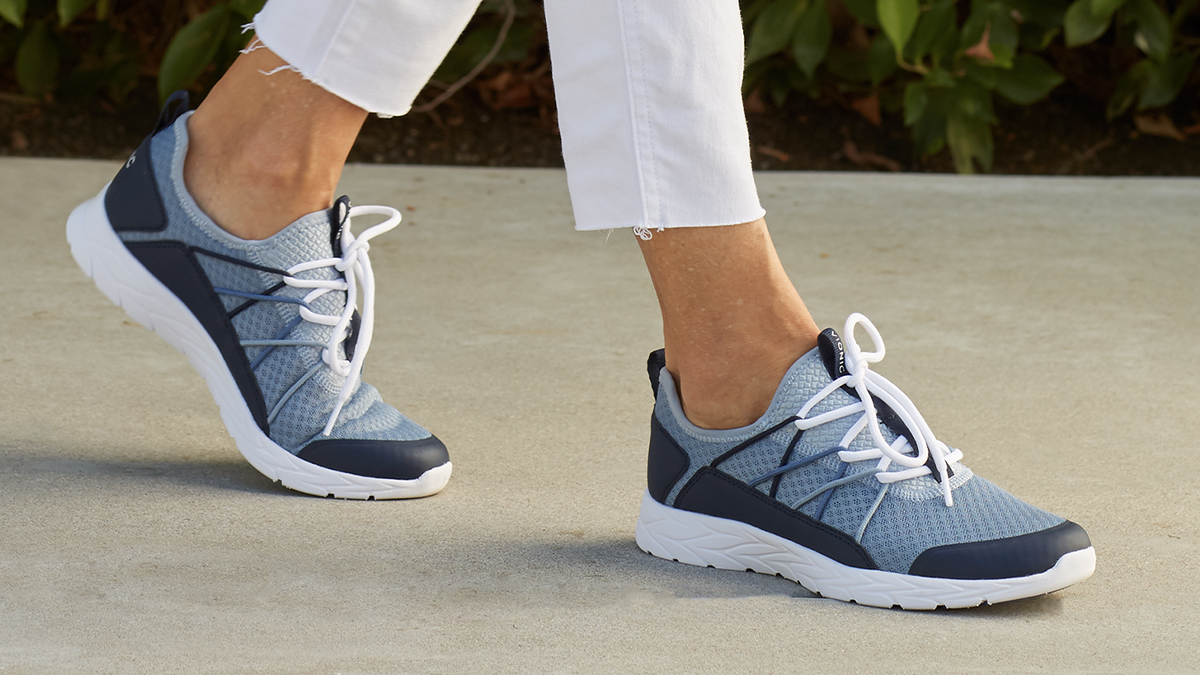
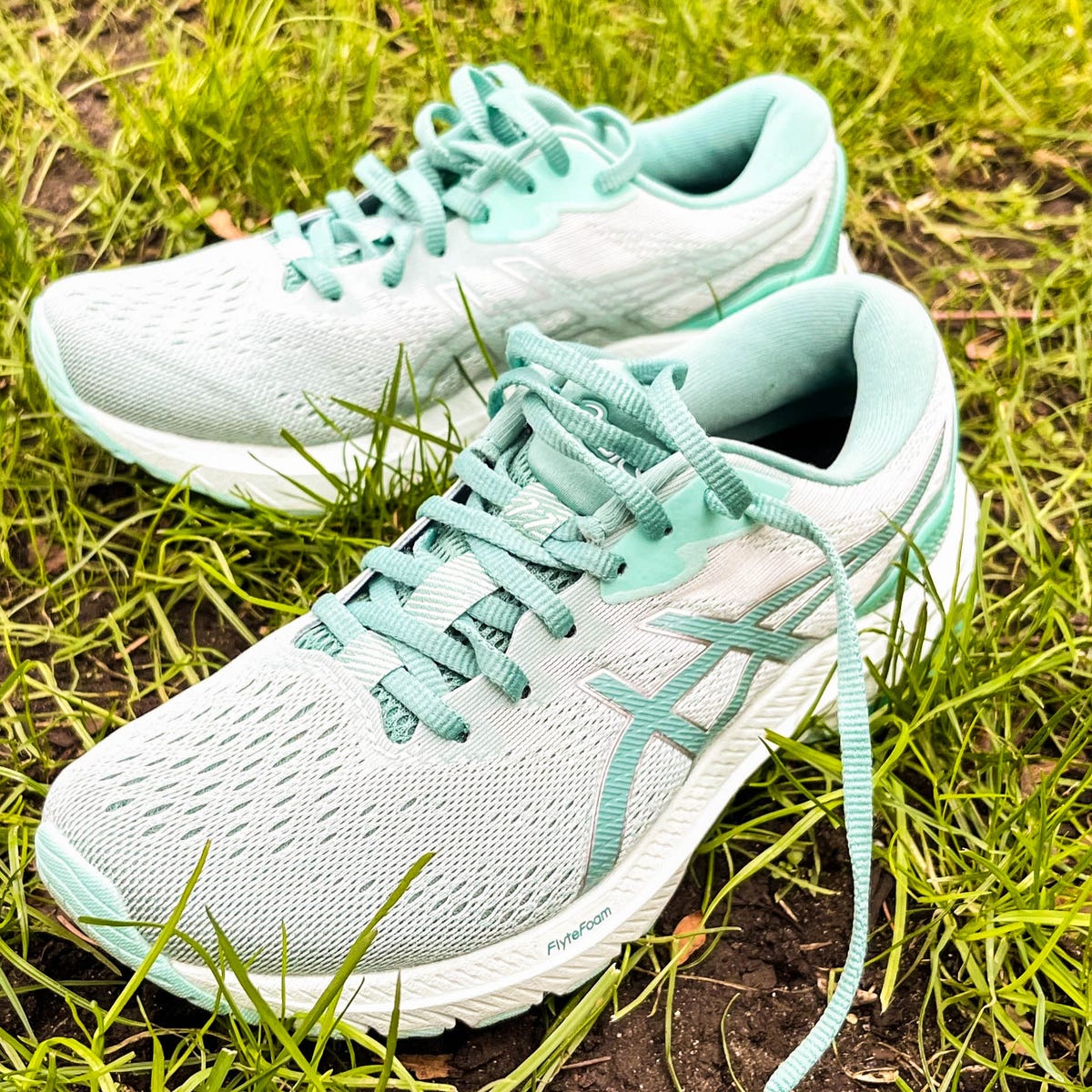
Identifying the best tennis shoes for walking requires looking past the marketing and into specific construction elements. First, examine the outsole. A durable, non-marking rubber with a herringbone or modified tread pattern offers excellent grip on both dry pavement and slick surfaces, a legacy from tennis court surfaces. Next, the midsole is the heart of comfort. Technologies like ASICS’s GEL cushioning, which originated from their running line but is integrated into models like the GEL-Resolution, are designed to absorb shock. As noted on the brand’s official technology portal, this silicone-based gel can attenuate impact forces during heel strike, a critical phase in the walking stride. The upper material is equally crucial. Look for engineered mesh or knit fabrics that provide breathability to keep feet cool during long walks, coupled with strategic synthetic overlays for structure and support. Finally, the fit is paramount. Renowned podiatrist Dr. Brad Schaeffer, in an interview for “Footwear News,” emphasizes that a proper walking shoe should have a thumb’s width of space in the toe box to allow for natural foot splay and swelling that occurs throughout the day. A well-constructed tennis shoe, such as the New Balance Fresh Foam Lav or the K-Swiss Hypercourt Express, often incorporates these features in a cohesive package, offering a locked-in heel, flexible forefoot, and arch support that caters to a variety of foot types, making them exceptional tennis shoes for walking.
Debunking the Myths: Tennis Shoes vs. Dedicated Walking Shoes
A common point of contention is whether a shoe designed for a sport can truly serve a different purpose effectively. The skepticism is understandable, but often misplaced when it comes to modern athletic footwear. The primary myth is that walking shoes must have a pronounced “rocker” sole—a curved profile that propels the foot forward. While beneficial for some with specific gait issues, this design isn’t universally necessary. Many tennis shoes feature a subtle rocker or a beveled heel that facilitates a smooth heel-to-toe transition, a feature highlighted in biomechanics studies from institutions like the University of Calgary’s Human Performance Lab. Another myth concerns weight; walking shoes are presumed to be lighter. However, the stability elements in tennis shoes, which add marginal weight, provide a compensatory benefit in reduced muscular fatigue from over-correction, as your feet aren’t working as hard to stabilize each step. As noted by footwear tester and kinesiology expert on the popular YouTube channel “Doctor of Feet,” the lateral support in a good tennis model can prevent the excessive pronation (inward rolling) that many walkers experience, especially under load. The evolution of materials means today’s performance tennis shoes are lighter than ever without sacrificing structure. Therefore, choosing a tennis shoes for walking isn’t a compromise; it’s often a strategic selection of a shoe built to a higher standard of durability and multi-planar support than many generic walking models.
Curating Your Perfect Pair: A Guide to Selection and Investment
Finding your ideal pair is a personal journey, but guided by principle. Start by analyzing your walking environment and foot type. For primarily pavement pounding on city streets, a shoe with ample forefoot cushioning and a durable outsole like the Adidas Gamecourt or the Babolat Jet Mach II is ideal. If your routes include park trails or uneven paths, consider a model with a more aggressive tread pattern. For those with flat feet or overpronation, the inherent medial (arch-side) support in stability-focused tennis shoes, such as those in the ASICS GEL-Dedicate line, can be transformative. It’s wise to shop later in the day when feet are naturally more swollen, and always wear the socks you intend to walk in. Beyond fit, consider value. The beauty of opting for tennis shoes is the frequent availability of previous-season models at significant discounts. High-performance shoes from last year, which retail for $120-$160, can often be found for under $80 on sites like eBay, Zappos, or directly from the manufacturer’s outlet pages. This democratizes access to cutting-edge foam technologies and premium materials. Remember, the best investment is in the shoe that feels like an extension of your foot from the first step—offering not just cushion, but confidence. This proactive approach to selection ensures your chosen tennis shoes for walking become a reliable partner in your daily routine, not just a purchase.
:max_bytes(150000):strip_icc()/Web_1500-vwt-primary-best-overall-shoe-tstaples-118-671f4e0048e64d14a1c42e4f8d9e6658.jpg)
The Long Walk: Integrating Your Shoes into a Health-Conscious Lifestyle
The final step transcends the shoes themselves and enters the realm of habit and health. A superior pair of shoes should encourage movement, not end with the purchase. The comfort provided by a well-fitted tennis shoe can be the catalyst for extending your daily walk, exploring new neighborhoods, or simply choosing the stairs more often. This aligns with public health guidance from sources like the CDC, which champions walking as a foundational physical activity for weight management, cardiovascular health, and mental well-being. As the famous author and walker Henry David Thoreau once reflected in his journal, “An early-morning walk is a blessing for the whole day.” The right footwear removes the barrier of discomfort, allowing you to reap these benefits fully. Furthermore, the durability of tennis shoes—a necessity for abrasive court surfaces—means they withstand daily pavement use far longer than flimsier alternatives, offering better long-term value. Rotating between two pairs can extend the life of each, as it allows the midsole foam to fully rebound between uses. Your journey in finding the best tennis shoes for walking is, ultimately, an investment in a more active and engaged life, where every step is supported by a synthesis of sport science and thoughtful design.
The search for all-day walking comfort finds a powerful and perhaps unexpected answer in the tennis shoe. It is a choice grounded not in fashion, but in functional engineering born from the demands of sport. By prioritizing stability, responsive cushioning, and durable construction, these shoes provide a foundation that transforms walking from a chore into a pleasure. The evidence, from biomechanical research to the testimonials of experts and everyday users, underscores their validity for this role. When you lace up a pair designed with these principles, you’re not just wearing athletic shoes—you’re equipping yourself with tools for resilience, enabling you to move through your day with ease, focus, and enduring comfort.
