

Style Meets Comfort for Every Step
For too long, the world of footwear has presented a false dichotomy: you could either have shoes that looked exceptional or shoes that felt exceptional. This compromise ends now. The modern pursuit of wellness and personal expression demands a fusion of both, a synergy where aesthetic appeal and biomechanical support are not mutually exclusive but intrinsically linked. This is not merely about footwear; it’s about redefining the experience of movement itself. Whether you’re navigating urban landscapes, pursuing fitness goals, or simply seeking daily ease, the right walking shoe is the foundational tool that transforms a mundane activity into a source of pleasure and vitality. Let’s explore how engineering, design, and science converge to create this essential harmony.
The Biomechanical Blueprint: Why Your Feet Aren’t Wrong, Your Shoes Might Be
To appreciate the marvel of a modern walking shoe, one must first understand the complex machinery it supports. The human foot is an architectural masterpiece comprising 26 bones, 33 joints, and over 100 muscles, tendons, and ligaments. According to biomechanics literature from institutions like Stanford University’s Human Performance Lab, the foot acts as both a rigid lever for propulsion and a mobile adaptor for shock absorption during the gait cycle. A poorly designed shoe disrupts this natural kinematics. For instance, excessive heel elevation can shorten the Achilles tendon and alter pelvic alignment, while inadequate arch support can lead to overpronation—a rolling inward of the foot linked to conditions like plantar fasciitis. The objective of a scientifically crafted walking shoe is to complement, not constrain, this natural motion. It provides a stable platform, guides the foot through an efficient roll from heel-strike to toe-off, and dissipates the ground reaction forces that can be up to 1.5 times your body weight with each step. This isn’t about adding unnecessary technology; it’s about creating an environment where your body’s innate engineering can perform at its best, reducing fatigue and long-term injury risk.
Material Science: The Invisible Engine of Comfort
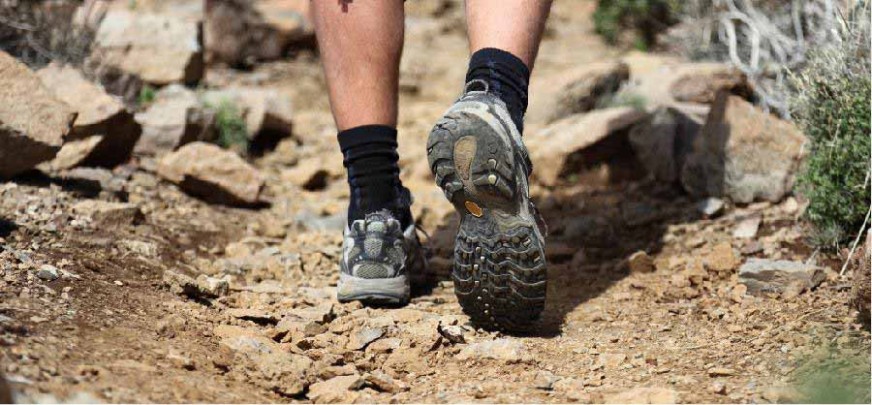
Comfort is a sensation, but it is engineered through advanced material science. The days of simple rubber and leather are long gone. Today’s premier walking shoe utilizes a symphony of polymers and composites. Take midsole foam, for example. Brands have pioneered materials like DNA LOFT, a blend of rubber, foam, and air that provides a balance of soft cushioning and responsive rebound. This isn’t marketing jargon; it’s a direct application of viscoelastic material properties, where energy return is quantified in laboratories. Similarly, engineered mesh uppers represent a leap forward. As noted in analyses from technical review sites like RunRepeat, these materials offer targeted breathability and stretch, conforming to the foot’s shape without the break-in period of traditional fabrics. They are designed with specific zones for ventilation and support, creating a microclimate that manages moisture and temperature. The outsole, too, has evolved. High-abrasion rubber compounds are strategically placed in wear zones (like the heel and forefoot) using data from gait analysis, while flexible grooves ensure natural foot flexion. This meticulous attention to materials transforms the shoe from a passive cover into an active participant in your movement, delivering comfort that persists from the first step to the ten-thousandth.
Aesthetic Intelligence: When Design Speaks Your Language
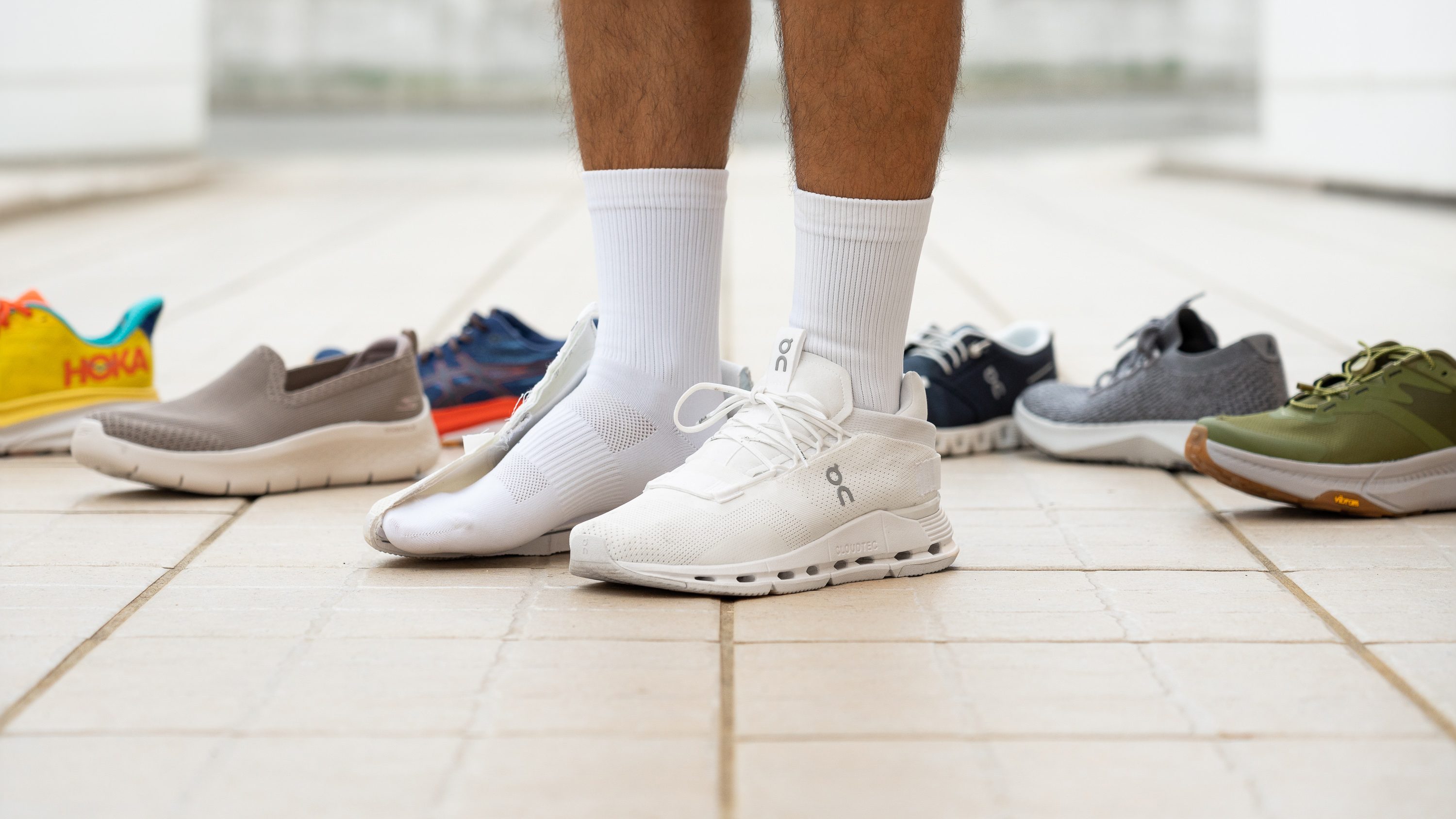
Function is paramount, but form speaks to our identity. Aesthetic intelligence in footwear design acknowledges that we wear shoes in boardrooms, cafes, and social spaces, not just on tracks. The challenge is integrating technical performance with silhouettes that align with contemporary fashion. Influential designers and brands have demonstrated that this is possible. The sleek, monochromatic profiles of brands like Cole Haan or certain models from On Running have bridged the gap, offering minimalist designs that conceal substantial cushioning systems. This philosophy echoes the words of renowned architect Louis Sullivan: “form ever follows function.” In the context of a walking shoe, the function—support, cushioning, stability—dictates a certain form, but the palette, texture, and line work allow for personal expression. From vibrant accents that convey energy to subdued tones that offer versatility, the modern walking shoe is a style accessory. It tells a story about your approach to life: that you value well-being without sacrificing your personal aesthetic, that you are prepared for both a spontaneous walk and a scheduled meeting. The integration of reflective elements for safety or water-repellent treatments for practicality further shows how smart design anticipates lifestyle needs.
The Personal Fit: Beyond the Size Chart
Finding the perfect shoe is a deeply personal journey, a dialogue between your unique physiology and the shoe’s construction. The standard size number is merely a starting point. Key considerations include foot volume (a high instep versus a flat one), width (often needing options beyond standard ‘D’ or ‘B’), and even the shape of your toe box. Professional shoe fitters and resources from authoritative sources like the American Podiatric Medical Association emphasize the “rule of thumb”: there should be about a thumb’s width (roughly 3/8 to 1/2 inch) of space between your longest toe and the end of the shoe. But fit is dynamic. Your feet swell throughout the day and expand under load during walking. Therefore, a proper fitting should happen in the afternoon or evening, with the socks you intend to wear. Furthermore, consider your gait pattern. Many specialty running stores offer free gait analysis, which can identify if you need a shoe with more medial support for overpronation or a neutral design for a efficient stride. This personalized approach ensures the walking shoe works with you, becoming a seamless extension of your body rather than an external constraint.

An Investment in Longevity: Cost Per Mile, Not Just Price Per Pair
It’s tempting to view a high-quality walking shoe as a significant expense. However, a more accurate perspective is to evaluate it as an investment in your health and mobility, with a tangible “cost per mile” calculation. A well-constructed shoe from a reputable brand, utilizing durable materials and robust construction techniques, will typically maintain its structural integrity and cushioning for 300 to 500 miles. A cheaper, poorly made alternative may degrade in support and comfort after only 100 miles, potentially leading to discomfort or injury that carries its own costs. As physical therapist and popular YouTube fitness expert Dr. Brian Sutterer often notes, “The shoes are the interface between you and the ground. Compromising on that interface is compromising on the health of your entire kinetic chain.” Beyond durability, the investment pays dividends in daily experience—reduced joint pain, higher energy levels, and a greater willingness to engage in walking, which is consistently cited by health authorities like the CDC as one of the most accessible and beneficial forms of exercise. When you find the right tool, the activity itself becomes more rewarding.
“Walking is the best possible exercise. Habituate yourself to walk very far.” – Thomas Jefferson. This insight, centuries old, underscores the timeless value of the act. Today, we have the tools to make that “very far” not just possible, but profoundly enjoyable.
Your Next Step: A Curated Path Forward
The journey to finding your ideal companion for movement begins with informed intention. Start by assessing your primary use case: is it for long, purposeful fitness walks, or for all-day wear during work and errands? Research brands renowned for their walking-specific technologies. Don’t hesitate to leverage expert opinions; websites like Wirecutter or Runner’s World provide rigorously tested reviews, while communities on Quora and Reddit offer real-world, long-term wear testimonials. Most importantly, experience the shoes firsthand. The feel of the heel cup locking in place, the flex of the forefoot, and the overall “ride” are subjective and must be personally validated. Remember, the ultimate walking shoe is the one that disappears on your foot, allowing you to move freely and confidently, while its style resonates with your personal narrative. It is a testament to the idea that caring for yourself and expressing yourself are not separate pursuits, but intertwined steps on the same path.
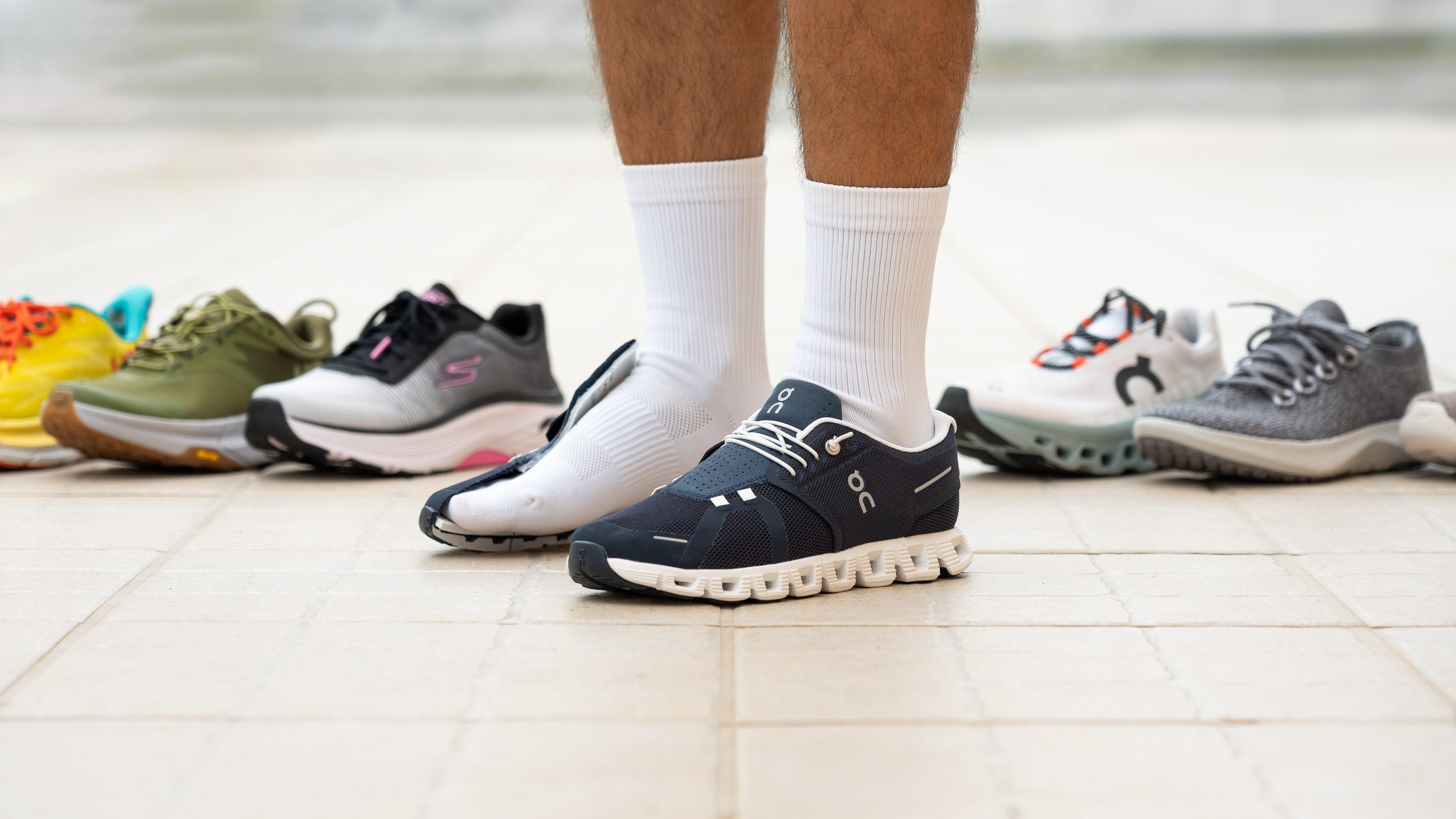
Embrace the fusion. Let your footwear be a statement that you refuse to choose between feeling good and looking good. With the advancements in design and technology now at our disposal, every step can be an experience of supported, stylish intention. The path ahead is meant to be walked with confidence and comfort, and it starts from the ground up.
