

Step Into Style: The Ultimate Guide to Toe Walker Shoes for Effortless Chic
Forget everything you thought you knew about orthopedic footwear. The landscape has shifted, and at the forefront of this sartorial revolution is a category that marries medical necessity with runway-ready design: toe walker shoes. No longer are we confined to clunky, beige corrective devices. Today, the modern individual—whether navigating a physiological condition or simply seeking unparalleled comfort and posture support—can step out with confidence and undeniable style. This guide isn’t about compromise; it’s about discovering how specialized footwear can become the most versatile and chic cornerstone of your wardrobe. We’re moving beyond mere understanding to a place of empowered choice, where biomechanical science and aesthetic principles coalesce into something truly extraordinary.
The Science of Stride: What Defines a Toe Walker Shoe?
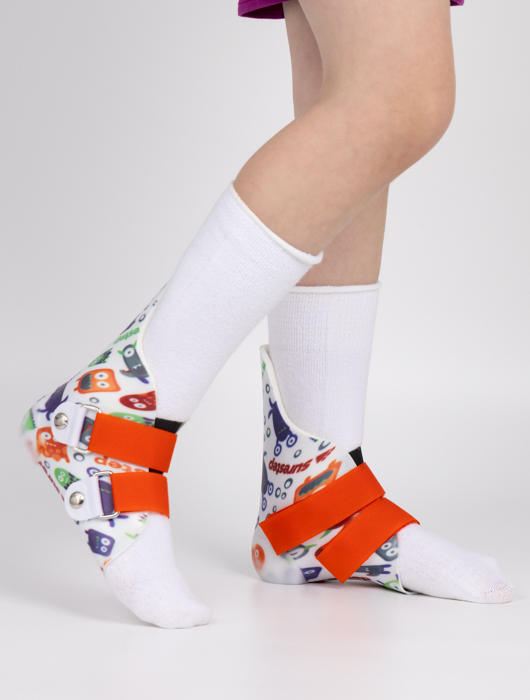
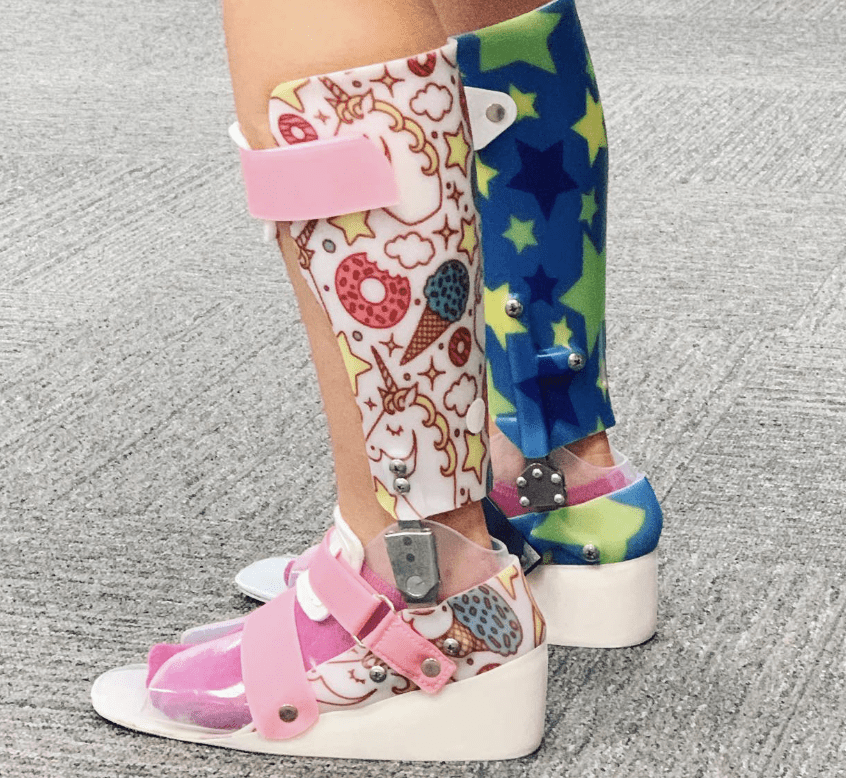
To appreciate the design, we must first grasp the function. The term “toe walking” refers to a gait pattern where an individual walks on the balls of their feet, with little to no contact between the heels and the ground. While common in toddlers learning to walk, persistent toe walking beyond early childhood can be idiopathic (without a known cause) or associated with conditions like cerebral palsy, muscular dystrophy, or autism spectrum disorders. According to literature from the Johns Hopkins University School of Medicine, persistent toe walking can lead to shortened Achilles tendons, muscle stiffness, and postural imbalances. This is where the engineered toe walker shoes come into play. They are not merely stiff-soled shoes. Scientifically, they are designed as a form of ankle-foot orthosis (AFO) or sensory footwear. Their core objectives are to provide a stable, proprioceptive base of support, encourage a heel-to-toe rocking motion, and offer deep sensory input that can calm the nervous system. A study cited in the Journal of Pediatric Orthopaedics emphasizes that footwear with a rigid posterior shell and a forefoot rocker sole can significantly improve gait parameters. In essence, these shoes act as a gentle, constant guide for the foot and ankle, recalibrating the body’s sense of position and movement without the wearer having to consciously think about each step.

From Clinic to Catwalk: The Design Evolution
The transformation of this category is nothing short of remarkable. Historically, corrective shoes were designed in a vacuum, prioritizing function with a blatant disregard for form. The result was often a product that, while medically beneficial, carried a social stigma. The modern shift began when designers and biomechanical engineers started collaborating. Brands looked to the principles of iconic footwear—the architectural elegance of a Salvatore Ferragamo heel, the minimalist ethos of a Common Projects sneaker, the rugged durability of a Red Wing boot—and asked: “How can we integrate these aesthetic values into a therapeutic platform?” The answer lies in sophisticated material choices. Carbon fiber composites replace heavy plastics, offering superior rigidity at a fraction of the weight. Memory foam and temperature-responsive liners, often seen in high-end athletic wear from brands like Nike and Adidas, provide customized comfort. The external aesthetics now feature premium leathers, minimalist color palettes, and sleek silhouettes that wouldn’t look out of place on the pages of Vogue or Monocle. This evolution proves that addressing a physical need does not require sacrificing personal style; in fact, it can become its most authentic expression.
Curating Your Capsule: Styles for Every Occasion
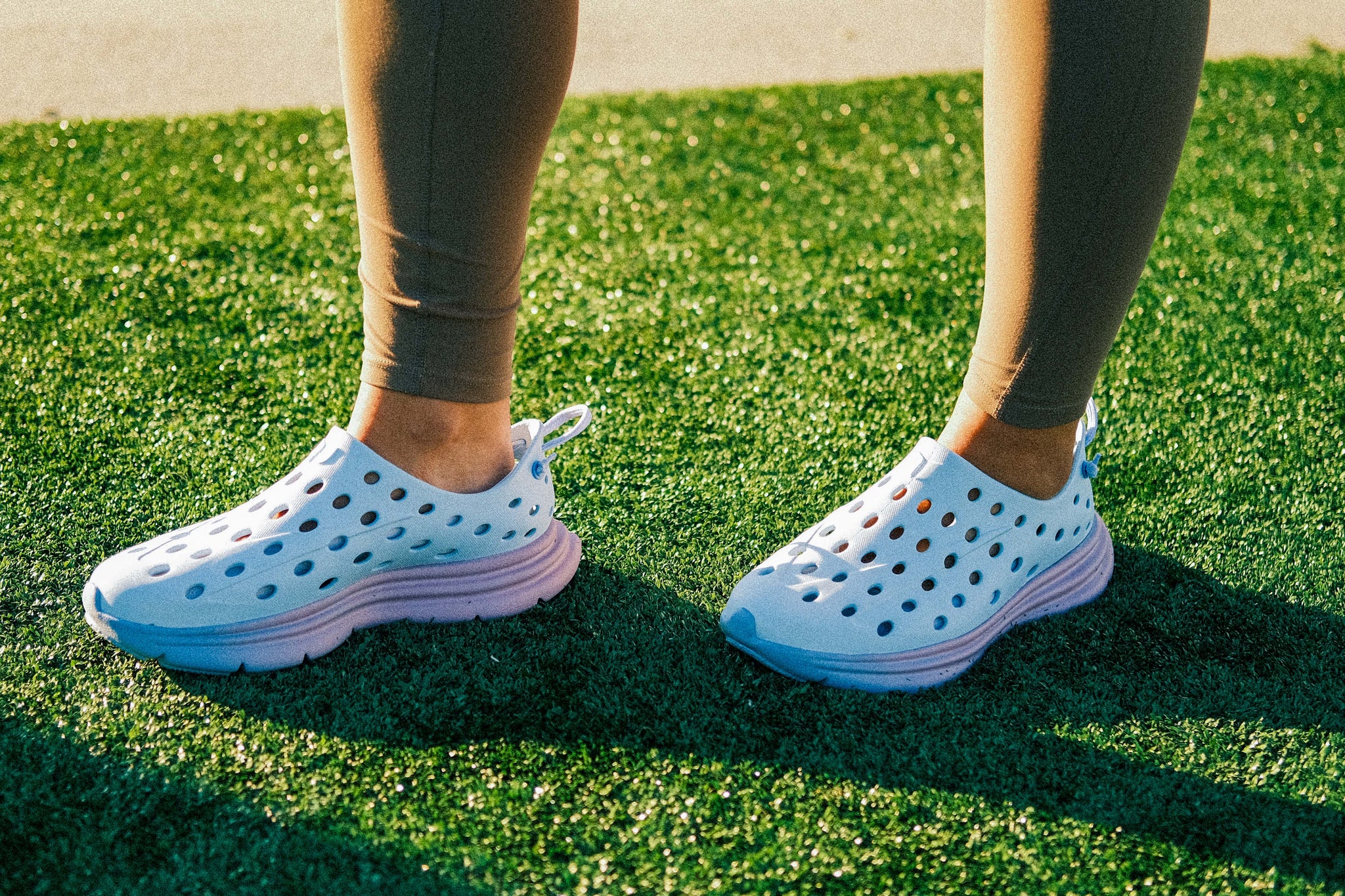
Gone are the days of one pair for all. The contemporary market for supportive footwear offers a curated selection for every facet of your life. Let’s build your capsule wardrobe. For the professional sphere, consider a sleek ankle boot or a refined derby shoe crafted from supple calfskin. These styles incorporate hidden internal bracing and a subtle rocker sole, providing all-day stability during commutes and conference room presentations. The weekend calls for a different approach. A premium leather sneaker, designed with the same proprioceptive principles, becomes your go-to. Look for models with a wide toe box (a concept championed by podiatrists and brands like Altra) and a sole unit that provides both cushioning and guided motion. For more formal evenings, the industry has even innovated with elegant loafers and ballet flats that incorporate flexible yet supportive shanks. The key is to identify the non-negotiable structural elements—firm heel counter, adequate arch support, and a sole that discourages toe flexion—and then seek out the style that speaks to you. Your choice in toe walker shoes is a powerful statement: that you value your well-being and present yourself to the world with intention.
The Insider’s Knowledge: Materials and Construction Secrets
To make an informed choice, you need to speak the language of craftsmanship. Let’s delve into the anatomy of a superior shoe. The upper is your first point of contact. Full-grain leather is king for its durability, breathability, and ability to mold to your foot over time. For athletic styles, engineered knits (like those used in Primeknit or Flyknit) offer a sock-like, seamless fit that reduces irritation. The insole is where science truly takes center stage. Many premium toe walker shoes feature removable orthotic beds, allowing you to insert custom orthotics if needed. These insoles are often made from dual-density foam, providing cushioning in the heel and a firmer support under the arch. The midsole, frequently unseen, is the engine. Here, technologies like thermoplastic polyurethane (TPU) or carbon fiber plates create the essential rocker geometry that promotes a natural gait cycle. Finally, the outsole demands attention. Look for rubber compounds that offer high abrasion resistance (like Vibram) and a tread pattern that balances grip with flexibility. As Tim Gunn, the iconic fashion consultant, once emphasized, “Fashion is about dressing according to what’s fashionable. Style is more about being yourself.” Understanding these components allows you to invest in style that is fundamentally, authentically yours, built on a foundation of unparalleled engineering.
Investing in Your Stride: Value Beyond Price
It’s crucial to address the perception of cost. A high-quality pair of toe walker shoes represents an investment, not merely an expense. Consider the cost-per-wear model: a $300 pair worn nearly every day for two years breaks down to about $0.41 per day. Compare that to fast-fashion footwear that may disintegrate in a season, causing discomfort and potentially exacerbating physical issues. Furthermore, many specialized brands offer direct-to-consumer models, cutting out retail markups and providing exceptional value. It’s also worth exploring seasonal sales, outlet sections, and subscription newsletters for exclusive discounts. Brands understand the lifelong journey of their clients and often have loyalty programs or trade-in options. Remember, as the renowned designer Coco Chanel purportedly said, “Luxury must be comfortable, otherwise it is not luxury.” The luxury here is twofold: the luxury of pain-free movement and the luxury of looking impeccably styled. This investment pays dividends in confidence, comfort, and long-term physical health, potentially reducing future medical interventions.
Your Journey Awaits: Stepping Forward with Confidence
The narrative around corrective and supportive footwear has been irrevocably changed. You are no longer a passive recipient of medical equipment but an active participant in a style movement that honors the unique way you move through the world. This guide has armed you with the scientific rationale, the design lexicon, and the practical knowledge to navigate the market. From the biomechanical principles that make these shoes effective to the curated styles that define your personal aesthetic, every step is now a choice made from a place of knowledge and empowerment. The perfect pair is out there—waiting to be laced up, to provide that sublime blend of support and style, to transform your stride from a conscious effort into an effortless expression of chic. Your path to combining unparalleled comfort with definitive style begins with that single, informed step forward.
