

Step Into Style: The Ultimate Guide to Booties Heels for Every Season
Footwear is more than a practical necessity; it is a foundational element of personal expression and style. Among the vast array of choices, one category consistently proves its versatility and enduring appeal: the booties heels. This guide is not merely about wearing shoes; it’s about mastering an item that bridges seasons, transcends trends, and empowers your stride. We will dissect its anatomy, explore its seasonal adaptations, and provide the knowledge to make informed, stylish choices that align with both your aesthetic and practical needs.
The Anatomical and Historical Foundation of the Bootie Heel
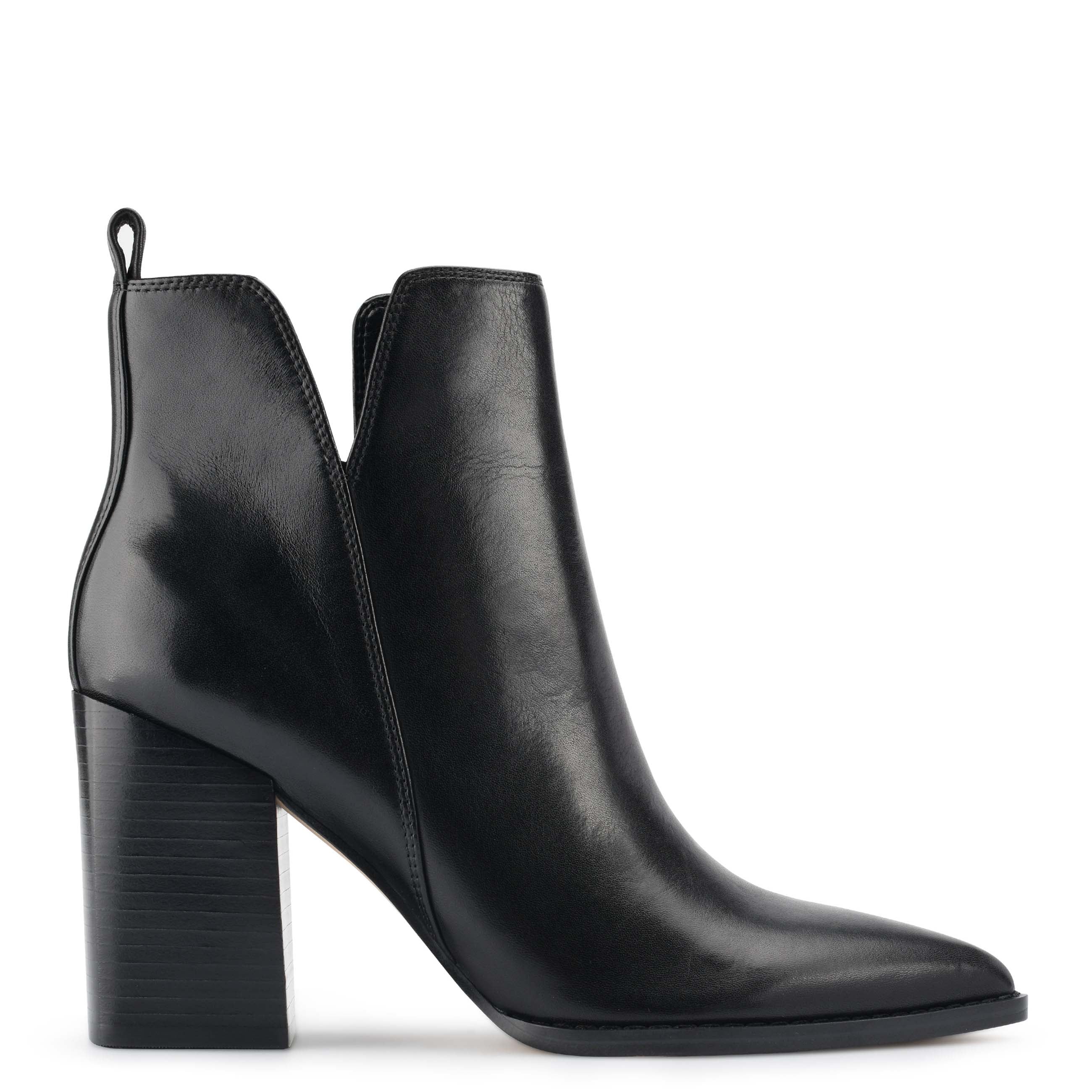
To truly appreciate the booties heels, one must understand its composition and lineage. Objectively, a bootie is defined as a short boot that typically ends at or above the ankle but below the calf. When combined with a heel—whether stiletto, block, wedge, or kitten—it creates a hybrid that offers the support and coverage of a boot with the elevation and posture-enhancing qualities of a heel. Scientifically, the design impacts biomechanics. According to research from the University of Jyväskylä, heel elevation shifts the body’s center of mass forward, which can alter gait and muscle engagement. A well-constructed bootie heel with adequate ankle support can mitigate some instability compared to a classic pump, making it a fascinating study in ergonomic fashion.
Historically, the boot’s origins are utilitarian, traced back to ancient nomadic cultures for protection. The evolution into a fashion statement, particularly the ankle boot, gained significant momentum in the mid-20th century. Iconic figures like Nancy Sinatra in her 1966 hit “These Boots Are Made for Walkin'” cemented the boot’s association with attitude and independence. Fashion historian Dr. Rebecca Shawcross, author of “Shoes: An Illustrated History,” notes that the late 20th century saw the heeled ankle boot transition from subcultural staple (like punk and grunge) to a mainstream fashion powerhouse. This historical journey from function to fierce style underpins the bootie heel’s authority in your wardrobe today.
Spring: The Season of Transition and Renewal
As winter’s grip loosens, spring demands footwear that navigates lingering chill and emerging warmth. This is where suede or light leather booties heels with a moderate block heel excel. The material breathes more than winter-weight boots, while the closed toe protects from spring showers. A block heel, as explained by podiatrists from the American Podiatric Medical Association, offers greater surface area for weight distribution, making it a stable choice for navigating uneven pavements often found during this transitional season. Opt for hues like blush, tan, or soft grey to mirror the season’s palette. From a style perspective, fashion platforms like Who What Wear consistently highlight the pairing of ankle booties with floral midi dresses or cropped jeans, creating a look that is both polished and playful. The key is a heel height that allows for confident walking through city streets or park paths, embodying the season’s energy of renewal without sacrificing comfort.

Summer: Defying Conventions with Strategic Choices
Conventional wisdom might banish boots in summer, but style is about intelligent rebellion. The summer booties heels are defined by ventilation and lightweight construction. Look for styles with cut-outs, perforations, or in woven materials like raffia or elasticized netting. A sleek, low kitten heel or a slender stiletto can elevate a simple sundress or shorts suit without the weight of a full boot. This approach finds validation in global fashion capitals; street style from Milan to Seoul often features these daring summer pairings. As designer Gianvito Rossi once stated in an interview with Vogue, “Shoes should complete the silhouette, not compete with the climate. A perforated bootie in summer is an exercise in contrast—it is both coverage and breath, structure and lightness.” This philosophy allows you to maintain a sophisticated, elongated line even in the heat, proving that style need not take a seasonal hiatus.
Autumn: The Natural Habitat of the Bootie Heel
Autumn is the quintessential season for booties heels. The crisp air and falling leaves call for richer textures and deeper tones. This is the time for luxe materials: smooth calfskin, buttery suede, and even velvet. A chunky heel or a sturdy wedge pairs perfectly with the season’s layered aesthetics—think thick tights, wool skirts, and oversized blazers. The color story shifts to burgundy, forest green, chocolate brown, and classic black. From a practical standpoint, the ankle coverage provides warmth, while the heel lifts the foot above damp ground. Authoritative fashion literature, such as Tim Gunn’s “Tim Gunn’s Fashion Bible,” emphasizes the bootie’s role in creating a grounded yet elegant autumn foundation. It is the workhorse of the fall wardrobe, seamlessly moving from office to weekend. The objective here is to invest in quality construction—good lining, a solid heel cap, and durable sole—as these boots will see frequent use, making knowledge of materials and craftsmanship essential for value.

Winter: Combining Fortitude and Elegance
Winter challenges footwear with moisture, cold, and salt. The winter booties heels must be engineered for fortitude. Waterproof or water-resistant treatments, insulated lining, and non-slip treads on the outsole are non-negotiable scientific features for safety and comfort. A block heel or platform is preferable for stability on potentially icy surfaces. Styles may incorporate faux fur trim or shearling lining for added warmth. While fashion is a priority, the primary viewpoint here is one of intelligent adaptation. Resources like Consumer Reports often test the winter performance of fashion boots, highlighting features like sealed seams and thermal ratings. You can embrace the season’s elegance with metallic finishes, deep patent leather, or rich textures that reflect holiday lights, but never at the expense of functionality. This season demands a bootie that is a true partner, protecting you from the elements while ensuring your style remains uncompromised.
Curating Your Collection: A Framework for Investment
Building a versatile rotation of booties heels is an exercise in strategic curation, not impulsive acquisition. Consider a framework based on three pillars: 1. The Everyday Foundation: A neutral-colored bootie (black, nude, or taupe) with a comfortable 2-3 inch block heel. This is your workhorse, backed by the “capsule wardrobe” principles often detailed on platforms like Into The Gloss. 2. The Statement Piece: This could be an animal print, a bold color, or an unconventional material. It exists to transform simple outfits, embodying the fashion psychology concept of “enclothed cognition”—where what we wear influences how we think and feel, as studied by researchers at Northwestern University. 3. The Seasonal Specialist: A bootie tailored for extreme conditions, like the waterproof winter style or the perforated summer version discussed earlier.
Bringing professional knowledge on discounted prices involves understanding value cycles. Major retailers typically discount previous season’s colors or styles at the start of a new season. Signing up for brand newsletters or using price-tracking tools can alert you to sales on quality brands. Remember, an investment in a well-made pair from a reputable brand, even at a slight discount, often yields a better cost-per-wear ratio than multiple cheap, uncomfortable pairs. Knowledge of materials—like knowing that genuine leather will mold to your foot over time, while synthetic might not—is crucial for making smart purchases that bring long-term satisfaction and style.

The Final Step: Beyond the Purchase
Owning the perfect pair of booties heels is only the beginning. Their longevity and appearance depend on conscientious care. Regular cleaning with appropriate products for the material (suede brushes, leather conditioners) is essential. Using protective sprays for water and stain resistance is a scientifically sound practice to preserve the integrity of the materials. Furthermore, consider the biomechanics of your own body. Inserts or orthotics designed for heels can enhance comfort significantly, a tip often endorsed by celebrity stylists on YouTube channels like “What I Wore.” The relationship with your footwear is reciprocal; you choose them to elevate your presence, and in return, you maintain them to uphold their form and function. This ongoing dialogue between wearer and wardrobe is where personal style truly evolves and solidifies.
The journey through the seasons with booties heels reveals them not as a fleeting trend, but as a cornerstone of a dynamic and intelligent wardrobe. They are a tool for self-expression, an exercise in practical science, and a testament to the evolution of fashion itself. By understanding their history, respecting their seasonal roles, and investing in their care, you step into more than just a shoe—you step into a mindset of confident, adaptable style.
