

Leopard Print Heels: How to Wear Them Boldly Without Overpowering Your Look
Leopard print is not just a pattern; it’s a statement. For decades, it has oscillated between the epitome of high glamour and the nadir of fashion faux pas, yet it perpetually claws its way back into the spotlight. The key to mastering this wildcard lies not in taming it, but in understanding its power and directing it with intention. This article is your guide to integrating cheetah print heels—a specific, often more refined iteration of the animal print family—into your wardrobe with confidence and sophistication, ensuring they elevate rather than eclipse your personal style.
The Psychology and History of the Print: Why Leopard Commands Attention
To wear leopard print boldly, one must first appreciate its cultural and psychological weight. Scientifically, animal prints tap into primal associations. A study from the University of Newcastle suggested that patterns resembling biological signals, like those found in nature, can trigger immediate perceptual responses. Leopard print, with its high-contrast, irregular spotting, is inherently eye-catching and dynamic. Historically, its meaning has been shaped by its wearers. In post-war 1940s Hollywood, stars like Betty Grable and Marilyn Monroe donned leopard as a symbol of luxurious, untamed sexuality—a direct rebellion against austerity. As fashion historian Dr. Valerie Steele notes in her work for The Museum at the Fashion Institute of Technology, “Leopard print has always carried a charge of the exotic and the dangerous, a hint of the jungle in the salon.” This duality—of sophistication and savagery—is precisely what makes a pair of cheetah print heels so potent. They are not mere footwear; they are an artifact loaded with narrative. When you strap them on, you’re invoking a lineage of audacious women, from the silver screen sirens to the punk-rock pioneers of the 1970s who reclaimed it as a symbol of rebellion. Understanding this context allows you to wear the print not as a passive consumer, but as a conscious participant in its storied legacy.
Principle 1: The Foundation of Neutrality
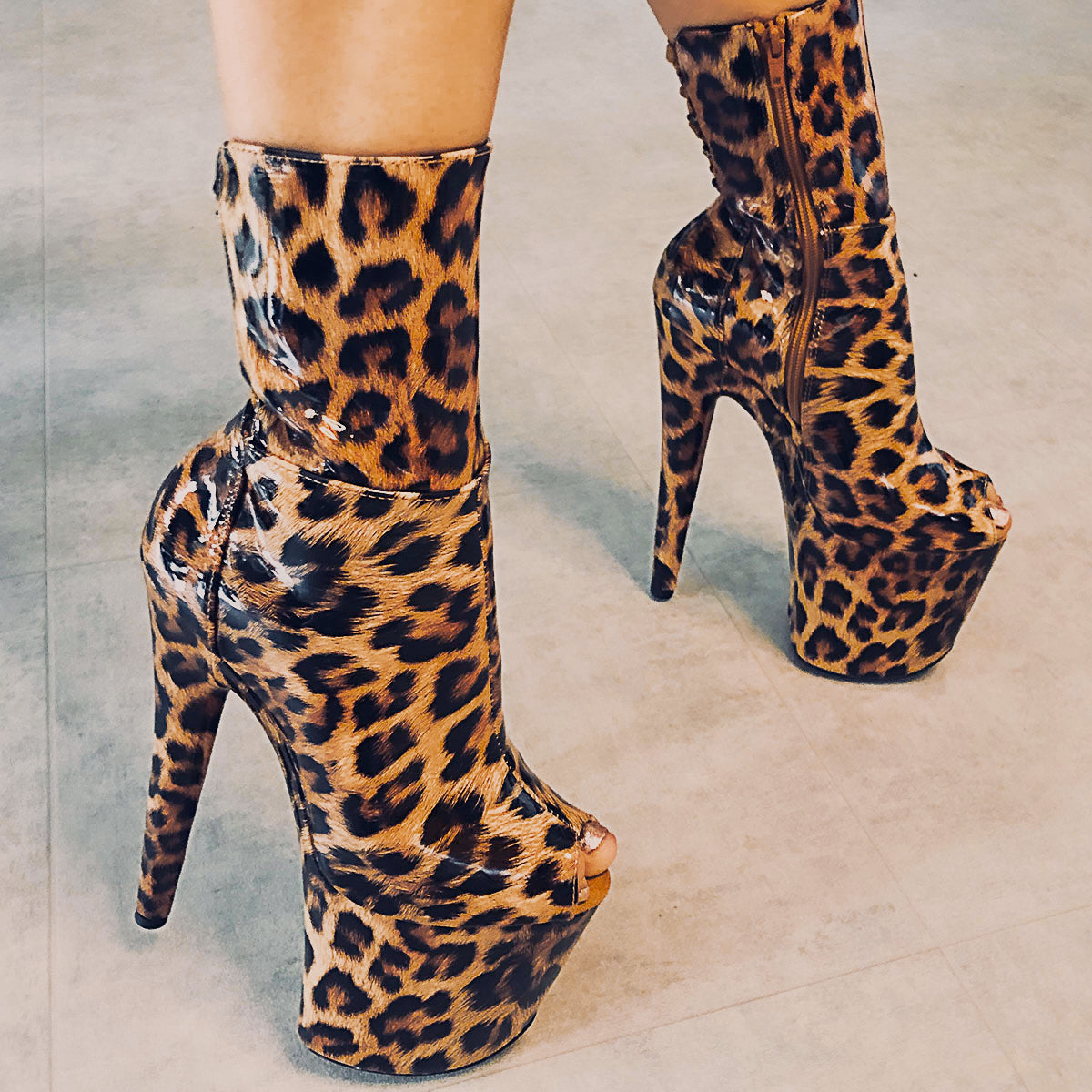
The most fail-safe strategy for letting your cheetah print heels shine is to build upon a canvas of neutrals. This approach is rooted in basic principles of visual balance and focal point management. When the surrounding palette is quiet—think stark black, crisp white, camel, navy, or grey—the intricate, busy pattern of the heels becomes the undisputed star of the ensemble. Consider an outfit comprising a perfectly tailored black blazer, a simple white silk camisole, and dark-wash denim. This combination is classic, sharp, and professional. Now, introduce the heels. Suddenly, the entire look is catapulted from “chic basics” to “editorial street style.” The neutrals provide a sophisticated frame, preventing the print from appearing chaotic or costumey. This method aligns with the minimalist “one statement piece” philosophy endorsed by stylists like Allison Bornstein, who often advises clients to choose a single focal point. Your heels are that focal point. The neutrality of the rest of your outfit isn’t boring; it’s strategic. It speaks of a curated confidence, someone who understands that true impact often comes from contrast and restraint. It allows the craftsmanship and design of the cheetah print heels to be appreciated in detail, turning them from an accessory into the centerpiece of a narrative about controlled power.
Principle 2: Color Coordination and Tone-on-Tone Magic
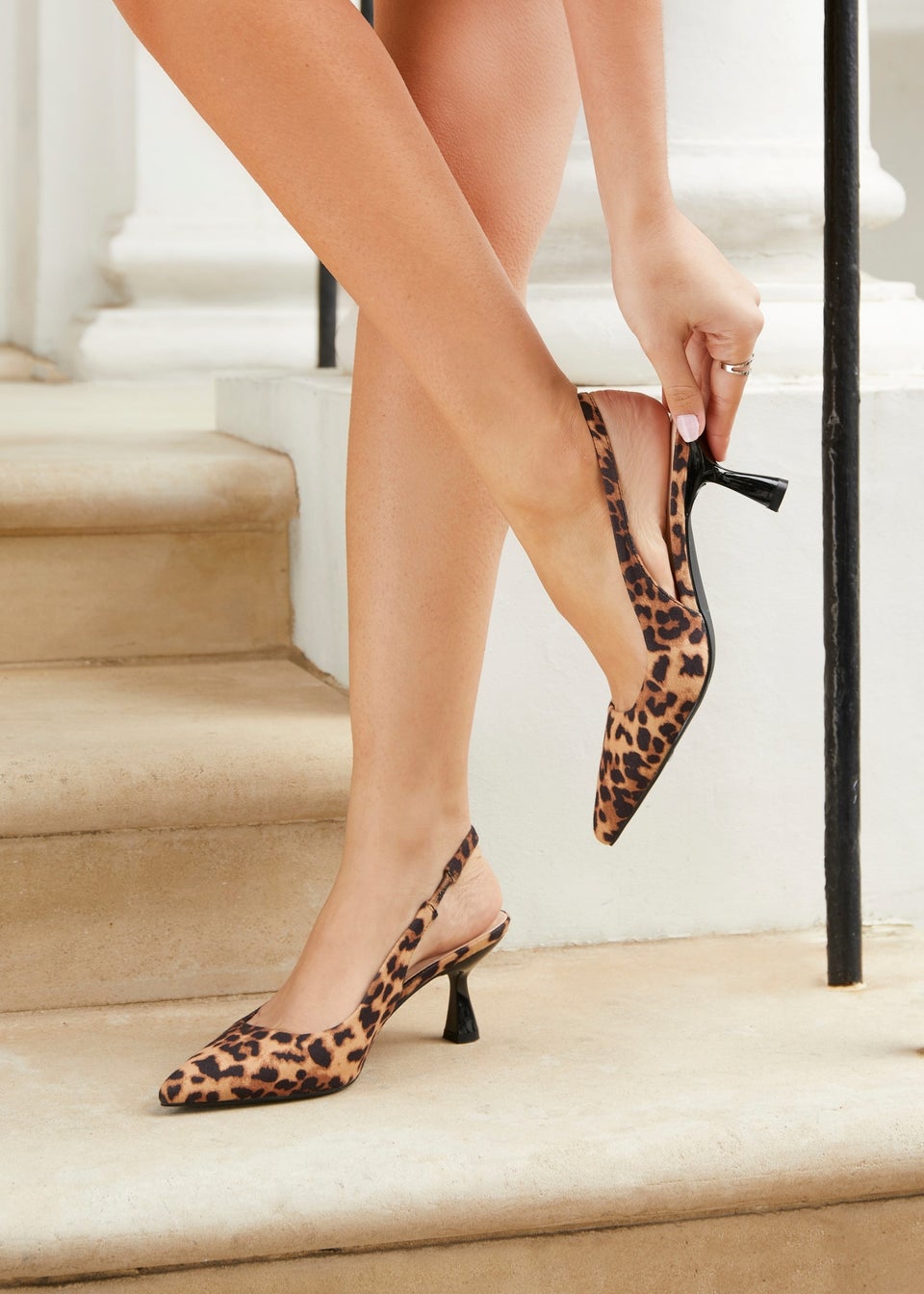
Moving beyond neutrals, advanced styling involves strategic color pairing. Leopard print is traditionally a mix of black, brown, and cream, but modern cheetah print heels can feature variations like grey, navy, or even pink bases. The scientific concept of color harmony is useful here. Analogous colors—those next to each other on the color wheel—create serene and comfortable designs. For a brown-based leopard print, try pairing it with other warm earth tones like rust, olive green, or mustard yellow. This creates a rich, autumnal, and cohesive look where the heels feel integrated rather than突兀. The tone-on-tone approach, a favorite of fashion icons like Olivia Palermo, involves matching the print’s base color to a solid item in your outfit. For instance, a chocolate brown sweater dress with brown-based cheetah print heels creates an elongated, monochromatic silhouette that is incredibly chic and modern. The print adds texture and visual interest, breaking the monotony in a sophisticated way. This technique demonstrates a deep understanding of color theory, showcasing the heels as an intentional component of a color story, not a random splash of pattern. It’s a bold move that requires a keen eye but yields a high-fashion, editorial result that feels both deliberate and effortless.
Principle 3: Pattern Clashing with Confidence
For the truly adventurous, pattern clashing is the pinnacle of sartorial bravery, and leopard print is a premier candidate for this art form. The key to successful clashing lies in scale and color linkage. As explained in design textbooks from institutions like Parsons School of Design, contrasting patterns work together when they share at least one common color and differ significantly in scale. Imagine your cheetah print heels (a medium-scale, organic pattern) paired with a fine, pinstriped trouser suit (a small-scale, geometric pattern). The shared black color ties them together, while the stark difference in pattern style creates dynamic tension. Another iconic combination, famously championed by designers like Dolce & Gabbana, is leopard with floral. Choose a floral dress where the background color or a dominant flower hue matches the tan or black in your heels. The juxtaposition of the romantic, soft floral against the fierce, graphic animal print creates a fascinating dialogue—sweetness with an edge. This approach is not for the faint of heart, but when executed well, it broadcasts unparalleled creativity and fashion intelligence. It tells the world you are not just wearing clothes; you are composing a visual masterpiece where every element, though seemingly opposed, is in deliberate and harmonious conversation.

Professional Insight: Silhouette and Occasion Mastery
Beyond color and pattern, the silhouette you choose to accompany your heels dramatically alters their message. A pointed-toe, stiletto cheetah print heels paired with a sleek midi pencil skirt and a structured blazer is a power move for the boardroom (in creative industries) or a chic dinner. It conveys authority with a daring twist. Conversely, the same heels with distressed boyfriend jeans and a simple tee instantly achieves that coveted “model-off-duty” look—effortlessly cool and modern. The contrast between the casual denim and the glamorous heel is a styling trope perfected by street-style stars. For evening wear, a little black dress (LBD) is transformed from classic to captivating with the swap from plain pumps to leopard print. As the legendary stylist Rachel Zoe once said,
“Style is a way to say who you are without having to speak. A great pair of leopard heels can say you’re confident, playful, and in command of your own allure.”
This versatility is the heel’s greatest asset. Understanding the dialogue between garment silhouette and accessory allows you to tailor the “volume” of the statement to any occasion, from a casual brunch to a major presentation.
Your Toolkit: Building a Capsule Around Your Statement Heel
Investing in a quality pair of cheetah print heels is just the beginning. To maximize their value and wearability, consider building a small capsule of supporting items. Start with premium basics: a well-fitting black blazer, a white button-down shirt, straight-leg trousers in black and camel, and a simple black slip dress. These are your anchors. Next, add a few pieces that facilitate the pattern-clashing principle: a pinstripe shirt or a delicate floral blouse. The goal is to have a wardrobe ecosystem where your heels can seamlessly integrate. From a professional consumer perspective, the cost-per-wear of a versatile statement heel is remarkably low. While the initial outlay for a well-constructed pair from brands like Sam Edelman or Jimmy Choo might be $150-$400, their ability to revitalize dozens of existing outfits makes them a shrewd investment. Look for sales during seasonal transitions or on reputable discount platforms like Nordstrom Rack or SSENSE, where you can often find designer pairs at 30-50% off. Remember, quality construction—good leather, a secure heel block, comfortable padding—is paramount for a shoe meant to be a workhorse of your style arsenal.

Leopard print, in the form of a sharp, modern heel, is a tool for self-expression. It doesn’t overpower a look when the wearer understands the principles of balance, color, and context. By grounding them in neutrality, weaving them into a color story, or fearlessly letting them clash, you harness their inherent energy. You move from wearing a trend to embodying an attitude—one of confidence, history, and playful sophistication. Let your cheetah print heels be the exclamation point to your style sentence, not the entire paragraph.
