

How to Style These Wild Statement Shoes
Let’s be clear from the start: a pair of wild statement shoes is not an accessory; it’s the protagonist of your outfit. It’s a declaration, a mood, and a challenge to the mundane rules of fashion. This isn’t about timidly integrating a bold piece. This is about building your entire look from the ground up, letting those extraordinary shoes dictate the narrative. We’re moving beyond safe neutrals and into the territory where fashion becomes a form of self-expression and kinetic art. Whether it’s a pair of sculptural platforms, neon-lit sneakers, or those undeniable cheetah print heels, the goal is to wear them with such intentional confidence that they don’t just walk into a room—they command it.
The Psychology of the Statement: Why We Wear the Wild
Before we dive into the styling, it’s crucial to understand the “why.” From a sociological and psychological perspective, clothing is a non-verbal communication tool. Dr. Carolyn Mair, a behavioral psychologist and author of “The Psychology of Fashion,” states that what we wear affects both the wearer’s and the observer’s perceptions. A bold fashion choice, like statement shoes, can be an act of “enclothed cognition”—where the symbolic meaning of the clothing influences the wearer’s psychological processes. When you strap on a pair of audacious shoes, you’re not just putting on leather and rubber; you’re donning an attitude. This is supported by historical precedent. Figures like David Bowie and Lady Gaga didn’t just wear unusual footwear; they used it as a core component of their personas, challenging gender norms and aesthetic boundaries. As the Costume Institute at The Metropolitan Museum of Art often highlights in its exhibitions, extreme fashion serves as a mirror to cultural shifts and individual identity. Your choice to wear something wild is, therefore, a conscious participation in a dialogue about individuality, power, and creativity. It signals a rejection of blending in and an embrace of standing out, a principle celebrated in subcultures from punk to avant-garde art circles.

Principle 1: The Foundation of Neutrality
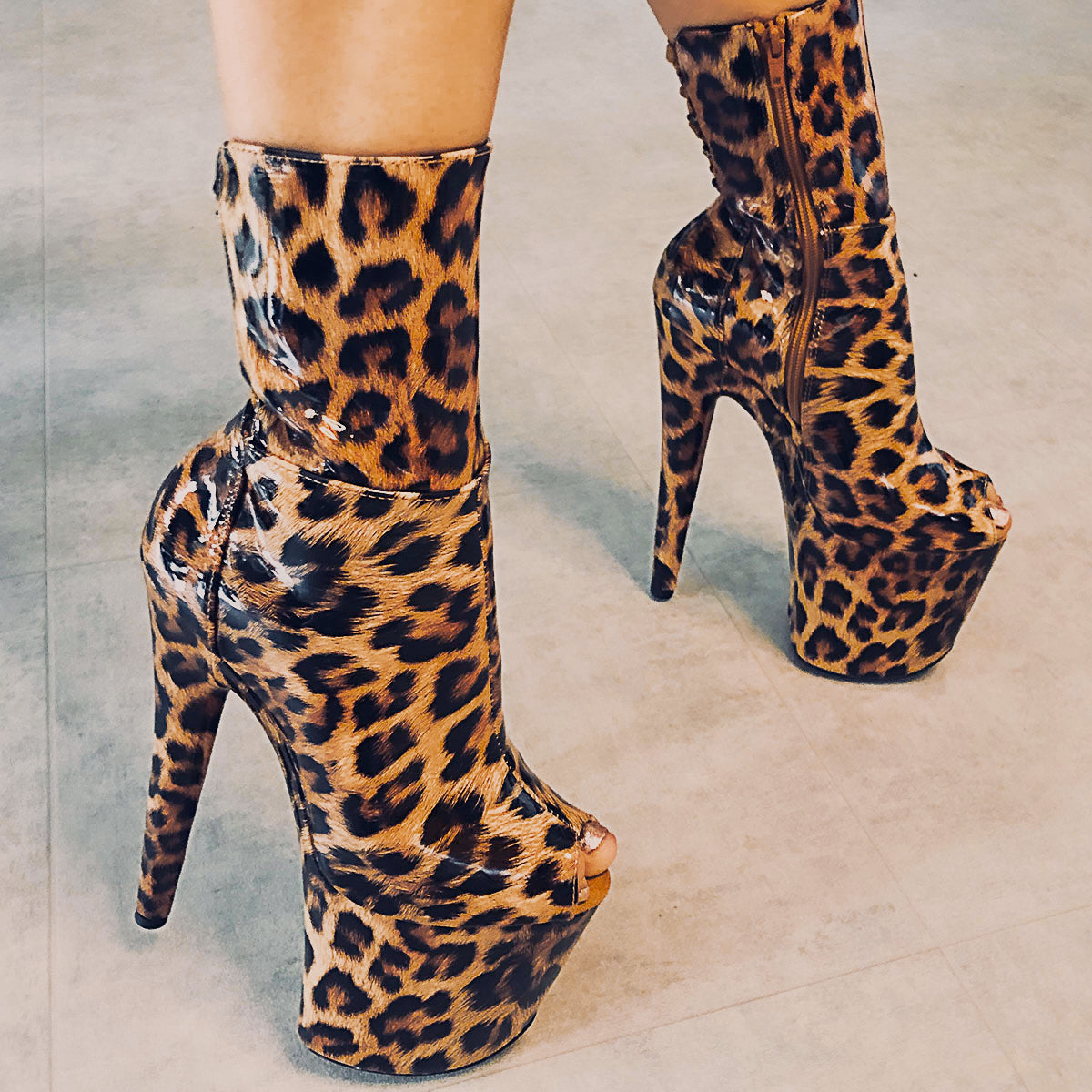
The single most effective rule for styling wild shoes is to let them breathe. The canvas upon which you paint this bold stroke should be deliberately subdued. This isn’t a lack of creativity; it’s strategic emphasis. Think of your outfit as a gallery wall painted in a soft, neutral grey—the perfect backdrop to make a vibrant piece of art pop. A monochromatic base is your most powerful ally. A head-to-toe look in black, white, beige, navy, or grey creates a sleek, modern silhouette that directs all visual energy downward to your feet. For instance, pair those intricate, architectural cheetah print heels with a simple black slip dress or a perfectly tailored cream-colored pantsuit. The contrast is stark and sophisticated. This approach is rooted in basic design principles of contrast and focus, often taught in foundational courses at institutions like Parsons School of Design. The goal is to avoid visual competition. If your shoes are a complex mix of patterns, colors, and textures, the rest of your ensemble should offer respite. This method ensures the shoes are celebrated as the masterpiece they are, not lost in a cacophony of competing elements. It’s the style equivalent of a powerful speech delivered in a calm, clear voice—the message hits harder.
Principle 2: Echo, Don’t Match
One of the most common pitfalls is trying to exactly “match” your outfit to your statement shoes. This often leads to an overwhelming, costumey effect. The advanced technique is to echo an element. This creates cohesion without redundancy. If your shoes feature a specific accent color—say, a flash of electric blue in the sole—pick up that same blue in a subtle way: a thin belt, the lining of a blazer, a minimalist necklace, or even a swipe of eyeliner. If the shoes have a metallic finish, incorporate that metal elsewhere in your jewelry or bag hardware. This creates a thoughtful, curated look that demonstrates a sophisticated understanding of color theory and composition. As stylist and fashion consultant Law Roach, known for crafting iconic looks for Zendaya, often emphasizes, “It’s about creating a story, not a uniform.” This philosophy is evident in cinematic fashion as well. Consider the costuming in “The Great Gatsby” (2013) or “Marie Antoinette” (2006), where accessories don’t just match but converse with the main attire through texture, tone, and motif. Applying this to your wardrobe means your vibrant cheetah print heels don’t need a matching leopard print top; instead, they could be echoed in the warm, earthy tones of a camel coat or the organic texture of a woven bag.

Balancing Volume and Proportion
Statement shoes often come with significant visual or physical weight—platforms, chunky soles, or dense patterns. Balancing this volume in your overall silhouette is key to a harmonious look. This is where the classic fashion rule of proportion plays its part. If you’re wearing substantial shoes, consider balancing them with more streamlined, fitted clothing on top. A pair of heavy-duty platform boots begs for sleek, skinny jeans or a bodycon dress to offset the bulk. Conversely, a delicate, strappy sandal covered in crystals might be balanced with wider-leg trousers or a fuller skirt to ground its delicacy. The aim is to distribute visual interest thoughtfully across your frame. This principle is a staple in fashion education, as seen in textbooks like “The Fashion Designer’s Handbook” by Marjorie Galen. It prevents the outfit from looking “bottom-heavy” or disjointed. For example, a towering pair of cheetah print heels with a slim-fit, high-waisted trouser and a tucked-in knit creates an elegant, elongated line that is both bold and balanced. It’s about creating a dialogue between the elements of your outfit where each piece supports the other, leading the eye on a deliberate journey.
Principle 3: Confidence as the Ultimate Accessory
All the technical styling advice in the world is secondary to the attitude with which you wear your shoes. Confidence isn’t just a cliché; it’s the linchpin. As fashion icon Diana Vreeland famously quipped, “The eye has to travel.” It travels with more interest when guided by the wearer’s self-assuredness. This is your permission slip to own your choice completely. Walk with purpose. Stand with posture. Let your demeanor communicate that these shoes are exactly where they are meant to be—on your feet. This transforms the shoes from a mere object into an extension of your personality. Research in social psychology, such as studies on “power posing,” suggests that adopting expansive, confident postures can actually alter hormone levels and increase feelings of authority. When you wear something daring, you are engaging in a form of this practice. You are embodying the boldness the shoes represent. Don’t slouch or try to hide them; feature them. When you sit, cross your legs to highlight them. Let them be seen. This intrinsic confidence makes any outfit work, turning a potential fashion risk into a definitive style signature.
Context is King: Adapting the Wild to Your Environment
A crucial aspect of styling statement shoes is contextual intelligence. The same pair that kills at a gallery opening might need tempering for a creative office environment. The key is adaptation, not abandonment. For a professional setting, anchor the wild shoes with hyper-tailored, conservative pieces. Think a sharp, dark blazer, crisp white shirt, and straight-leg trousers. This juxtaposition—the formal with the fantastical—is the hallmark of modern, personality-driven workwear. It says you respect the code but operate within it on your own terms. For a casual weekend, lean into the playful nature. Pair chunky, colorful sneakers with simple denim and a white tee, letting the shoes be the exclamation point. For evening wear, let the shoes be the jewel. A pair of intricate, bejeweled mules can stand alone with a minimalist LBD (Little Black Dress), making the entire look effortlessly chic. Understanding context doesn’t dilute your style; it sharpens it. It demonstrates that your fashion choices are deliberate and considered, not random. It’s the difference between wearing clothes and crafting a look.
Investing in Your Statement: Quality and Care
Wild statement shoes are an investment in your style capital. Therefore, prioritizing quality construction and materials is paramount. A well-made shoe from a brand that values craftsmanship will not only last longer but will also be more comfortable—and comfort is a non-negotiable component of confidence. Look for genuine leather, sturdy hardware, and secure construction. Brands that specialize in statement footwear often invest in ergonomic design, even for extreme styles. Furthermore, proper care extends the life of your investment. Store them in dust bags, use protective sprays for fabrics and leathers, and have heels and soles serviced by a cobbler. This practical knowledge brings true value to your purchase. And while quality often comes at a price, savvy shopping is key. Look for end-of-season sales, subscribe to brand newsletters for exclusive discounted prices, and consider timeless “wild” designs that won’t feel dated in a single season. A classic cheetah print heel or a well-designed platform has longevity that transcends micro-trends. This blend of professional knowledge and smart acquisition ensures your statement pieces remain in your arsenal for years, offering a high cost-per-wear value and sustainable style.
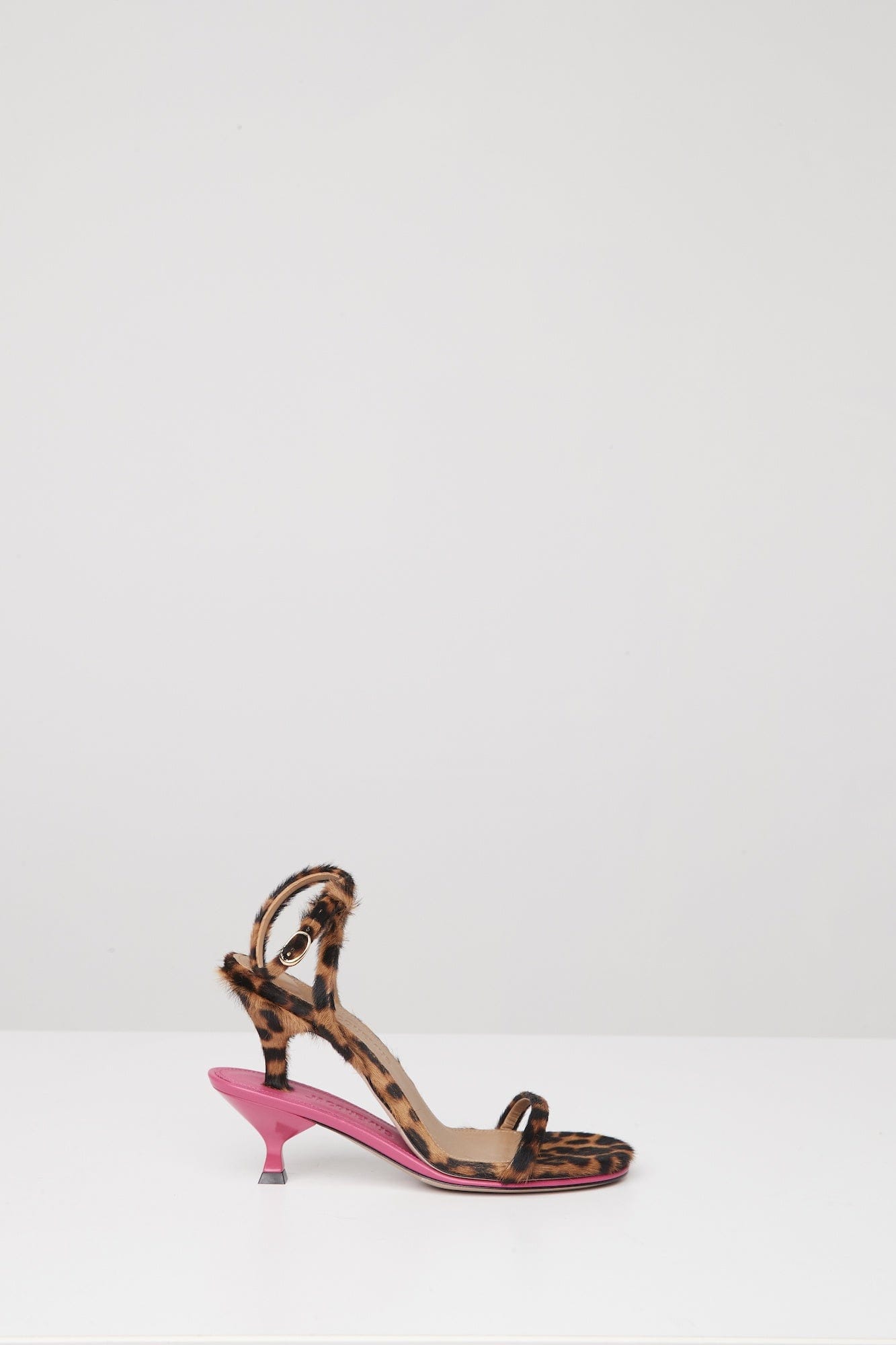
So, step into those wild shoes with a clear strategy and unshakable conviction. Use neutrality as your foundation, echo elements for cohesion, master proportion for balance, and let context guide your adaptations. Remember, the most important ingredient is your own confidence. When you do this, you’re not just following a trend. You’re authoring a visual statement that is entirely, unmistakably your own. The world of fashion is your playground, and those extraordinary shoes are your most powerful tool for self-expression. Now go out and make some noise with every step you take.
