

Comfort Meets Style for Every Step
We often think of footwear as a mere accessory, a final touch to an outfit. But for anyone who spends a significant part of their day on their feet—whether navigating city streets, exploring nature trails, or simply managing the daily commute—the choice of shoe transcends fashion. It becomes a fundamental decision impacting our physical well-being, energy levels, and even our mood. The right walking shoe is not just about avoiding blisters; it’s an investment in a foundation that supports our entire body’s biomechanics. This article delves into why the perfect fusion of comfort and style is not a luxury but a necessity, exploring the science behind foot health, the evolution of design, and how to identify the pair that truly works for you.
The Biomechanics of Walking: Why Your Foundation Matters
Every step you take is a complex orchestration of bones, muscles, tendons, and ligaments. The human foot, with its 26 bones, 33 joints, and over 100 muscles, tendons, and ligaments, is a marvel of engineering designed for propulsion and shock absorption. When this system is poorly supported, the repercussions travel upward. As noted by the American Podiatric Medical Association, improper footwear can lead to a cascade of issues, including plantar fasciitis, Achilles tendonitis, bunions, and knee and lower back pain. A well-designed walking shoe acts as an external support system. It provides cushioning to attenuate the ground reaction forces—which can be 1.5 times your body weight with each step—and offers stability to guide the foot through its natural gait cycle from heel strike to toe-off. This isn’t mere speculation; studies from institutions like the University of Virginia’s Motion Analysis and Motor Performance Laboratory utilize gait analysis to show how specific shoe features can correct overpronation or supination, aligning the entire kinetic chain. Therefore, selecting a shoe isn’t just about softness; it’s about finding a tool that complements your unique biomechanics, turning walking from a potential source of strain into an efficient, healthy, and enjoyable activity.
Cushioning vs. Support: Decoding the Technical Jargon
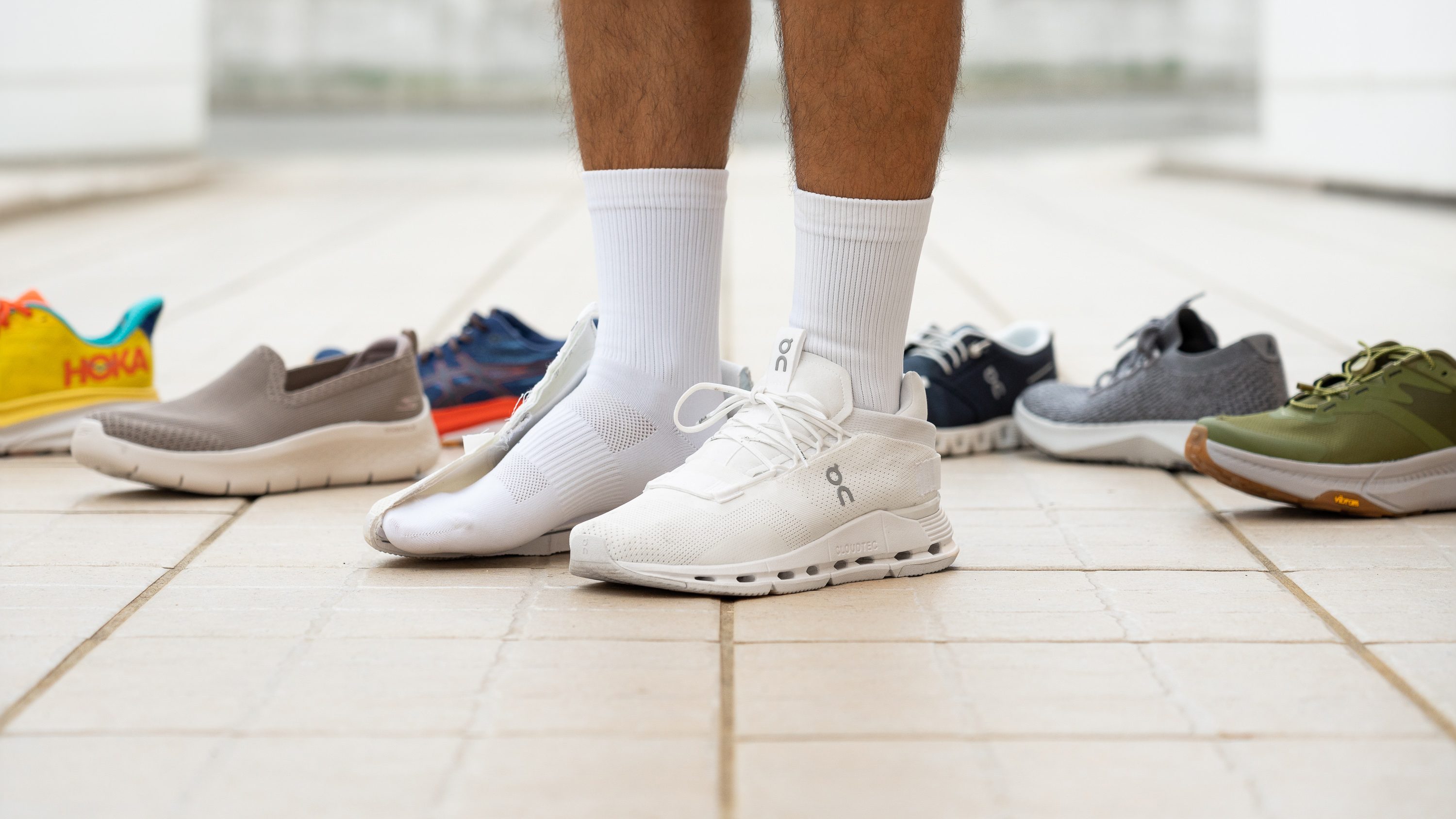
Walk into any store or browse online, and you’ll be bombarded with terms like “memory foam,” “gel capsules,” “air units,” “arch support,” and “motion control.” Understanding the difference between cushioning and support is crucial. Cushioning refers to the shoe’s ability to absorb impact. Materials like EVA (ethylene-vinyl acetate) foam, polyurethane, and proprietary gels are engineered to dissipate energy, protecting your joints. However, as Dr. Casey Kerrigan, a former Harvard Medical School professor and gait biomechanics researcher, has pointed out, excessive, overly soft cushioning can sometimes be counterproductive, destabilizing the foot and causing muscles to work harder. Support, on the other hand, relates to the shoe’s structure—particularly the midsole and heel counter—which guides the foot and prevents excessive or unnatural rolling. A good walking shoe strikes a balance. It offers responsive cushioning that doesn’t deaden the feel of the ground entirely while providing structured support that aligns the heel and arch without being rigid. Think of it as a tailored suit: it should embrace and guide the form (support) while being comfortable to wear for hours (cushioning).
The Style Revolution: No Longer a Sacrifice
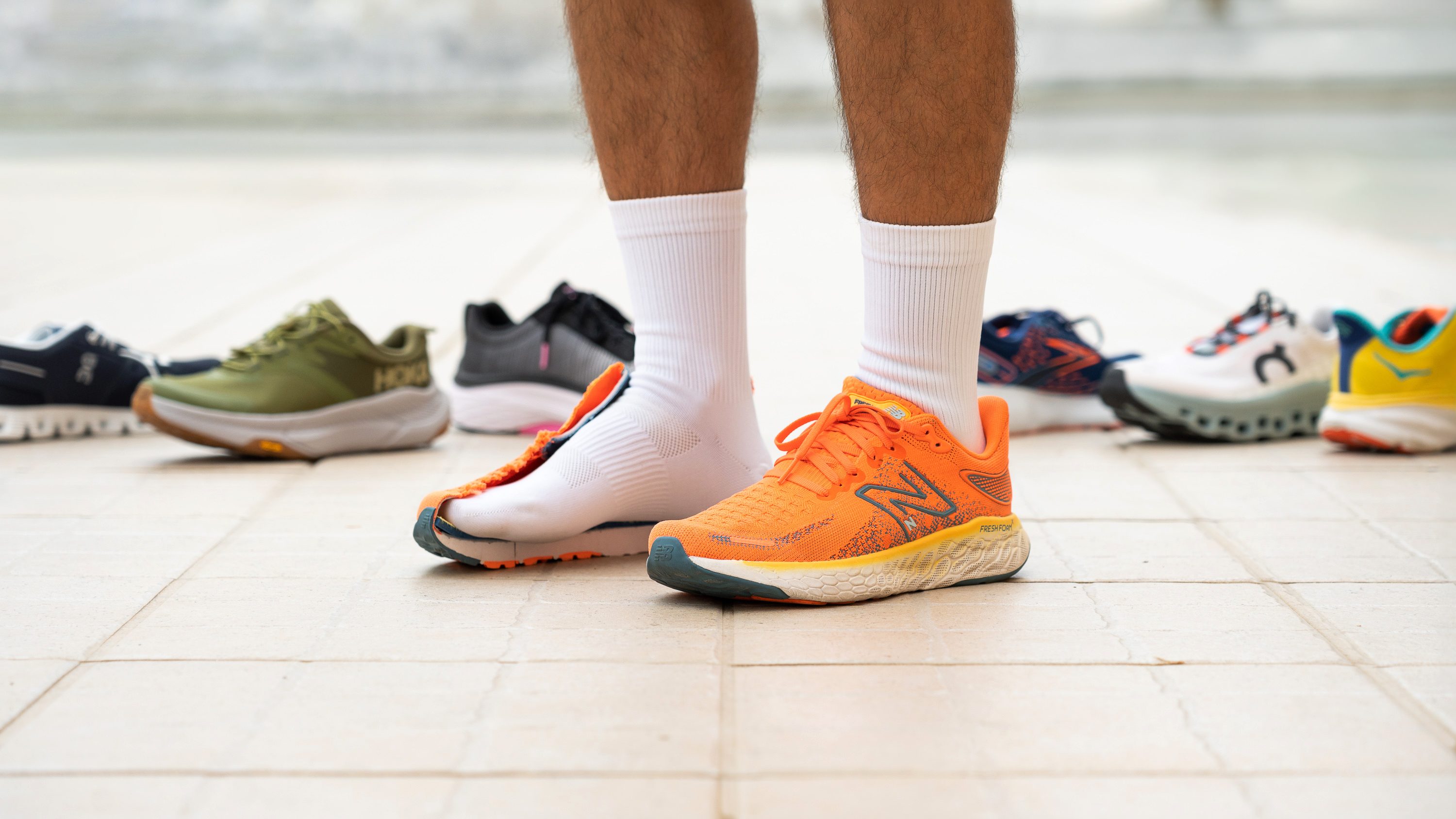
For decades, “comfort shoes” conjured images of clunky, beige, orthopedic-looking designs. That era is decisively over. A powerful convergence of athleisure trends and advanced manufacturing has sparked a style revolution. Leading brands and innovative startups now understand that consumers refuse to choose between feeling good and looking good. From sleek, minimalist sneakers that pair effortlessly with business casual attire to rugged, trail-ready shoes with contemporary color palettes, the modern walking shoe is a fashion statement. This shift is driven by consumer demand, as evidenced by market analyses from sites like Business of Fashion, which highlight the explosive growth of the performance-lifestyle category. Designers are collaborating with podiatrists and biomechanists, integrating hidden support technologies into aesthetically pleasing silhouettes. The result? Footwear that transitions seamlessly from a morning walk to a midday meeting to an evening out, proving that practical engineering and sophisticated design are not mutually exclusive but are, in fact, the new industry standard.

Material Matters: Innovation from Upper to Outsole
The quest for the ultimate walking shoe is fought on the battlefield of materials. Today’s uppers are a far cry from stiff, non-breathable leather. Engineered knits and meshes, often made from recycled polyester, provide adaptive stretch, targeted ventilation, and a sock-like fit that reduces friction. Brands like Allbirds popularized the use of natural merino wool for temperature regulation, while others use seamless 3D printing to eliminate internal stitching that can cause hotspots. The midsole continues to see innovation, with brands developing proprietary foams that are lighter, more durable, and more energy-returning than traditional EVA. Perhaps the most critical yet overlooked component is the outsole. The rubber compounds and tread pattern are meticulously designed for durability and grip. A multi-surface outsole will have a different lug pattern than one made for paved roads. As highlighted in resources like Runner’s World shoe guides, paying attention to the outsole’s wear pattern is also a key indicator of when the shoe’s structural support has degraded, long before the upper looks worn out.
Finding Your Perfect Match: A Personal Journey
With countless options, finding your ideal pair is a personal journey. The most expensive or highly-rated shoe is not necessarily the right one for you. Start by understanding your foot type: a simple wet foot test on cardboard can reveal if you have a high, neutral, or low arch. This influences whether you need neutral, stability, or motion control features. Secondly, consider your primary walking environment. Are you mostly on pavement, treadmill, or uneven trails? The required cushioning, flexibility, and traction will vary. Most importantly, always try shoes on in the afternoon or evening, as feet naturally swell throughout the day. Wear the socks you intend to walk in and ensure there’s about a thumb’s width of space between your longest toe and the end of the shoe. Walk around the store, on different surfaces if possible. Listen to your feet. The right shoe should feel supportive and comfortable from the first step, without a “break-in” period that signals poor fit. Remember, you are not just buying a product; you are selecting a partner for thousands of steps to come.
The Longevity Equation: When to Retire Your Trusty Companions
A common mistake is holding onto a favorite pair of walking shoes long past their functional expiration date. The cushioning and support materials compress and break down over time and mileage, long before the exterior shows significant wear. The general consensus among podiatrists and fitness experts, frequently cited on health platforms like Verywell Fit, is to replace walking shoes every 300 to 500 miles. For a daily walker covering 3-5 miles, this translates to roughly every 4 to 6 months. Signs of retirement include noticeable loss of cushioning (you feel more impact), uneven wear on the outsole, or new aches and pains in your feet, legs, or back that weren’t there before. Rotating between two pairs can extend the life of each by allowing the midsole foam to fully decompress between uses. Investing in a new pair is not an extravagance; it’s a cost-effective measure to prevent far more expensive physiotherapy bills down the line. Your future self will thank you for not clinging to a worn-out foundation.
:max_bytes(150000):strip_icc()/when-should-i-replace-my-walking-shoes-3436325-0801-7a1840d83573471092e0380f9e230ecc.jpg)
The journey to finding where comfort definitively meets style in a walking shoe is an empowering one. It moves us from being passive consumers to informed participants in our own well-being. By marrying scientific understanding of biomechanics with an appreciation for modern design, we can make choices that honor both our bodies and our personal aesthetic. The perfect shoe is out there—a seamless blend of invisible support and visible style, engineered to carry you confidently through every part of your day. It’s a reminder that taking care of yourself doesn’t require a compromise; it can be an expression of savvy, self-respect, and smart style, one step at a time.
