

Your Ultimate Guide to Stylish and Comfortable Everyday Footwear
Let’s move beyond the idea that style and comfort are opposing forces in footwear. The modern landscape offers a fusion where aesthetic appeal meets ergonomic science, creating shoes that support you from your first step in the morning to your last in the evening. This guide is designed to navigate that landscape, providing you with the knowledge to select footwear that doesn’t force you to choose between looking good and feeling good. We’ll dissect the anatomy of comfort, explore the principles of timeless style, and introduce you to the innovations that make today’s shoes superior. By the end, you’ll see your shoe rack not just as a collection, but as a curated toolkit for daily life.
The Foundation: Understanding What Makes a Shoe Work for You
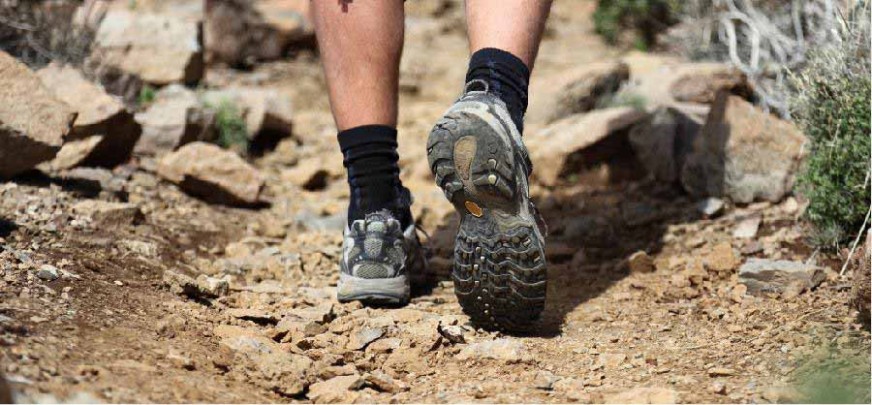
The journey to perfect everyday footwear begins beneath your feet—literally. The critical interface between you and the ground is defined by a shoe’s construction. At the heart of this is the walking shoe philosophy, which prioritizes a heel-to-toe rolling motion, stability for medial-lateral movement, and cushioning that absorbs impact without sacrificing responsiveness. According to biomechanics research from institutions like the University of Calgary’s Human Performance Laboratory, the gait cycle during walking places unique stresses on the feet, knees, and hips, distinct from running. A proper walking shoe is engineered for these specific forces, often featuring a beveled or rounded heel to encourage a smooth transition and a flexible forefoot to allow your foot to bend naturally. The midsole, frequently made from advanced compounds like EVA (ethylene-vinyl acetate) or polyurethane, is the engine of comfort. Its density and geometry determine not just softness, but also energy return and durability. Ignoring this foundational knowledge means choosing shoes based on aesthetics alone, which can lead to fatigue, discomfort, and long-term musculoskeletal issues. Therefore, recognizing a true walking shoe is the first, non-negotiable step.
Arch Support and Foot Type: The Blueprint of Comfort
Your arch is the fundamental architectural element of your foot, and its shape—whether high, neutral, or flat—dictates the type of support you require. This isn’t mere speculation; it’s podiatric orthodoxy. The American Podiatric Medical Association (APMA) grants its Seal of Acceptance to footwear that promotes good foot health, and a key criterion is appropriate arch support. For a neutral arch, a shoe with moderate support and cushioning typically suffices. A flat foot (overpronation) often requires a walking shoe with a firmer medial post—a denser area of material on the inner side of the midsole—to control excessive inward rolling. Conversely, a high arch (underpronation or supination) benefits from maximum cushioning and a curved last (the foot-shaped form on which the shoe is built) to distribute pressure. You can determine your arch type with the classic “wet test” at home. Selecting a shoe that contradicts your arch type is like building a house on an unstable foundation; the structure may look fine, but it will inevitably lead to problems. Investing in footwear that aligns with your biomechanical blueprint is an investment in your daily well-being.
The Style Synthesis: Where Design Meets Function
Gone are the days when technical shoes were eyesores. Contemporary design has seamlessly integrated performance features into silhouettes that work in urban environments, casual offices, and social settings. The evolution of materials is a key driver. Knitted uppers, like those pioneered by Adidas with Primeknit, provide a sock-like, adaptive fit that moves with your foot while offering a modern, streamlined look. Sustainable materials, such as recycled polyester blends and plant-based leathers, are now common in collections from brands like Allbirds and Rothy’s, appealing to eco-conscious consumers without compromising on style. The color palette of performance footwear has exploded beyond white and gray into earthy tones, bold accents, and monochromatic schemes that pair easily with everyday wardrobes. As designer Tinker Hatfield, the mind behind iconic Nike Air Max and Jordan models, once stated in an interview with Fast Company, “The best design happens at the intersection of art and science.” Today’s leading walking shoe exemplifies this philosophy, proving that innovative engineering can be housed in a visually compelling package.

Versatility as a Style Principle
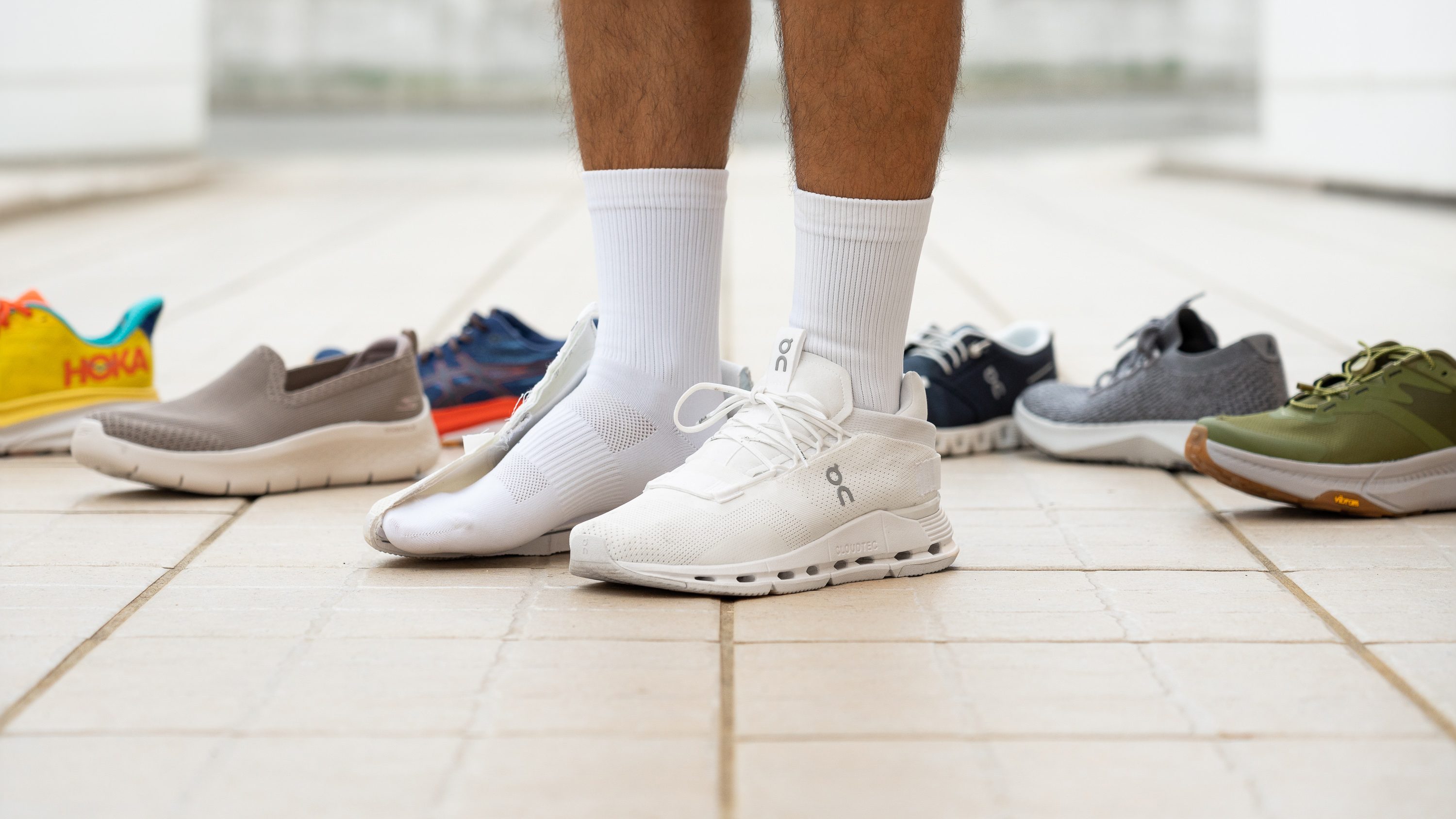
The most valuable shoe in your closet is one that transitions effortlessly across multiple contexts. This versatility is a style principle in itself. Consider a minimalist white leather sneaker with clean lines: it can complement chinos for a smart-casual look, pair with jeans for weekend errands, and even work with tailored shorts in the summer. The key is in the details—a lack of overt branding, a balanced profile (neither overly bulky nor too slim), and a color that serves as a neutral anchor. This approach is championed by style authorities from GQ to The Wall Street Journal’s lifestyle sections, which frequently highlight “go-anywhere” shoes as wardrobe essentials. A versatile walking shoe reduces decision fatigue and maximizes your investment. Instead of owning specialized shoes for every minor scenario, a few well-chosen, versatile pairs create a more functional and sustainable wardrobe. It’s about curating pieces that serve multiple purposes without shouting their function, allowing your personal style to remain at the forefront.
Navigating the Market: Brands and Technologies Decoded
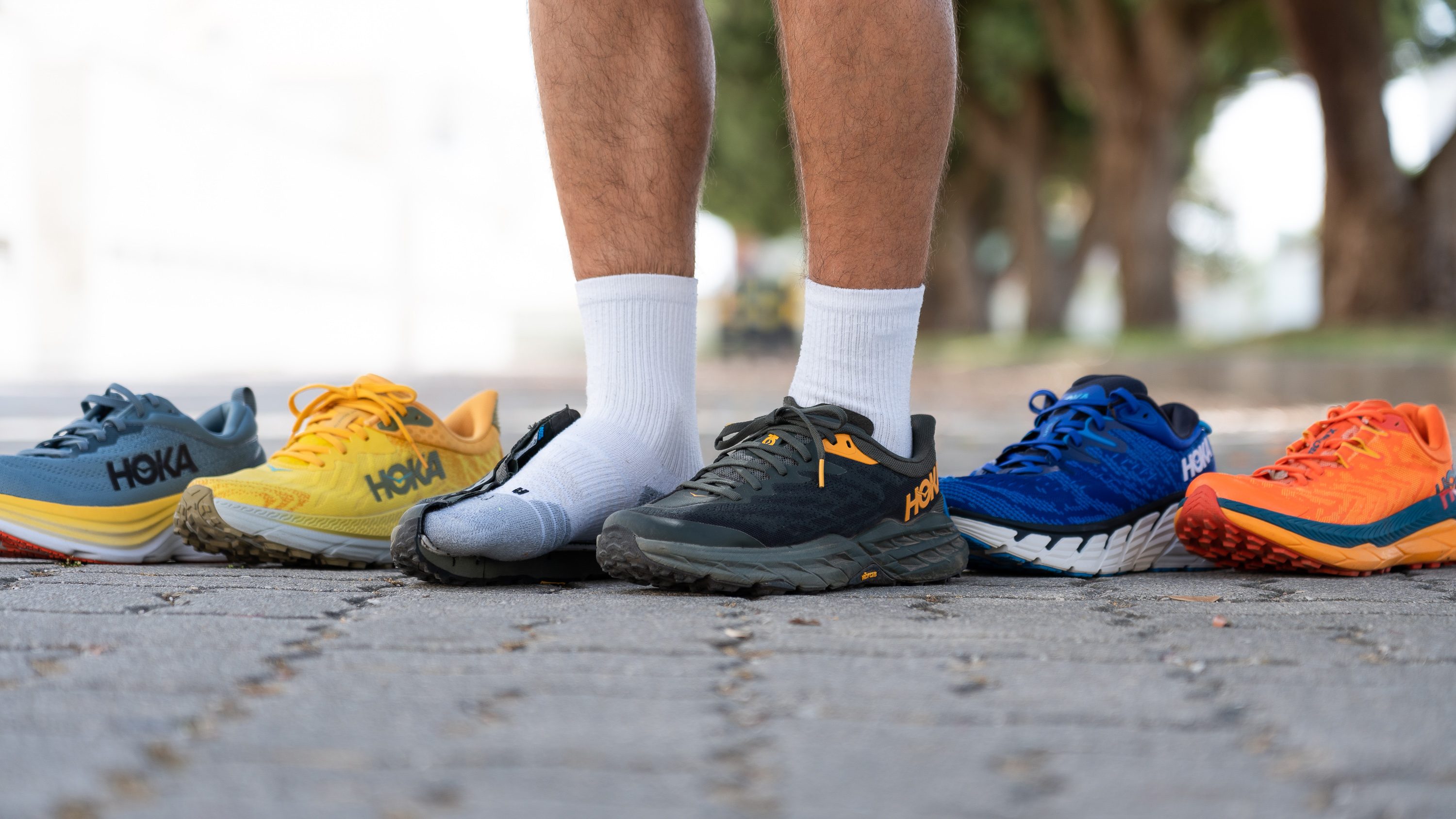
The footwear market can be overwhelming, with every brand touting proprietary technologies. Let’s demystify some key players. Hoka One One revolutionized cushioning with its maximalist midsoles, using early-stage meta-rocker geometry to promote a smooth gait. Their Bondi or Clifton models are often cited by long-distance walkers and nurses for all-day comfort. On the other end, brands like Vivobarefoot follow a minimalist “barefoot” philosophy, promoting natural foot movement with thin, flexible soles and wide toe boxes, a concept supported by some studies on foot musculature. Mainstream athletic giants like Nike and New Balance offer robust walking-specific lines; Nike’s Air Zoom technology provides responsive cushioning, while New Balance’s Fresh Foam offers plush, data-driven comfort. For those seeking a blend of European style and comfort, Ecco and Geox utilize advanced leather treatments and membrane technologies for breathability and waterproofing. The “right” brand depends entirely on your individual foot shape, gait, and style preference. There is no single best brand, only the best brand for you.
The Investment Perspective: Cost Per Wear
When evaluating the price of a quality walking shoe, shift your mindset from initial cost to long-term value. A well-constructed shoe from reputable materials may carry a higher price tag—often in the $120 to $180 range—but its cost per wear over two years of daily use becomes negligible. Compare this to a cheaply made pair that may disintegrate or lose support within six months, potentially causing discomfort that has its own “cost.” Furthermore, many premium brands offer robust warranties and refurbishment programs. To make this investment more accessible, savvy shoppers should monitor seasonal sales (end-of-season clearances, Black Friday), sign up for brand newsletters for exclusive discounts, and consider outlet stores or certified resellers for previous-season models. The technology in a shoe from two seasons ago is often still vastly superior to a generic pair today. Investing intelligently means paying for engineering and durability that pays you back in comfort every single day.
Putting It Into Practice: Your Personal Footwear Audit
Knowledge is only powerful when applied. Start by conducting an audit of your current everyday footwear. Examine the wear patterns on the soles: excessive wear on the inner heel suggests overpronation, while outer edge wear may indicate supination. How do your feet feel at the end of a typical day in each pair? Note any correlations between specific shoes and aches in your feet, knees, or lower back. Next, measure your feet at the end of the day when they are slightly swollen, and always measure both, as one foot is often larger. Use this measurement, not your assumed size, when shopping. When trying on shoes, do so with the socks you intend to wear and ensure there’s about a thumb’s width of space between your longest toe and the end of the shoe. Walk on a hard surface, not just carpet, and trust the immediate sensation of support and space. Your ideal walking shoe should feel good from the first step, requiring no “break-in” period that involves pain or blisters.
The quest for the perfect everyday shoe is not a trivial pursuit of fashion; it is a fundamental component of self-care and functional living. By marrying scientific understanding of foot biomechanics with an eye for versatile design, you empower yourself to make choices that enhance your daily life. You move through the world supported, confidently and comfortably, in footwear that reflects a conscious understanding of what your body needs and what your style expresses. Let this be the standard for every pair you bring into your life—a synergy of support, durability, and aesthetic that makes every step a better one.
