

The Walking Shoe: Your Ultimate Guide to Stylish and Comfortable Footwear
Forget the notion that comfort and style are mutually exclusive in footwear. The modern pursuit of wellness, coupled with advancements in material science and biomechanical understanding, has birthed a category of shoe that is as essential to daily life as it is revolutionary: the walking shoe. This isn’t about specialized athletic gear reserved for the track or gym. This is about the foundational piece that supports your body from the ground up during the most fundamental human movement—walking. Whether you’re navigating urban landscapes, exploring nature trails, or simply managing the daily marathon of errands and commutes, the right walking shoe is not a luxury; it’s a tool for sustained health, energy, and confidence. This guide delves into the anatomy, science, and style of these indispensable companions, moving beyond marketing hype to deliver objective knowledge and practical insights for your next—and best—pair.
The Foundation: Why Your Everyday Shoe Matters More Than You Think
Consider the sheer volume of steps your feet endure. The average person takes between 4,000 to 10,000 steps per day, accumulating over 100,000 miles in a lifetime, as noted by podiatrists and biomechanics researchers. Each step generates a force of 1.5 to 3 times your body weight, a shockwave that travels from your heel, through your arches, and up your kinetic chain to your knees, hips, and spine. Wearing unsupportive or ill-fitting footwear is akin to building a skyscraper on a cracked foundation; the structural integrity of the entire system is compromised. A study from the University of North Carolina’s Department of Exercise and Sport Science highlights that improper footwear is a leading modifiable factor in overuse injuries like plantar fasciitis, shin splints, and chronic knee pain. The walking shoe, therefore, is engineered as a dynamic interface between your body and the ground. Its primary role is not just to protect your foot from the elements, but to manage impact forces, provide stability, and facilitate the natural, efficient gait cycle. From the density of the midsole foam to the flex pattern of the outsole, every component is a calculated response to biomechanical demands. This scientific approach transforms walking from a passive, potentially stressful activity into an active contributor to joint health, muscular balance, and overall vitality.
Deconstructing Comfort: The Core Technologies Explained
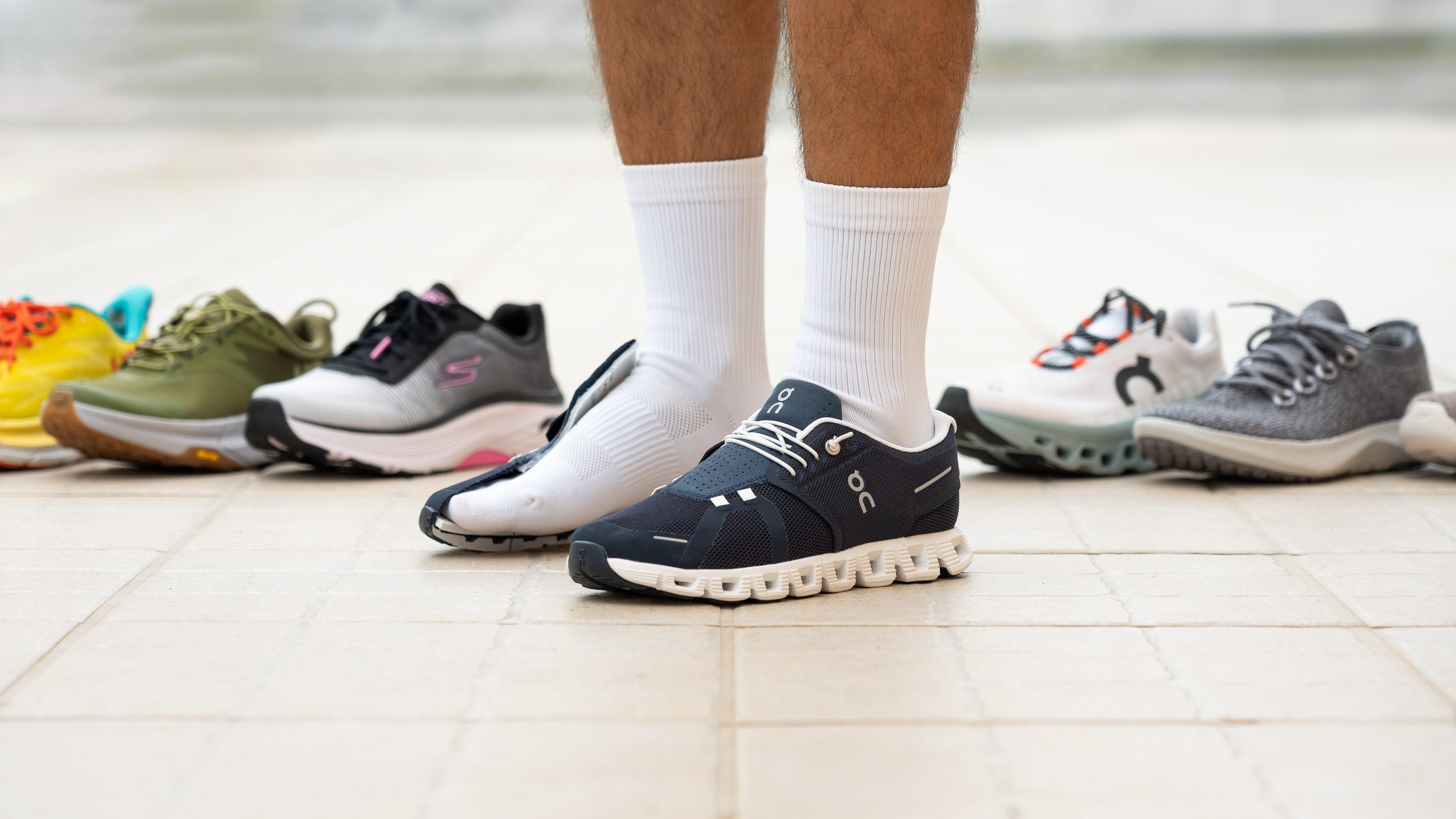
To understand what makes a great walking shoe, we must dissect its anatomy. The magic lies in a synergy of components, each with a specific, scientifically-backed function. Let’s start with the midsole, the heart of cushioning. Historically, ethyl vinyl acetate (EVA) foam was the standard, but today, advanced compounds like polyurethane (PU), thermoplastic polyurethane (TPU), and proprietary blends like Brooks’ DNA LOFT or ASICS’ FlyteFoam offer superior resilience, durability, and energy return. According to material science literature from institutions like MIT, these polymers are engineered to compress under load and rebound, dissipating shock rather than transmitting it to your body. Next is the insole or sockliner. Often overlooked, this removable layer provides immediate step-in comfort and can be critical for those requiring custom orthotics. The outsole is your connection to the terrain. Durable rubber compounds, often with carbon additives for wear resistance, are patterned with flex grooves to allow the foot to bend naturally and with lugs or tread patterns for traction. The upper has evolved from heavy leather to engineered meshes, like Adidas’ Primeknit or Nike’s Flyknit, which offer targeted breathability, stretch, and support without weight or seams that cause irritation. Finally, the heel counter—a firm cup at the back of the shoe—is vital for rearfoot stability, preventing excessive inward or outward rolling (overpronation or supination), a key concept in podiatric biomechanics. A true walking shoe integrates these elements not as a collection of features, but as a unified system designed around the human gait.
The Style Equation: Where Form Meets Function Without Compromise
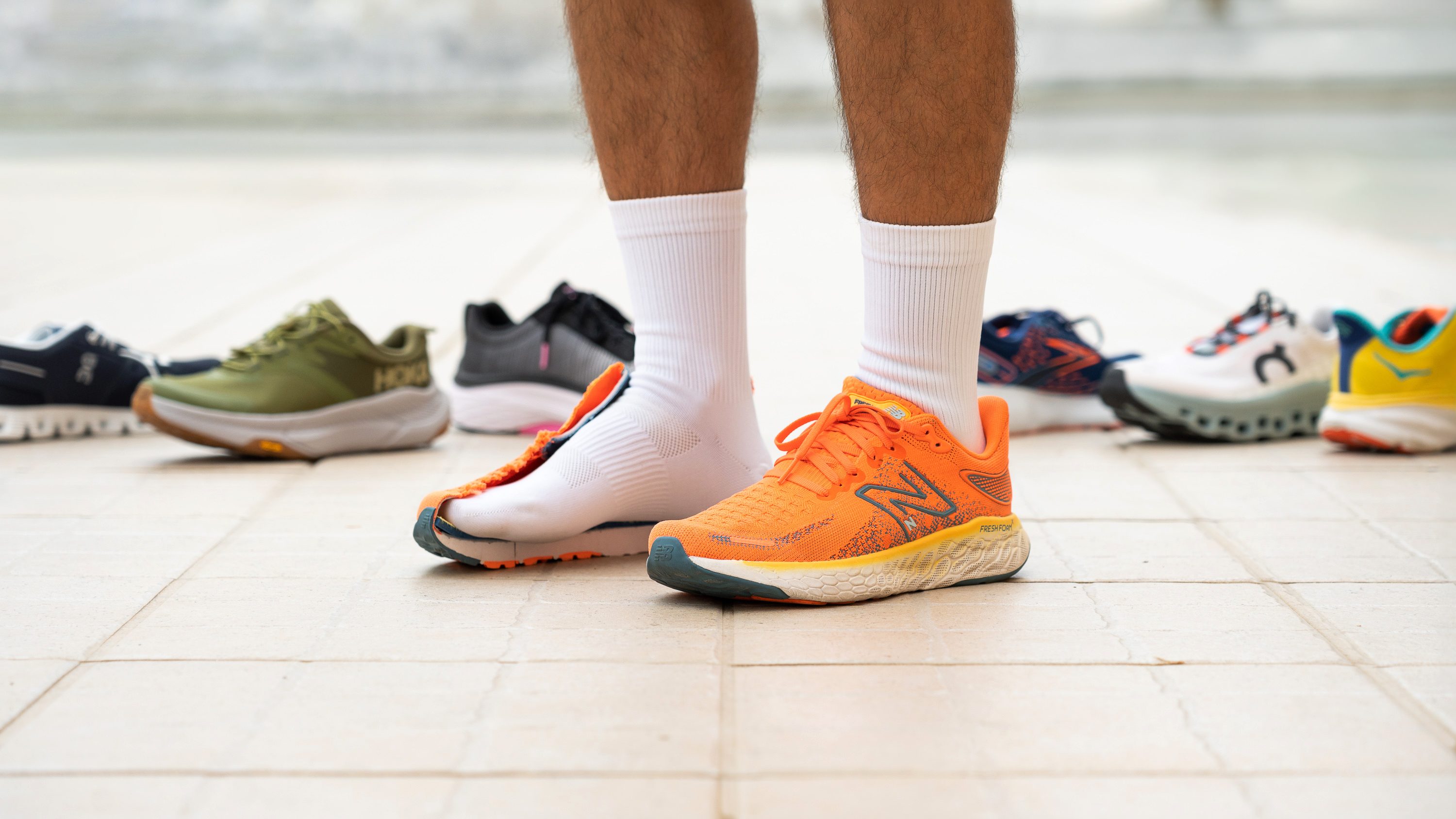
The historical stigma of “comfort shoes” being clunky and aesthetically unappealing has been utterly dismantled. The driving force behind this shift is a cultural movement, eloquently captured by figures like renowned designer Tinker Hatfield, who famously stated, “Design should be human-first. Performance and beauty are not opposites; they are two sides of the same coin when you understand the human need.” This philosophy has permeated the industry. Brands like Allbirds, with their minimalist Merino wool designs, and Cole Haan, with their dress shoe-sneaker hybrids (like the Grand series), have proven that sophisticated aesthetics can house cutting-edge comfort technology. The rise of “athleisure” and the normalization of sneakers in professional settings, as documented by fashion analysts from Vogue to The Business of Fashion, reflect a societal prioritization of well-being. Today’s stylish walking shoe might feature a sleek, monochromatic knit upper, a subtly sculpted midsole that adds visual interest without bulk, and color palettes that range from neutral essentials to bold statements. The key is that these design choices are not superficial; they are executed using the same performance-grade materials. The streamlined look is a result of precision engineering, not a reduction in support. You are no longer forced to choose between looking polished and feeling phenomenal. The modern market offers a spectrum, from shoes that disappear under a suit to those that are the standout piece of a casual outfit, all while providing the foundational support your body requires.
Navigating the Market: A Practical Buyer’s Framework
With countless options, selecting the right pair can be daunting. Move beyond brand loyalty or trends and adopt a systematic approach. First, know your gait. Many specialty running stores offer free gait analysis. Are you a neutral walker, an overpronator, or do you have a high arch that leads to supination? This will dictate the level of stability or motion control you need. Second, prioritize fit over size. Your shoe size can change over time. Always try shoes on in the afternoon when feet are naturally slightly swollen. There should be a thumb’s width of space between your longest toe and the end of the shoe, and the widest part of your foot should align with the widest part of the shoe without feeling constricted. Third, consider your primary terrain. A shoe with a deep, multi-directional lug pattern is essential for muddy or uneven trails, while a smooth, flexible outsole is better for pavement. Fourth, assess the heel-to-toe drop. This is the height difference between the heel and forefoot. A moderate drop (6-10mm) is common and suits most walkers, promoting a gentle heel-to-toe transition. Finally, listen to expert consensus Websites like Runner’s World (which extensively tests walking shoes), the American Podiatric Medical Association’s list of accepted products, and aggregated reviews on platforms like RunRepeat provide data-driven insights that cut through marketing claims. Remember, the most expensive shoe is not necessarily the best for you.

The Longevity Lens: When to Retire Your Trusty Companions
A critical, often neglected aspect of footwear care is knowing when a shoe’s service life has ended. Cushioning materials break down from compression cycles long before the exterior shows significant wear. The common recommendation from biomechanists and shoe manufacturers is to replace walking shoes every 300 to 500 miles. For a daily walker covering 3 miles a day, that’s roughly every 4 to 6 months. However, mileage is not the only indicator. Place your shoes on a flat surface and view them from behind. If the heel counter is visibly tilted inward or outward, or if the midsole foam is creased and no longer resilient to the touch, its structural integrity is failing. Another simple test is the “twist test.” Try twisting the shoe along its longitudinal axis. A new, supportive shoe will offer considerable resistance. A worn-out one will twist easily, indicating the midsole has lost its stability. Persisting with degraded shoes nullifies all their engineered benefits and reintroduces the risk of injury. Investing in a new pair is not an extravagance; it’s a reinvestment in your physical health. To maximize value, look for previous-season models or sales from reputable retailers, where you can often find premium technology at a discounted price, making the essential cycle of replacement more economical.
:max_bytes(150000):strip_icc()/when-should-i-replace-my-walking-shoes-3436325-0801-7a1840d83573471092e0380f9e230ecc.jpg)
The journey to finding the perfect walking shoe is a personal one, a convergence of individual biology, lifestyle demands, and aesthetic preference. It is a decision that reverberates through every step you take, influencing your posture, your energy levels, and your long-term musculoskeletal health. By embracing the science behind the design, respecting the signals of wear, and recognizing that true style is inseparable from intelligent function, you empower yourself to make an informed choice. Let your shoes be more than just coverings for your feet; let them be the well-engineered foundation for a more active, comfortable, and vibrant life. The path forward is best traveled with support, one thoughtful step at a time.
