

The Ultimate Guide to Vionic Walking Shoes for All-Day Support
In a world where our feet are the foundation of our daily lives, the quest for footwear that offers genuine, all-day support is more than a matter of comfort—it’s a cornerstone of wellness. For those who spend hours on their feet, whether navigating city streets, managing a busy household, or exploring new trails, the wrong shoes can lead to a cascade of discomfort affecting ankles, knees, hips, and even the back. This is where the science of biomechanics meets practical design, and few brands have carved out a niche in this intersection as definitively as Vionic. The Vionic walking shoe is not merely an accessory; it is a tool engineered for sustained mobility. Built upon the principles of orthotic science, these shoes are designed to guide the foot through its natural motion while providing a stable, supportive platform. This guide delves into the architecture of support, explaining why a Vionic walking shoe stands apart and how its design philosophy translates into tangible benefits for your posture and endurance.
The Biomechanical Blueprint: Understanding Foot Support
To appreciate what sets a Vionic walking shoe apart, one must first understand the biomechanics it aims to correct. The human foot is a complex structure of 26 bones, 33 joints, and over 100 muscles, tendons, and ligaments. Its primary functions are shock absorption, propulsion, and adaptation to terrain. However, modern lifestyles often involve hard, flat surfaces and footwear that neglects these natural functions, leading to overpronation (excessive inward rolling of the foot) or supination (outward rolling). Both can misalign the entire kinetic chain. According to research from institutions like the University of Pittsburgh’s Department of Orthopaedic Surgery, improper foot alignment is a significant contributor to conditions like plantar fasciitis, metatarsalgia, and Achilles tendinitis. Vionic’s approach is rooted in this clinical understanding. Their signature biomechanical footbed is not a generic arch support; it is a three-zone comfort system comprising a deep heel cup, arch support that aligns with the foot’s natural contour, and a forefoot pad. This design, often backed by podiatrist recommendations, actively works to stabilize the heel, promote neutral alignment, and distribute pressure evenly across the foot’s plantar surface. It’s a proactive approach to foot health, transforming a simple shoe into a platform for proper movement.
Deconstructing the Vionic Difference: Key Technological Features
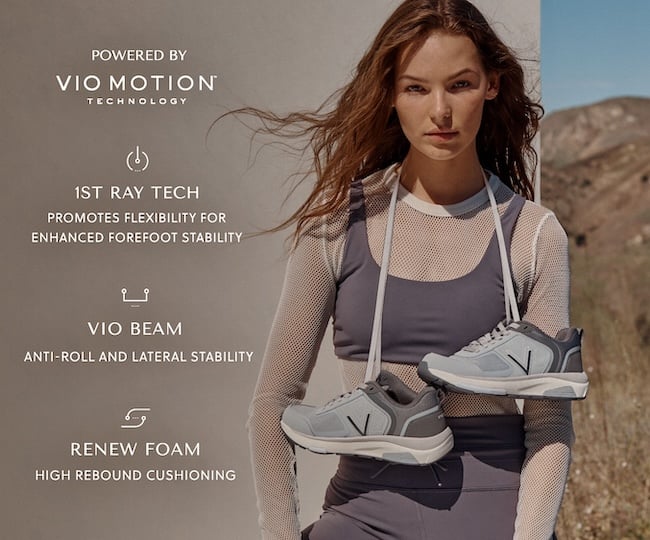
The reputation of the Vionic walking shoe is built on specific, patented technologies that work in concert. The cornerstone is the Vionic Motion System, which integrates the orthotic footbed with a strategically designed midsole and outsole. The footbed itself is often removable, allowing for customization or the use of personal orthotics, though its design is comprehensive enough to serve most needs. The midsole typically employs lightweight, responsive materials like EVA foam that provide cushioning without sacrificing stability. Crucially, the outsole design incorporates a rolling motion or a “rocker” profile. This feature, studied in gait analysis labs for its benefits in reducing forefoot pressure and facilitating a smoother heel-to-toe transition, minimizes the effort required with each step. Furthermore, many models feature a durable rubber outsole with multi-directional lugs for traction, ensuring security on varied surfaces. From a materials perspective, uppers are constructed from breathable leathers, mesh, or knit fabrics that conform to the foot, reducing friction points. This holistic integration of footbed, midsole, and outsole creates a synergistic effect where support is dynamic, not static, adapting to and guiding the wearer’s gait throughout the day.

From Discomfort to Relief: Testimonials and Clinical Perspectives
The efficacy of any wellness product is best measured by the experiences of its users and the opinions of experts. Across platforms like Quora, dedicated foot health forums, and retailer reviews, a common narrative emerges from wearers of Vionic walking shoes: initial skepticism giving way to transformative relief. Individuals with chronic plantar fasciitis often report a significant reduction in morning heel pain after consistent wear. Nurses, teachers, and retail workers—professions synonymous with long hours standing—frequently cite Vionic as a game-changer for end-of-day fatigue. This anecdotal evidence finds support in professional endorsements. Many podiatrists, including Dr. Jackie Sutera, a prominent New York-based podiatric surgeon, have publicly advocated for shoes with built-in orthotic support like Vionic’s, noting their role in preventative care. On social media platforms like YouTube, certified fitness trainers and wellness influencers often dissect the shoe’s features, pointing to the visible arch structure and heel cup as evidence of its biomechanical intent. As one such reviewer noted, “It’s not about a plush feel that collapses; it’s about a supportive structure that holds. The difference in my posture after a week was noticeable not just in my feet, but in my lower back.” This convergence of user testimony and professional acknowledgment underscores the shoe’s functional purpose.
A Shoe for Every Stride: Navigating the Vionic Walking Collection
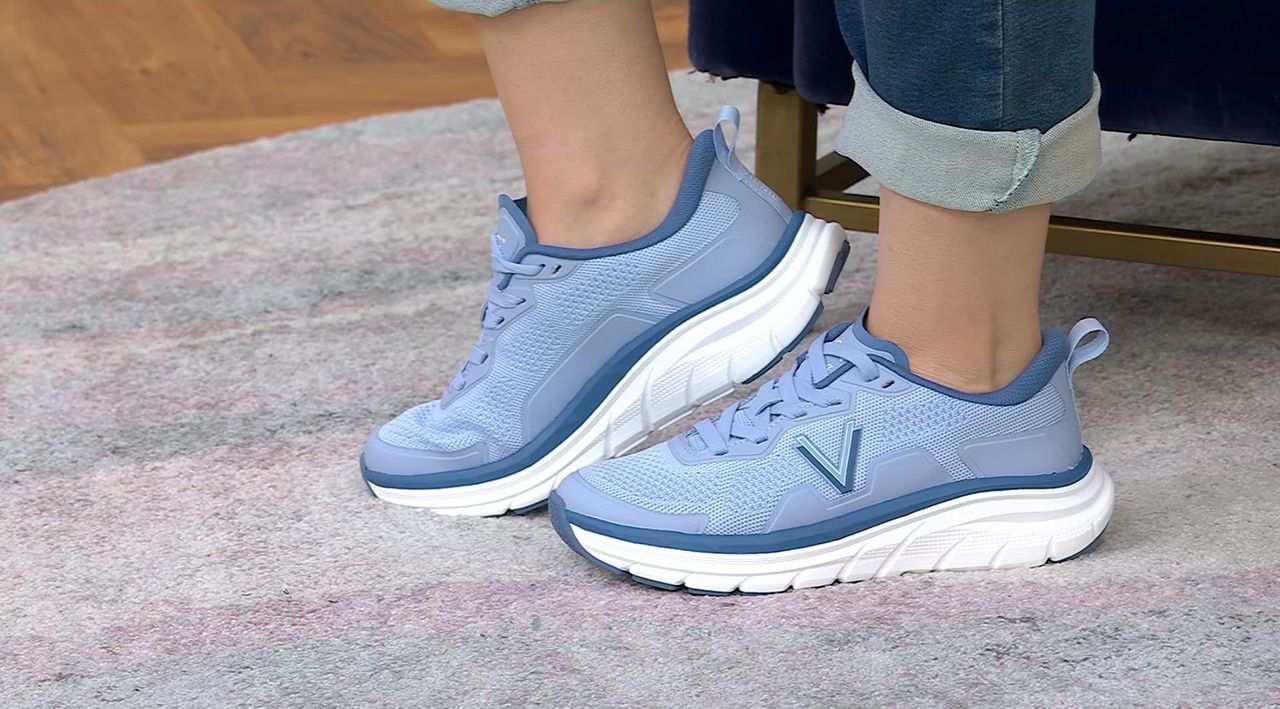
Vionic’s walking line is thoughtfully segmented to cater to different preferences and environments, ensuring that the core support technology is accessible in various forms. For the urban walker seeking a sleek, everyday look, models like the ‘Walker’ or ‘Walk Strider’ offer classic sneaker aesthetics with full Vionic technology, perfect for commuting or running errands. For those who prioritize breathability and a sock-like fit, knit upper versions provide flexibility and modern style. The ‘Walker’ often features a more structured leather upper, appealing to those who desire a traditional athletic look with superior support. For the avid walker or hiker on light trails, styles with more aggressive outsoles and protective toe caps offer enhanced durability and grip. The key for you, the consumer, is to identify your primary use case. Are you mostly on paved surfaces? Do you need something easily slip-on? Is water resistance a factor? Each model variation, while sharing the foundational orthotic footbed, tailors its upper materials, closure systems, and outsole patterns to these specific scenarios. This diversity ensures that committing to supportive footwear does not mean sacrificing personal style or functional needs for your particular activities.

Investing in Your Foundation: Value Beyond the Price Tag
It is true that a Vionic walking shoe often carries a higher initial price point than a standard department store sneaker. However, evaluating this as an investment in your long-term musculoskeletal health provides crucial context. Consider the cost of ongoing treatments for foot ailments: custom orthotics alone can range from $300 to $500 without insurance, physical therapy sessions add up quickly, and chronic pain can impact your quality of life and productivity. A well-constructed supportive shoe acts as a first line of defense. Furthermore, Vionic shoes are built with quality materials and construction meant for longevity, not fast fashion. The durable outsoles, resilient midsoles, and robust uppers are designed to maintain their supportive properties over hundreds of miles. To make this investment more accessible, savvy shoppers can look to official brand sales during holiday weekends, subscribe to newsletters for exclusive discounts, or check authorized retailers for clearance on previous colorways. The value proposition is clear: you are paying for patented biomechanical engineering, quality materials, and a design informed by clinical insight, which together aim to prevent the much higher physical and financial costs of neglect.
Your Path Forward: Stepping Into Supported Mobility
The journey to all-day comfort begins with a single, well-supported step. The evidence—from biomechanical principles and clinical endorsements to the lived experiences of countless wearers—paints a compelling picture. A Vionic walking shoe represents a fusion of science and design, engineered not just to carry you, but to guide you. It acknowledges that your feet are the base of your physical structure, and their alignment influences everything above. By choosing footwear that prioritizes this fundamental relationship, you are making a proactive decision for your mobility and comfort. Explore the range, feel the structured support underfoot, and experience the difference of a shoe designed with intention. Your daily stride, and your body, will thank you for the foundation it deserves.
