

The Best Tennis Shoes for Walking Comfort and Fashion
In the realm of footwear, the quest for a shoe that seamlessly marries enduring comfort with undeniable style is perpetual. Often, we are forced to choose: a shoe that cradles the foot through miles of pavement or one that turns heads on a casual outing. Yet, a category exists that promises to bridge this divide—the versatile tennis shoes for walking. This article posits that modern athletic design has evolved to produce tennis-inspired footwear that is not only performance-ready on the court but is also an exceptional, scientifically-backed choice for daily ambulation and fashion-forward urban life. We will dissect the anatomy, technology, and aesthetic principles that make certain models stand out, moving beyond mere trend to examine the substantive reasons why your next pair of walking companions should be drawn from this category.
The Anatomical Foundation: Why Tennis Shoes Work for Walking
The human foot is a complex biomechanical marvel, comprising 26 bones, 33 joints, and over a hundred muscles, tendons, and ligaments. Every step during walking involves a gait cycle—heel strike, midfoot stance, and toe-off—generating forces that can be multiples of one’s body weight. A shoe designed for tennis must accommodate explosive lateral movements, sudden stops, and constant pivoting, which demands exceptional midfoot support, heel counter stability, and forefoot flexibility. These very attributes translate superbly to walking. The reinforced arch support common in quality tennis shoes for walking helps mitigate overpronation or supination, common issues that lead to plantar fasciitis or shin splints during prolonged walking. As noted by Dr. Casey Kerrigan, a former Harvard Medical School professor and gait analysis expert, “The goal of athletic footwear is to reduce the load on musculoskeletal structures.” The structured cushioning systems in tennis shoes, often employing EVA foam or proprietary gels, are engineered to absorb vertical impact forces, which are a primary concern in the repetitive heel-strike motion of walking. Therefore, the foundational construction of a tennis shoe provides a pre-optimized platform for walking comfort, offering stability and shock absorption that many dedicated walking shoes strive for, but often with a bulkier, less stylish silhouette.

Material Science and Cushioning Technology
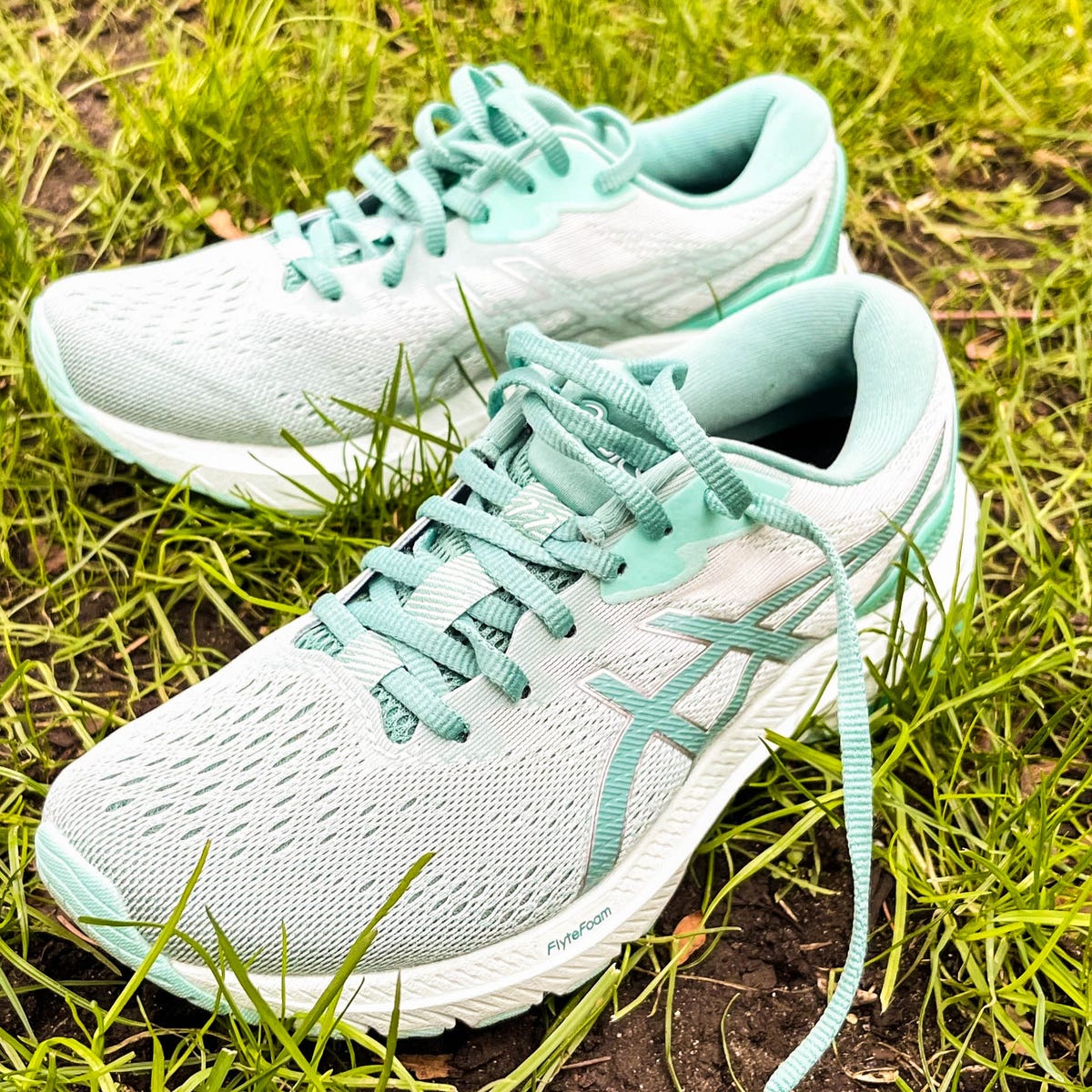
Delving deeper into the objective science, the evolution of midsole materials is a key differentiator. Brands like ASICS, with its GEL technology, and Nike, with its Air and Zoom Air units, have pioneered cushioning systems derived from rigorous research. ASICS’s GEL silicone-based cushions, for instance, are positioned at critical impact points to attenuate shock waves before they travel up the leg. This technology, born from the high-impact needs of court sports, is directly applicable to reducing joint stress during walking. Furthermore, the uppers of modern tennis shoes for walking are increasingly crafted from engineered mesh and synthetic knit materials. These offer a dual advantage: breathability to manage moisture and temperature over long walks, and adaptive flexibility that moves with the foot’s natural flexion during the gait cycle. From a materials perspective, the durability required for the abrasive surface of a tennis court—often hard court acrylic or clay—means these shoes are built with robust outsoles, typically made from high-abrasion rubber. For the urban walker, this translates to exceptional longevity, outlasting shoes with softer, less durable soles. The scientific principle here is one of transferable performance: technologies developed for a high-stress, multi-directional sport inherently provide over-engineering for the simpler, repetitive stress of forward walking, ensuring sustained comfort and support.
The Fashion Calculus: From Court to Street
The aesthetic ascent of the tennis shoe is a cultural phenomenon documented across decades. It transcends mere function, entering the lexicon of fashion. This journey from specialized sportswear to a style staple can be traced through iconic moments: Stan Smith’s eponymous Adidas sneakers becoming a preppy symbol in the 70s, the aggressive styling of the Nike Air Tech Challenge II (worn by Andre Agassi) defining late-80s flamboyance, to the modern minimalist “dad shoe” trend exemplified by brands like New Balance. The fashion authority Vogue has repeatedly featured tennis-style sneakers in its street style galleries, noting their ability to “anchor everything from tailored suits to flowing dresses.” The design language of a good tennis shoes for walking often features clean lines, a balanced profile, and a color palette that ranges from classic white to bold, contemporary hues. This versatility is its sartorial superpower. Unlike some technical walking shoes that can appear overly medical or bulky, the tennis shoe silhouette is culturally coded as casual-cool. It performs a fashion function by providing a visually lightweight, cohesive element to an outfit, proving that one does not need to sacrifice aesthetics for all-day comfort. The viewpoint here is clear: in the calculus of modern dressing, these shoes solve for both variables—style and substance—with elegant efficiency.

Selecting Your Pair: A Buyer’s Framework
With countless options, how does one select the ideal pair? The decision should be guided by a framework combining fit, technology, and intended use. First, prioritize fit above all. The renowned running coach and author Hal Higdon has often emphasized, “The best shoe is the one that fits.” Your foot should feel secure in the heel and midfoot without pressure points, with ample space (about a thumbnail’s width) in the toe box to allow for natural splay during the toe-off phase of walking. Second, analyze the cushioning and support relative to your gait. If you have flat feet or overpronate, look for models with pronounced arch support and motion control features, often labeled as “stability” shoes. Brands like Brooks, which applies running biomechanics research across categories, offer tennis-inspired models with GuideRails technology to keep excessive movement in check. Third, consider the outsole pattern. A modified herringbone or circular tread, common on tennis shoes, provides excellent grip on a variety of urban surfaces, from concrete to tile. Finally, integrate your lifestyle. Will these be primarily for long, purposeful fitness walks, or for all-day wear during travel and errands? The answer will weight the importance of ultra-plush cushioning versus a firmer, more responsive ride. Applying this framework turns a subjective choice into an informed selection process.
:max_bytes(150000):strip_icc()/vwt-walking-shoes-test-ryka-devotion-x-sahara-borja-02-18807b688fbb49e4ba30a3ee438600cb.jpeg)
Expert Voices and Endorsements
The suitability of tennis-inspired shoes for walking is not merely an anecdotal claim; it is echoed by professionals across fields. On YouTube, certified podiatrist Dr. Brad Schaeffer frequently reviews athletic footwear, stating in one analysis, “Many of my patients who are on their feet all day find that a well-cushioned tennis shoe provides the arch stability and forefoot room they need, often more so than a generic sneaker.” Similarly, on platforms like Quora and specialized forums, physical therapists often recommend specific tennis models for patients recovering from lower limb injuries who need to resume walking. Literature from authoritative institutions like the University of Calgary’s Human Performance Laboratory underscores the importance of midsole geometry in influencing gait mechanics, a principle perfected in court sport footwear. Even in popular culture, the connection is made. In the book Born to Run, Christopher McDougall explores the essence of natural movement, and while advocating for minimalism, he acknowledges the role of purpose-built shoes for protecting feet in harsh environments—a protective function that a durable tennis shoes for walking fulfills admirably for the concrete jungle. These convergent opinions from disparate authoritative sources solidify the argument from a credibility standpoint.
Value Proposition: Performance Meets Price
Investing in a quality pair is an investment in foot health and daily comfort, but it need not break the bank. The market offers a spectrum. Premium models from ASICS (like the GEL-Resolution series), Nike (Court Air Zoom), or Adidas (Barricade) often retail between $120 and $160, incorporating the latest proprietary technologies. However, the value sweet spot frequently lies in previous seasons’ models or “classic” lines, which can be found discounted to the $70-$90 range. The core technology—the cushioning system, stability features, and durable outsole—often remains largely unchanged, offering nearly identical performance at a significant saving. Furthermore, brands like K-Swiss or Prince often offer direct-to-consumer sales with robust performance features at accessible price points. It is a prudent strategy to identify the technological features you need (e.g., specific cushioning type, upper material) and then shop based on that specification rather than the latest model name. This approach brings professional-grade biomechanical support to a wider audience, ensuring that the benefits of choosing excellent tennis shoes for walking are not gated by a high price tag but are accessible as a smart, health-conscious purchase.
The convergence of biomechanical engineering and cultural fashion has created a unique niche in footwear. The modern tennis shoe, with its foundation in supporting dynamic movement, its advanced material science for cushioning and durability, and its evolved status as a style icon, presents a compelling solution for the walker. It offers a synthesis that dedicated walking shoes or fashion sneakers alone often fail to achieve. By making an informed choice based on fit, technology, and value, you equip yourself with a tool that supports your body’s mechanics through countless steps while complementing your personal aesthetic. The path forward, quite literally, is best trodden in a pair that understands the dual assignment of comfort and style from the ground up.
