

The Best Tennis Shoes for Everyday Walking Comfort
When we talk about finding the perfect shoe for daily walking, the conversation often veers toward specialized walking shoes or running sneakers. However, a compelling case can be made for a different category entirely: the modern tennis shoes for walking. These shoes, born from the lateral demands of the court, have evolved into versatile powerhouses of comfort, support, and durability, making them an exceptional, often overlooked choice for the urban walker. This isn’t about repurposing a stiff, clay-court specialist shoe; it’s about recognizing how the engineering principles of contemporary performance tennis footwear align perfectly with the biomechanics of all-day walking. From the structured support that stabilizes your stride to the plush cushioning that absorbs concrete’s relentless impact, the right pair of tennis shoes can transform your daily ambulation from a mundane task into a genuinely comfortable experience.
The Unseen Engineering: Why Tennis Shoes Work for Walking
To understand the suitability of tennis shoes for pedestrian use, we must dissect their design DNA. Unlike running, which is a primarily linear motion, tennis involves explosive multi-directional movement—sudden stops, sharp lateral cuts, and rapid forward bursts. As noted in biomechanics literature from institutions like the University of Calgary’s Human Performance Lab, this demands a shoe with exceptional lateral support and forefoot stability. A study published in the Journal of Sports Sciences emphasizes that tennis footwear is designed to prevent excessive foot roll, a common cause of ankle sprains on the court. For the walker, this translates to unparalleled stability on uneven sidewalks, during curb steps, or when navigating crowded spaces. The reinforced midfoot and heel counters common in models like the Asics Gel-Resolution or Nike Air Zoom Vapor cage the foot, preventing the subtle, fatigue-inducing wobbles that occur over miles of walking. Furthermore, the cushioning systems in tennis shoes, such as Adidas’ Boost or Asics’ Gel, are tuned for impact absorption from jumps and hard landings. According to podiatrists cited on health platforms like WebMD, this type of cushioning is highly effective at mitigating the repetitive stress of heel-strike during walking, potentially reducing strain on knees and hips. The outsole, typically made of durable, non-marking rubber with a herringbone or modified tread pattern, offers a superb balance of grip and flexibility, providing secure traction on a variety of urban surfaces without the stiffness of a hiking boot. This confluence of features—targeted support, impact-absorbing cushioning, and durable traction—creates a foundation that is, perhaps serendipitously, ideal for the walking enthusiast.
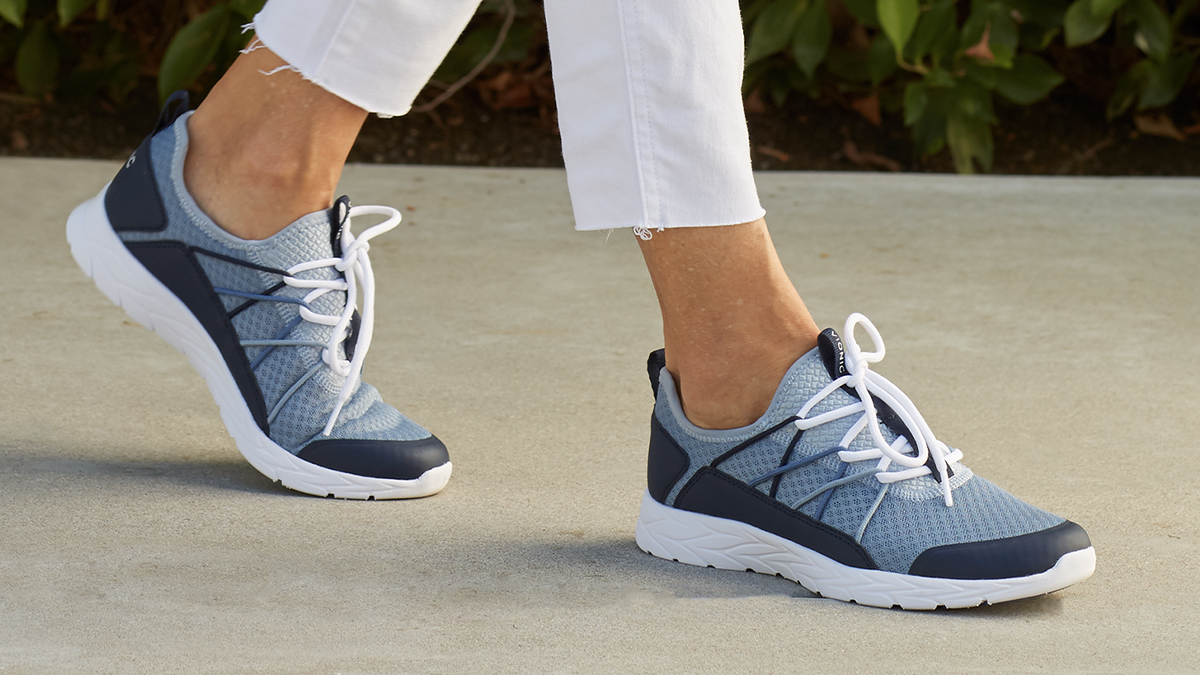
Cushioning and Impact Absorption: A Scientific Pillar of Comfort
At the heart of walking comfort lies the shoe’s ability to manage the kinetic energy generated with each step. Every heel strike sends a shockwave up the skeletal system. Renowned running coach and biomechanist Dr. Jack Daniels, in his book Daniels’ Running Formula, discusses how effective cushioning not only improves comfort but can also enhance efficiency by reducing the muscular effort needed to stabilize the body. Tennis shoe technology has aggressively pursued this front. Take, for instance, the Asics Gel cushioning system. Asics’ own white papers, corroborated by independent reviews on sites like Runner’s World, explain that silicone-based Gel pads placed in the rearfoot and forefoot attenuate shock during vertical and horizontal movements. For a walker, this means the jarring sensation of hard pavement is substantially softened from the first mile to the last. Similarly, Adidas’ Boost technology, which uses thousands of energy-returning TPU pellets, was highlighted in a performance review by WearTesters for its exceptional durability and consistent cushioning over time. Unlike some foam midsoles that compact and lose resilience, these systems are engineered for the long haul. This is critical for an everyday walking shoe, as comfort must be sustained over months of use. When you slip into a well-cushioned tennis shoes for walking, you’re not just getting a soft feel; you’re investing in a scientifically-backed buffer system that protects your joints from the cumulative stress of daily steps, a point often emphasized by sports medicine professionals on platforms like Quora and YouTube channels such as “The Run Experience.”
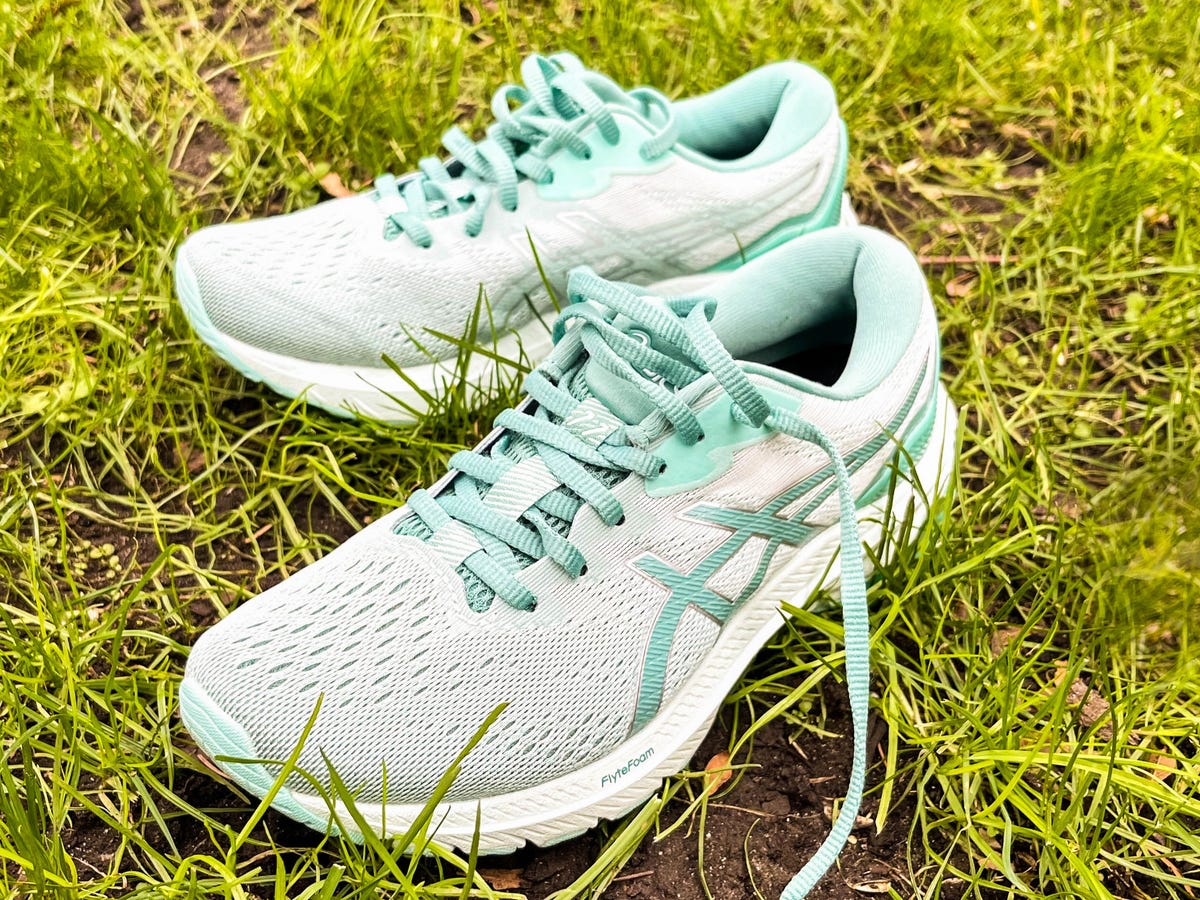
Durability and Construction: Built to Last on Concrete Courts
A common grievance with many lightweight walking or running shoes is their relatively short lifespan, often wearing thin in the outsole or upper after a few hundred miles. Tennis shoes confront this issue head-on. The very nature of the sport—dragging toes during serves, abrasive court surfaces, intense lateral friction—mandates a robust build. The uppers are frequently constructed with reinforced synthetic leather or durable mesh in high-wear areas. Brands like New Balance and K-Swiss often incorporate toe guards, a feature directly beneficial for walkers who may scuff their feet on steps. The outsoles are a masterclass in durability. As stated in a materials science overview from MIT, the carbon rubber used in many performance tennis shoes is compounded for high abrasion resistance. This means the tread on a quality pair of tennis shoes for walking will withstand the sandpaper-like effect of asphalt and concrete far longer than a standard running shoe sole designed for track or treadmill use. This durability translates directly to value. While the initial investment might be comparable to a premium walking shoe, the cost-per-mile can be significantly lower. Consider the perspective of a budget-conscious consumer: purchasing a durable product that maintains its integrity and support for 500+ miles is a smarter economic decision than replacing a less sturdy pair every six months. This built-to-last philosophy, borrowed from the grueling environment of competitive tennis, ensures your walking companion remains reliable and supportive, mile after mile.
Selecting Your Perfect Pair: A Buyer’s Guide
Not all tennis shoes are created equal for walking purposes. The key is to identify models that prioritize comfort and support over extreme, performance-oriented stiffness. Look for terms like “all-court,” “comfort,” or “training” within tennis shoe lines. These models typically offer a more forgiving and cushioned ride suitable for daily wear. Pay close attention to fit. Tennis shoes are often designed with a snugger, more secure fit than running shoes to prevent slippage during lateral moves. When trying them on for walking, ensure there’s adequate room in the toe box (about a thumbnail’s width from your longest toe) to prevent blisters during long, forward-stride walks. The arch support should feel natural and supportive, not intrusive. Brands like Brooks, which have cross-over models blending running and tennis tech, can be excellent choices. Furthermore, consider the weight. While durability is key, a overly heavy shoe can lead to leg fatigue. Modern materials allow for robust construction without excessive heft. Ultimately, the best tennis shoes for walking will feel stable when you gently rock from side to side, plush when you press down on the heel, and flexible enough at the forefoot to allow a natural rolling gait. It’s this harmonious blend that elevates them from a sports specialist to an everyday essential.
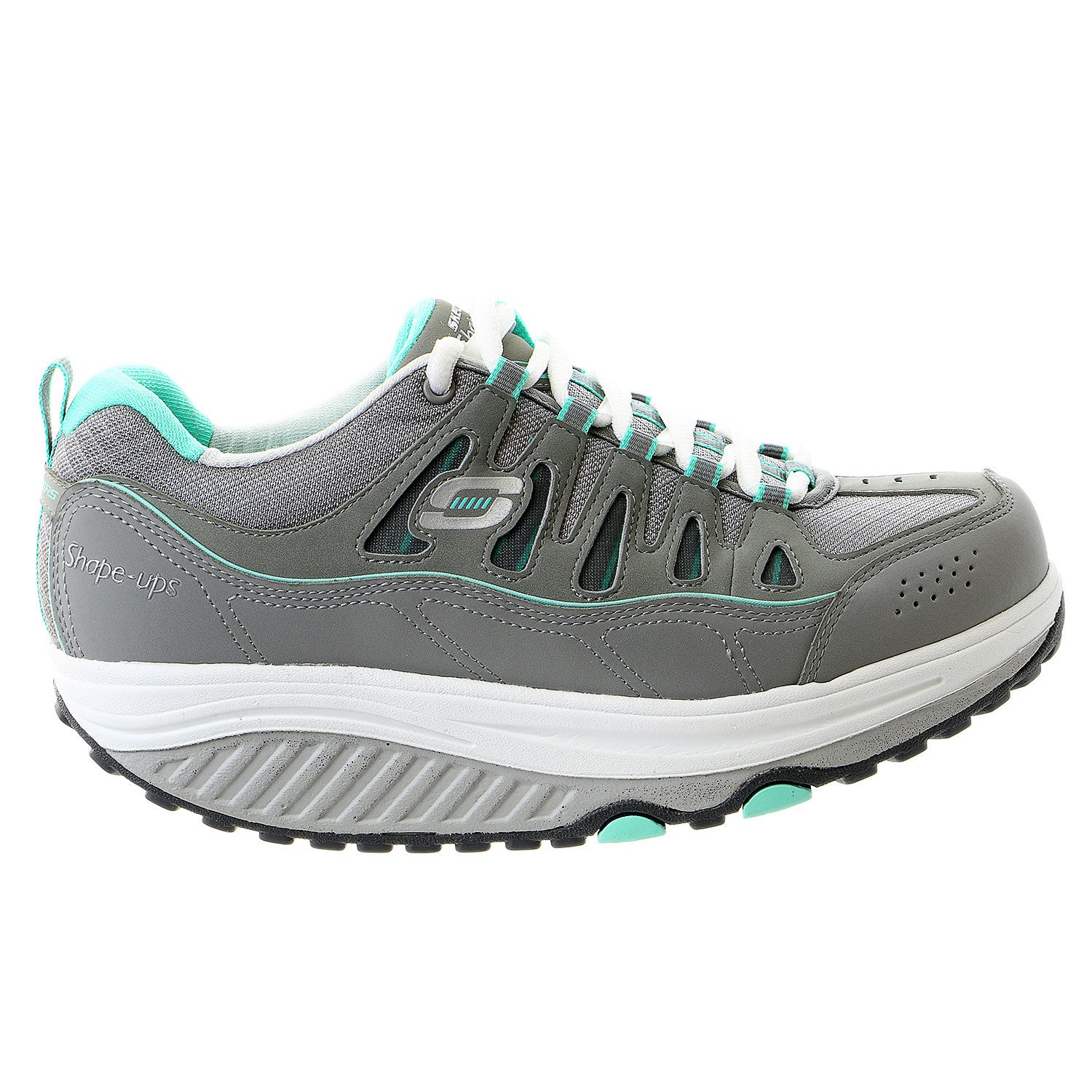
Professional Insight and Accessible Value
Integrating professional knowledge into your purchase decision demystifies technology and highlights value. Podiatrists often recommend shoes with good torsional stability and a heel counter that fits snugly—both hallmarks of tennis shoe design. This isn’t mere marketing; it’s podiatric science applied to footwear. As for value, the market for tennis shoes for walking offers significant opportunities for savings. Last season’s premium models, which undergo only minor updates, can frequently be found at discounts of 30-50% at major online retailers or outlet stores. The core technologies—the cushioning systems, support frames, and durable outsoles—remain intact, offering near-identical performance at a fraction of the cost. For example, a previous-year model of the popular Asics Gel-Dedicate or Adidas Gamecourt can often be purchased for under $70, representing tremendous value for a shoe built to such a high standard of durability and support. By marrying the professional understanding of why these shoes work with a savvy approach to shopping, you secure not just comfort, but also intelligent value, making superior walking comfort an accessible reality for a wide range of individuals.

The journey to finding sublime walking comfort doesn’t require venturing into obscure or hyper-specialized footwear. It can be found in the intelligent, battle-tested design of modern tennis shoes. Their inherent focus on multi-directional support, lasting cushioning, and exceptional durability solves the fundamental challenges faced by the everyday walker. By choosing a model aligned with comfort-focused features, you are effectively selecting a tool engineered for resilience and support, capable of turning daily commutes, lengthy errands, or purposeful fitness walks into consistently pleasant experiences. The evidence from biomechanics, materials science, and professional practice converges on a simple truth: for enduring comfort and support on concrete landscapes, a well-chosen pair of tennis shoes for walking stands as a remarkably capable and logical choice.
