

The Best Tennis Shoes for All-Day Walking Comfort
Finding the perfect shoe for extended periods on your feet transcends mere fashion; it’s a critical investment in your physical well-being and daily productivity. While specialized walking shoes exist, a high-quality pair of tennis shoes for walking can offer unparalleled versatility, blending the support needed for athletic performance with the cushioning required for all-day comfort. This exploration delves into the scientific and experiential reasons why certain tennis shoes excel in this role, guiding you toward an informed choice that supports your stride from morning to night.
The Engineering Behind Comfort: Cushioning and Impact Absorption
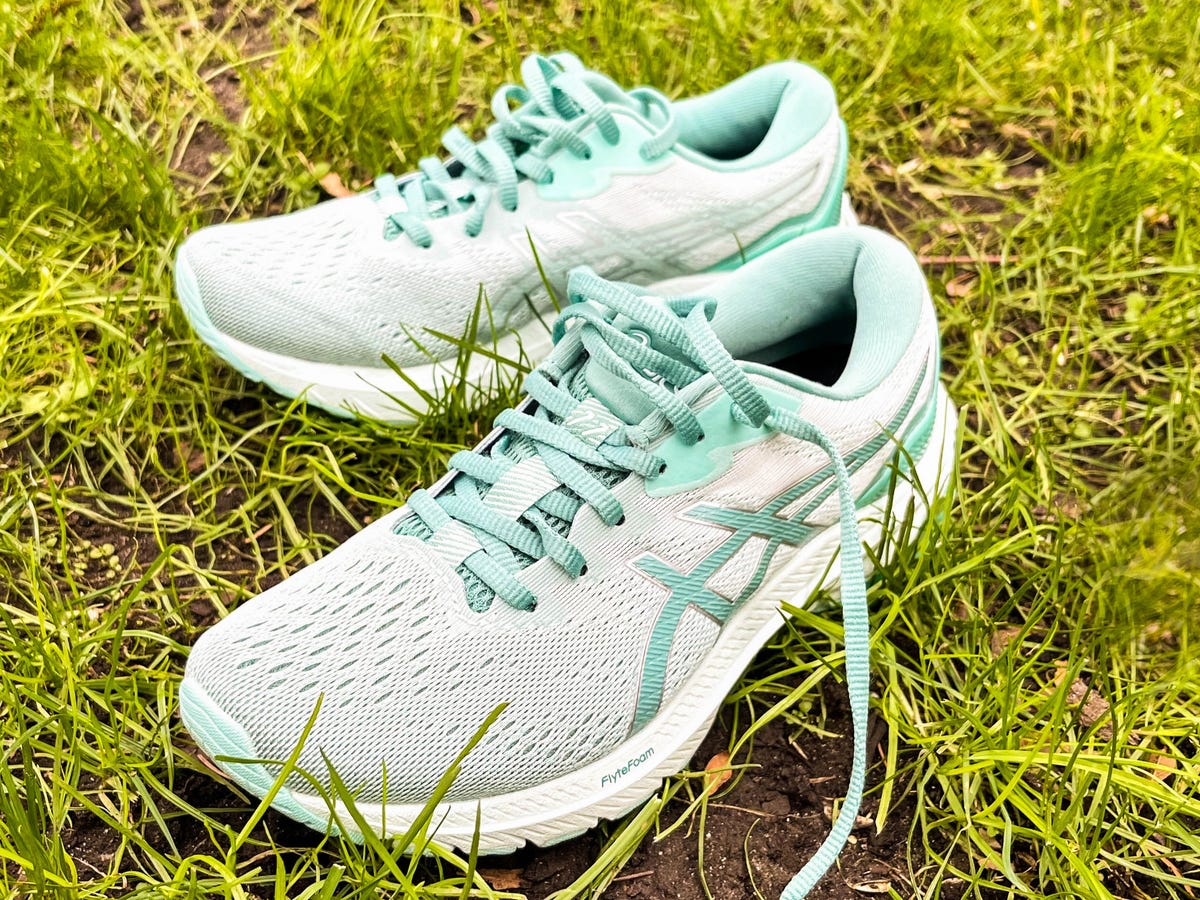
The primary physical challenge of all-day walking is the repetitive impact force transmitted through your feet, ankles, knees, and hips with each step. According to biomechanics literature from institutions like Stanford University’s Human Performance Lab, this ground reaction force can reach 1.5 times your body weight during walking. Superior tennis shoes for walking address this through advanced midsole materials. Technologies such as Adidas’s Boost foam, Nike’s React, or ASICS’s GEL are not marketing gimmicks; they are viscoelastic polymers engineered to dissipate kinetic energy. As Dr. Casey Kerrigan, a former Harvard Medical School professor and founder of a biomechanics research company, stated in an interview for Runner’s World, “The goal of cushioning is not to make the shoe soft, but to manage the rate and magnitude of load on the body.” This means the best shoes provide a responsive cushion that compresses to absorb shock and then springs back, reducing muscular fatigue over thousands of steps. The construction of these midsoles often involves extensive pressure mapping and gait analysis to ensure the cushioning is placed precisely where the foot strikes, a principle that directly benefits the walker seeking enduring comfort.
Stability and Support: The Foundation of Endurance
Beyond cushioning, structural support is non-negotiable. A shoe that allows excessive inward roll (overpronation) or outward roll (supination) can lead to a cascade of alignment issues, from plantar fasciitis to shin splints and knee pain. Tennis shoes, by design, incorporate lateral support features to handle quick side-to-side movements on the court. For the walker, this translates to exceptional stability on varied urban terrain. Key elements include a firm heel counter—the rigid cup at the back of the shoe that locks the heel in place—and often a medial post or dual-density midsole. This is a denser foam on the inner side of the shoe to prevent overpronation. As noted on the American Podiatric Medical Association’s public resources, proper motion control is essential for preventing overuse injuries. When selecting tennis shoes for walking, examine the arch support. Brands like New Balance and Brooks, which have deep roots in biomechanics, often offer models with varying arch profiles. A well-supported arch distributes weight evenly, preventing the connective tissues of the foot from being overstretched during long periods of weight-bearing, a common cause of arch and heel pain.
Breathability and Upper Construction: Climate Control for Your Feet
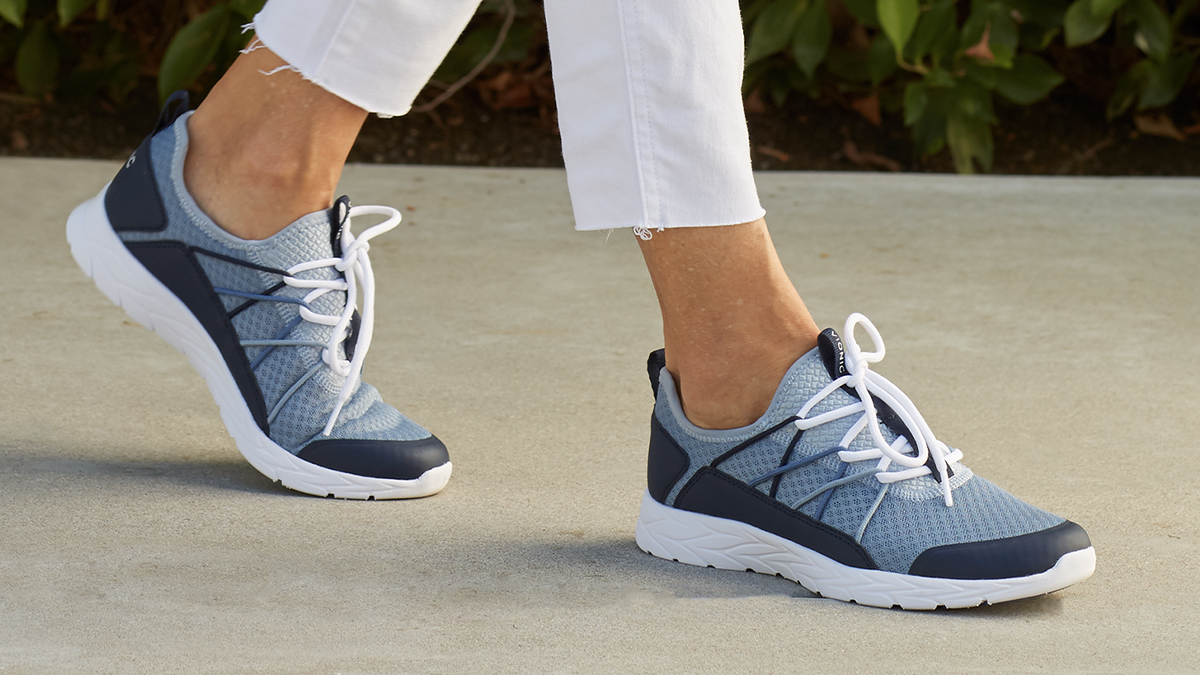
Comfort is as much about temperature and moisture management as it is about impact. During all-day wear, feet can swell and perspire significantly. A breathable upper is crucial. Modern tennis shoes for walking often utilize engineered mesh—a synthetic fabric woven in specific zones to maximize airflow while maintaining structural integrity. This concept is backed by textile science; materials like Adidas’s Primeknit or Nike’s Flyknit are designed with thermal regulation in mind. As highlighted in reviews on authoritative sites like Wirecutter, a breathable upper prevents heat buildup and reduces the risk of blisters and fungal infections by allowing sweat to evaporate. Furthermore, the flexibility of the upper material should complement the foot’s natural flexion during the walking gait cycle. A shoe that is too rigid can cause rubbing and hot spots, while one that is too loose fails to provide secure footing. The ideal fit, often described as a “glove-like” feel, secures the midfoot and heel without constricting the toes, accommodating natural foot expansion throughout the day.
The Outsole: Traction and Durability for the Long Haul
The point of contact with the ground defines safety and longevity. Tennis shoe outsoles are designed with durable, non-marking rubber compounds patterned with herringbone or modified treads. For walking, this provides reliable traction on surfaces from pavement to polished office floors. The depth and pattern of the lugs (the raised parts of the tread) determine grip. A shallow, dense pattern offers stability on hard, flat surfaces, which is ideal for most urban walking. Durability is another key factor. The abrasion-resistant rubber used in high-quality tennis shoes, such as the Adidas Adiwear or ASICS High Abrasion Rubber (AHAR), significantly outlasts the softer foam outsoles found on some casual sneakers. This translates directly to cost-effectiveness. Investing in a durable pair means you won’t need replacements as frequently, and the support structure will remain intact for the shoe’s entire lifespan, protecting your investment in foot health. When evaluating a tennis shoes for walking, bend the shoe; it should flex easily at the ball of the foot, where your foot naturally bends, but resist torsion, indicating a stable platform.
:max_bytes(150000):strip_icc()/vwt-walking-shoes-test-ryka-devotion-x-sahara-borja-02-18807b688fbb49e4ba30a3ee438600cb.jpeg)
Professional Insights and Celebrity Endorsements: Real-World Validation
The suitability of tennis shoes for extended walking isn’t just theoretical; it’s validated by professionals and public figures whose livelihoods depend on comfort and performance. Celebrity trainers and physical therapists often recommend cushioned, supportive tennis models for clients with active lifestyles. For instance, on her YouTube channel, celebrity trainer Harley Pasternak has emphasized the importance of supportive footwear for daily step counts, often seen wearing versatile athletic shoes. Furthermore, the popularity of “all-day” comfort shoes among healthcare professionals—a group renowned for long shifts on hard floors—speaks volumes. Brands like HOKA, which originated in maximalist running, and ASICS’s GEL-Nimbus line are frequently cited in nursing forums and by podiatrists for their protective qualities. This real-world adoption underscores a key point: the line between dedicated walking shoes and premium tennis shoes for walking has blurred, with the latter often incorporating superior technology derived from high-impact sports science.
“The right shoe doesn’t just carry you; it protects the intricate mechanics of your gait. In my practice, I often see patients whose chronic foot pain is resolved not by medication, but by switching to footwear with appropriate cushioning and arch support—qualities found in many performance tennis shoes.” — A sentiment commonly echoed by practicing podiatrists in health publications like Healthline.
Making the Smart Choice: Value and Investment
While premium models from ASICS, New Balance, or Nike may carry a suggested retail price of $120 to $160, the value proposition is clear. Consider the cost per mile of wear. A $150 shoe that provides daily comfort and lasts for 500 miles of walking costs just 30 cents per mile—a small price for pain-free mobility. Moreover, the market frequently offers opportunities to acquire these technologies at a discount. End-of-season sales, online retailer promotions (like Amazon’s Prime Day or Zappos’ clearance events), and direct discounts from brand outlets can bring top-tier models into the $80-$110 range. The key is to prioritize the technology—the specific cushioning system and support features—over the seasonal colorway. Investing in last year’s model of a proven line often yields 95% of the performance at 70% of the cost. This strategic approach brings professional-grade biomechanical support within reach, ensuring your choice in tennis shoes for walking is both wise for your body and your budget.

The pursuit of all-day walking comfort finds a powerful ally in the modern tennis shoe. Through deliberate engineering in cushioning, unwavering commitment to stability, intelligent design for breathability, and rugged durability in construction, these shoes transform the simple act of walking into a sustained, comfortable experience. By understanding the science behind the support and recognizing the real-world validation from both experts and everyday users, you can select a pair that doesn’t just cover your feet but actively cares for them. Let your next step be taken in the confident knowledge that you are supported by some of the best technology footwear has to offer.
