

How to Style These Wild Statement Shoes
Wild statement shoes, from towering platforms to audacious animal prints, are not just footwear; they are a declaration of intent. They sit in your closet, daring you to move beyond the safe harbor of neutrals. This guide is not about taming them but about understanding their power and integrating them into your wardrobe with confidence and science-backed style. We will move past the timid “how to wear” and into the realm of “how to own,” providing you with the knowledge to make these pieces work for you, not against you.
The Psychology of the Statement: Why We Wear the Wild
Before we dive into styling, it’s crucial to understand the “why.” Statement shoes, particularly those featuring bold patterns like cheetah print heels, operate on principles of nonverbal communication and fashion psychology. Dr. Jennifer Baumgartner, a clinical psychologist and author of “You Are What You Wear,” posits that our clothing choices are a direct reflection of our internal state and can actively alter our perception of ourselves. A study from Northwestern University’s “enclothed cognition” research demonstrates that the symbolic meaning of clothing and the physical experience of wearing it can systematically influence the wearer’s psychological processes. When you strap on a pair of fierce, wild shoes, you are not just putting on leather and heel; you are donning an armor of confidence. This isn’t mere opinion; it’s a cognitive shift. The boldness of the shoe forces a posture adjustment, commands a different gait, and ultimately, projects an aura of self-assuredness. Historical figures have long understood this. Think of Dorothy’s ruby slippers—a fantastical statement shoe representing power and the way home. In modern contexts, celebrities like Rihanna or Lady Gaga use extreme footwear as a component of their personal brand narrative, signaling creativity, fearlessness, and control. Therefore, styling these shoes begins with embracing their psychological function: they are tools for self-expression and empowerment.
Rule #1: The Foundation of Balance
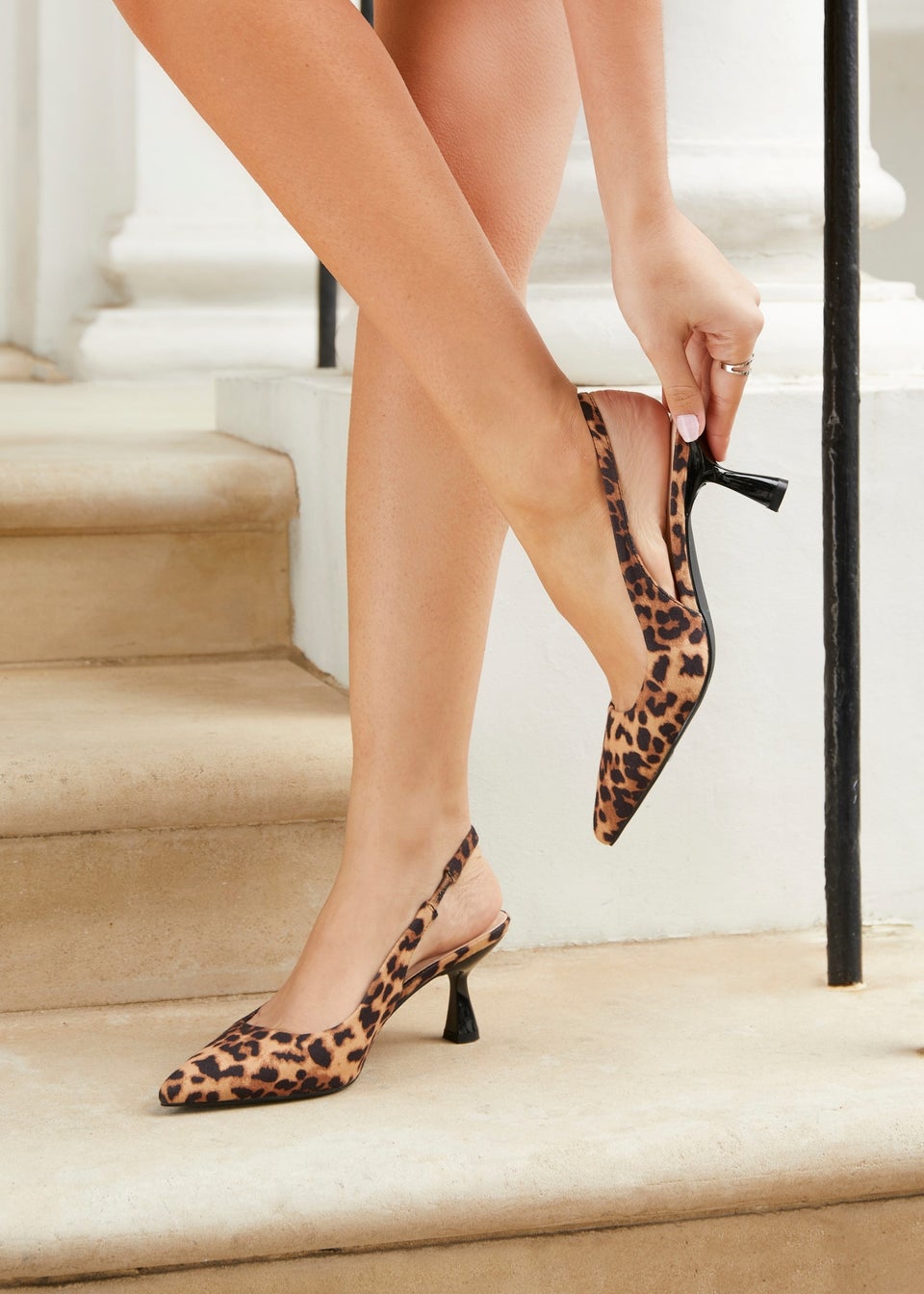
The single most important principle in styling statement shoes is visual balance. This is a concept rooted in design theory, applicable from architecture to fashion. The goal is to create a harmonious outfit where the shoes are the star, but the supporting cast doesn’t fade into oblivion. If your cheetah print heels are loud and patterned, the rest of your ensemble should provide a calm, structured canvas. This doesn’t mean boring; it means intentional. Opt for monolithic dressing—a single-color outfit in a neutral tone like black, navy, cream, or camel. A tailored black jumpsuit, a sleek camel midi dress, or well-fitted dark denim with a simple white tee creates this perfect backdrop. The science here is about guiding the viewer’s eye. According to the Gestalt principles of visual perception, the human brain naturally seeks focal points and organizes elements into a coherent whole. By minimizing competing patterns and colors elsewhere, you allow the brain to appreciate the shoes as the intended focal point without visual noise causing confusion or fatigue. Fashion director and stylist Kate Young often advises clients to “let one piece sing.” This approach is not about suppression but about elevation. The simplicity of the surrounding outfit amplifies the drama of the shoe, making the entire look feel curated and powerful, rather than chaotic.
Case Study: The Power of the Neutral Silhouette
Consider the minimalist aesthetic championed by brands like The Row or designers like Phoebe Philo during her tenure at Céline. Their philosophy revolves around luxurious fabrics, impeccable tailoring, and a restrained color palette. Inserting a wild shoe into this context creates a thrilling tension. The pristine, almost architectural lines of a cream wool blazer and wide-leg trousers are suddenly subverted by the primal, untamed energy of a pair of cheetah print heels. This juxtaposition is what makes the style modern and interesting. It tells a story of sophistication with a hidden wild side. As fashion critic Vanessa Friedman noted in The New York Times, “The most interesting fashion moments often come from contradiction.” This balance also has a practical benefit: it makes the shoes incredibly versatile. A single statement pair can be worn with nearly every solid-colored item in your wardrobe, offering a high-impact ROI (Return on Investment) that transcends seasons.

Rule #2: Color Theory in Action
While neutrals are the safest bet, mastering color can elevate your statement shoe game to an art form. This requires a basic understanding of color theory. Animal prints like leopard or cheetah are not merely “brown”; they are a complex mix of tans, blacks, and sometimes ochres. This inherent warmth gives you a palette to play with. Analogous colors—those next to each other on the color wheel—create serene and comfortable designs. Pairing your cheetah print heels with other warm earth tones (rust, olive green, mustard yellow) creates a cohesive, autumnal look that feels rich and intentional. For the bold, a complementary color scheme offers maximum impact. The direct complement to the dominant warm brown in a cheetah print is a cool blue. A cobalt blue dress or sapphire silk top will make the print pop in a dynamic, eye-catching way. This is a technique frequently used by designers on the runway to create memorable visual moments. As artist and theorist Josef Albers explored in “Interaction of Color,” colors are never seen in isolation but are always influenced by their surroundings. Your shoe’s color changes based on what you wear with it. Understanding this interaction allows you to be the painter of your own style.
Rule #3: Texture as Your Secret Weapon
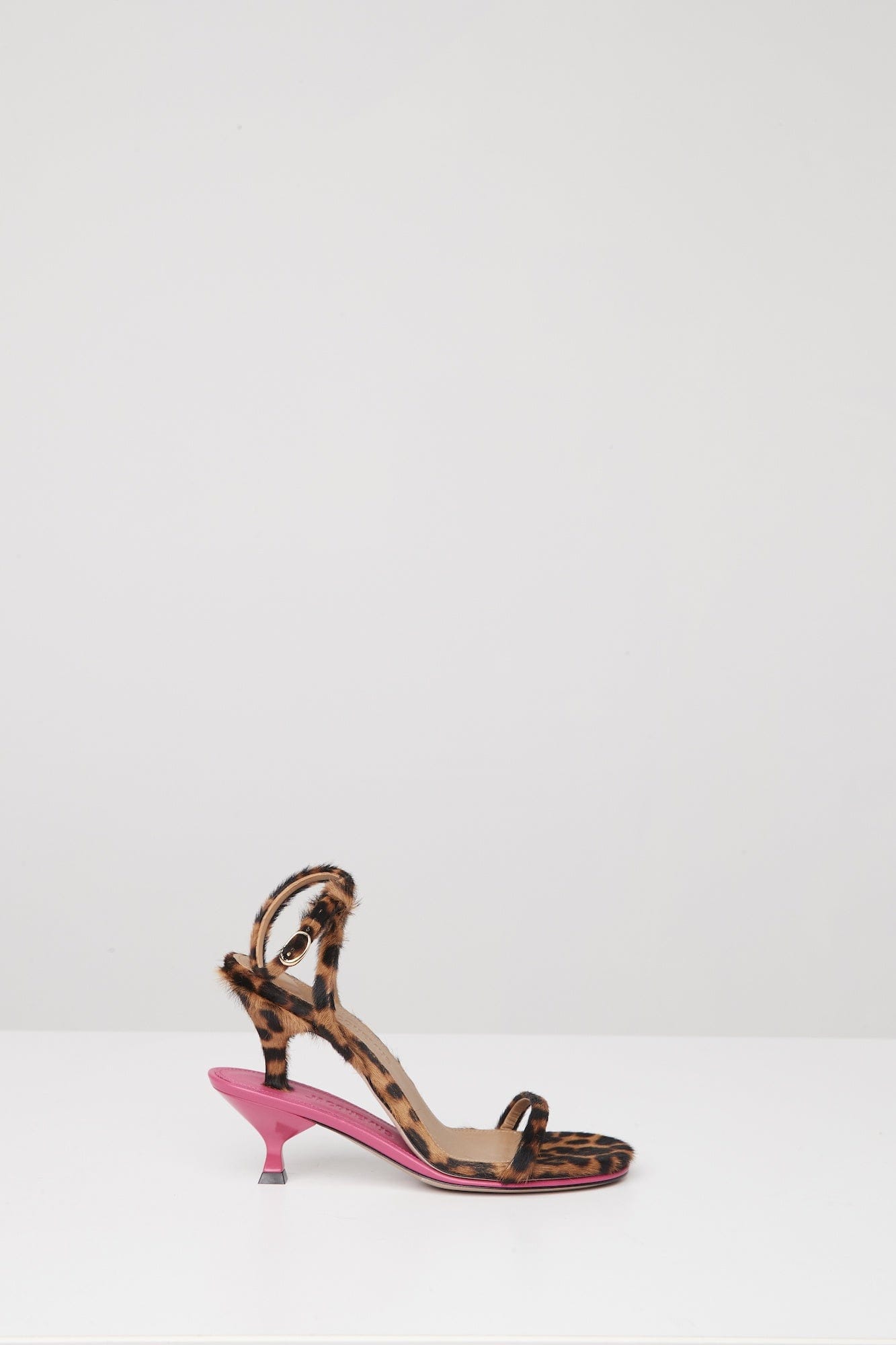
If color feels too daunting, texture is a more nuanced but equally powerful tool. Statement shoes often have a distinct texture—the glossy finish of a patent leather pump, the nubby feel of a ponyhair leopard print, the sleekness of an exotic skin emboss. You can build depth in your outfit by playing with contrasting or complementary textures elsewhere. Pair sleek, hair-calf cheetah print heels with the soft, bulky texture of a cashmere sweater and crisp wool trousers. The contrast between the soft, inviting sweater and the fierce, precise shoe creates a compelling tactile narrative. Alternatively, lean into a luxe texture story: combine the shoes with a silk satin slip dress and a supple leather jacket. Here, the varying sheens (matte ponyhair, glossy satin, buttery leather) create a sophisticated, multi-dimensional look that is far more interesting than a flat, all-cotton ensemble. This approach aligns with the principles of sensory design, which considers how materials feel and interact, creating a more holistic and memorable style experience.
Rule #4: Context is Everything
A pair of wild shoes must be calibrated to their environment. This is the practical application of your styling knowledge. The same pair of neon green platform sandals that kills at a summer music festival will likely derail a client presentation in a corporate law firm. The key is to assess the dress code and mood of the setting, then use the previous rules (balance, color, texture) to modulate the shoe’s impact. For a creative workplace, you might tone down the wildness by pairing those cheetah print heels with a serious, dark suit. The formality of the suit “authorizes” the playfulness of the print. For a dinner date, let them shine with a simple little black dress. For a weekend brunch, ground them with classic denim and a white button-down. This contextual awareness is what separates a stylish person from someone merely wearing fashionable items. It demonstrates social intelligence and an understanding that fashion is a dialogue with the world around you. As style icon Iris Apfel, known for her own bold accessory choices, once quipped:
“More is more and less is a bore… but you have to know when to stop. It’s all about balance.”
This wisdom encapsulates the entire endeavor: embrace the more, but do so with strategic balance and awareness.
Making the Investment Work: Knowledge and Value
Statement shoes are an investment in your style capital. To ensure this investment pays dividends, consider both quality and versatility. A well-made shoe from a brand known for craftsmanship (whether a contemporary label like & Other Stories or a luxury house like Gianvito Rossi) will not only last for seasons but will also provide superior comfort—a non-negotiable for confident wear. Look for features like leather lining, sturdy yet flexible soles, and secure fastenings. Now, let’s talk value. The true cost-per-wear of a $300 pair of spectacular shoes worn 50 times a year is far lower than a $50 pair of trendy but uncomfortable shoes worn twice. To make the leap more accessible, savvy shoppers should monitor end-of-season sales, subscribe to brand newsletters for exclusive offers, or explore reputable consignment platforms like The RealReal or Vestiaire Collective for pristine pre-owned finds. The professional knowledge here is that a strategic, high-quality purchase aligned with the styling rules above will become a cornerstone of your wardrobe, endlessly adaptable and always empowering. It’s not an extravagance; it’s a tool.

Wild statement shoes are a question posed to your wardrobe. The answer lies not in hesitation, but in the bold, informed choices you make around them. By applying the principles of visual balance, color theory, textural play, and contextual awareness, you transform them from closet curiosities into the foundational pieces of a dynamic personal style. They become the exclamation point to your sartorial sentence, a proven catalyst for confidence, and a testament to the fact that in fashion, as in life, sometimes the bravest step is the one taken in the most remarkable shoes.
