

5 Chic Ways to Style Chocolate Brown Heels for Every Season
Let’s dispel the myth that certain shoe colors are seasonal. Chocolate brown heels are not just an autumn staple; they are a year-round powerhouse of style, offering a depth and versatility that black often cannot. Their rich, earthy tone provides a neutral foundation that is both grounding and sophisticated, capable of transitioning seamlessly through the shifting aesthetics of spring’s bloom, summer’s vibrancy, autumn’s warmth, and winter’s stark elegance. This article is your guide to unlocking their full potential, moving beyond basic pairings into curated looks that leverage color theory, texture play, and silhouette balance. We’ll explore five distinct styling philosophies, each backed by principles of design and references from the worlds of fashion, art, and cultural commentary, proving that this single investment piece can redefine your wardrobe’s flexibility.
1. The Monochromatic Moment: Embracing Depth and Dimension
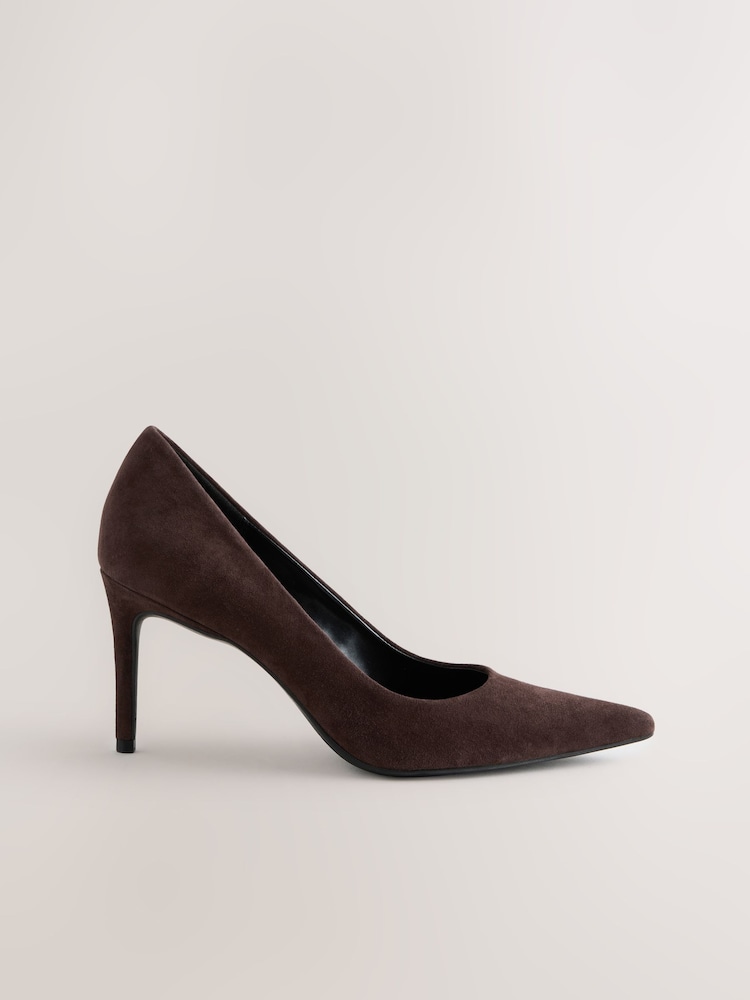
The most instantly chic and elongating strategy is the monochromatic look. This isn’t about matching an exact shade, but rather building an outfit within a spectrum of browns—from creamy camel and warm tan to deep espresso. The chocolate brown heels act as the anchor, the richest note in your sartorial chord. Fashion historian and curator Valerie Steele has often noted in her work for The Museum at FIT that monochromatic dressing is a form of visual rhetoric, communicating cohesion and authority. When you wear varying tones of one color family, you create a vertical line that visually lengthens the body, a trick employed by style icons from Katharine Hepburn to modern-day influencers. For spring, pair a light oatmeal linen dress with your chocolate brown heels and a mid-toned leather bag. In winter, layer a cashmere turtleneck in taupe under a cocoa-colored coat, with dark denim and those same heels. The key is texture: combine matte knits, glossy leather, soft suede, and woven fabrics to prevent the look from falling flat. This approach, rooted in the artistic principles of tonalism seen in paintings by James McNeill Whistler, creates a sophisticated, quietly powerful statement that requires minimal effort for maximum impact.
The Science of Neutral Sophistication
Why does this work so well? From a color psychology perspective, brown is associated with stability, reliability, and warmth. As noted in numerous design resources, including the Pantone Color Institute’s publications, earth tones like chocolate brown have a grounding effect, making an outfit feel intentional and composed. Furthermore, the principle of “aerial perspective” in art—where distant objects appear lighter and less saturated—is applied inversely in fashion: placing the darkest shade (the heels) at the bottom grounds the entire ensemble, making the lighter tones above appear to float, creating an elegant, streamlined silhouette. This isn’t mere styling; it’s applied visual science.
2. The Complementary Contrast: Playing with Blue and Orange Undertones
For a dynamic, eye-catching look, engage in complementary color pairing. On the standard color wheel, the direct complement of brown (which sits near orange) is blue. This is why denim and chocolate brown heels are a match made in sartorial heaven—it’s a classic, effortless combination validated by decades of casual style. But push further. A cobalt blue midi dress with your heels is strikingly modern for summer evenings. In fall, try a navy wool blazer and wide-leg trousers with a cream shell. The contrast is vibrant yet not jarring because brown’s inherent warmth softens blue’s coolness. Filmmaker Wes Anderson’s meticulous palettes, such as those in The Grand Budapest Hotel, expertly use analogous and complementary earth-and-jewel tones to create a visually rich, cohesive world—a principle you can borrow for your outfit. As fashion director of a major publication once tweeted, “The confidence isn’t in the loudest piece, but in the smartest contrast.” A crisp white shirt, indigo jeans, and your chocolate brown heels achieve this intelligent contrast perfectly, offering a look that is both polished and relaxed.

Beyond Denim: The Theory in Practice
This styling tip is underpinned by the scientific concept of simultaneous contrast, where two colors placed side-by-side intensify each other’s hue. A medium blue makes the rich, reddish undertones in your chocolate brown heels pop more than they would against black or grey. This is why the combination feels so alive and engaging. It’s a trick used by painters from the Impressionist period to create luminosity. By understanding this, you move from simply getting dressed to composing a look with intentionality and artistic flair.
3. The Earthy Alliance: Pairing with Greens and Rusts
For a look that feels inherently harmonious and connected to the natural world, pair your heels with other earth tones. Think olive green, terracotta, burnt orange, and mustard yellow. This creates an analogous color scheme—colors that sit next to each other on the color wheel—which is always pleasing to the eye. It’s the palette of a sunset or an autumn forest, and it translates beautifully to fashion. In her book The Psychology of Fashion, Professor Carolyn Mair discusses how nature-inspired color palettes can evoke feelings of calm and authenticity. A sage green silk slip dress with chocolate brown heels for a spring wedding feels fresh and romantic. In autumn, a rust-colored corduroy skirt with a cream sweater and the same heels is the epitome of cozy chic. This approach celebrates texture: suede, wool, silk, and leather interplay to add tactile interest. It’s a look championed by brands like Bottega Veneta and Ralph Lauren, who build entire collections on the sophisticated dialogue between natural hues. It’s effortless, rich, and tells a story of curated ease.
4. The Modern Graphic: Black, White, and a Touch of Warmth
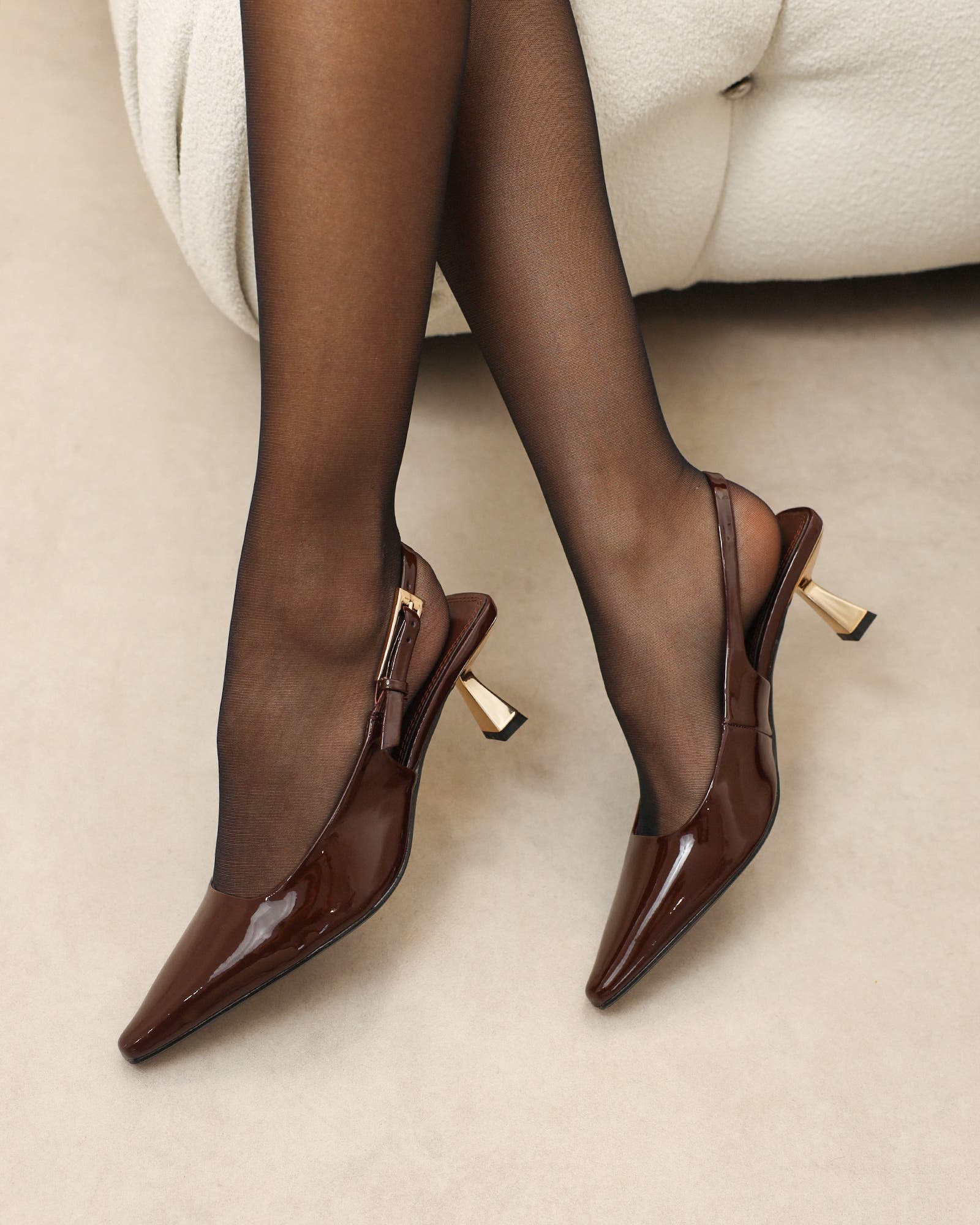
Never underestimate the power of a sharp graphic base. A classic black-and-white ensemble—be it a houndstooth blazer and trousers, a simple black dress, or white jeans with a black top—provides a stark, modern canvas. Introducing chocolate brown heels here is a masterstroke. It instantly warms up the potentially severe contrast, adding a layer of unexpected sophistication and breaking the monochrome monotony. This follows the design principle of a “accent color,” where a small, strategic pop of a different hue draws the eye and creates focal interest. As interior designer Kelly Wearstler often demonstrates in her spaces, a neutral palette of black, white, and grey is given soul and depth through the inclusion of rich wood tones and earthy accents—the exact same principle applies to your outfit. For winter, a black wool coat over a white turtleneck and black pants, finished with your brown heels, is impeccably sharp yet inviting. In summer, a white linen shirtdress with black accessories comes to life with the warmth of brown footwear. It’s a look that says you understand the rules well enough to bend them elegantly.
The Accent Principle: A Lesson from Design
This method is a direct application of the 60-30-10 rule often used in interior and graphic design: 60% of a dominant color (white/black), 30% of a secondary color (the other of the black/white pair), and 10% of an accent color (chocolate brown). The heels perfectly fulfill that 10%, providing the necessary visual relief and personality. This structured approach ensures balance and prevents the accent from overwhelming the look, making it a foolproof formula for polished dressing.
5. The Pattern Mixer: Grounding Florals, Stripes, and Prints
The true test of a versatile shoe is its ability to harmonize with patterns. Chocolate brown heels excel here. Their muted, solid nature provides the perfect grounding force for busy prints. A floral midi dress, especially one with hints of rust, cream, or olive, finds its natural companion in brown heels—they enhance the earthy notes in the print without competing. Breton stripes with tan trousers and brown heels is a French-girl classic for a reason: the neutral shoe allows the graphic stripe to shine. Even animal prints like leopard, which is fundamentally a black-and-tan pattern, are elevated by matching the tan to your chocolate brown heels, creating a cohesive, daring look. As style icon Iris Apfel has famously said, “More is more and less is a bore,” but the key to successful pattern mixing is a unifying element. A solid, neutral shoe often serves that role. By choosing brown over black, you introduce warmth that softens the overall effect, making bold patterns feel more wearable and integrated into your personal style.

Investment and Accessibility: Building a Timeless Wardrobe
Understanding these five styling avenues demonstrates why chocolate brown heels are a profound investment. Unlike fast-fashion trends, their value lies in their perennial adaptability. To bring this professional knowledge to a practical conclusion, consider the cost-per-wear calculation. A well-constructed pair from a quality brand, perhaps secured during a seasonal sale where discounts of 20-30% are common, might have a higher initial price but becomes exponentially more valuable with each versatile wear across all seasons and occasions. They transition from the office with a tailored suit to a weekend brunch with jeans, to an evening event with a silk dress. This versatility is the ultimate form of sartorial intelligence and economic savvy, building a capsule wardrobe where a single, perfect item does the work of ten.
Ultimately, styling chocolate brown heels is an exercise in creative confidence. It’s about seeing a shoe not just as an accessory, but as a foundational tool for color theory, silhouette crafting, and personal expression. From the serene monochrome to the vibrant contrast, the earthy harmony to the graphic punch, and the print-grounding stability, these heels are your passport to a wardrobe that feels both curated and effortlessly adaptable, 365 days a year. The goal is not to follow rules rigidly, but to internalize these principles so you can build looks that are uniquely, authentically yours.
