

Your Ultimate Guide to Stylish and Comfortable Everyday Footwear
Let’s be honest: for years, the world of comfortable shoes felt like a compromise. On one side, you had the sleek, stylish options that left your feet aching by midday. On the other, you had the purely functional, often clunky shoes that prioritized support over aesthetics. That binary choice is now a relic of the past. Today, the perfect pair of everyday shoes doesn’t force you to choose between looking good and feeling good. This guide is built on a simple, powerful premise: your footwear should be a foundation for your daily life, not a hindrance. We will move beyond vague advice and delve into the objective science of foot mechanics, material innovation, and design principles that make a shoe truly great for all-day wear. By the end, you’ll be equipped not just with recommendations, but with the knowledge to become your own expert, capable of selecting footwear that seamlessly blends style, comfort, and scientific support for your unique stride.
The Anatomy of All-Day Comfort: It’s More Than Just Cushioning
When we think of a comfortable walking shoe, our minds often jump to soft, pillowy cushioning. While important, cushioning is just one piece of a complex biomechanical puzzle. True comfort for prolonged wear is a symphony of several engineered components working in harmony. First, consider the midsole. This is the heart of the shoe, responsible for shock absorption and energy return. Materials like EVA (Ethylene-Vinyl Acetate) foam are common, but advanced formulations like Brooks’ DNA LOFT or ASICS’ GEL technology offer a more responsive, durable cushion that doesn’t break down quickly. The key scientific principle here is attenuation—the shoe’s ability to dissipate the impact forces (often 1.5 to 3 times your body weight) that travel up your legs with each step. According to biomechanics literature from institutions like the University of Calgary’s Human Performance Lab, proper attenuation is crucial for reducing long-term stress on joints. Next is the insole or sockliner. A quality removable insole provides arch support, which is non-negotiable for preventing plantar fascia strain. The heel counter, the firm cup at the back, must be sturdy to stabilize the heel and prevent excessive rolling (overpronation or supination), a primary cause of discomfort. Finally, the upper’s material must offer breathability and adaptive flexibility, accommodating the natural swelling feet undergo throughout the day. A well-constructed walking shoe addresses all these elements objectively, not subjectively.
:max_bytes(150000):strip_icc()/vwt-asics-womens-gel-pulse-16-jinfeng-chen-21-712f0f140e834b84b3a8dcf0bf154771.jpeg)
Style That Doesn’t Sit on the Sidelines: The New Design Ethos
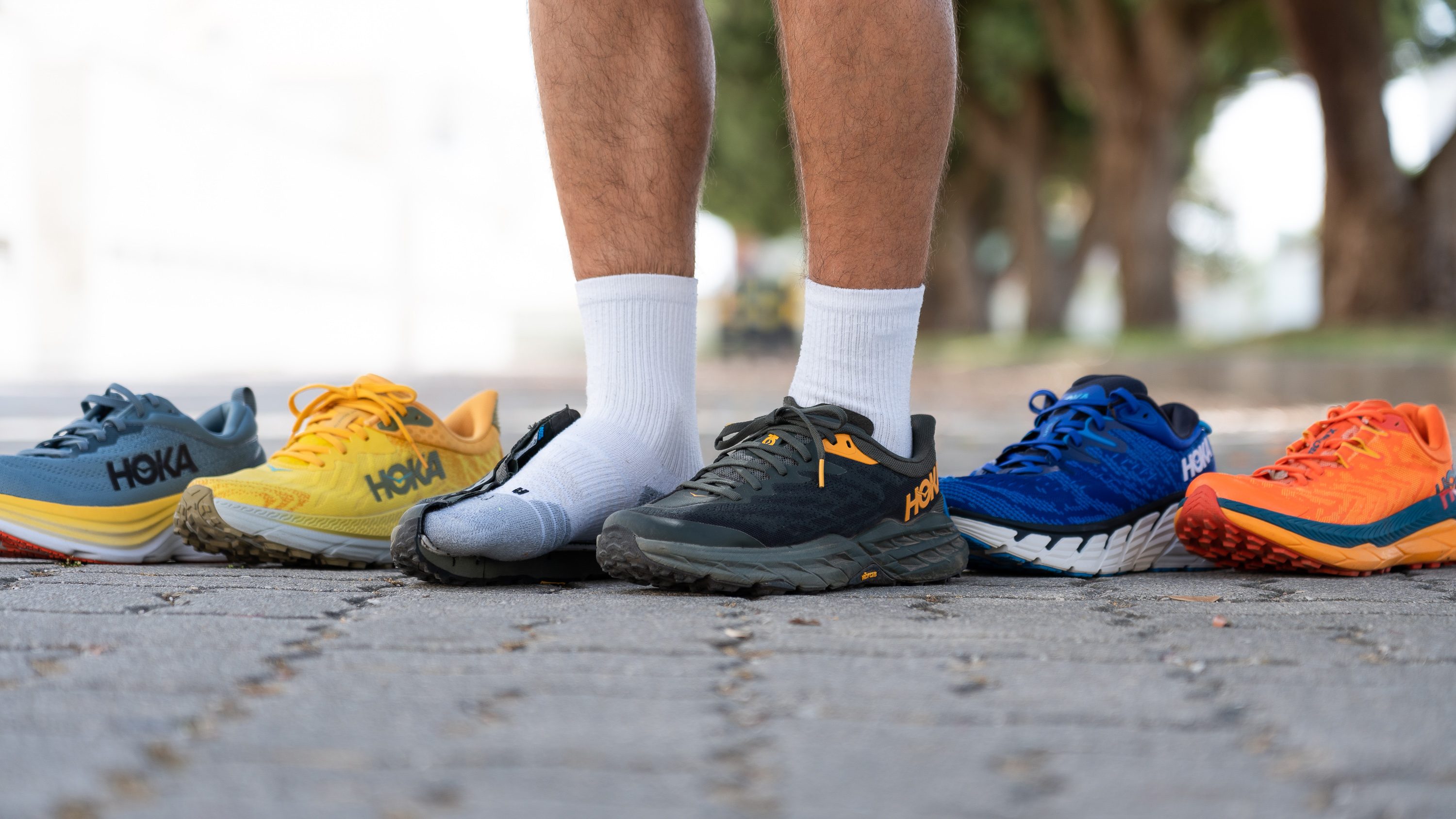
The misconception that “comfortable” means “unfashionable” has been thoroughly dismantled by contemporary design. Leading brands have invested heavily in marrying podiatric science with modern aesthetics. The evolution is clear: from the once-utilitarian running shoe silhouette to sleek, minimalist trainers, retro-inspired profiles, and even smart-casual leather options that hide advanced footbeds. This shift is driven by consumer demand, as noted in market analyses from sites like Business of Fashion, which highlight the “athleisure” trend as a permanent fixture, not a fad. The new design ethos prioritizes clean lines, versatile color palettes (think muted earth tones, classic whites, and blacks), and thoughtful details that allow a shoe to transition from a morning walk to a casual office setting or a weekend brunch. Brands like HOKA, once known solely in ultra-running circles, now offer models like the HOKA Clifton or Bondi with streamlined profiles that appeal to a style-conscious audience without sacrificing their legendary cushioning. The goal is a shoe you don’t have to think about—it simply works with your wardrobe. When selecting your next pair, look for this harmony. A great walking shoe today should make you glance down and smile, not because it’s screaming for attention, but because it quietly complements your personal style while cradling your feet in proven comfort.
Decoding Your Gait: The Personal Blueprint for Your Perfect Shoe
Perhaps the most critical, yet most overlooked, aspect of choosing footwear is understanding your own gait cycle. Your gait is as unique as your fingerprint, and wearing shoes designed for a different gait pattern is a recipe for discomfort. The process involves analyzing how your foot strikes the ground (heel, midfoot, or forefoot) and how it rolls inward (pronation) to absorb shock. While a professional gait analysis at a specialty running store is ideal, you can perform a basic self-assessment. Look at the wear pattern on an old pair of shoes. Excessive wear on the inner side of the heel and forefoot often indicates overpronation, while wear on the outer edge suggests underpronation (supination). Most people have a degree of neutral pronation. This isn’t just anecdotal advice; it’s backed by podiatric science. As Dr. Ray McClanahan, a sports podiatrist, has stated in interviews, “Aligning footwear with natural foot function is paramount for preventing injury.” For overpronators, a walking shoe with structured support or motion control features can help guide the foot. For supinators or neutral gaits, a focus on flexible cushioning is key. Ignoring your gait is like buying a prescription lens without knowing your vision—the tool, no matter how advanced, won’t function correctly for you.
Material Matters: Innovation at the Molecular Level
The fabrics and foams that constitute your shoes have undergone a quiet revolution. Gone are the days of stiff, non-breathable leathers and heavy rubber soles. Today’s materials are engineered for specific performance outcomes. Knitted uppers, pioneered by brands like Nike with Flyknit, provide a dynamic, sock-like fit that moves with your foot, offering targeted breathability and reducing the potential for chafing. In the midsole, PEBAX (Polyether Block Amide) foams, used in premium models, offer incredible lightness and energy return—a technology trickled down from elite marathon racing shoes. Even sustainability has become a performance factor. Recycled polyester uppers and algae-based EVA foams (like in some ASICS models) are not just eco-friendly; they often match or exceed the performance of virgin materials. As noted in material science reviews from sources like ScienceDaily, these innovations focus on reducing weight while increasing durability and responsiveness. The outsole rubber is equally important. Carbon rubber is durable for high-wear areas like the heel, while blown rubber is lighter and provides better grip. A superior walking shoe strategically combines these materials, placing the right tech in the right place to create a sum greater than its parts. This material intelligence is what allows a shoe to remain comfortable and supportive mile after mile, long after a less-engineered shoe would have broken down.

The Investment Perspective: Cost Per Wear Over Sticker Price
Confronting the price tag of a high-quality shoe can give anyone pause. However, a shift in perspective is warranted. Instead of looking at the upfront cost, consider the concept of “cost per wear.” A $150 pair of shoes worn nearly every day for a year and a half (a reasonable lifespan for a well-made pair) costs less than 30 cents per day. A cheaper $60 pair that causes discomfort, lacks support, and wears out in six months costs over 30 cents per day and potentially leads to foot problems requiring professional care. This is an investment in your foundational health. As author and investor Morgan Housel might frame it, it’s about paying for long-term compound benefits—in this case, compound comfort and mobility. Furthermore, the market offers avenues for value. End-of-season sales, official brand outlet websites, and reputable online retailers often have previous models at significant discounts. The technology in a model from one or two seasons ago is still vastly superior to a generic, non-engineered shoe at a similar discounted price. The goal is to bring professional-grade knowledge to your purchase decision, empowering you to identify true value. A properly chosen walking shoe is not an expense; it’s a high-utility asset for your daily life.
Curating Your Rotation: Why One Shoe Isn’t Enough
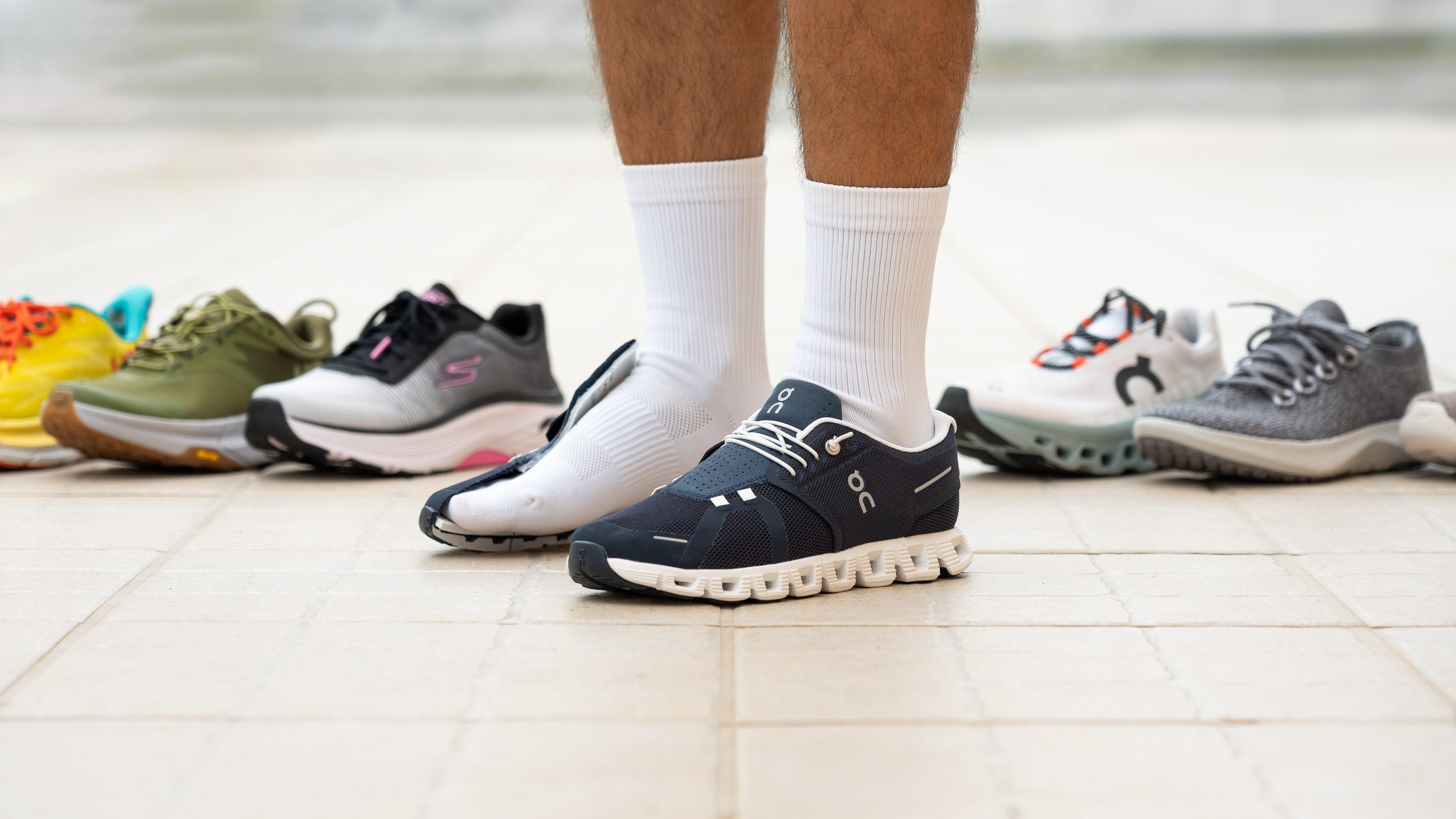
Here’s a professional secret from seasoned walkers, hikers, and athletes: the most comfortable strategy involves a small rotation of shoes. Relying on a single pair every day doesn’t allow the materials, particularly the midsole foam, to fully rebound and decompress between uses, accelerating material fatigue. More importantly, different shoes subtly vary the stress patterns on your feet and legs, which can help prevent overuse injuries. Your rotation might include a primary, highly-cushioned model for long days on hard pavement, a lighter, more flexible shoe for shorter errands or gym wear, and perhaps a weather-resistant option for rainy days. This approach extends the life of each pair and keeps your feet and legs fresher. Think of it like a toolkit—you wouldn’t use a sledgehammer for every task. Having two to three dedicated pairs in your arsenal, purchased strategically during sales cycles, is a smarter long-term play than buying one pair, wearing it into the ground, and repeating the cycle. It ensures you always have a perfectly suited walking shoe for the day’s demands, blending practicality with proactive care for your musculoskeletal health.
The journey to finding your ideal everyday footwear ends not with a single purchase, but with a new understanding. It’s the realization that style and substance are not adversaries, but essential partners. It’s the knowledge that your choice in shoes is a direct investment in your mobility, posture, and daily well-being. By applying the principles of biomechanics, material science, and personal gait analysis, you move from guesswork to informed selection. The market is rich with options that honor both your aesthetic and physiological needs. So step forward with confidence. Let your shoes be the reliable, stylish foundation that supports every journey, from the mundane commute to the spontaneous adventure, ensuring that your focus remains on the path ahead, not the discomfort beneath your feet.
