

Your Ultimate Guide to Effortless Style and All-Day Comfort
Imagine a day where your feet don’t ache, your posture feels naturally aligned, and your outfit transitions seamlessly from a morning errand to an evening stroll without a second thought. This isn’t a distant dream; it’s the tangible reality unlocked by making one pivotal choice: the right walking shoe. For too long, we’ve accepted a false dichotomy between style and comfort, believing one must be sacrificed for the other. This guide dismantles that notion entirely. We will navigate the intersection of biomechanics, material science, and design aesthetics to curate a wardrobe foundation that supports your body and your personal expression. The journey begins with understanding that the most stylish step you can take is one grounded in informed comfort.
The Foundation: Why Your Choice of Shoe is a Health Decision
Before we consider color or silhouette, we must acknowledge the profound physiological impact of what we wear on our feet. The human foot is a complex structure of 26 bones, 33 joints, and over 100 muscles, tendons, and ligaments. According to biomechanics literature from institutions like the University of Virginia’s School of Medicine, improper footwear can lead to a cascade of issues far beyond foot pain, including knee strain, hip misalignment, and even lower back problems. A true walking shoe acts as an interface between your body and the ground, designed to manage impact forces that can be up to 1.5 times your body weight with each step. This isn’t about orthopedic aesthetics; it’s about physics. The renowned podiatrist Dr. William Rossi famously stated in his research that “shoes are the primary cause of foot disorders in civilized nations.” By choosing a shoe engineered for the gait cycle—from heel strike to toe-off—you are investing in the longevity of your entire musculoskeletal system. It is a preventative measure, a daily act of self-care that pays dividends in energy, posture, and long-term mobility.
Decoding the Anatomy of the Perfect Walking Shoe
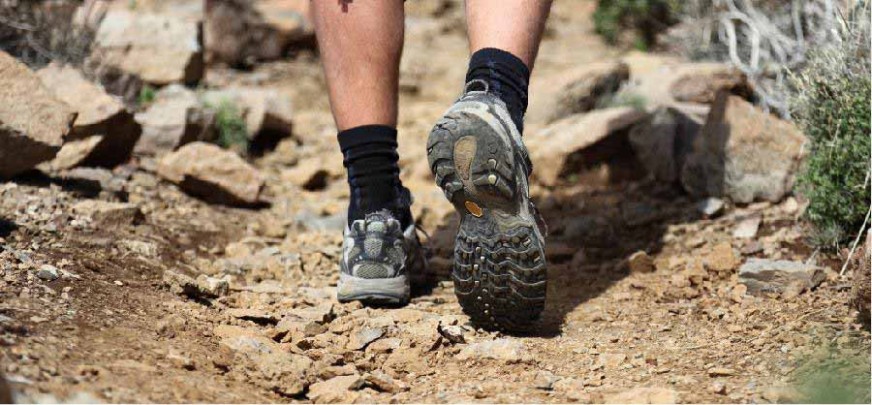
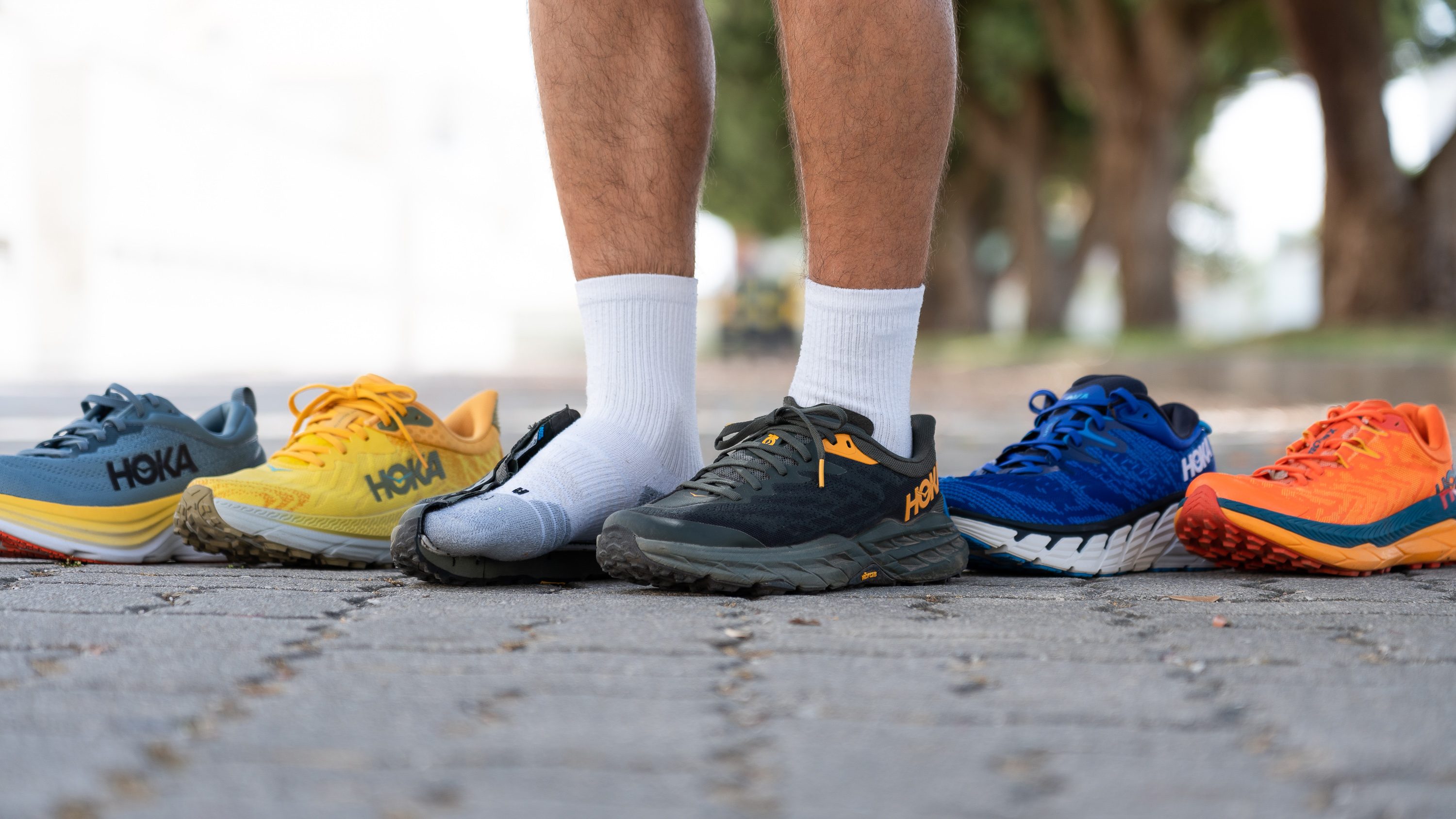
Let’s dissect the components that transform an ordinary shoe into a powerhouse of comfort. First, the upper: look for engineered meshes or flexible, breathable materials that conform to your foot without pressure points. Brands like Nike and Adidas have pioneered seamless knit uppers, a technology often highlighted in performance reviews on sites like Runner’s World, which reduce the risk of blisters and allow for natural foot expansion. Second, the midsole is the heart of the shoe. This is where cushioning and stability technologies reside. EVA foam, PEBAX, and proprietary gels (like ASICS’ GEL cushioning, a technology documented in their white papers for shock absorption) are key. The goal isn’t maximal softness, but responsive cushioning that returns energy. Third, the outsole requires a flexible yet durable rubber with a tread pattern suited for varied surfaces. A rocker sole design, as seen in many HOKA models, can promote a smoother roll-through motion. Finally, the insole or footbed should offer arch support commensurate with your foot type (neutral, pronated, supinated). A well-constructed walking shoe harmonizes these elements, creating a symbiotic relationship between foot and footwear.
Ergonomic Design: The Silent Architect of Your Posture
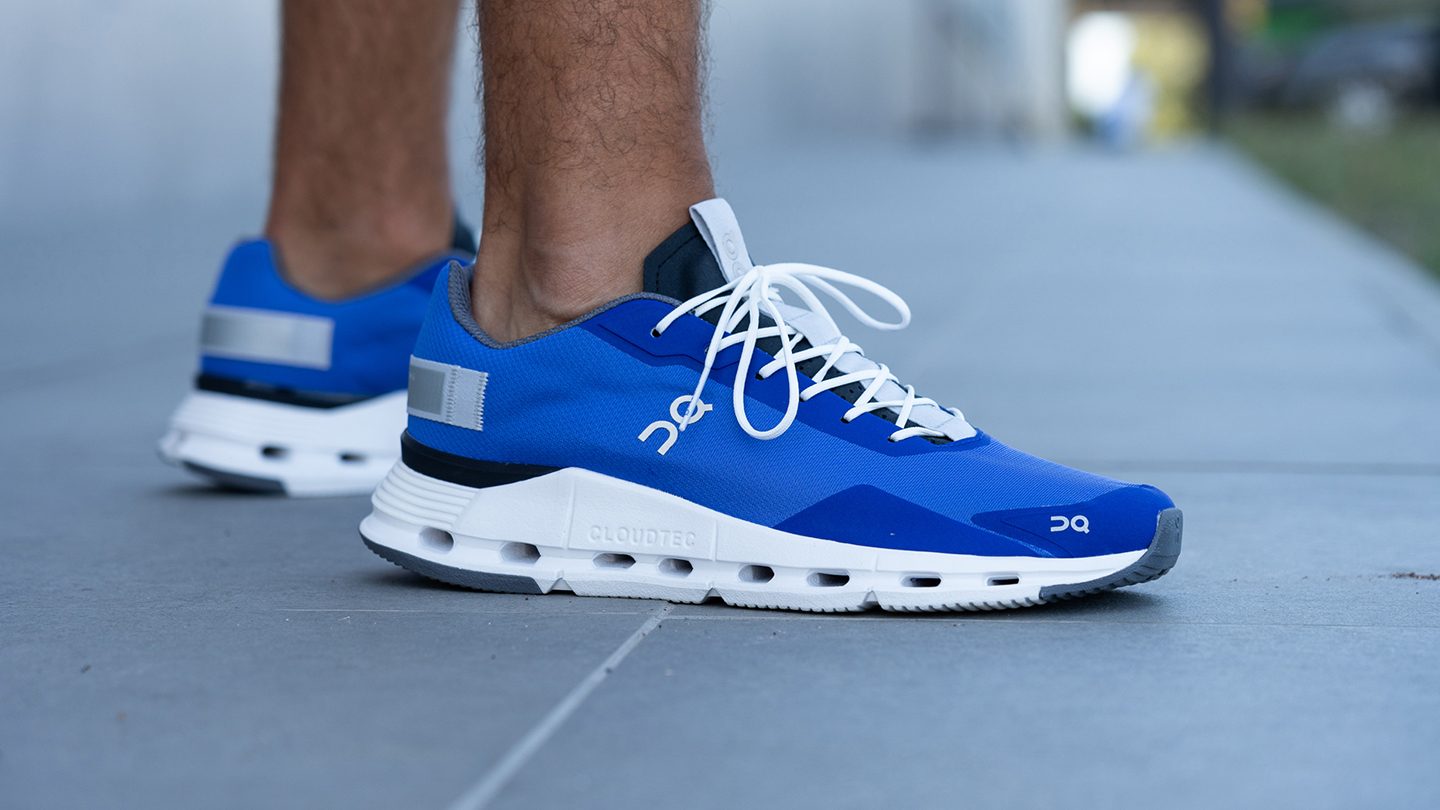
Ergonomics is the science of designing products to fit the user. In footwear, this translates to features that work with your body’s natural mechanics, not against them. Consider the heel counter: a firm, molded cup at the back of the shoe that stabilizes the heel, preventing excessive side-to-side motion that can lead to Achilles tendonitis. The toe box must be wide and deep enough to allow your toes to splay naturally upon weight-bearing, a concept championed by the “barefoot shoe” movement and supported by studies on foot morphology. As author and biomechanist Katy Bowman explores in her book Move Your DNA, constrained toes weaken the intrinsic foot muscles. Furthermore, the heel-to-toe drop (or offset) influences your gait. A lower drop (0-6mm) can encourage a more midfoot strike, while a higher drop (8-12mm) is common in traditional cushioned walking shoe models. There is no universal “best”; it depends on your anatomy and habits. The objective is alignment. When your foot is properly positioned, your ankle, knee, and hip joints can stack efficiently, reducing wasteful compensatory movements that lead to fatigue. This is the unseen elegance of ergonomic design—it builds confidence from the ground up.
The Style Synthesis: Where Performance Meets Personal Aesthetic
Now, we bridge the gap to style. The modern market is rich with options that refuse to compromise. The once-clunky aesthetic of performance shoes has been revolutionized. Take, for instance, the sleek, monochromatic designs from brands like Allbirds or the fashion-forward collaborations between sportswear giants and haute couture houses. The key is to view your walking shoe as a versatile anchor for your wardrobe. A minimalist white leather sneaker with a hidden cushioned midsole can pair with tailored trousers as effortlessly as with jeans. A dark, technical mesh shoe in charcoal or navy can appear intentionally urban rather than purely athletic. The principle is intentionality. As fashion critic Tim Gunn often emphasizes, it’s about “making it work.” Your shoes should communicate that you are a person who values both form and function. This synthesis is evident in the rise of “athleisure,” a trend validated by market analyses from Forbes and Business Insider, which shows consumers are no longer willing to segregate their wardrobes into “active” and “inactive.” Your shoes can and should be the most comfortable and the most considered part of your outfit.
:max_bytes(150000):strip_icc()/vwt-asics-womens-gel-pulse-16-jinfeng-chen-21-712f0f140e834b84b3a8dcf0bf154771.jpeg)
Material Innovation: The Engine of All-Day Wearability
Comfort over hours is a feat of material science. Modern performance fabrics are marvels of engineering. Moisture-wicking linings, often made from polyester or olefin blends, pull sweat away from the skin to the outer layer of the fabric where it can evaporate, a technology widely explained in textile resources like Textile World. Antimicrobial treatments, using substances like silver ions, inhibit odor-causing bacteria—a feature you’ll appreciate by the end of a long day. For the exterior, recycled polyester and ocean plastic-based materials are not just eco-conscious trends; they are durable, lightweight, and often more flexible than traditional leather. Memory foam collars and tongues mold to your ankle, eliminating abrasive edges. As YouTube tech reviewer “The Wearable Guru” often notes in his deep-dive videos, “The difference between a good shoe and a great one is in the details of the materials—how they manage heat, moisture, and repetitive stress.” When these innovations are cloaked in a refined design, you achieve the ultimate goal: forgetting you’re wearing specialized footwear at all, because it simply feels like an extension of yourself.
Making the Informed Investment: A Practical Roadmap
Knowledge is power, but application is key. Here is your actionable roadmap. First, get professionally fitted, preferably later in the day when your feet are naturally slightly swollen. Many specialty running stores offer gait analysis. Second, prioritize fit over size number. Your ideal walking shoe should have about a thumbnail’s width of space between your longest toe and the end of the shoe. Third, test them on an inclined surface if possible; stability on hills is crucial. Now, let’s talk value. Investing in quality does not necessarily mean paying full price. Subscribe to newsletters from reputable retailers, set price alerts, and shop during seasonal sales (post-marathon seasons often see discounts on performance models). Consider previous generations of a model; shoe companies update lines annually, and the “old” model often retains 90% of the technology at a 30-40% discount. This is where professional knowledge saves you money: understanding the core technology (e.g., Brooks’ DNA LOFT cushioning, Saucony’s PWRRUN foam) allows you to identify it across model years and make savvy purchases. A $180 shoe bought for $110 represents a direct investment in your well-being at a rational cost.
The pursuit of effortless style and all-day comfort converges on a single, powerful principle: intentional choice. It is a rejection of the notion that we must endure discomfort for appearance or sacrifice aesthetics for support. By understanding the biomechanical science, embracing ergonomic design, and selecting materials that work in concert with your body, you elevate your daily experience. Your shoes become the reliable, stylish foundation from which you move through the world with confidence and ease. This isn’t just about footwear; it’s about crafting a lifestyle where every step is taken with purpose and pleasure. The path forward is clear, and it is comfortably underfoot.
