

The Walking Shoe: Your Secret Weapon for Effortless Everyday Style
Forget the endless pursuit of fleeting fashion trends that sacrifice comfort at the altar of appearance. The true cornerstone of a versatile, confident, and sustainable wardrobe isn’t the latest designer heel or the most hyped sneaker collaboration—it’s the humble, yet profoundly capable walking shoe. This isn’t about footwear designed solely for athletic tracks or hiking trails; it’s about a category engineered for the most demanding activity of all: daily life. A superior walking shoe seamlessly bridges the gap between biomechanical necessity and aesthetic desire, offering a foundation upon which effortless style is built, not imposed. It is the unsung hero that supports you from your first morning step to your last evening errand, proving that comfort and sophistication are not mutually exclusive but are, in fact, the ultimate power duo for the modern individual.
The Anatomy of Effortless: Deconstructing the Walking Shoe
To understand why a dedicated walking shoe outperforms generic fashion footwear, we must delve into its scientific and ergonomic blueprint. The human foot is a complex marvel of engineering, with 26 bones, 33 joints, and over 100 muscles, tendons, and ligaments. According to biomechanics literature from institutions like the University of Calgary’s Human Performance Laboratory, the gait cycle—the process of walking—subjects the body to forces equal to 1.5 times our body weight with each step. A shoe not designed for this repetitive, specific motion can lead to a cascade of issues, from plantar fasciitis and knee pain to poor posture. The key components of a true walking shoe address this directly. A beveled or rounded heel promotes a smooth heel-to-toe transition, reducing impact shock. Ample, resilient cushioning in the midsole—often using proprietary technologies like ASICS GEL, Brooks DNA LOFT, or Nike Air—absorbs this shock before it travels up the kinetic chain. Furthermore, adequate flexibility at the forefoot allows the foot to bend naturally during toe-off, while a stable heel counter locks the foot in place to prevent excessive rolling. As Dr. Casey Kerrigan, a former Harvard Medical School professor and founder of a biomechanics-focused footwear company, has stated in interviews, “The goal is to let the foot function as naturally as possible while providing protection and support from the ground.” This objective, scientific approach to design is what separates a purpose-built walking shoe from mere casual footwear.
Beyond the Gym: The Style Evolution of Performance Footwear
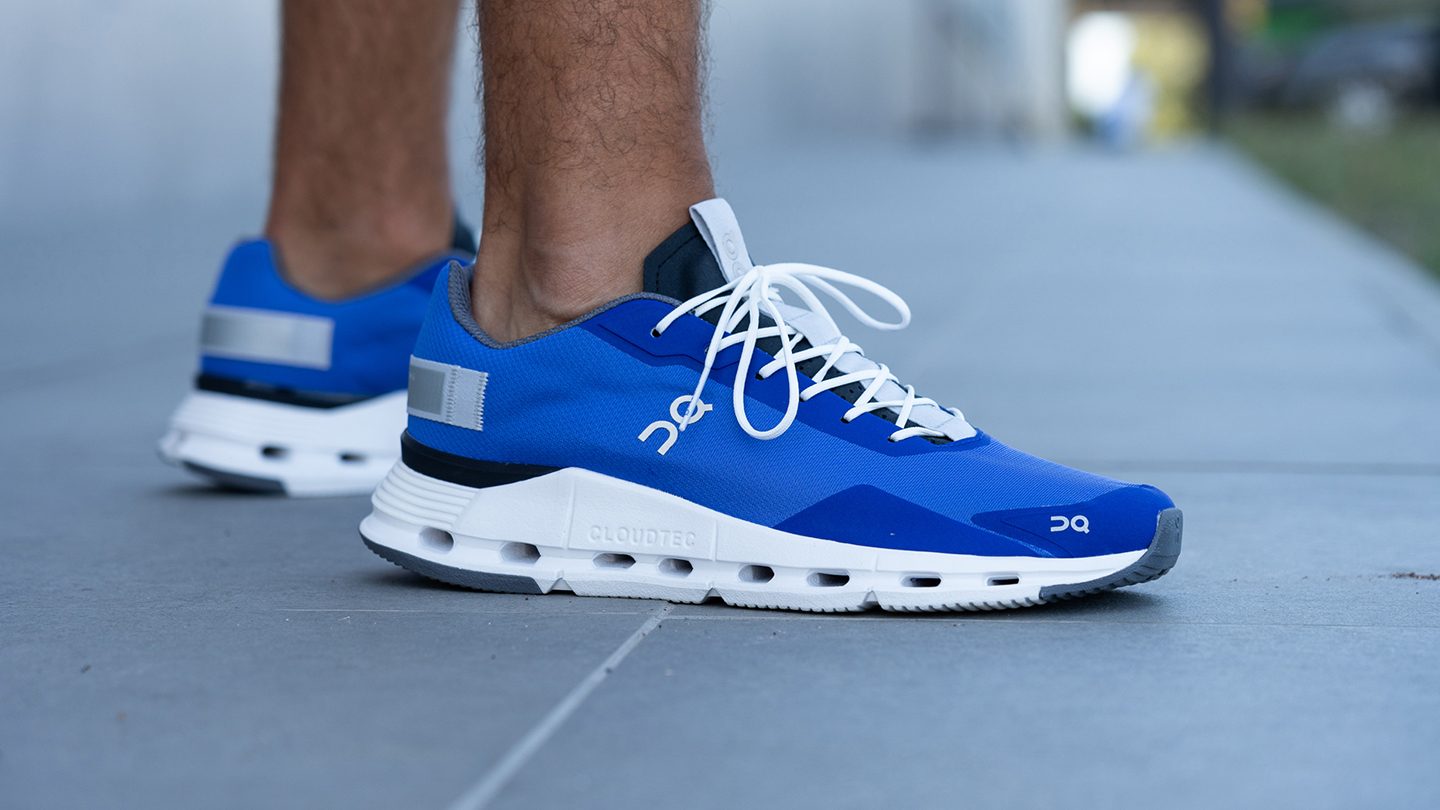
The integration of performance technology into aesthetically pleasing designs marks one of the most significant shifts in 21st-century fashion. This is not a compromise; it’s an evolution. We have witnessed the “athleisure” trend mature from a fad into a permanent wardrobe philosophy, championed by cultural icons and validated by everyday consumers. On platforms like YouTube, style influencers such as Ashley Weston (celebrity men’s stylist) frequently emphasize the importance of “elevated basics,” where footwear that offers all-day comfort becomes the foundation for layering more expressive clothing items. The narrative in popular media has shifted as well. Films like “Her” (2013) depict a near-future where high-waisted trousers are paired with minimalist, comfortable sneakers, presenting a vision of style that is both polished and humane. Similarly, in the world of literature, the rise of “dopamine dressing”—focusing on clothes that make you feel good—logically extends to what you put on your feet. The walking shoe, in its modern incarnation, answers this call. Brands like Cole Haan, originally a purveyor of formal wear, have successfully hybridized dress shoe silhouettes with Grand.ØS sneaker technology, a direct response to the demand for shoes that can withstand a full day of meetings without causing agony. This fusion proves that the technical virtues of a shoe—its cushioning, its weight, its flexibility—are now intrinsic components of its style quotient.
:max_bytes(150000):strip_icc()/vwt-asics-womens-gel-pulse-16-jinfeng-chen-21-712f0f140e834b84b3a8dcf0bf154771.jpeg)
The Investment That Pays Dividends: Health, Posture, and Longevity
Choosing a proper walking shoe is an investment in your physical capital, with returns measured in energy, posture, and long-term joint health. Consider the alternative: a day spent in unsupportive flats or rigid boots. The discomfort isn’t merely a nuisance; it alters your entire physiology. You begin to walk differently, subtly shifting your weight to avoid pain, which can lead to muscle imbalances and chronic issues in the ankles, knees, hips, and even the lower back. The American Podiatric Medical Association (APMA) grants its Seal of Acceptance to products that promote good foot health, and many walking shoe models from brands like New Balance and Saucony have earned this recognition. This isn’t a marketing gimmick; it’s a certification based on podiatrist reviews. The benefits extend beyond podiatry. When your feet are properly supported, your spine can align naturally. You stand taller, your shoulders fall back more easily, and your stride becomes more confident. This isn’t just about feeling better; it’s about projecting an aura of assurance. As the famous Coco Chanel quote, often cited on fashion forums from Vogue to Quora, reminds us: “A woman with good shoes is never ugly.” In today’s context, we can reinterpret this: a person in ergonomically sound shoes is equipped with a foundation of confidence that radiates outward, making any outfit look considered and intentional, because it is built on a platform of genuine well-being.
Curating Your Arsenal: How to Select the Right Walking Shoe
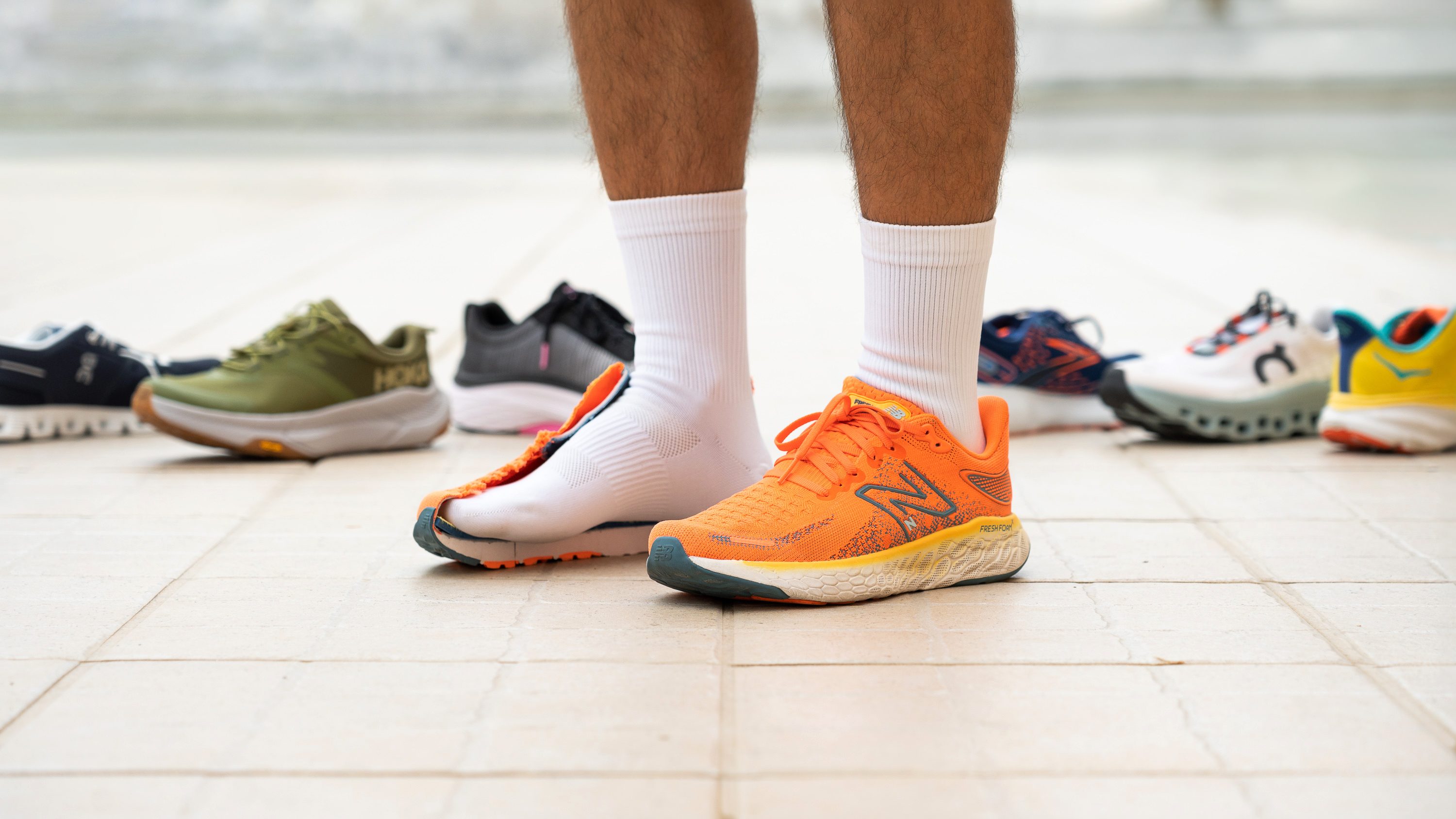
With the “why” firmly established, the “how” becomes critical. Selecting your ideal walking shoe is a personal process, akin to finding a trusted partner for your daily journeys. First, prioritize fit over everything else. Sizes vary wildly between brands and even models. Your foot expands throughout the day and with activity, so it’s advisable to shop in the afternoon or evening. There should be about a thumb’s width of space between your longest toe and the end of the shoe. Width is equally crucial; cramped toes can lead to neuromas and bunions. Second, understand your gait. While many can use a neutral shoe, those who overpronate (their ankles roll inward excessively) may benefit from stability or motion control features. Some specialty running stores offer gait analysis, a service that provides invaluable data for making an informed choice. Third, consider the primary terrain. Are you mostly on paved city streets, or do your walks incorporate park paths? A more rugged outsole may be necessary for mixed surfaces. Finally, do not ignore materials. Breathable mesh uppers keep feet cool and reduce blister-causing moisture, while quality leather offers durability and structure. Remember, the most expensive shoe is not necessarily the best for you. The goal is to find the tool that aligns with your unique biomechanics and lifestyle needs.
The Professional’s Edge: Leveraging Technology for Informed Decisions
In our digital age, making an informed purchase has never been easier, allowing you to access professional-grade knowledge and competitive pricing from your living room. Authoritative reviews from sites like Runner’s World (which has a dedicated “Walking” section) or Verywell Fit provide deep-dive analyses, often written in collaboration with podiatrists and biomechanists, comparing cushioning systems, durability, and fit profiles across dozens of models. YouTube channels such as “Doctor of Style” or “The Run Testers” offer visual, hands-on reviews where you can see the shoe’s flex, hear objective pros and cons, and get a true sense of its aesthetics on foot. Furthermore, price comparison tools and browser extensions can scan the web to ensure you secure the best possible deal on your chosen model. Many direct-to-consumer brands also offer exceptional value, cutting out retail markups to pass savings onto you while often incorporating premium materials and technologies. By combining this research with an understanding of your own needs, you transform from a passive consumer into an empowered buyer, acquiring a walking shoe that is both a testament to smart shopping and a catalyst for daily comfort.

The journey towards effortless style is not paved with uncomfortable, restrictive choices. It is built step by step on a foundation of intelligent design and self-aware curation. The modern walking shoe stands as the definitive proof that we no longer need to choose between looking polished and feeling invincible. It is the secret weapon that operates silently, supporting your body, elevating your posture, and freeing your mind to engage with the world, not with the discomfort on your feet. By embracing this fusion of science and style, you invest in a simpler, more confident, and more sustainable approach to dressing—one where every step is a pleasure, and every outfit begins with the perfect, empowered foundation.
