

The Walking Shoe: Your Secret to Effortless Style and All-Day Comfort
Forget the notion that comfort and style exist in separate realms. The modern walking shoe has evolved into a sophisticated hybrid, a piece of footwear engineered not just for movement but for living. It is the unsung hero of the urban landscape, the foundation upon which a day of confidence, energy, and poise is built. This isn’t about athletic performance in the traditional sense; it’s about the performance of daily life. From the morning commute to an evening stroll, the right shoe doesn’t just carry you—it elevates you. The secret lies in understanding that true style is effortless, and effortlessness is born from profound comfort. This article delves into the anatomy, science, and philosophy behind finding that perfect pair, transforming your perception of what a shoe can and should be.
The Anatomy of All-Day Comfort: More Than Just Soft Soles
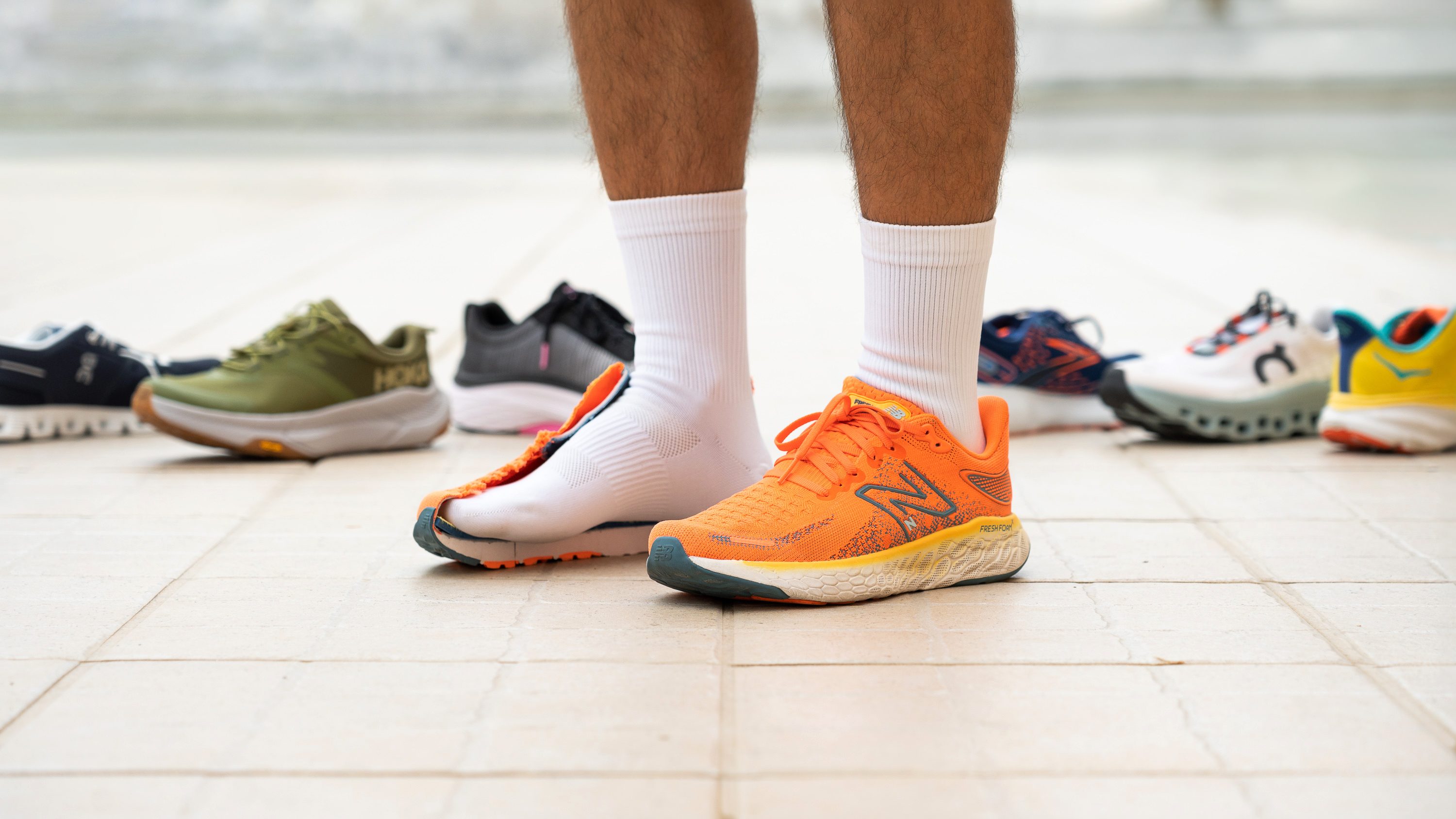
Comfort in a walking shoe is a complex symphony of biomechanics and material science, not a single note of cushioning. It begins with the midsole, the heart of the shoe. Today’s leading brands utilize advanced polymer foams like Adidas’s Boost, Nike’s React, or proprietary EVA blends. These materials are engineered for energy return—a concept validated by research from institutions like the University of Calgary’s Human Performance Lab, which studies how footwear materials affect gait efficiency. Energy return means that with each step, some of the compressive force is stored and released back, propelling you forward with less muscular effort. This reduces fatigue dramatically over thousands of steps. Then comes the insole or footbed, which should provide arch support conforming to the plantar fascia’s natural structure. As noted by the American Podiatric Medical Association, proper arch support is critical in preventing conditions like plantar fasciitis. The upper must be constructed from breathable, flexible materials—engineered mesh or knit fabrics—that adapt to the foot’s shape without causing pressure points or overheating. A well-designed heel counter cups the back of the foot securely to prevent slippage and provide stability, a feature often highlighted in biomechanical analyses from sources like Runner’s World magazine. When these elements harmonize, the shoe disappears on your foot, becoming a seamless extension of your body.
Ergonomics and Gait Cycle: The Science of Walking
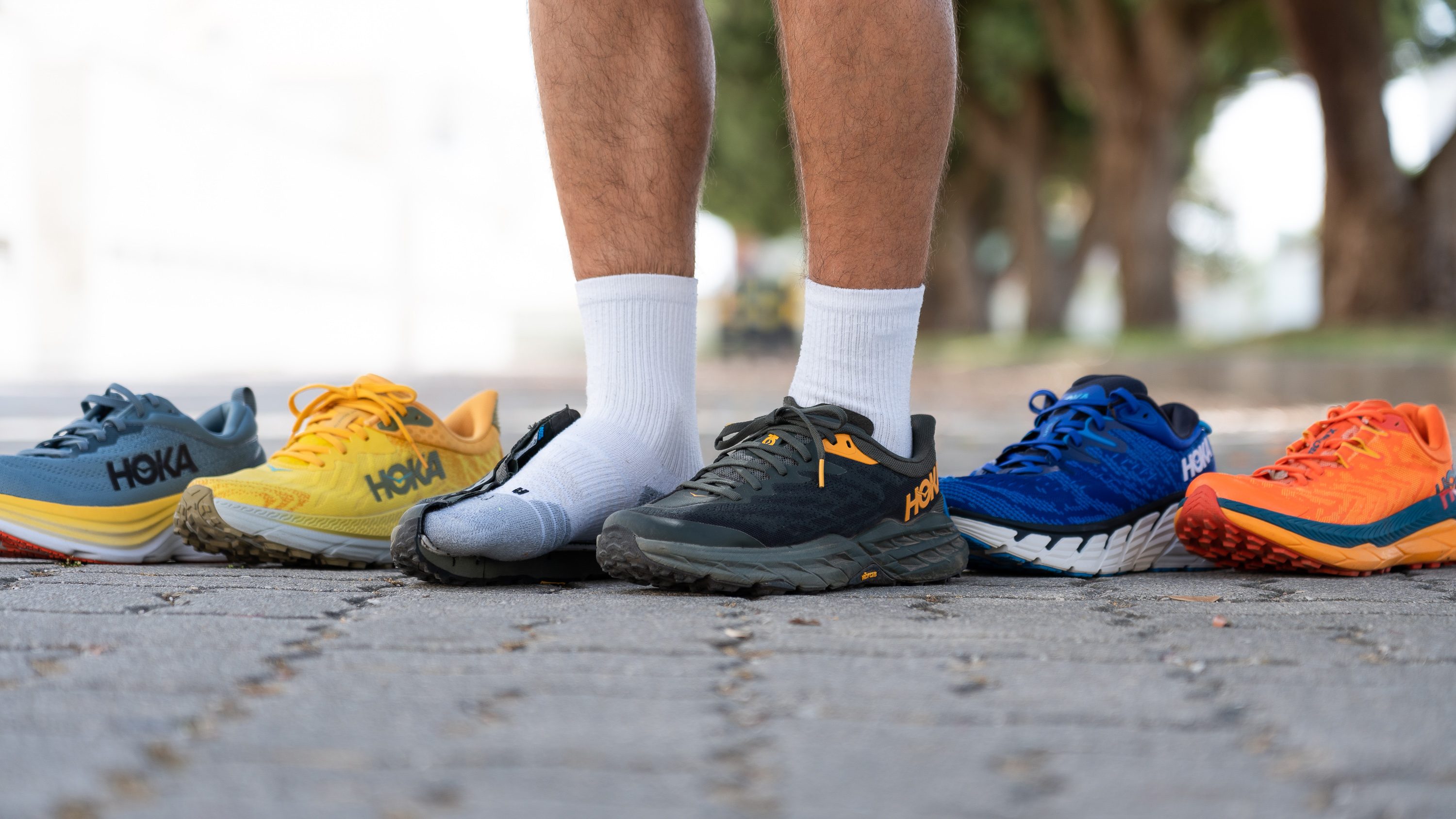
To appreciate a great walking shoe, one must understand the gait cycle—the repetitive pattern from heel strike to toe-off. A quality shoe is designed to support this natural motion. During heel strike, we need cushioning to absorb impact, which can be 1.2 to 1.5 times our body weight. The midfoot phase requires stability to control pronation (the natural inward roll of the foot). Finally, the toe-off phase demands flexibility at the forefoot to allow for a powerful, efficient push. A rigid shoe disrupts this cycle, forcing muscles to work harder. Dr. Casey Kerrigan, a former Harvard Medical School professor and founder of a biomechanics research company, has published studies showing that overly cushioned, stiff shoes can actually increase joint torques in the knees and hips. The ideal walking shoe, therefore, offers “guided flexibility.” It provides structured cushioning where you need it (heel and ball of the foot) and strategic flexibility at the joints. This philosophy is echoed in the design principles of brands like Hoka One One, which uses meta-rocker geometry—a curved sole—to promote a smoother roll-through motion, reducing strain. It’s not about maximum cushioning; it’s about intelligent cushioning placed in harmony with human kinematics.
Effortless Style: Where Form Meets Function
The historic dichotomy between “dress shoes” and “comfort shoes” is obsolete. Contemporary design has successfully merged these worlds. Consider the minimalist sneaker trend popularized by brands like Common Projects or Axel Arigato. Their clean lines and monochromatic profiles draw from modernist design principles—think Dieter Rams’s “less but better” ethos—and function as a neutral canvas for both tailored trousers and casual denim. This is a form of utilitarian elegance. Similarly, the rise of “technical fashion” or “gorpcore” has seen hiking and trail-inspired walking shoes from Salomon or Merrell become streetwear staples, as documented in style analyses from websites like Highsnobiety. Their aesthetic is derived directly from their functional elements: molded mudguards, quick-lace systems, and durable suede. The style is inherent, not applied. As fashion critic Tim Blanks once observed, “The most interesting style now comes from the intersection of performance and presentation.” A great walking shoe possesses this integrity. Its style is not a veneer but a direct expression of its purpose—clean, considered, and inherently versatile. It signals an awareness that is both practical and sophisticated.
The Psychological Impact: Confidence from the Ground Up
Footwear’s influence extends beyond the physical into the psychological realm. This is encapsulated in the concept of “enclothed cognition,” a term coined by researchers Hajo Adam and Adam D. Galinsky in a 2012 study published in the Journal of Experimental Social Psychology. Their work demonstrated that the symbolic meaning and the physical experience of wearing clothing systematically influence the wearer’s psychological processes. A shoe that is uncomfortable creates a constant, low-level distraction—a cognitive load that diminishes your presence and focus. Conversely, a shoe that fits perfectly and supports you effortlessly frees your mind. It builds a foundation of physical well-being that translates into mental poise. You stand taller, walk with a more assured gait, and engage with the world without the subconscious anchor of discomfort. This isn’t mere speculation; it’s a feedback loop between body and mind. As author and habit expert James Clear implies in his writings, optimizing your environment (including what you wear) removes friction from performing at your best. Your walking shoe becomes a tool for self-assurance, enabling you to navigate social and professional environments with grounded confidence.
Making the Informed Choice: A Buyer’s Framework
Selecting the right pair is a personal journey, but guided by objective parameters. First, analyze your foot type. The classic “wet test” (checking your footprint on a paper bag) can indicate if you have high, neutral, or low arches, guiding you toward shoes with appropriate support levels. Second, consider your primary use-case. Are you mostly on hard urban pavement, or do you incorporate park trails? For pavement, prioritize cushioning and abrasion-resistant outsoles (like durable rubber). For varied terrain, look for a more lugged outsole and potentially a water-resistant upper. Third, fit is paramount. Always shop in the afternoon when feet are naturally slightly swollen. There should be a thumb’s width of space between your longest toe and the end of the shoe, and the widest part of your foot should align with the shoe’s widest part. Don’t be seduced by break-in promises; a great walking shoe feels right from the first step. Finally, leverage professional knowledge and community wisdom. Websites like RunRepeat provide deep-dive, lab-tested reviews on metrics like durability and energy return, while platforms like Reddit’s r/GoodYearWelt or dedicated shoe forums offer long-term wear testimonials. This research empowers you to move beyond marketing and make a choice based on engineering and proven user experience.
Investment and Value: Beyond the Price Tag
Viewing a premium walking shoe as an expense is a misperception; it is an investment in your daily well-being and long-term physical health. The cost per wear of a $150 shoe worn 300 days a year is $0.50 per day. A cheap, poorly constructed shoe not only provides a inferior experience but may lead to discomfort or injury, incurring potential healthcare costs. Furthermore, high-quality materials like full-grain leather, Cordura nylon, or Vibram outsoles offer dramatically longer lifespans. The initial outlay is amortized over years, not months. The market also offers tremendous value through direct-to-consumer brands (like Allbirds or Atoms) that bypass traditional retail markups, passing savings to the customer. Additionally, end-of-season sales, outlet stores, and reputable online retailers frequently offer significant discounts on previous models, where the core technology is often identical to the latest release. By bringing this professional knowledge of materials, construction, and market timing to your purchase, you secure discounted prices without compromising on the quality that defines a true, life-enhancing walking shoe.
The pursuit of the perfect walking shoe is, ultimately, a pursuit of a better quality of daily life. It is an acknowledgment that the tools we choose for our most fundamental act—movement—have a profound ripple effect on our physical state, our mental clarity, and our stylistic expression. When you find that pair that offers unwavering support, breathable comfort, and a look that resonates with your personal aesthetic, you unlock a subtle yet powerful form of freedom. You are no longer dressing for an occasion; you are equipping yourself for the marathon of modern life, one confident, comfortable, and stylish step at a time.
