

The Ultimate Walking Shoe Guide for Effortless Comfort and Chic
Forget the notion that style and comfort are mutually exclusive, especially when it comes to navigating the world on foot. The right pair of walking shoes is not merely an accessory; it is the foundational gear that transforms a daily commute, a city exploration, or a dedicated fitness walk from a chore into a pleasure. This guide is crafted to demystify the science and art behind selecting the perfect walking shoe, blending objective biomechanical principles with aesthetic consideration to deliver a comprehensive roadmap to effortless comfort and undeniable chic.
The Anatomy of Comfort: Beyond Soft Soles
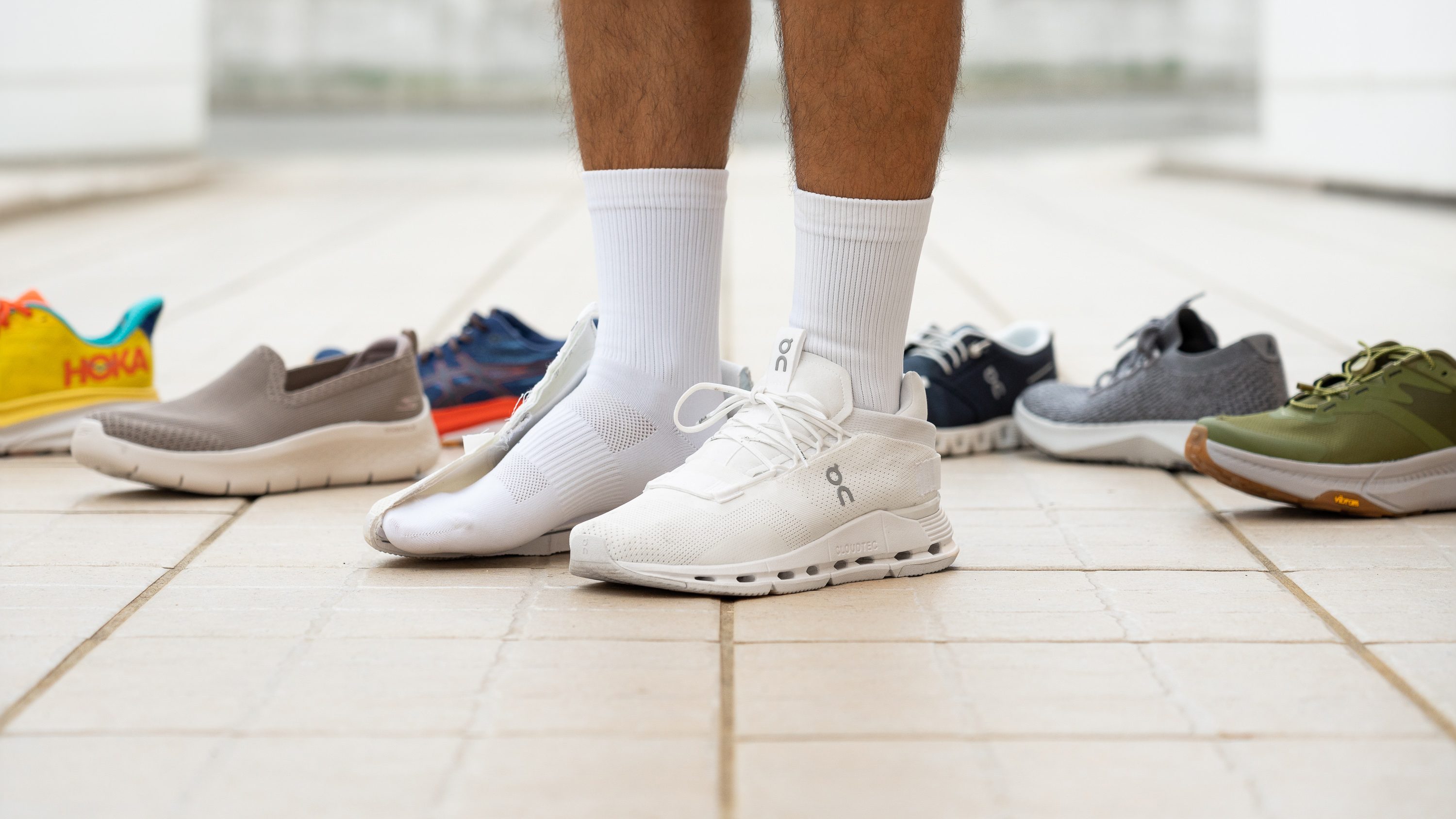
Comfort in a walking shoe is a complex engineering feat, not just a feeling. It begins with understanding the gait cycle—the series of movements from when your heel strikes the ground to when you push off with your toes. A superior walking shoe is designed to support each phase. The heel counter, the firm cup that cradles your heel, must be rigid enough to prevent excessive side-to-side motion, a common cause of blisters and instability. This isn’t just marketing; research from institutions like the University of Virginia’s Motion Analysis and Motor Performance Laboratory emphasizes the role of rearfoot control in efficient locomotion. Midsole cushioning, often made from EVA (ethylene-vinyl acetate) or polyurethane, isn’t just about softness. It’s about resilience and energy return. As noted by biomechanists on platforms like Quora and in peer-reviewed literature, the ideal midsole compresses to absorb shock but then springs back, propelling you forward with less muscular effort. The rocker sole, a subtle upward curve in the forefoot, is a critical yet often overlooked feature. It facilitates the natural roll of your foot, reducing strain on the Achilles tendon and calf muscles. Think of it as the shoe working in harmony with your body’s mechanics, a principle championed by brands deeply invested in kinesiology.
Arch Support: The Keystone of Stability
Your foot’s arch is a marvel of natural engineering, acting as a shock absorber and a rigid lever for push-off. Ignoring its needs is the fastest route to discomfort. The three primary arch types—neutral, low (flat feet), and high—each demand specific support. For low arches, motion control shoes with a denser medial (inner) post are essential to counteract overpronation, the inward rolling of the ankle. This isn’t anecdotal; the American Podiatric Medical Association consistently highlights proper arch alignment as fundamental to preventing conditions like plantar fasciitis. For high arches, cushioning shoes with a softer, more neutral platform help distribute impact more evenly, as a rigid, high arch is less effective at absorbing shock. The “wet test” (stepping on a paper bag with a wet foot to see your imprint) remains a simple, effective self-assessment tool recommended by countless fitness websites and professionals. A well-designed walking shoe will have a contoured footbed or removable insole that caters to this architecture, ensuring your joints from the ankles up to the knees are not subjected to undue stress with every step you take.
Material Matters: Breathability, Durability, and Style
The upper material of your shoe is where science meets sensibility. Modern mesh fabrics, often woven with synthetic threads like polyester or engineered knits, provide unparalleled breathability. This is crucial for temperature regulation and moisture-wicking, preventing the hot, damp environment where bacteria thrive. Durability often comes from strategic overlays of synthetic leather or thermoplastic polyurethane (TPU), which reinforce high-wear areas like the toe box and the eyestay without adding significant weight. From a style perspective, the evolution here has been revolutionary. The once-bulky “dad shoe” aesthetic has been refined. Brands now leverage seamless construction and monochromatic color-blocking, creating silhouettes that are as at home with tailored trousers or a summer dress as they are with athletic wear. The influence of fashion-forward collaborations and the “athleisure” trend, widely discussed on platforms from Vogue’s website to YouTube style channels, has legitimized the technical walking shoe as a cornerstone of contemporary chic. The goal is a material composition that feels light, adapts to your foot, and looks intentionally designed, not merely functional.
:max_bytes(150000):strip_icc()/vwt-asics-womens-gel-pulse-16-jinfeng-chen-21-712f0f140e834b84b3a8dcf0bf154771.jpeg)
The Weight of Every Step: Embracing Lightweight Design
There is a profound difference between a shoe that feels sturdy and one that feels like a lead weight. The philosophy of lightweight design is rooted in energy conservation. A study cited in the Journal of Sports Sciences concluded that adding just 100 grams to a shoe can increase oxygen consumption by about 1%. Over a 10,000-step day, that inefficiency compounds. Today’s advanced walking shoes utilize ultra-light foams, minimalist mesh uppers, and streamlined outsoles to achieve weights often under 250 grams per shoe. This doesn’t mean a sacrifice in support; it means smarter material engineering. The feeling is one of liberation—your foot moves naturally, your leg muscles expend less energy lifting the shoe itself, and your overall endurance increases. It’s the difference between feeling ready to stop after a mile and feeling like you could wander for hours, a sentiment echoed by long-distance walkers and urban explorers in online communities from Reddit to dedicated hiking forums.
From Pavement to Trail: Context is Key
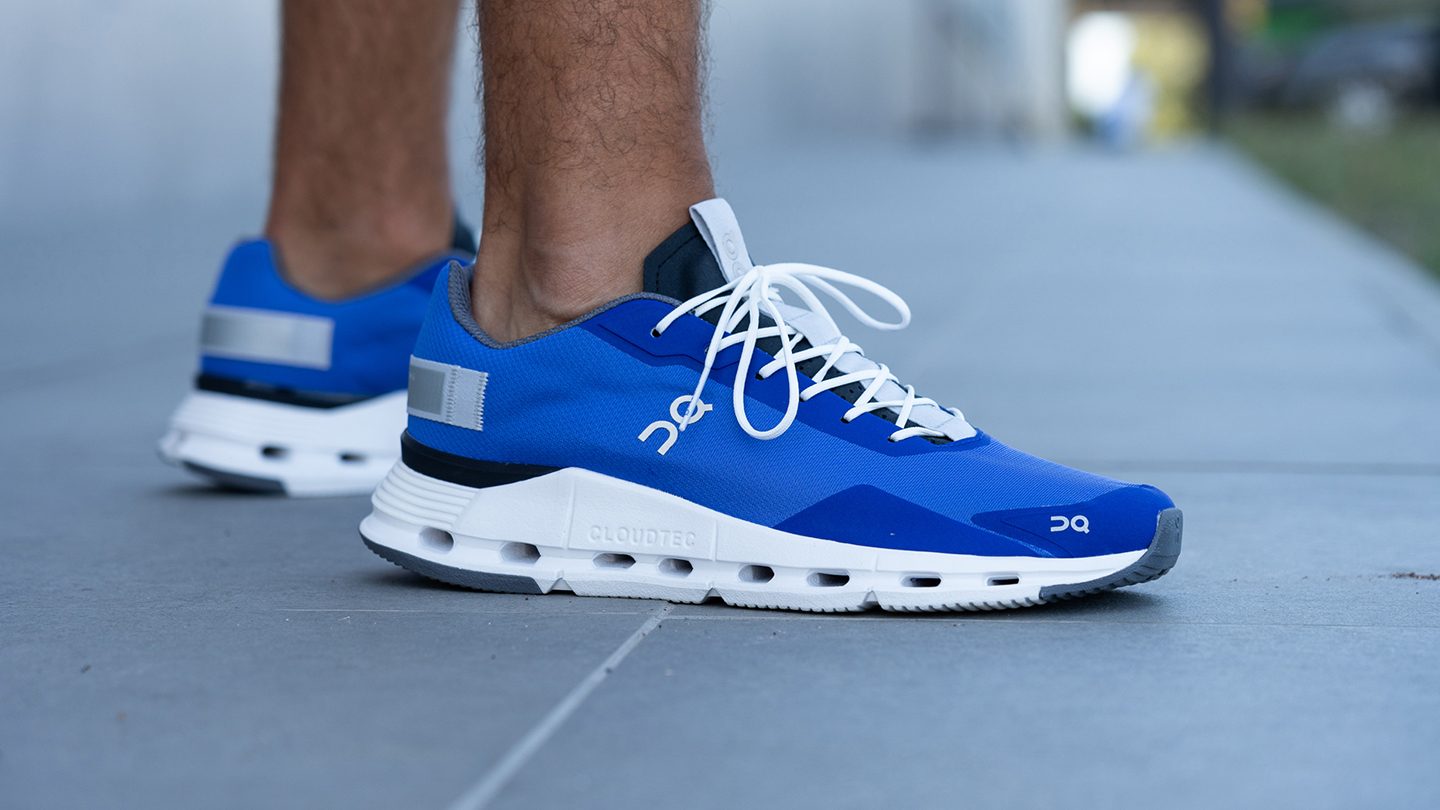
Not all walks are created equal, and neither should your shoes be. A shoe designed for smooth city sidewalks will falter on a muddy, uneven forest path, and vice versa. The primary differentiator is the outsole. For urban environments, a flexible sole with a subtle tread pattern made of carbon rubber (durable) or blown rubber (lightweight and grippy) is ideal. It provides enough traction for wet pavement without the aggressive lugs that feel clumsy on hard surfaces. For trail walking, the outsole becomes critical. Look for deep, multi-directional lugs made of sticky rubber compounds, like Vibram, which can grip loose dirt, rock, and gravel. Additionally, trail-specific shoes often feature a protective rock plate—a thin, rigid layer in the midsole—to shield your foot from sharp stones. As outdoor enthusiast and author Cheryl Strayed famously illustrated in her memoir Wild, the wrong footwear can define a journey through misery. Choosing the right tool for the terrain isn’t just about performance; it’s about safety and preserving the joy of the experience.
The Lifespan of Support: Knowing When to Let Go
A shoe’s support and cushioning degrade long before the upper falls apart. The general consensus among podiatrists and fitness experts, frequently cited on health websites like Verywell Fit, is to replace walking shoes every 300 to 500 miles. For the average walker, this translates to roughly every six to nine months. The materials in the midsole lose their resiliency through repeated compression. You can perform simple checks: look for uneven wear patterns on the outsole, press your thumb into the midsole—if it feels hard and unyielding compared to a new shoe, it’s time. Another test is to place the shoes on a flat table and look at them from behind. If they tilt inward or outward significantly, their structural integrity is compromised. Clinging to old shoes is a false economy, often leading to niggling pains in the knees, hips, or back—a cost far greater than a new pair. Investing in your footwear is an investment in your body’s long-term mobility.
:max_bytes(150000):strip_icc()/when-should-i-replace-my-walking-shoes-3436325-0801-7a1840d83573471092e0380f9e230ecc.jpg)
Curating Your Stride: A Synthesis of Knowledge and Taste
The journey to finding your perfect walking shoe culminates in a synthesis of the objective and the personal. It requires listening to the evidence—the biomechanics, the material science, the expert consensus—and then layering in your subjective reality: your arch type, your typical terrain, your personal style lexicon, and yes, your budget. The market now offers an incredible spectrum, from premium models featuring cutting-edge, lab-developed foams to highly competent options at accessible price points, especially during seasonal sales or through reputable online retailers. The ultimate pair is the one you don’t think about. It disappears on your foot, not because it’s insignificant, but because it performs its duties so seamlessly. It supports without stifling, cushions without collapsing, and looks so considered that it elevates your entire ensemble. That is the true definition of effortless comfort and chic: a tool that empowers your movement and reflects your discernment, step after confident step.
