

The Ultimate Walking Shoe Guide for Effortless Comfort and Chic
Forget the notion that style must be sacrificed for comfort, or that a supportive shoe cannot be elegant. The modern walking shoe has evolved into a sophisticated tool, engineered to carry you through city streets, travel adventures, and daily errands without a whisper of discomfort, all while complementing your personal aesthetic. This guide is not about fleeting trends; it’s a deep dive into the science, design, and philosophy behind finding the perfect pair that makes walking not just a mode of transport, but a genuine pleasure. We’ll move beyond superficial advice, grounding our recommendations in biomechanics, material science, and insights from experts across fields, empowering you to make an informed choice that benefits your body and your wardrobe.
The Foundation: Why Your Everyday Footwear Is Failing You
Consider the typical flat, unsupported shoe or the rigid, fashion-forward boot. They may look the part for a brief outing, but over extended periods, they force your foot into unnatural positions. The human foot is a marvel of engineering, with 26 bones, 33 joints, and over 100 muscles, tendons, and ligaments working in concert to provide balance, propulsion, and shock absorption. A proper walking shoe respects this complexity. According to biomechanics literature from institutions like the University of Calgary’s Human Performance Lab, the gait cycle during walking involves a heel strike, midfoot roll, and toe-off. Shoes lacking adequate cushioning in the heel and forefoot, or stability in the midfoot, disrupt this cycle, leading to chain reactions of stress that can manifest as pain in the feet, knees, hips, and even the lower back. As renowned podiatrist Dr. William Rossi once stated, “Walking is the single most important exercise for most people, and the shoe is the single most important piece of equipment.” Your choice of footwear is not trivial; it’s a fundamental investment in your musculoskeletal health. The right shoe actively supports the foot’s natural motion, rather than constricting or working against it.

Decoding the Anatomy of the Perfect Walking Shoe
To choose wisely, you must become fluent in the language of shoe construction. Let’s dissect the critical components. First, the upper: this is the material enclosing your foot. Modern performance uppers use engineered meshes (like Adidas’s Primeknit or Nike’s Flyknit) that provide targeted breathability and stretch, conforming to your foot’s shape without pressure points. Leather remains a classic for its durability and structure, but look for soft, supple varieties. The midsole is the heart of the shoe’s performance. This is where cushioning technologies reside—materials like EVA foam, polyurethane, or proprietary compounds such as Brooks’ DNA LOFT, ASICS’ GEL, or New Balance’s Fresh Foam. These aren’t just marketing terms; they are scientifically formulated polymers designed to absorb impact energy and return a degree of responsiveness. The outsole, typically made of carbon rubber or blown rubber, provides traction and durability. A flexible groove pattern in the forefoot is essential for facilitating the toe-off phase of your stride. Finally, the insole or sockliner is your foot’s direct interface. While many are removable, a high-quality, contoured insole with arch support is a non-negotiable feature of a true walking shoe. It acts as the final layer of cushioning and alignment.
Fit: The Non-Negotiable Principle
All the technology in the world is useless if the shoe doesn’t fit your unique foot. This goes beyond just length. You must consider width, arch height, and volume. A common mistake, noted by footwear experts on platforms like Runner’s World and YouTube channels such as “The Run Testers,” is buying shoes too small. Your feet swell throughout the day and during activity. There should be about a thumbnail’s width of space between your longest toe and the end of the shoe. The widest part of your foot should align with the widest part of the shoe. Don’t assume your size; brands and even models within the same brand can vary significantly. The act of trying on shoes, preferably in the afternoon, with the socks you intend to wear, is irreplaceable. A well-fitted walking shoe should feel secure at the heel and midfoot, with room for your toes to splay naturally—a function critical for balance and propulsion, as detailed in biomechanics studies.
Bridging the Gap: Where Performance Meets Aesthetics
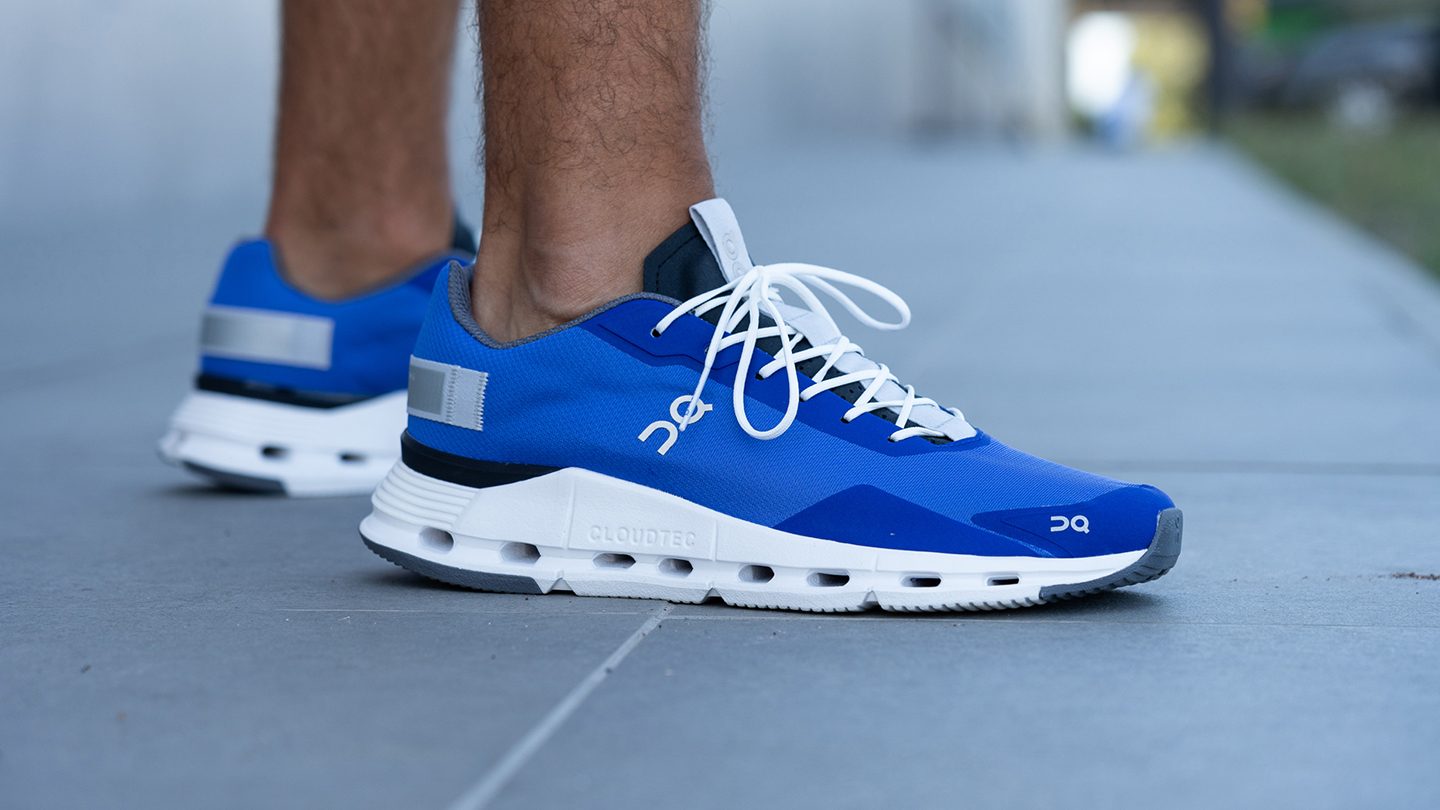
The historical divide between “ugly” comfort shoes and stylish ones is rapidly closing. Designers are now integrating performance features into silhouettes that are minimalist, sleek, and color-versatile. Consider the rise of “athleisure” and the influence of brands like Allbirds, Cole Haan, and even luxury houses incorporating sneaker technology. The key is to look for clean lines, muted or monochromatic color palettes (think off-whites, greys, blacks, or navy), and the absence of overly bulky, technical detailing. A leather walking sneaker from Ecco or a knit trainer from APL can seamlessly transition from a day of museum-hopping to a casual dinner. This isn’t about compromising; it’s about selecting a walking shoe whose design intelligence is reflected in both its internal engineering and its external form. As fashion critic Vanessa Friedman of The New York Times has observed, the modern wardrobe staple is a shoe that doesn’t announce its technical prowess but quietly delivers it, allowing the wearer’s style to take center stage.
Material Innovation: The Invisible Chic
Chic in a walking shoe often comes from the sophistication of its materials. Beyond traditional leather, we see recycled polyester uppers, merino wool linings (noted for their temperature regulation and odor resistance), and water-repellent treatments that maintain a clean appearance. The chic factor is also found in sustainability. Brands are increasingly transparent about using recycled ocean plastics, bio-based foams, and responsible manufacturing processes. This ethical dimension adds a layer of value and narrative to your purchase, aligning comfort with conscience. When a shoe is crafted from innovative, premium materials, it looks and feels inherently more refined than a shoe made from stiff, synthetic composites.
Curated Recommendations: A Spectrum of Solutions
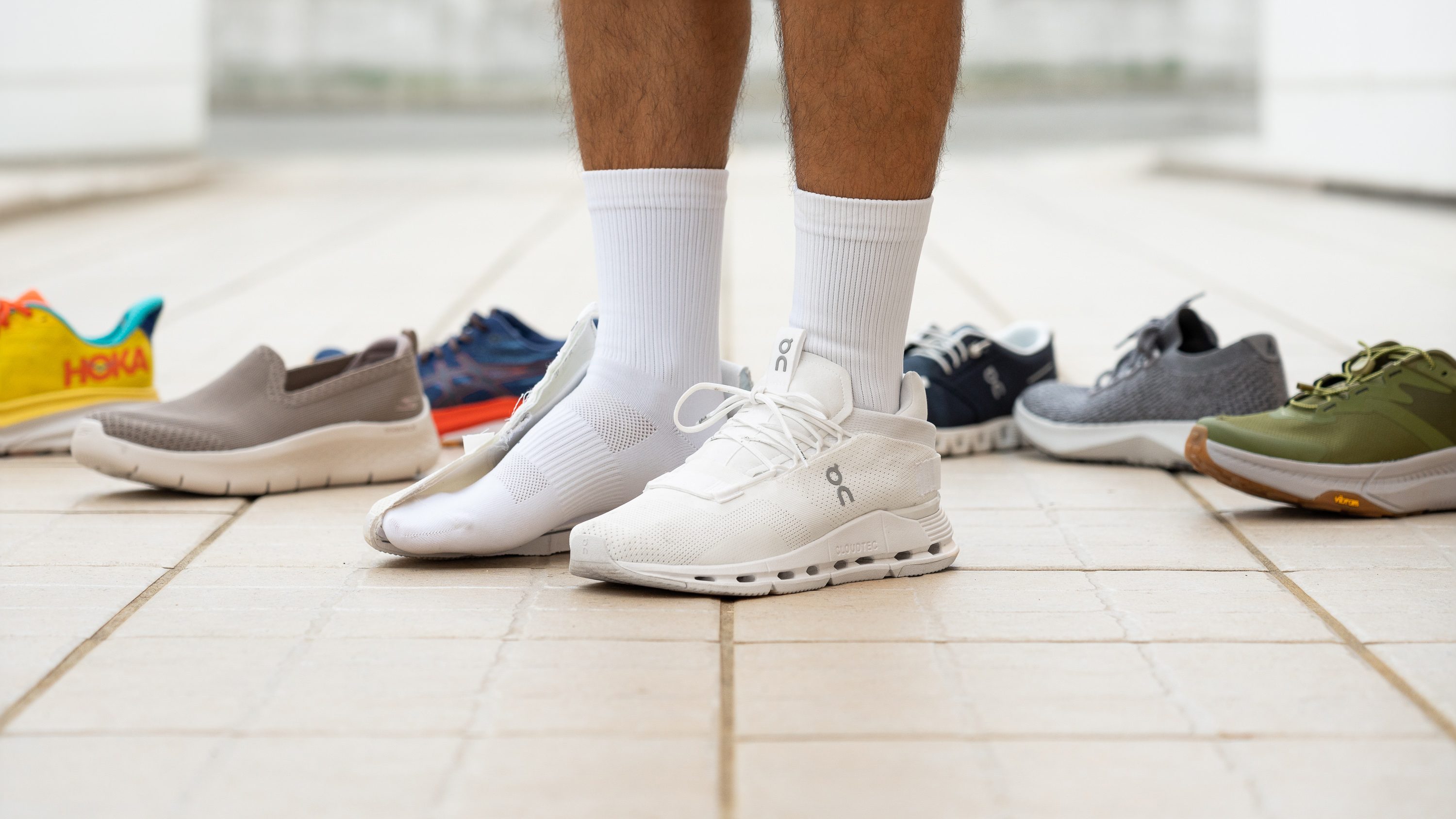
With the principles established, let’s apply them. Your perfect match depends on your primary use case, foot type, and style preference. For the urban explorer logging miles on hard pavement, prioritize maximum cushioning and durability. Shoes like the Hoka Bondi or the New Balance 1080 offer legendary softness without sacrificing stability. For those with a neutral gait and a preference for lightweight speed, a sleek option like the On Cloud or the Adidas Ultraboost provides responsive energy return. If overpronation (rolling inward of the foot) is a concern, seek out stability features like medial posts or dual-density midsoles found in models such as the Brooks Adrenaline GTS or the ASICS GT-2000. For the traveler who needs one versatile pair, a leather sneaker with a hidden performance midsole, such as those from Cole Haan or Mephisto, is ideal. Remember, the best walking shoe is the one that disappears on your foot, making every step feel effortless.
Investing in Your Stride: Value Beyond the Price Tag
While premium walking shoes can carry a significant price tag, often ranging from $120 to $180, viewing this as a long-term investment in your well-being reframes the cost. Consider the price per mile of comfort and joint protection. Furthermore, the market is dynamic. Direct-to-consumer brands often offer better value by cutting out retail markups. Signing up for brand newsletters can alert you to seasonal sales, outlet discounts, and promotional codes. Retailers like Zappos and REI frequently have sales sections where previous models—which are often nearly identical in performance—are sold at a steep discount. The goal is to acquire professional-grade footwear knowledge, enabling you to recognize true value and technological merit, so you can invest wisely, whether at full price or on sale.
The journey to finding your ultimate walking companion ends not with a single pair, but with an empowered understanding. It’s the knowledge that every step you take can be cushioned, supported, and stylish. It’s the realization that the right shoe doesn’t just carry you from point A to point B; it enhances the journey itself, turning a simple walk into a sustained experience of comfort and confidence. Your path is unique. Let your shoes be the perfectly engineered, chic foundation upon which you explore it all.
