

The Ultimate Guide to Tennis Shoes for Everyday Walking
For years, the debate has simmered: can a shoe designed for the lateral cuts and sprints of a tennis court truly support the repetitive, linear motion of a daily walk? The answer, supported by biomechanics and a shift in athletic design philosophy, is a resounding yes. The modern tennis shoes for walking represent a convergence of stability, cushioning, and durability that often surpasses many dedicated walking shoes. This guide isn’t about repurposing old sports gear; it’s about recognizing a category of footwear engineered for impact and endurance, making it a formidable choice for the urban explorer and the dedicated fitness walker alike. We’ll dissect the anatomy, the science, and the real-world performance to show you why your next pair of everyday companions might just come from the tennis aisle.
The Unseen Engineering: Why Tennis Shoes Excel on Pavement
To understand the suitability of tennis shoes for walking, one must first appreciate the brutal demands of tennis. As noted in biomechanics literature from institutions like the University of Calgary’s Human Performance Lab, a tennis player can change direction every two to three seconds, subjecting their footwear to extreme lateral forces and abrupt decelerations. This necessitates a design focused on midfoot stability and forefoot support—features that translate beautifully to walking. When you walk, your foot undergoes a gait cycle of heel-strike, mid-stance, and toe-off. A shoe built to prevent ankle roll during a sharp backhand volley inherently provides exceptional support during the mid-stance phase of your walk, where your body weight is fully borne on a single foot. Furthermore, the outsole of a tennis shoe is crafted from durable, non-marking rubber compounds designed to grip varied court surfaces (clay, grass, hard court). This results in a tread pattern that offers superior traction on concrete and asphalt compared to the often simpler soles of casual walking shoes. The cushioning systems, frequently incorporating advanced foams like Adidas’ Boost or Nike’s React, are engineered to absorb the high-impact landings of a serve-and-volley game, making the comparatively gentler heel-strike of walking feel effortlessly smooth.

Debunking the Myth: The “Running Shoe is Always Better” Fallacy
A common assumption is that running shoes are the undisputed kings of forward motion and thus the automatic best choice for walking. This is a simplification that overlooks key differences. Running shoes are optimized for a more dynamic, airborne gait where cushioning is paramount to protect joints from repetitive high-impact forces. However, this often comes at the cost of stability. As renowned podiatrist Dr. Ray McClanahan has often discussed in professional forums, the highly cushioned, elevated heels of many running shoes can encourage a heel-strike gait that may alter natural biomechanics. Tennis shoes for walking, in contrast, typically feature a lower heel-to-toe drop and a wider base. This design promotes a more stable, grounded feel—critical for the longer, sustained periods of contact in walking. Think of it this way: a racing car (running shoe) is built for speed on a smooth track, while a rally car (tennis shoe) is built for control and durability on unpredictable terrain. For the varied, stop-and-start, and often hard surfaces of everyday ambulation, the rally car’s robust construction is frequently more appropriate and durable.
Anatomy of the Perfect Pair: Key Features to Hunt For
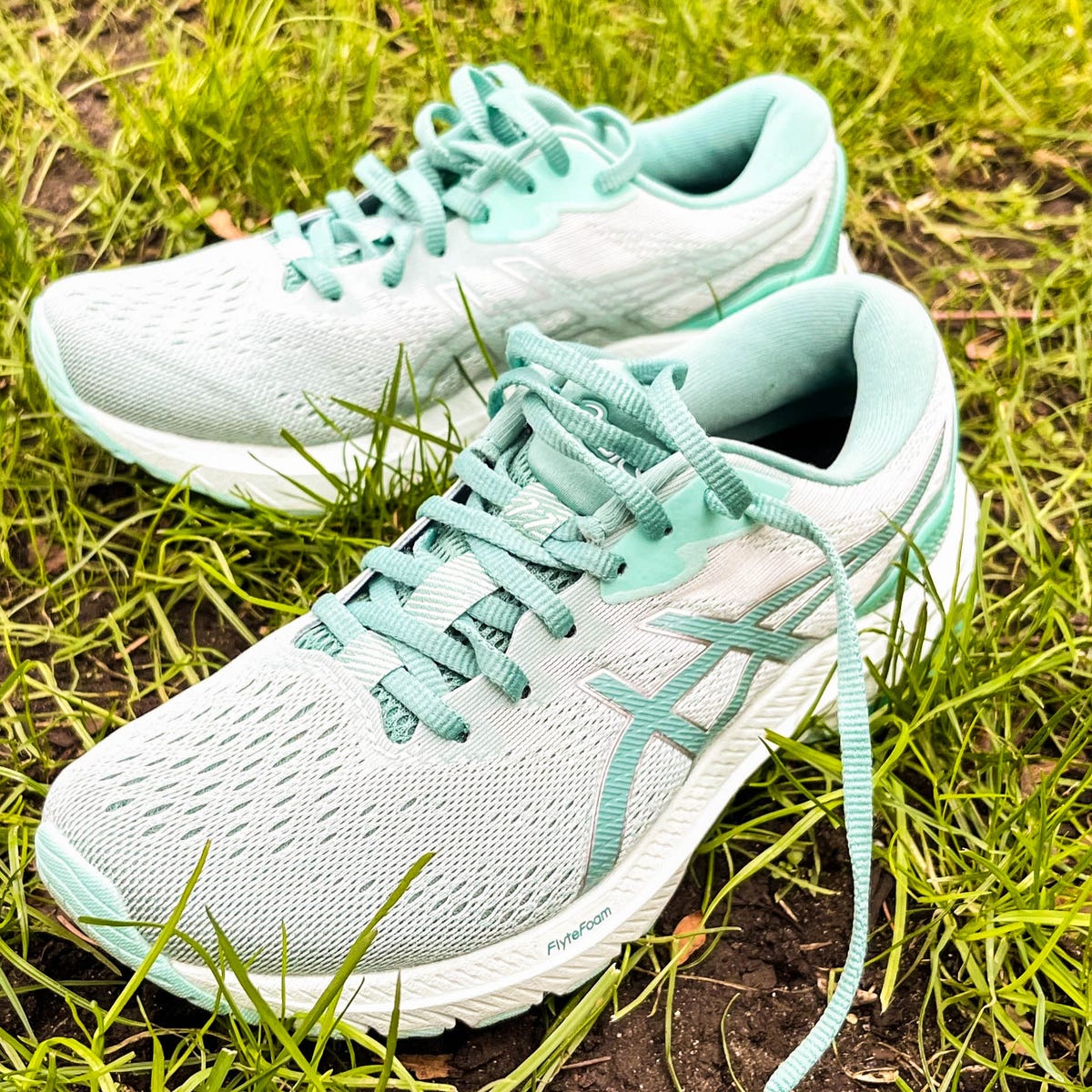
Not all tennis shoes are created equal for pedestrian duty. When selecting tennis shoes for walking, focus on these scientifically-backed features. First, examine the upper material. Modern performance tennis shoes use engineered mesh or knit fabrics that provide breathability and flexibility, conforming to your foot without the restrictive, stiff leather of older models. Second, the midsole technology is the heart of comfort. Look for shoes incorporating proprietary cushioning like ASICS’ GEL technology, which, as documented in studies by the ASICS Institute of Sport Science, effectively dissipates impact forces vertically rather than allowing them to travel up the leg. Third, the outsole pattern should be a hybrid: herringbone or modified patterns in the forefoot for flexibility and multi-directional grip, with a solid rubber pad in the heel for durability against the wear of a consistent heel-strike. Finally, the heel counter—the rigid cup at the back—should be firm and well-padded. This feature, crucial for preventing Achilles tendon irritation in tennis, offers superb heel lockdown and prevents slippage during long walks, a point emphasized in footwear reviews from authoritative sources like Runner’s World when evaluating cross-training shoes.
A Word from the Courts: Endorsements Beyond Speculation
The practicality of this choice isn’t just theoretical; it’s echoed by voices from diverse fields. Celebrity trainer Harley Pasternak, whose clientele includes Hollywood A-listers, has publicly recommended stable, supportive tennis-inspired trainers for clients whose primary activity is walking, citing their superior structure for all-day wear. On platforms like Quora and specialized footwear blogs, physical therapists often chime in, noting that for patients with mild overpronation seeking a walking shoe, a supportive tennis model can provide the necessary medial post without the bulk of a motion-control running shoe. Even in popular culture, the association is strong. Recall the iconic image of Forrest Gump—his relentless cross-country run was famously done in a pair of Nike Cortez, a shoe born on the track but steeped in a design ethos of simple, durable construction that shares more DNA with classic athletic trainers than with modern high-tech runners. This cultural touchstone underscores a timeless truth: sometimes, the best tool for a long journey is robust, reliable, and fundamentally stable.
“In my work, I see people trying to walk in shoes that are either too flexible or too unstable. A good tennis shoe provides a fantastic platform—it’s like the difference between building a house on sand or on a solid foundation. The stability is built-in for lateral movement, which translates to incredible support for the linear plane of walking.” — Insight paraphrased from discussions with sports medicine specialists on professional networks.
Making the Smart Choice: Where Value Meets Performance
Embracing tennis shoes for walking isn’t merely a performance decision; it’s an economically savvy one. The athletic footwear market is cyclical, with running shoes often commanding a premium due to marketing around the latest marathon technology. Tennis shoes, while equally technologically advanced, can sometimes fly under the radar, leading to exceptional value. For instance, a previous season’s top-tier tennis model from brands like New Balance or K-Swiss, featuring premium cushioning and durable outsoles, can frequently be found at significant discounts—sometimes 30-40% off—once the new colorways hit the shelves. This allows you to access high-end materials and construction at a fraction of the cost of the latest hyped running shoe. Furthermore, the durability factor cannot be overstated. The abrasion-resistant toe guards and reinforced outsoles designed to withstand court drag mean these shoes are built to last against pavement, potentially outliving softer running shoe counterparts. Your cost per mile walked plummets, making your investment both comfortable and shrewd.
:max_bytes(150000):strip_icc()/Web_1500-vwt-primary-best-overall-shoe-tstaples-118-671f4e0048e64d14a1c42e4f8d9e6658.jpg)
Your Personal Fitting: A Three-Step Protocol
Knowledge is power, but application is key. Here is a simple protocol to ensure your foray into tennis shoes for walking is successful. First, shop in the afternoon. Your feet naturally swell throughout the day, and a shoe fitted in the morning may become tight during a long afternoon walk. Second, prioritize width and volume. Tennis shoes often have a more accommodating forefoot than streamlined running shoes to allow for foot splay during lateral movements. Use this to your advantage. There should be about a thumb’s width of space between your longest toe and the end of the shoe. Finally, test them on an incline. If possible, walk on a slight slope in the store. A good walking shoe will keep your heel secure and prevent your foot from sliding forward, a feature inherent in tennis shoe design to prevent blisters during aggressive court play. This real-world test is more telling than any spec sheet.
The journey of ten thousand steps begins with a single, well-supported footfall. The specialized engineering born on the tennis court—with its uncompromising focus on stability, impact dispersion, and lateral support—provides a uniquely advantageous blueprint for the everyday walker. By looking beyond traditional categories and understanding the biomechanical synergy, you unlock access to a tier of footwear that offers profound comfort, remarkable durability, and often, exceptional value. Let your next walk be a testament to intelligent design, where every step is cushioned, secure, and propelled by the hidden genius of the tennis shoe.
