

Elevate Your Outfits with Booties Heels
Footwear is not merely a functional necessity; it is the foundational element that can define an ensemble’s character, attitude, and silhouette. Among the pantheon of style-defining shoes, one category consistently proves its transformative power: booties heels. This hybrid marvel, merging the ankle-hugging structure of a boot with the elevation and grace of a heel, is a sartorial keystone. It possesses the unique ability to bridge seasons, transcend dress codes, and inject a dose of polished edge into any wardrobe. To understand their impact is to recognize them not as a mere accessory, but as a strategic tool for personal expression and silhouette engineering. Their versatility is not anecdotal; it is rooted in design principles that interact with human posture, cultural fashion cycles, and practical aesthetics. This exploration delves into the objective reasons behind their power, providing a scientific and culturally-informed perspective on how booties heels fundamentally elevate your style narrative.
The Anatomical Alchemy: Posture, Proportion, and Perception
The primary power of any heel lies in its manipulation of the human form, a principle deeply understood in biomechanics and artistic representation. When you slip into a pair of booties heels, you initiate a chain of physiological adjustments. The elevated heel shifts your body’s center of gravity forward, necessitating a subtle realignment to maintain balance. This often results in a natural straightening of the spine, a slight contraction of the abdominal muscles, and a gentle push of the chest forward. The effect, as documented in studies on posture and non-verbal communication, is a silhouette that communicates confidence and alertness. From a purely visual perspective, heels create an optical lengthening of the leg by extending the line from the floor upward. The booties heels design, with its closed toe and ankle coverage, creates a continuous, unbroken line from the tip of the shoe to the hem of your pants or the start of your calf. This continuity is key. As fashion historian and curator Dr. Valerie Steele has noted in her work for The Museum at the Fashion Institute of Technology, “Heels alter the body’s architecture, creating a silhouette that has been coded as ‘stylish’ and ‘powerful’ in Western fashion for centuries.” The ankle support provided by the bootie structure offers more stability than a classic pump, making this posture-enhancing effect more accessible and wearable for extended periods, thus merging aesthetic benefit with practical wearability.

Versatility Engineered: From Sartorial Theory to Daily Practice
The acclaim for the versatility of booties heels is not marketing hyperbole; it is a direct function of their design parameters intersecting with classic style rules. Their versatility can be deconstructed through several lenses. First, the structural lens: the enclosed nature of a bootie makes it a natural companion for cooler weather and transitional seasons, pairing seamlessly with tights, socks, or bare skin. Second, the silhouette lens: a sleek, pointed-toe bootie heel can streamline and sharpen a tailored trouser or a wide-leg jean, adhering to the style principle of contrast (voluminous top with a narrow bottom, or vice-versa). Conversely, a chunkier-heeled bootie can ground and balance a flowing bohemian dress, providing the “weight” needed to anchor the look. Third, the formality spectrum lens: This is where booties heels truly shine. A suede, stiletto-heel bootie in a neutral tone can effortlessly replace a pump in a professional setting, while a leather block-heel version can transition that same work outfit to an evening dinner. As Tim Gunn, renowned fashion consultant and co-host of Project Runway, has often emphasized, “The key to a functional wardrobe is investment in pieces that do double or triple duty.” Booties heels are the epitome of this philosophy. They navigate the space between casual and formal, between rugged and refined, because their design vocabulary—materials, heel height, hardware—can be dialed to suit multiple contexts without losing their core identity.
Material World: The Science of Texture and Tone
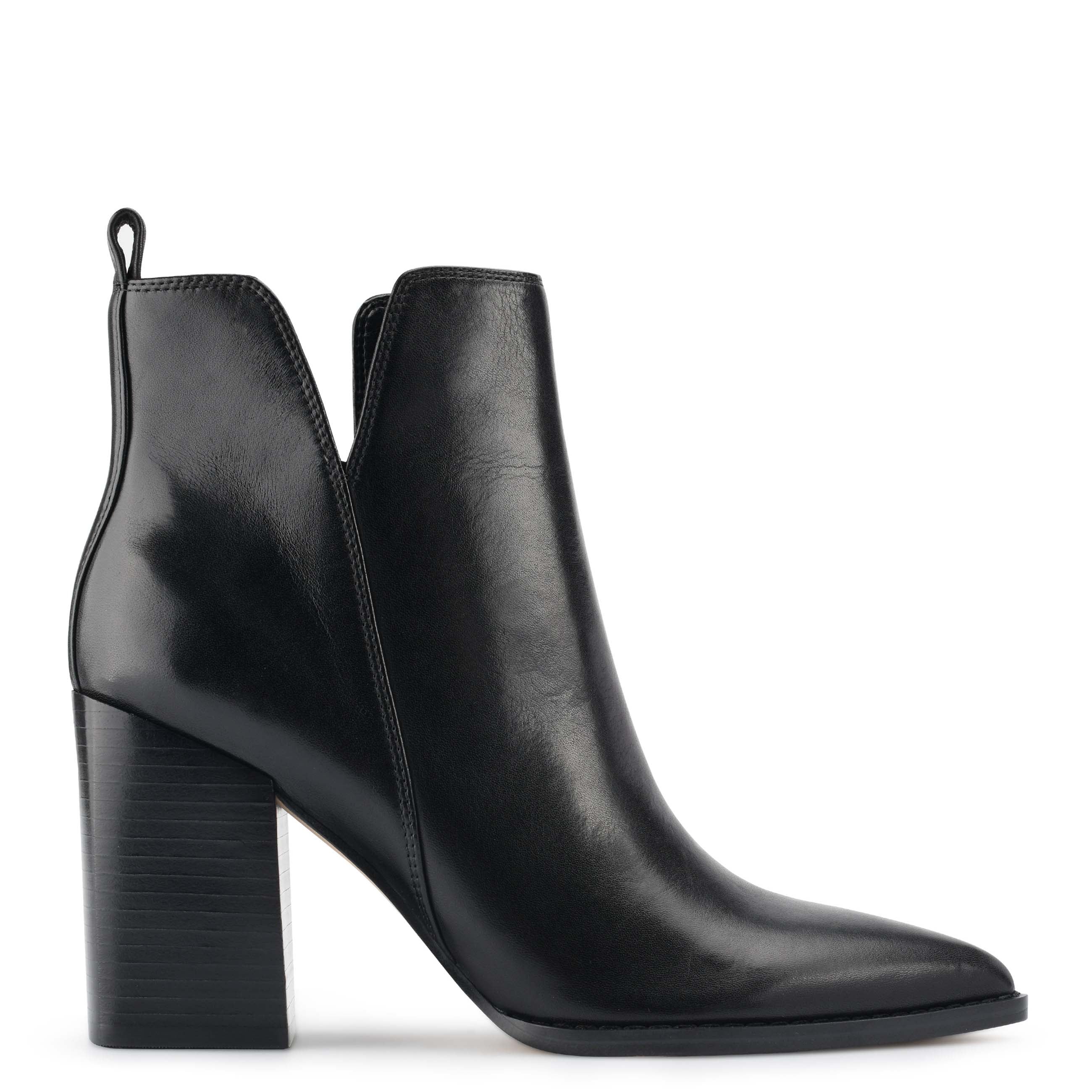
The elevation provided by booties heels is not solely a matter of physical height; it is equally about the sophistication conveyed through material choice. The tactile quality of a shoe contributes profoundly to the overall message of an outfit, a concept supported by research in sensory marketing and material culture. Leather, for instance, is not just durable; its surface sheen and evolving patina communicate a sense of established quality and resilience. Suede offers a soft, matte texture that absorbs light, lending a touch of understated luxury and tactile warmth to an ensemble. Vegan leathers and technical fabrics bring a contemporary, forward-thinking edge. The color science behind neutral-toned booties heels—black, taupe, cognac, navy—is their ultimate strategic advantage. These colors act as visual anchors. They create harmony by not competing with other elements in your outfit, instead providing a stable, elongating base. A statement from the Pantone Color Institute, a global authority on color, reinforces this: “Neutrals provide a foundational palette that allows for both cohesion and strategic accenting within personal style.” A black bootie heel, therefore, is more than a shoe; it is a wearable blank canvas that allows the rest of your clothing—a colorful skirt, a textured sweater, a patterned coat—to take center stage, while it silently ensures the entire composition remains polished and proportional.
The Cultural Footprint: From Subculture to Mainstream Must-Have
To view booties heels solely through a functional lens is to miss a significant part of their story: their cultural resonance. Their journey to wardrobe staple is paved with appearances in defining cultural moments. They have been emblematic of certain aesthetics, from the gritty rock-and-roll styles of the 1970s and 1990s, where they symbolized a rebellious, androgynous edge, to their adoption by high-fashion runways in the 2000s, which reinterpreted them as symbols of sharp, metropolitan chic. Films and television have cemented their iconic status. Think of the powerful, fashion-forward characters in shows like Sex and the City or movies like The Devil Wears Prada, where a sleek bootie often denoted a character’s confidence and modernity. Literature, too, uses clothing as descriptor, and the specific choice of a “heeled ankle boot” in contemporary fiction often signals a character who is grounded yet ambitious, practical yet stylish. This cultural embedding, documented across media and fashion criticism, means that when you choose a pair of booties heels, you are tapping into a rich history of symbolism. You are choosing an item that carries connotations of strength, transition, and contemporary relevance, allowing you to align your personal presentation with these broader narratives.
Strategic Integration: Building Your Style Foundation
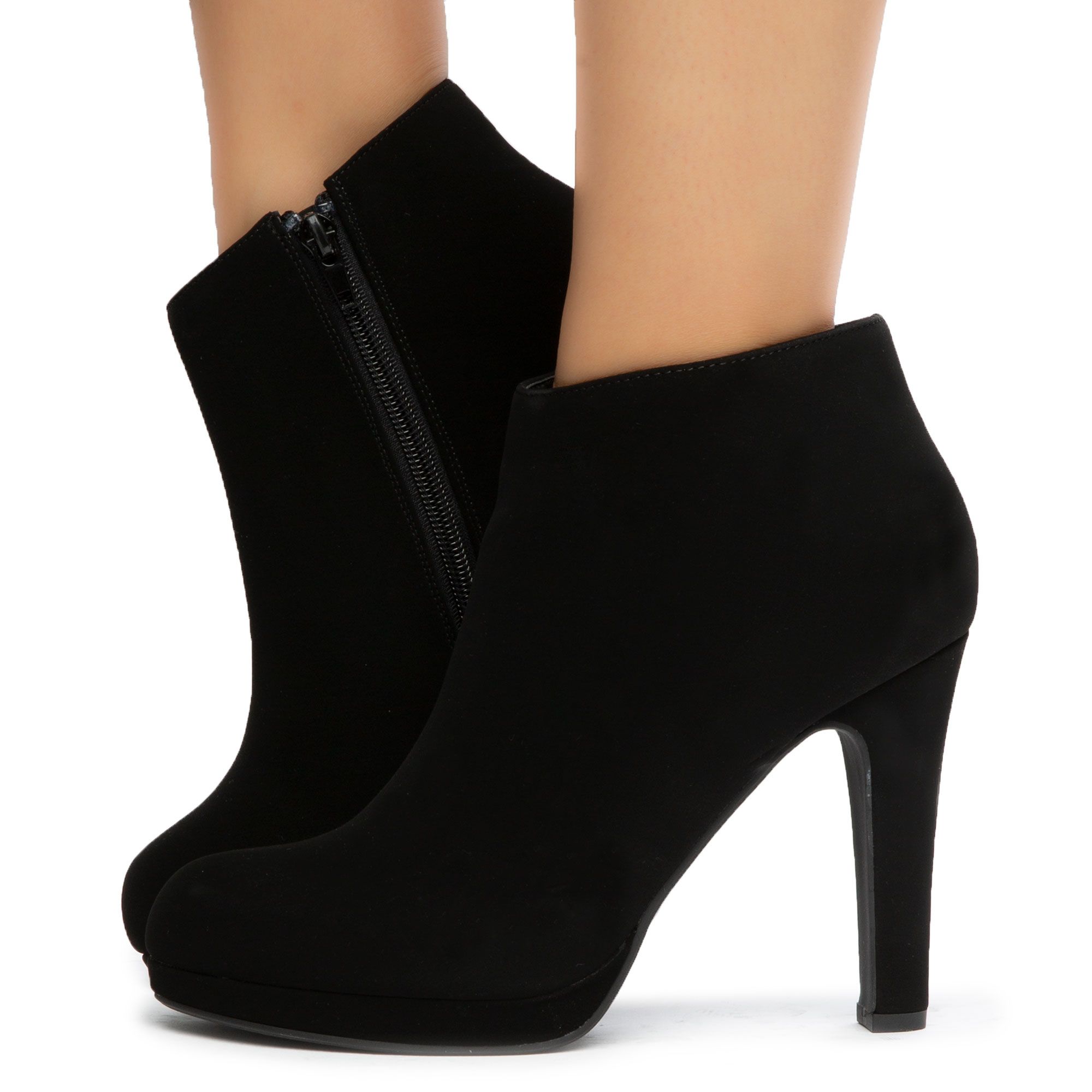
Understanding the “why” behind booties heels leads directly to the “how” of integration. This is where professional styling knowledge becomes your practical guide. The first rule is silhouette synchronization. For skinny jeans or leggings, a bootie that fits snugly at the ankle continues the narrow line, maximizing leg length. With cropped or wide-leg trousers, ensure a sliver of skin or the line of your sock is visible between hem and bootie top to maintain definition. The second rule is occasion alchemy. For the office, opt for refined materials like smooth leather in a moderate block heel or elegant stiletto. For weekend wear, explore textures like suede or distressed leather with a chunkier sole. The third rule is color strategy. Begin with a universal dark neutral (black or dark brown) as your workhorse. Then, add a taupe or nude-toned pair; as numerous style guides from publications like Who What Wear point out, a nude heel that blends with your skin tone creates the most seamless leg-lengthening effect. Finally, consider a wildcard—a bold color or animal print—to serve as the focal point of minimalist outfits. This systematic approach transforms the bootie from a random purchase into a deliberate, foundational component of a cohesive wardrobe.

Investment with Intelligence: Quality, Comfort, and Value
The final, critical pillar in elevating your outfit with booties heels is the intelligence behind the acquisition. True style elevation marries aesthetics with enduring value and comfort. From a materials science perspective, full-grain leathers and quality suedes will mold to your foot over time, breathe better, and last significantly longer than their synthetic counterparts. Examine construction: a well-lasted shoe, where the upper is securely stitched to the sole, promises longevity. Comfort is non-negotiable; it is the factor that determines whether you will actually wear the shoe. Features like padded insoles, arch support, and a heel width proportional to the height are not luxuries but necessities for daily wear. This is where knowledge meets opportunity. Investing in quality does not preclude finding exceptional value. Savvy shoppers leverage end-of-season sales, retailer discount events, and reputable outlet channels to acquire premium booties heels at accessible price points. The goal is to shift from a mindset of frequent, disposable purchases to one of strategic acquisition. Building a curated collection of two or three exceptional pairs that cover your core style needs represents a smarter, more sustainable, and ultimately more stylish approach than a closet full of transient trends that fail in both comfort and construction.
The transformative potential of booties heels is a confluence of objective design principles, cultural weight, and strategic styling. They are a tool that re-sculpts the silhouette, a versatile workhorse that adapts to myriad contexts, and a cultural artifact rich with meaning. By choosing them with an understanding of their anatomical impact, their material language, and their place in your personal style ecosystem, you move beyond simply wearing shoes. You engage in an act of intentional self-presentation. You select a foundation that inherently elevates, structures, and defines everything built upon it. The right pair does not just complete an outfit; it empowers it, offering a blend of elevated perspective and grounded confidence with every step you take.
