

The Walking Shoe: Your Ultimate Guide to Comfort and Style
Let’s be honest: most of us spend more time on our feet than we care to admit. Whether navigating the urban jungle, exploring a new city on vacation, or simply managing the daily treadmill of errands, our feet bear the brunt of our lives. The quest for the perfect footwear often leads to a compromise—style sacrificed for comfort, or vice versa. But what if that compromise is unnecessary? The modern walking shoe represents a paradigm shift, a fusion of biomechanical engineering and aesthetic design that promises—and delivers—on both fronts. This isn’t about clunky orthopedic relics or fleeting fashion trends that leave you wincing by noon. It’s about a foundational piece of gear that supports your body’s architecture, enhances your movement, and does so with a look you’re proud to wear. We’re moving beyond mere footwear; we’re embracing a tool for better living.
The Anatomy of Comfort: Deconstructing the Modern Walking Shoe
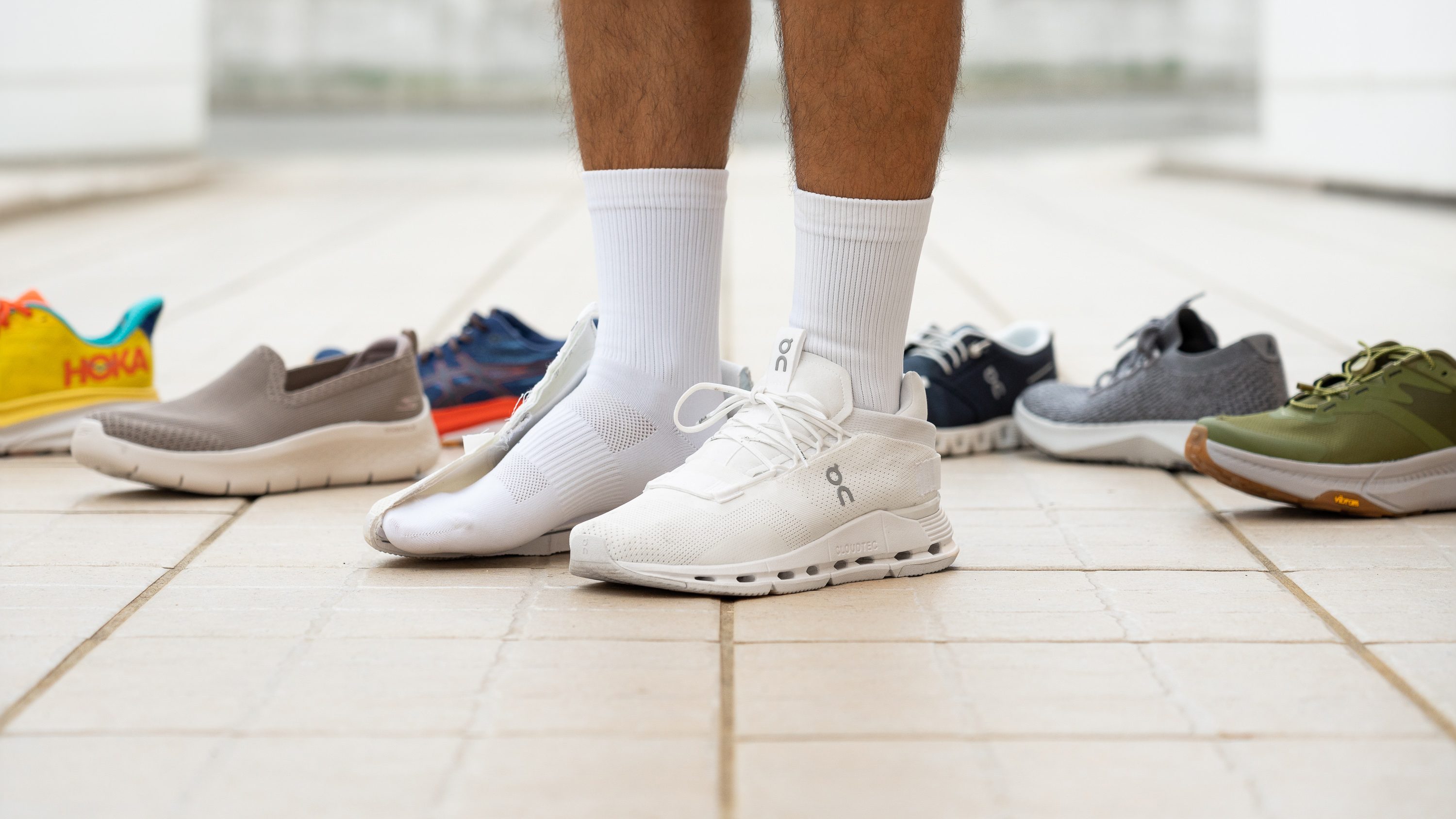
To understand why a dedicated walking shoe is non-negotiable, we must dissect its components. Unlike running shoes built for forward propulsion and impact absorption from a heel-strike, or fashion sneakers prioritizing silhouette over structure, the walking shoe is engineered for the unique gait cycle of walking. This involves a longer contact time with the ground, a rolling motion from heel to toe, and stability through a more upright posture. The cornerstone is the midsole, typically crafted from advanced materials like EVA (ethylene-vinyl acetate) foam, polyurethane, or proprietary compounds like Brooks’ DNA LOFT or ASICS’ GEL technology. These materials provide cushioning that attenuates the repetitive, lower-impact but constant stress of walking. Dr. Casey Kerrigan, a former Harvard Medical School professor and founder of a biomechanics-focused footwear company, has published research indicating that many modern athletic shoes, with their excessive cushioning, can actually increase joint torques at the knee and hip. The ideal walking shoe offers responsive cushioning—it compresses to absorb shock but also springs back to aid your foot’s natural roll-off, promoting efficiency rather than creating a destabilizing, overly soft platform.
Heel Counter, Toe Box, and Flexibility: The Trifecta of Fit
Moving beyond the midsole, three elements are critical: the heel counter, the toe box, and the shoe’s flex pattern. A firm, well-structured heel counter cups the back of your foot, preventing excessive heel movement that can lead to blisters and instability—a principle supported by podiatric literature. The toe box must be wide and tall enough to allow your toes to splay naturally upon foot strike. As noted by resources like the American Podiatric Medical Association, constrictive toe boxes can contribute to conditions like bunions, hammertoes, and neuromas. Finally, the shoe must bend at the ball of the foot, where your foot naturally flexes during the push-off phase. A shoe that’s too stiff forces your foot and leg muscles to work harder, while one that bends in the wrong place (like the arch) fails to provide necessary support. This scientific approach to design transforms the shoe from a passive covering into an active partner in biomechanics.
Style is Not a Side Note: The Aesthetic Evolution
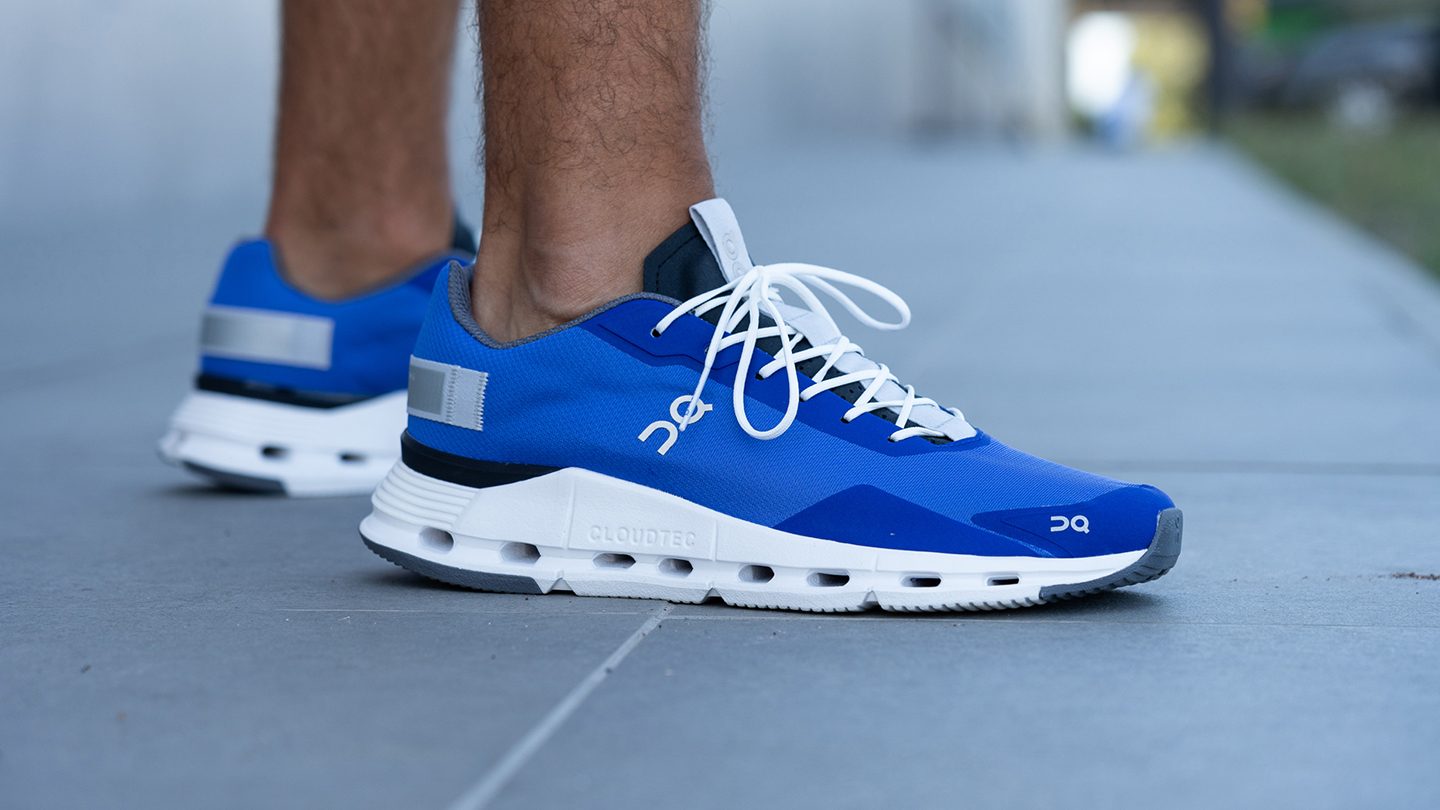
For decades, “comfort shoes” were synonymous with visual apology—beige, bulky, and blatantly medical. Today, the landscape is thrillingly different. Designers and engineers collaborate from the outset, understanding that aesthetic appeal is a core component of well-being. The rise of “athleisure” and the normalization of technical wear in everyday settings have blurred the lines. Brands like Allbirds, with their focus on sustainable materials and minimalist silhouettes, or HOKA, with their maximalist cushioning in bold colors, have achieved cult status not in spite of their looks, but because of them. This shift is cultural. As fashion critic and author Vanessa Friedman has observed in The New York Times, the integration of performance wear into daily fashion reflects a broader societal prioritization of health and mobility. The modern walking shoe comes in sleek low-tops, elegant monochromes, and textured fabrics that complement chinos, jeans, or even casual dresses. The message is clear: you do not need to choose between feeling good and looking good. The market now demands—and supplies—shoes that perform with the precision of sports equipment and possess the curb appeal of a designer accessory.
Material Innovation: Where Sustainability Meets Sensation
The style revolution is inextricably linked to material innovation. The traditional leather upper is now joined by engineered knits, recycled polyester meshes, and plant-based materials like Bloom algae foam or pineapple leaf leather (Piñatex). These materials are not just ethical choices; they offer functional benefits. Engineered knits, for example, can provide targeted zones of breathability, stretch, and support, conforming to the foot like a sock while offering more structure. This aligns with the growing consumer demand for transparency and sustainability, a trend extensively documented by platforms like the Business of Fashion. When you select a walking shoe made with recycled ocean plastic or renewable resources, you’re investing in a product that cares for your foot and the planet. This holistic approach to design—where biomechanics, aesthetics, and ethics converge—defines the cutting edge of the category.
:max_bytes(150000):strip_icc()/when-should-i-replace-my-walking-shoes-3436325-0801-7a1840d83573471092e0380f9e230ecc.jpg)
Your Personal Fit Protocol: Beyond the Size Number
Finding your perfect pair is a ritual, not a chore. It begins with timing. Your feet swell throughout the day, so shop in the afternoon or evening. Always wear the socks you intend to pair with the shoes. When you try them on, stand up. There should be about a thumb’s width (roughly 3/8 to 1/2 inch) of space between your longest toe and the end of the shoe. The width should feel secure without pinching, particularly across the metatarsal (ball of the foot). Don’t just stand—walk. Find an incline if possible. Listen for and feel any slipping in the heel or rubbing on the sides. Remember, a “break-in period” is a myth for properly engineered walking shoes; comfort should be immediate. As noted by countless expert shoe fitters, pain is not a prerequisite for good fit. Furthermore, consider your individual gait. While over-the-counter insoles can help, for persistent pain or unusual wear patterns, a consultation with a podiatrist or a gait analysis at a specialty running store (which also caters to walkers) can provide invaluable data to guide your choice toward shoes with the right type of arch support, motion control, or neutral cushioning.
The Replacement Imperative: Listening to Your Shoes
A critical, often overlooked aspect is knowing when to retire your shoes. The cushioning and support materials degrade not just with distance, but with time and the compression of standing. The general guideline is 300-500 miles of use. For a daily walker covering 3-5 miles, this translates to roughly every 6-9 months. However, visual cues are telling. Examine the outsole for severe, uneven wear patterns. Compress the midsole with your thumb; if it feels hard and unresponsive compared to a new pair, its shock-absorbing life is depleted. Wearing worn-out shoes is akin to driving a car with bald tires and failed suspension—it’s only a matter of time before something breaks down. Investing in a new pair is not an expense; it’s a pre-emptive investment in your joint health, posture, and continued comfort.
The Uncompromised Stride: Where We Stand
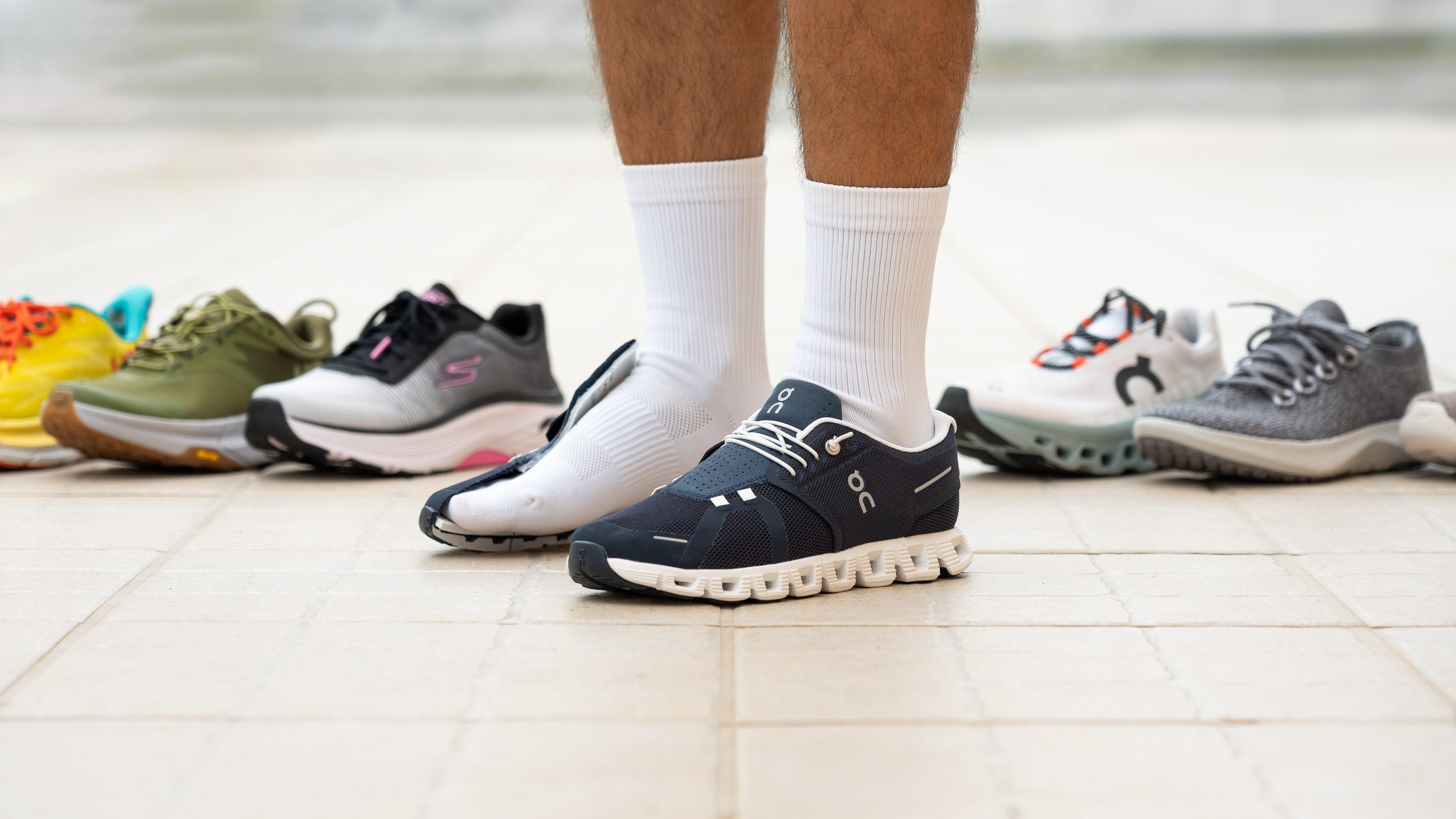
The journey for the perfect walking shoe ends not with a single brand or model, but with a new standard of expectation. It is the rejection of the false choice between comfort and style. It is an embrace of footwear designed with intentionality, rooted in biomechanical science, expressed through contemporary design, and accessible through informed selection. This shoe is a daily ally. It’s the confidence of a pain-free stride after a long day, the assurance of stable footing on varied terrain, and the subtle satisfaction of an outfit pulled together from head to toe—literally. In a world that constantly demands we keep moving, the right shoe ensures we can do so with resilience, grace, and perhaps even a touch of joy. Your ultimate guide leads to one inevitable action: treating your feet not as an afterthought, but as the foundation of everything you do. Step into that reality.
