

The Walking Shoe: Your Secret to Effortless Style and All-Day Comfort
Forget the notion that comfort and style are mutually exclusive. The modern walking shoe has evolved from a purely functional piece of athletic gear into a cornerstone of a versatile, confident, and pain-free lifestyle. It is no longer just about getting from point A to point B; it’s about doing so with an unshakeable foundation of support, a spring in your step, and an aesthetic that complements, rather than compromises, your personal expression. This article isn’t about a fleeting trend; it’s about a fundamental shift in how we approach daily wear, grounded in biomechanics, material science, and design philosophy. The right pair of walking shoes is the unsung hero of your wardrobe, the silent partner that empowers your day, whether you’re navigating city streets, exploring a new town, or simply standing comfortably for hours on end.
The Anatomy of All-Day Comfort: Beyond Simple Cushioning
Comfort in a walking shoe is a complex symphony, not a single note. It begins with biomechanical alignment. As noted by researchers at the University of Virginia’s Motion Analysis and Motor Performance Laboratory, the human gait is a repetitive, load-bearing motion that places specific stresses on joints, tendons, and ligaments. A shoe that merely has a soft insole fails to address the root causes of fatigue. True comfort arises from a combination of midsole technology, arch support, and heel counter stability. The midsole, often made from advanced polymers like EVA (ethylene-vinyl acetate) or polyurethane, is engineered not just for cushioning but for energy return and shock dispersion. Think of it as a suspension system for your body. Arch support, whether built-in or supplemented with orthotics, maintains the foot’s natural plantar fascia tension, preventing the collapse that leads to conditions like plantar fasciitis—a common ailment cited in podiatric literature from institutions like the Mayo Clinic. A firm heel counter, the rigid cup at the back of the shoe, locks the heel in place, preventing excessive pronation (inward roll) or supination (outward roll), which are primary contributors to ankle, knee, and even hip pain over miles of walking.
Material Science: Where Breathability Meets Durability
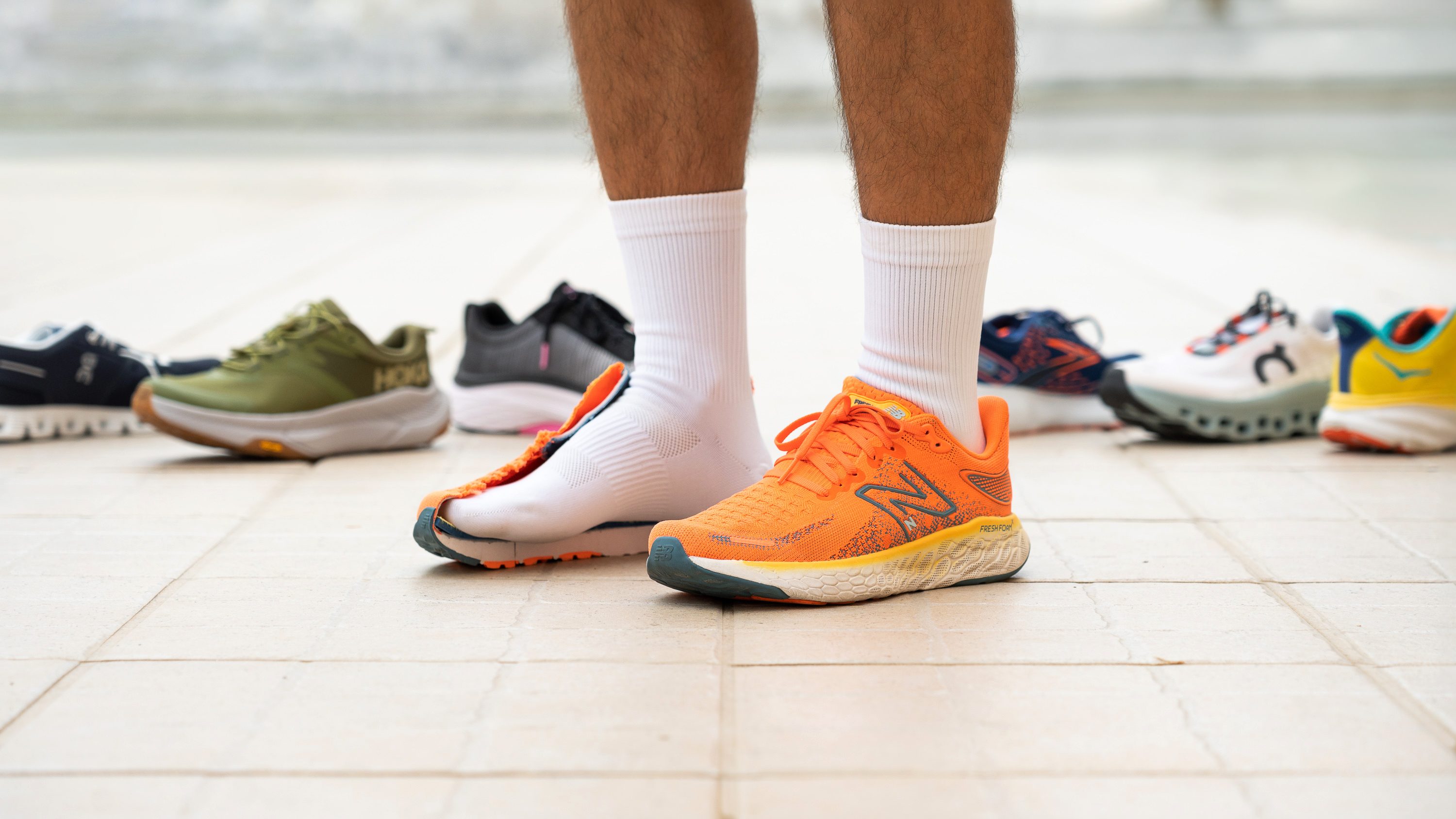
The upper of a shoe is its interface with the world, and here, material innovation has been revolutionary. Gone are the days of stiff, non-breathable leathers as the only option. Modern walking shoes utilize engineered meshes, often with strategic synthetic overlays. These meshes, as explained in material science resources, are designed for multidirectional stretch and maximum airflow, keeping feet cool and reducing moisture buildup that can lead to blisters and discomfort. Brands often incorporate recycled plastics into these fabrics, adding an element of sustainability. Durability is addressed through targeted reinforcement in high-wear areas like the toe box and the medial (inner) side of the shoe, where the foot naturally pushes off. This marriage of lightweight breathability and strategic toughness ensures the shoe adapts to your foot’s movement without breaking down prematurely, a key consideration for anyone who views their shoes as a long-term investment in their well-being.
Effortless Style: The Silent Language of Functional Fashion
Style in the context of the walking shoe has been liberated from the constraints of traditional formalwear. The rise of “athleisure” and techwear aesthetics, chronicled by fashion analysts from Vogue to Highsnobiety, has legitimized performance footwear as a style statement. The modern walking shoe succeeds by embracing a design language of minimalism, cohesive color palettes, and clean lines. A monochromatic sneaker in grey, black, or white, with a streamlined silhouette, can seamlessly transition from a morning walk to a casual business meeting or a weekend brunch. This versatility is its greatest stylistic asset. As designer and thought leader Yohji Yamamoto once implied, true style is about ease and authenticity, not constraint. A shoe that looks intentionally chosen and feels incredible speaks volumes more than one that is painfully fashionable. The walking shoe becomes a tool for confident self-presentation, allowing you to engage with your day fully, without the distracting nag of sore feet.
The Hoka Phenomenon: A Case Study in Maximalist Design
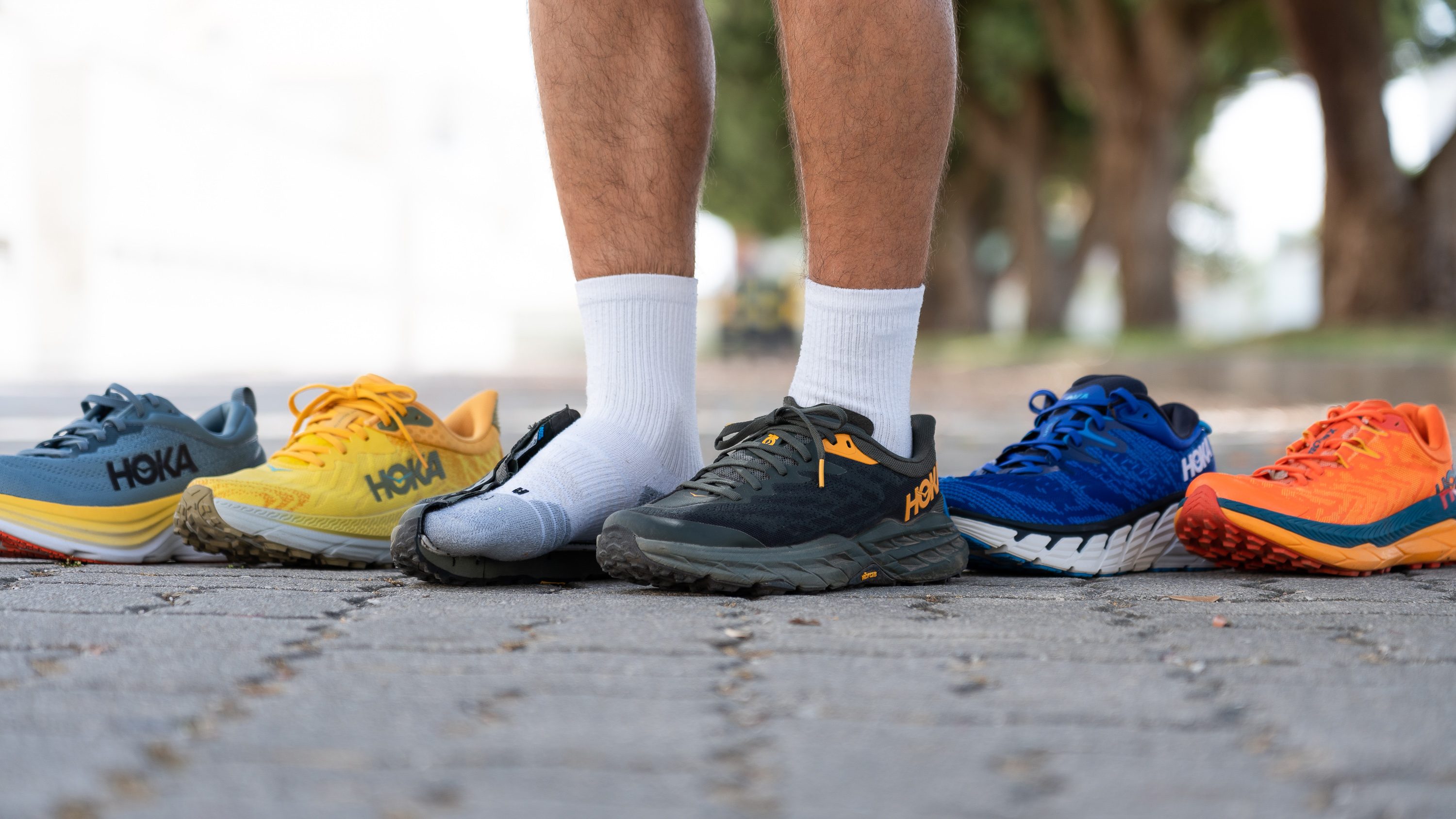
No discussion of modern walking shoes is complete without addressing the impact of brands like Hoka One One. Initially embraced by ultrarunners for their oversized, rocker-shaped midsoles, Hoka’s design philosophy has permeated the mainstream walking market. This “maximalist” approach, as contrasted with the “minimalist” barefoot shoe trend, provides an extreme level of cushioning and a distinct meta-rocker geometry that promotes a smooth heel-to-toe transition. Podiatrists and physical therapists on platforms like YouTube often discuss how this rocker design can offload pressure from the Achilles tendon and forefoot, making it a popular recommendation for those with certain foot conditions. The scientific premise, supported by gait analysis studies, is that it reduces the work required from the calf muscles and encourages a more efficient stride. While visually distinctive, the chunky sole has become an accepted, even coveted, style element, proving that when a design solves a fundamental problem exceptionally well, its form becomes iconic.
Making the Informed Choice: A Buyer’s Framework
Selecting your ideal pair is a personal journey, but it should be an informed one. Start by analyzing your foot type and gait. The simple “wet test”—observing the shape of your wet footprint on a dry surface—can indicate if you have high, neutral, or low arches. This will guide you toward shoes with appropriate support levels. Next, consider the primary use-case. Are you logging miles on paved paths, or will these be your all-day urban exploration companions? The former may prioritize responsive cushioning, while the latter demands a balance of cushioning and flexibility. Weight is a critical factor often overlooked. As highlighted in running and walking communities on Quora and specialized forums, a lighter shoe reduces the “energy cost” of lifting your foot thousands of times per day, directly combating fatigue. Finally, fit is non-negotiable. Your feet swell throughout the day, so shop in the afternoon. There should be a thumb’s width of space between your longest toe and the end of the shoe, and the widest part of your foot should align comfortably with the shoe’s widest part without pinching.
Investing in Your Foundation: The Long-Term Value Proposition
Viewing a quality walking shoe as an expense is a misperception; it is an investment in your physical capital. Consider the cumulative impact. Wearing poorly supportive shoes daily is akin to driving a car with misaligned wheels—the damage is slow, systemic, and expensive to repair later. The cost of physical therapy for chronic knee or back pain, or even the lost productivity from foot-related discomfort, far outweighs the price of a premium pair of shoes. Furthermore, the durability of high-quality materials means a longer lifespan, offering better cost-per-wear value. Brands often offer models from previous seasons at significant discounts, providing access to top-tier technology without the premium price tag. By bringing this professional knowledge to your purchasing decision, you empower yourself to make a choice that pays dividends in comfort, health, and style for hundreds of miles to come.
The pursuit of the perfect walking shoe is ultimately a pursuit of freedom—freedom from discomfort, from stylistic limitation, and from the low-grade anxiety of an ill-prepared day. It is the realization that the foundation of everything you do literally starts from the ground up. By choosing a shoe that harmonizes rigorous engineering with thoughtful design, you are not just accessorizing an outfit; you are equipping yourself for a life lived actively and comfortably. Let your shoes carry you forward with confidence, knowing that each step is supported, stylish, and entirely your own.
