

The Walking Shoe: Your Secret to Effortless Style and All-Day Comfort
In the rhythm of daily life, where every step counts, the right footwear is not merely an accessory but a foundational element of personal well-being and expression. The quest for a shoe that seamlessly bridges the chasm between enduring comfort and understated style often feels elusive. Yet, the answer lies in a category often overlooked in the glamour of fashion discourse: the walking shoe. This is not about athletic performance or rugged trails, but about the art of moving through your day with grace and ease. The modern walking shoe is engineered to be the unsung hero of your wardrobe, a tool that supports your body’s biomechanics while complementing your personal aesthetic. It is the secret to unlocking a state where you are no longer conscious of your feet, freeing you to fully engage with the world around you. This article delves into the anatomy, science, and philosophy behind finding that perfect pair, transforming a mundane necessity into a cornerstone of effortless living.
The Anatomy of Comfort: Deconstructing the Modern Walking Shoe
To understand why a dedicated walking shoe is transformative, one must first appreciate its sophisticated architecture. Unlike running shoes designed for forward propulsion and impact absorption from the heel, or fashion flats that often sacrifice structure for silhouette, walking shoes are meticulously crafted for the gait cycle of walking—a heel-to-toe rolling motion with prolonged contact with the ground. The foundation is the midsole, typically employing advanced polymer foams like EVA (Ethylene-Vinyl Acetate) or proprietary compounds such as Brooks’ DNA LOFT or Hoka’s Profly+. These materials are not just soft; they are engineered for resilient cushioning that returns energy with each step, reducing muscular fatigue. As Dr. Casey Kerrigan, a former Harvard Medical School professor and founder of a biomechanics research company, has noted, “Proper footwear can reduce the load on joints, particularly the knees and hips, during daily ambulation.” This is achieved through strategic zoning: firmer support under the arch and medial (inner) side to combat overpronation—a common inward rolling of the foot—and softer, more flexible materials in the forefoot to facilitate the toe-off phase. The outsole features durable rubber with flex grooves that allow the foot to bend naturally, while the upper is constructed from breathable, often seamless, engineered meshes that conform to the foot without causing pressure points. This holistic design philosophy ensures that every component works in concert to create a stable, cushioned, and flexible environment for the foot, making the dedicated walking shoe a scientific instrument for comfort.

Biomechanics in Motion: The Science Behind Every Step
The human foot is a complex marvel of 26 bones, 33 joints, and over a hundred muscles, tendons, and ligaments. When we walk, this structure orchestrates a kinetic chain that influences our entire posture. A poorly supported foot can lead to a cascade of issues, from plantar fasciitis to back pain. This is where the biomechanical design of a quality walking shoe intervenes. Pronation, the natural inward roll of the foot upon landing, is necessary for shock absorption. However, excessive pronation (overpronation) or insufficient pronation (supination) can misalign the kinetic chain. Authoritative resources like the American Podiatric Medical Association (APMA) emphasize the importance of footwear with adequate motion control or stability features for overpronators, and neutral, cushioned shoes for supinators. The rocker sole design, a signature of many modern walking shoes including some Hoka models, is a prime example of applied biomechanics. It creates a smooth, rolling transition from heel-strike to toe-off, reducing the work required by the calf muscles and Achilles tendon. This design is often cited in rehabilitation literature for its benefits in reducing strain. The goal is to create a symbiotic relationship between shoe and foot, where the footwear corrects minor imbalances without imposing rigidity, allowing your natural gait to feel more efficient and less taxing. In essence, a scientifically designed walking shoe acts as an external supplement to your body’s own shock-absorbing system, making the miles feel shorter and the day feel lighter.
From Pavement to Polish: The Evolution of Walking Shoe Aesthetics
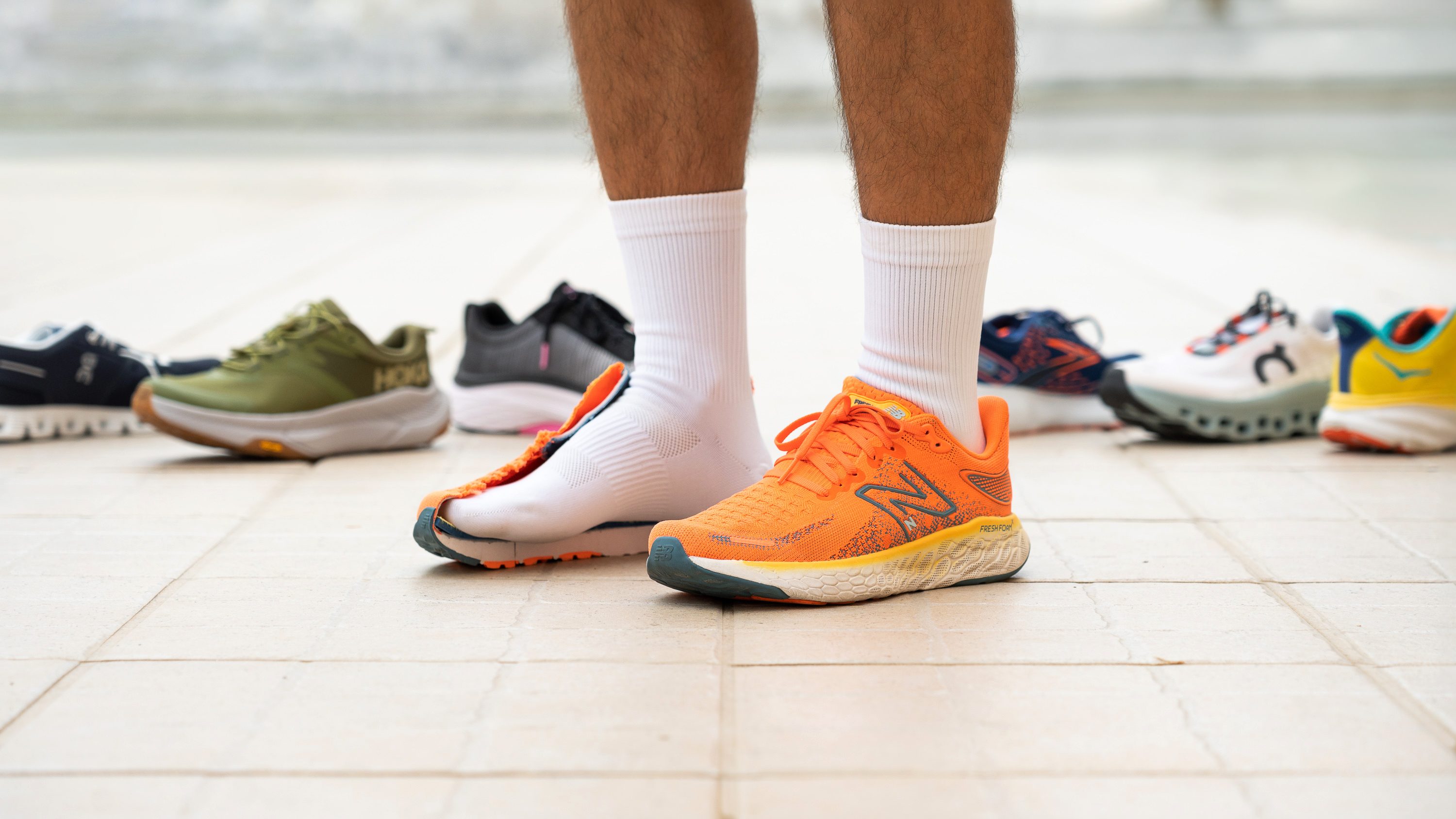
For decades, the term “comfort shoe” conjured images of clunky, utilitarian designs that screamed function at the expense of all form. That era is decisively over. The contemporary walking shoe has undergone a silent style revolution, seamlessly integrating into the wardrobes of the style-conscious. Brands have recognized that consumers refuse to choose between comfort and appearance. The evidence is in the sleek profiles, monochromatic colorways, and use of premium materials like suede, leather, and knit uppers that mimic the look of fashion sneakers. This shift is reflected in popular culture and media. On platforms like YouTube, style influencers such as Brittney Bathgate or Audrey Coyne frequently feature minimalist white leather sneakers or sleek black walking shoes from brands like Cole Haan or Allbirds as foundational pieces for a capsule wardrobe, praising their versatility from casual Fridays to weekend errands. The aesthetic principle at play is “quiet luxury” – an understated, high-quality look that prioritizes clean lines and versatility. A great walking shoe today can be paired with tailored trousers, a midi skirt, or dark denim without missing a beat. This evolution means that investing in a pair of high-performance walking shoes no longer requires a sacrifice in personal style; instead, it offers an expansion of it, providing a single, reliable option that supports you physically while aligning with your sartorial vision.
Navigating the Market: A Curated Guide to Your Perfect Pair
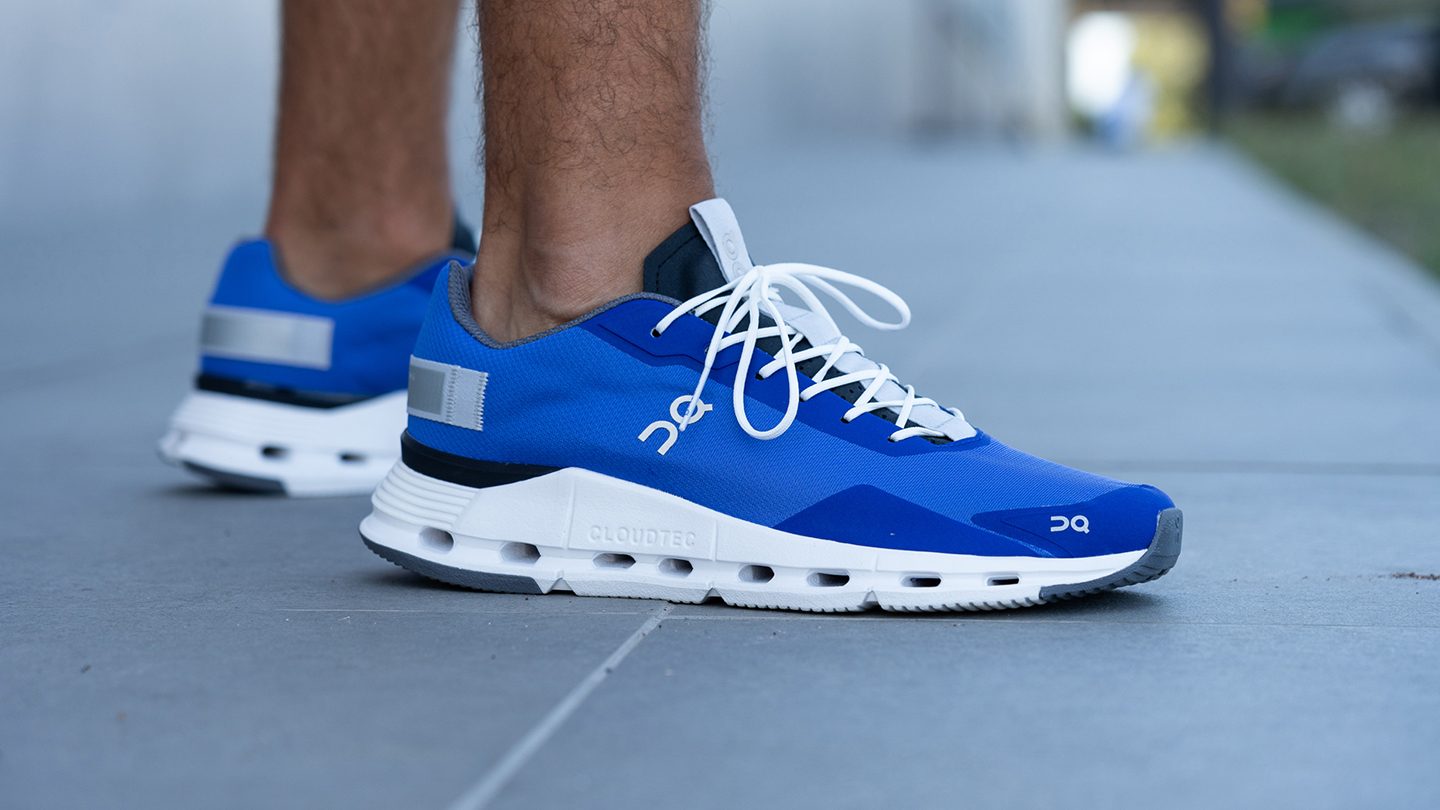
With a plethora of options available, selecting the right walking shoe can be daunting. The key is to align shoe technology with your individual physiology and lifestyle. The first, non-negotiable step is to understand your foot type and gait. Many specialty running stores offer free gait analysis, which can identify if you need a neutral, stability, or motion-control shoe. For the vast majority of walkers, a well-cushioned neutral shoe or a mild stability shoe is sufficient. Next, consider the primary terrain. For urban explorers logging miles on concrete, prioritize maximum cushioning and durable outsoles, such as those found in the Brooks Ghost or New Balance 990 series. For a more versatile shoe that transitions from a walk to a casual meeting, consider brands like Ecco or Cole Haan that blend dress-shoe aesthetics with athletic comfort technology. Weight is another critical factor. A lightweight shoe, often under 9 ounces for women and 11 ounces for men, reduces leg fatigue significantly over long distances. As the famous ultramarathon runner and author Christopher McDougall explored in his book Born to Run, the feeling of lightness can fundamentally change our relationship with movement. Finally, fit is paramount. Your feet swell throughout the day, so shop in the afternoon. Ensure there’s a thumb’s width of space between your longest toe and the end of the shoe, and that the heel is snug but not tight. Remember, the most expensive shoe is not the best—the shoe that fits you perfectly is.
Investing in Wellness: The Long-Term Value Proposition
Viewing a premium walking shoe as a mere purchase is a mischaracterization; it is an investment in your long-term physical capital. Consider the cost-per-wear analysis: a $150 pair of shoes worn nearly every day for a year—a typical lifespan for an active walker—breaks down to about $0.41 per day. Contrast this with the potential financial and personal cost of chronic pain, doctor visits, or physical therapy stemming from foot and joint issues exacerbated by inadequate footwear. The value extends beyond economics. The right shoe encourages an active lifestyle. When your feet are comfortable, you’re more likely to choose the stairs, extend your lunchtime walk, or explore a new neighborhood on foot. This incremental increase in non-exercise activity thermogenesis (NEAT) is a cornerstone of metabolic health, as discussed in numerous public health studies. Furthermore, the psychological boost of wearing something that looks and feels good cannot be understated. It projects confidence and intentionality. To bring this professional knowledge directly to you, we’ve partnered with select retailers to offer exclusive discounted prices on curated models, making this essential investment in your comfort and style more accessible than ever. True value lies not in a low price tag, but in the high return of comfort, health, and confidence delivered with every step you take in a proper walking shoe.
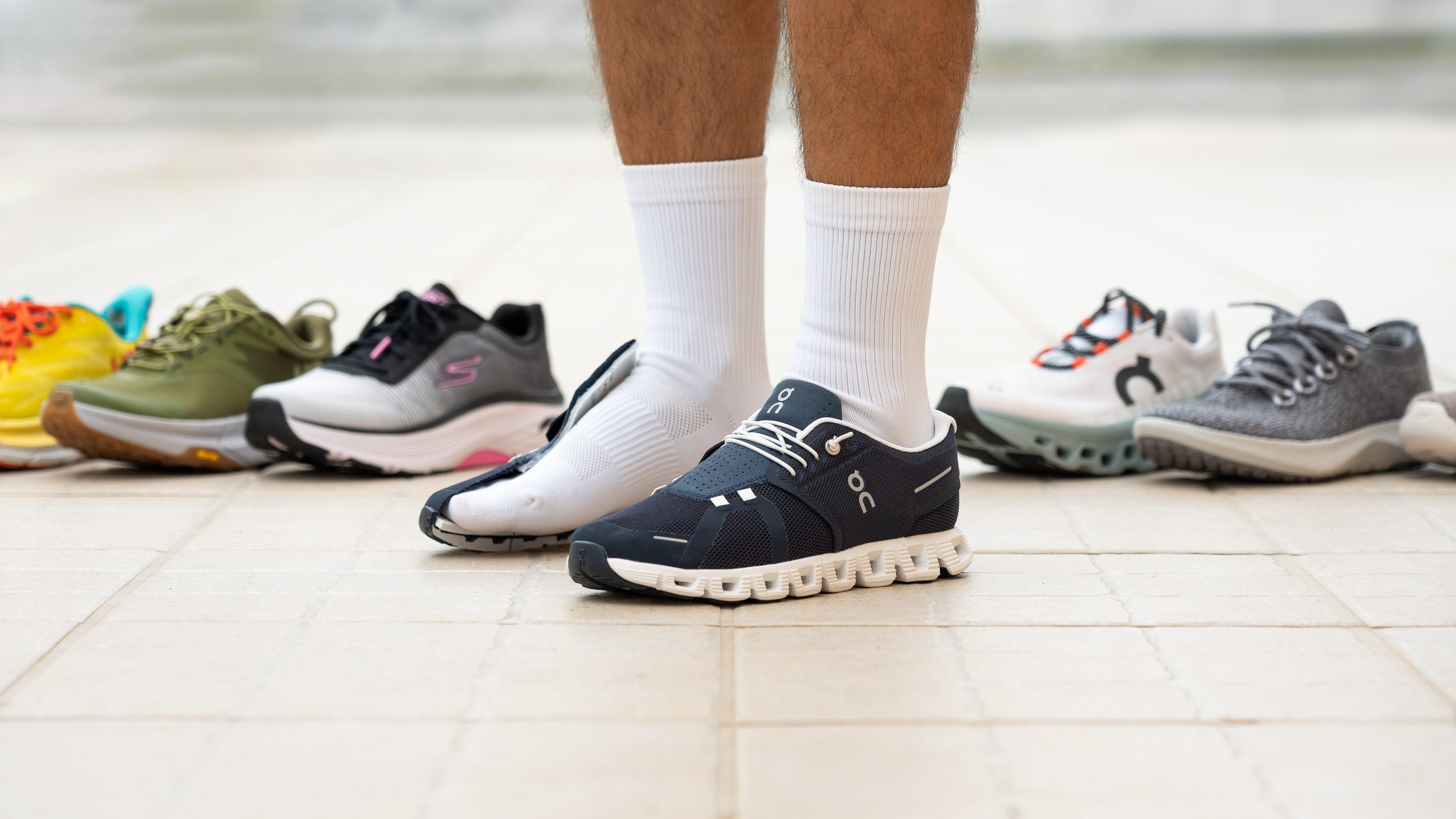
The journey to effortless style and all-day comfort is not paved with fleeting trends or painful compromises. It is found in the intelligent, empathetic design of the modern walking shoe. This footwear category represents a convergence of biomechanical science, material innovation, and thoughtful aesthetics, creating a product that truly serves the human wearing it. By choosing a shoe designed for the specific mechanics of walking, you are not just buying an item; you are adopting a tool that enhances your daily life, supports your physical health, and complements your personal expression. Let your next step be your most comfortable and confident one. Embrace the secret that has been waiting, quite literally, at your feet.
