

The Ultimate Guide to Tennis Shoes for Everyday Walking
You might be wondering why anyone would choose tennis shoes for walking over dedicated walking shoes or running sneakers. The answer lies in a unique blend of support, durability, and style that makes them a surprisingly versatile choice for daily ambulation. This guide isn’t about repurposing old sports gear; it’s about understanding how the engineered features of a modern tennis shoe can directly benefit the everyday walker. We’ll move beyond marketing claims and delve into the biomechanics, material science, and design principles that make a great walking companion, arming you with the knowledge to make an informed choice that supports your stride, mile after comfortable mile.
The Unlikely Synergy: Tennis Biomechanics Meets Daily Walking
At first glance, tennis and walking seem worlds apart. Tennis involves explosive lateral cuts, quick stops, and sprints, while walking is a repetitive, linear, low-impact motion. However, this disparity is precisely what creates the synergy. A shoe built for tennis is engineered for stability during multi-directional movement. This translates to exceptional lateral support for walkers, preventing the ankle roll that can happen on uneven sidewalks or curbs. The constant stop-and-start nature of tennis demands robust forefoot cushioning and durable toe guards (often reinforced with tougher materials like thermoplastic polyurethane), areas that receive significant stress during the toe-off phase of your walking gait. As Dr. Casey Kerrigan, a renowned biomechanist and former Harvard Medical School professor, has often emphasized in her research on footwear, “The goal of a good shoe is to minimize the work of your muscles and joints by managing forces effectively.” A well-designed tennis shoe does this for lateral and forward motions, making it exceptionally secure for the varied terrains of daily life. The outsole, typically made of a non-marking, herringbone or modified tread pattern, offers excellent grip on hard surfaces—perfect for pavement, mall floors, and office corridors—without the deep, aggressive lugs of a trail runner that can feel unstable on smooth ground.
Decoding the Anatomy: Key Features of an Ideal Walking Tennis Shoe
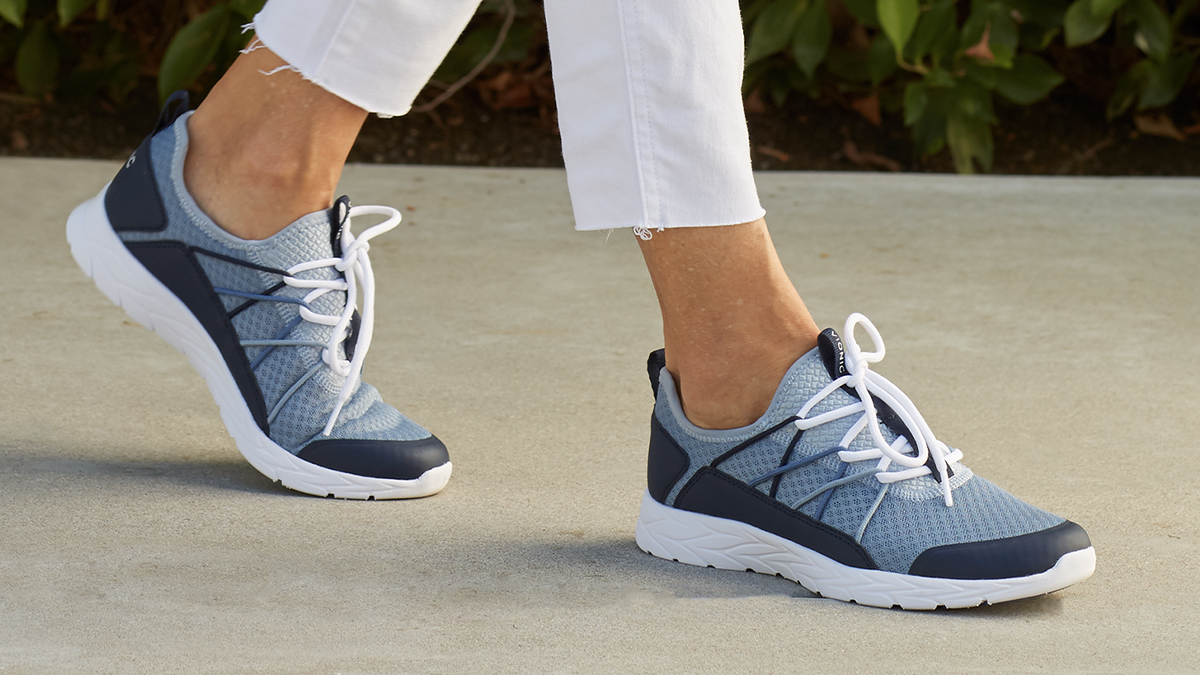
Not all tennis shoes are created equal for walking. We must dissect the anatomy to find the perfect match. The cornerstone is midfoot stability. Many performance tennis shoes feature a midfoot shank or torsion system—a rigid piece embedded between the insole and outsole. This technology, as explained in material from the University of Calgary’s Human Performance Laboratory, reduces torsional stress on the foot, preventing overpronation (excessive inward rolling) or supination (outward rolling), which are common culprits of walking fatigue and injury. Next, consider the heel counter. This is the firm cup that cradles your heel. A rigid, well-padded heel counter, a staple in quality tennis shoes, locks your heel in place, eliminating slippage and providing a stable base for each step. Cushioning is paramount. While running shoes prioritize soft, maximal cushioning for vertical impact, tennis shoes often employ a more responsive foam. Brands like ASICS use GEL technology in the heel and forefoot, which, according to their published research, dissipates impact shock during vertical movement and provides cushioning during lateral pushes. This dual benefit is ideal for walkers. Finally, the upper material should be breathable (like engineered mesh) yet supportive, offering a snug, sock-like fit without pressure points, accommodating the natural slight swelling feet experience during long walks.

The Material Science: What’s Under Your Feet Matters
The evolution of tennis shoes for walking is a story of advanced polymers and smart design. The midsole, the heart of cushioning, has moved beyond basic ethylene-vinyl acetate (EVA) to compounds like polyurethane (PU) and proprietary blends like adidas’ BOOST or Nike’s React foam. These materials are not just softer; they are engineered for energy return. A study cited in the “Journal of Sports Sciences” suggests that even modest energy return in footwear can reduce the metabolic cost of walking—meaning you expend less energy with each step. The outsole rubber is equally critical. Durable carbon rubber, often placed in high-wear areas like the heel and toe, significantly extends the shoe’s life. The tread pattern isn’t for show; it’s designed for multi-surface traction. A flat, slightly patterned sole, common in court shoes, provides a large contact area with the ground, enhancing stability—a principle known in physics as increasing the moment of inertia to resist rotation. This makes every step feel planted and secure. When you choose a tennis shoe for walking, you’re investing in a package of material technologies designed to withstand repetitive, abrasive contact with hard surfaces, a challenge for which many softer running shoes are not optimized.
Making the Right Choice: A Personal Fitting Guide
Your foot is unique, and the perfect shoe must match its architecture. Start by understanding your gait. Do you overpronate, underpronate (supinate), or have a neutral stride? While a detailed gait analysis is best done professionally, a simple wet foot test can give clues. A tennis shoe with substantial medial (inner side) support and a firm midsole is excellent for overpronators. For neutral walkers, a balanced cushioning tennis shoe offers versatility. Size is not just about length. Your walking shoe, especially a tennis shoe for walking, must have adequate width in the forefoot to allow your toes to splay naturally upon impact, a key factor for balance and propulsion often overlooked. Leave a thumb’s width of space between your longest toe and the shoe’s end. Remember, your feet swell throughout the day, so try on shoes in the afternoon. Don’t be seduced by a “broken-in” feel immediately; a proper tennis-inspired walking shoe should feel supportive and secure from the first step, with cushioning that feels responsive, not mushy. The lacing system should allow you to achieve a custom, secure fit from the toe box to the ankle.
Beyond the Hype: Value and Long-Term Investment
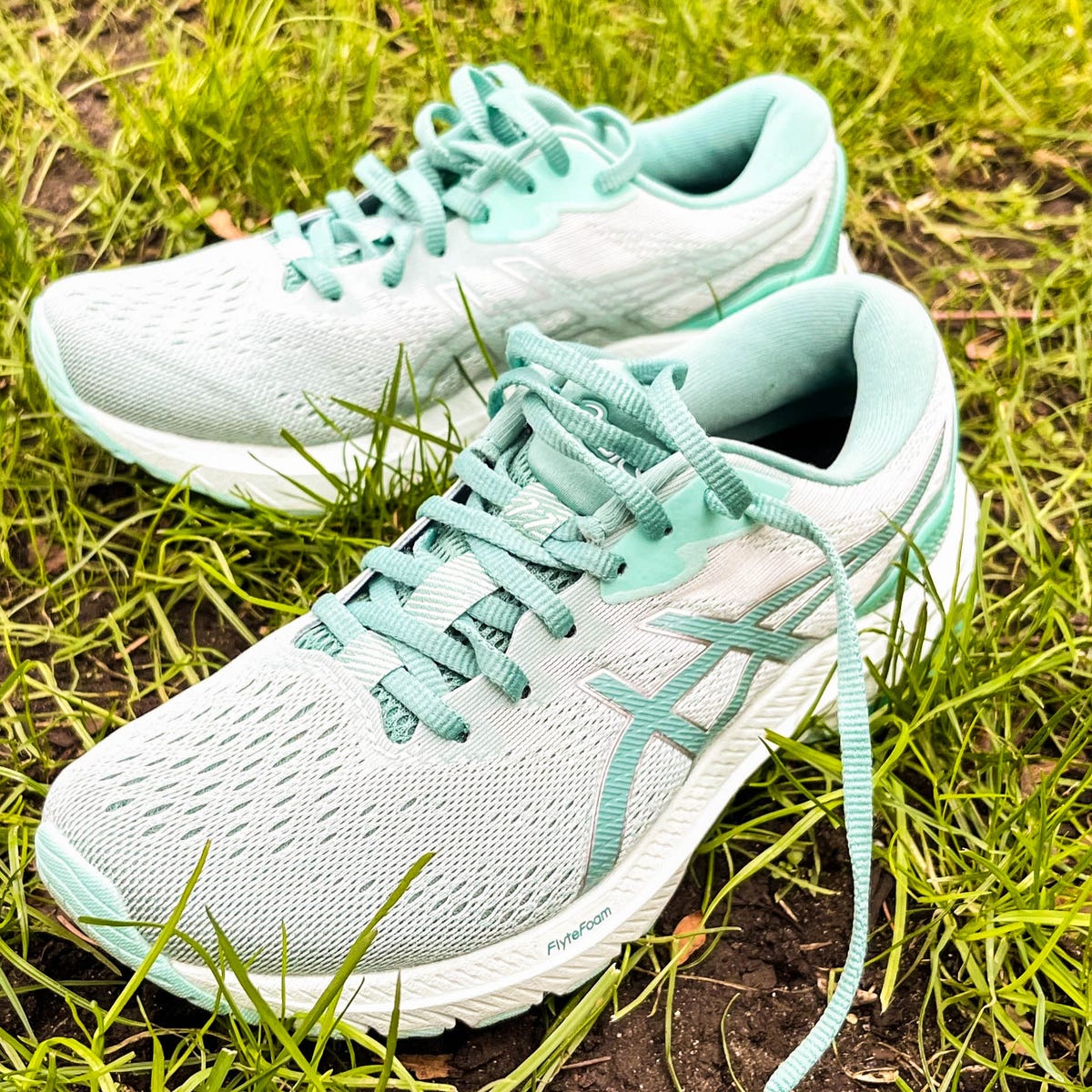
Let’s talk about value. A common misconception is that specialized gear is prohibitively expensive. The reality is that a quality pair of tennis shoes for walking, often priced between $80 and $150, represents a significant long-term investment in your foot health and comfort. Compared to flimsy fashion sneakers that degrade quickly, the durable construction of a tennis shoe means it will maintain its structural integrity for many more miles. To find the best deals, consider previous season’s models, which often see discounts of 30-50% as new colorways are released. The core technology—the cushioning system, stability features, and outsole rubber—remains largely unchanged. Major sporting goods retailers frequently have sales around holidays, and signing up for brand newsletters can yield exclusive discount codes. As noted by footwear reviewers on platforms like YouTube, the cost-per-wear of a durable, supportive shoe that prevents discomfort or injury is remarkably low. You’re not just buying a product; you’re investing in the foundation of your daily mobility.
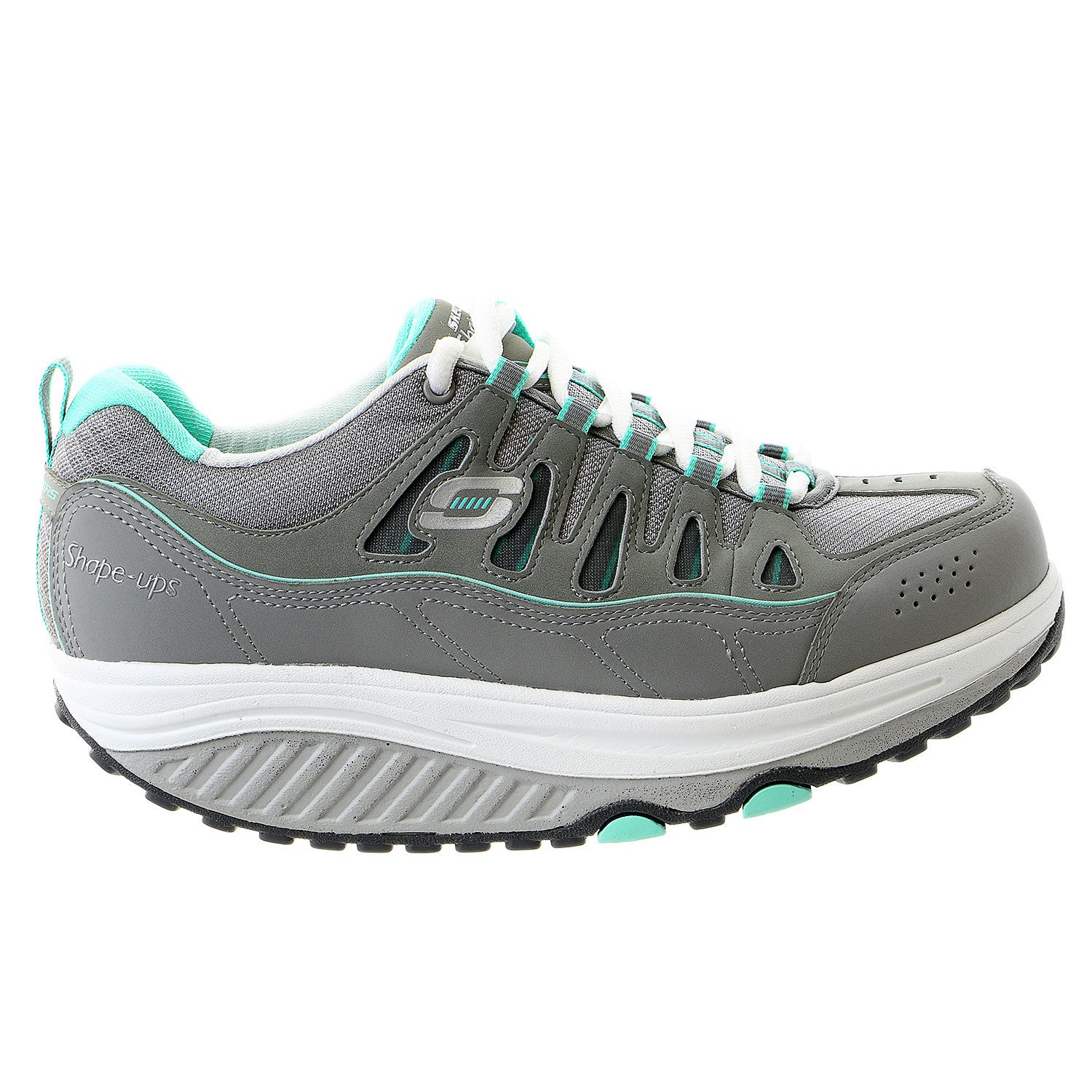
The journey to finding the perfect everyday walking shoe doesn’t have to lead you down the expected path. By choosing a shoe built on the robust, stable, and durable platform of a tennis shoe, you equip yourself with footwear designed for real-world movement. It’s a choice that prioritizes the intelligent application of sports science to the rhythm of daily life, offering a blend of protection, longevity, and understated style that dedicated walking shoes often lack. Your daily route, whether it’s a city commute or a park loop, deserves the engineered confidence that comes from a true performance foundation adapted for the pace of life.
