

The Best Tennis Shoes for Everyday Walking Comfort
When we talk about finding the perfect shoe for all-day walking, the conversation often drifts toward specialized walking shoes or running sneakers. Yet, there’s a compelling case to be made for a category often overlooked for this purpose: the humble tennis shoe. The very design principles that make a great tennis shoe—lateral support, durable outsoles, cushioned responsiveness, and a secure fit—translate exceptionally well to the demands of everyday ambulation. This isn’t about repurposing a worn-out pair from the court; it’s about recognizing that modern tennis shoes for walking are engineered with a stability and comfort profile that can outpace many shoes marketed specifically for casual strolls. The key lies in understanding the biomechanical overlap between the stop-start, multi-directional movements of tennis and the repetitive, heel-to-toe motion of walking, and then selecting a model that emphasizes cushioning and flexibility over aggressive court traction.
The Unseen Engineering: Why Tennis Shoes Work for Walking
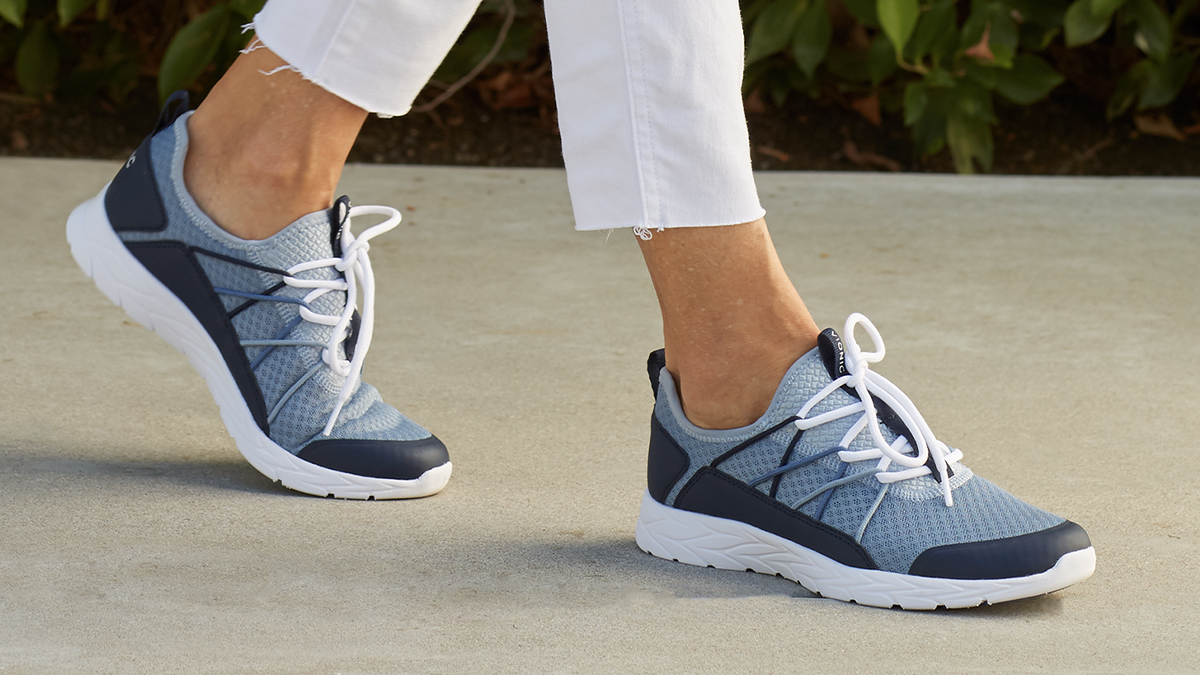
To appreciate why a tennis shoe can be a secret weapon for walkers, we must dissect its anatomy. A performance tennis shoe is built to handle explosive lateral cuts, quick pivots, and constant pressure from all angles. This necessitates a foundation of exceptional stability. Dr. Casey Kerrigan, a former Harvard Medical School professor and biomechanics researcher, has extensively studied footwear. In her work, she often emphasizes that excessive cushioning isn’t always the answer; instead, “the right shoe should promote a natural gait and provide stability to prevent unnecessary joint movement.” This is where tennis shoes excel. The midfoot often features a reinforced chassis or a torsional stability bar—a technology designed to prevent the foot from rolling inward excessively (overpronation) or outward (supination). For a walker, this means each step is supported, reducing fatigue in the arches, ankles, and knees over long distances. Furthermore, the outsole of a tennis shoe, while designed for clay, grass, or hard courts, is typically made of a non-marking, durable rubber compound. When adapted for casual use, this translates to impressive longevity on concrete and asphalt. The herringbone or modified tread patterns offer reliable grip without the deep, aggressive lugs of a trail runner, which can feel awkward and unstable on flat urban surfaces. The upper construction also plays a role. Many tennis shoes utilize breathable mesh but reinforce high-wear areas with synthetic leather or thermoplastic polyurethane (TPU) overlays. This creates a secure, locked-down feel that prevents the foot from sliding within the shoe during walking, a common cause of blisters.
Cushioning Systems: The Science of Every Step
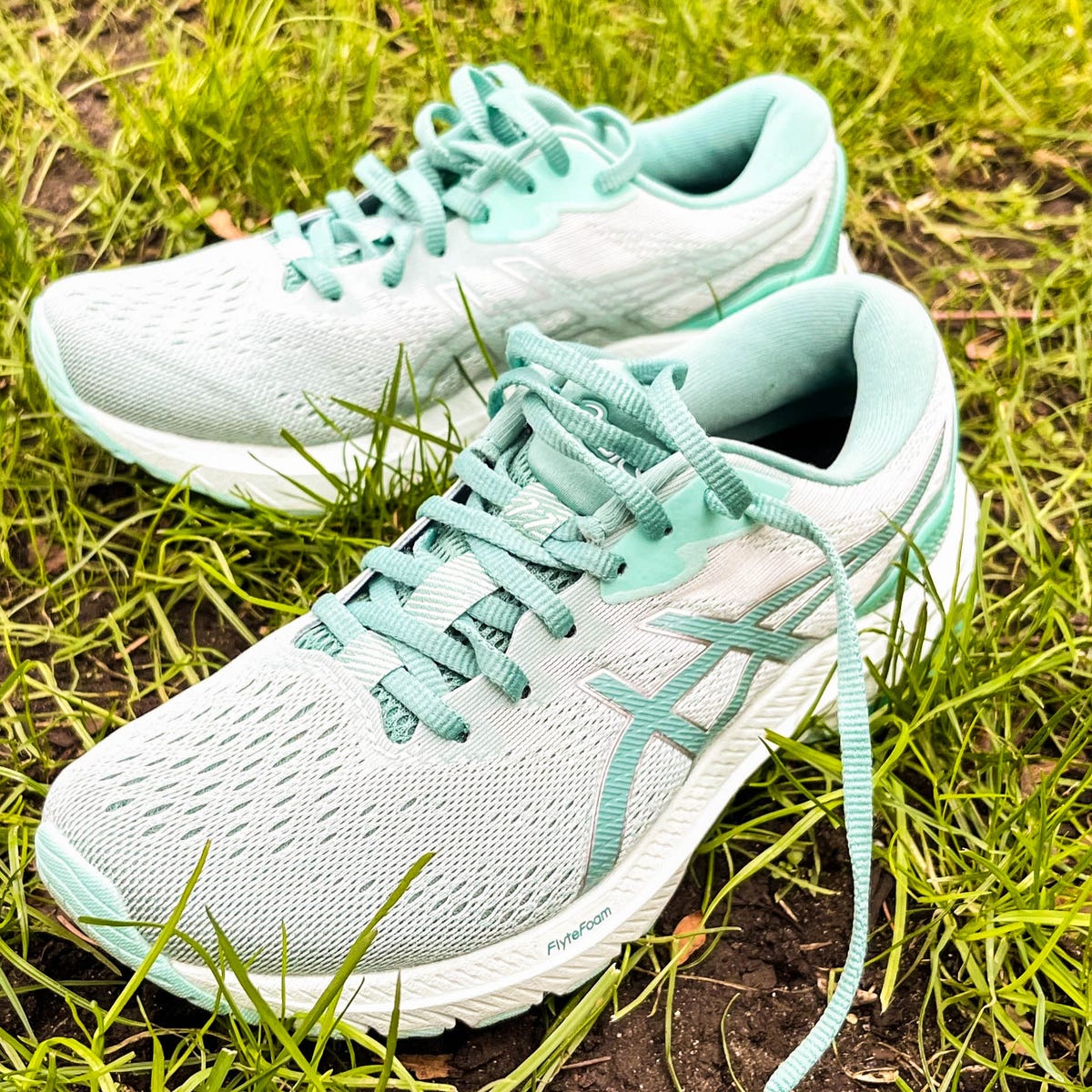
If stability is the skeleton, cushioning is the muscle and fat of shoe comfort. Modern tennis shoes incorporate advanced cushioning technologies that rival, and sometimes surpass, those in dedicated walking shoes. Brands invest heavily in research and development for this core component. Take, for instance, ASICS and its GEL technology. Developed by simulating the motion of a human running, ASICS GEL is a silicone-based substance placed at key impact points in the heel and forefoot. According to literature from the ASICS Institute of Sport Science, it is designed to attenuate shock during impact and toe-off phases. For a walker, this means a significant reduction in the ground reaction forces that travel up the leg with each step. Similarly, Nike utilizes its Air and Zoom Air units—pressurized gas in durable membranes—to provide responsive cushioning. The benefit here isn’t just softness; it’s energy return. As you transition from heel strike to toe-off, a well-cushioned tennis shoes for walking can give a slight spring, making your gait more efficient and less taxing. This is backed by principles in biomechanics, where efficient energy storage and release in footwear can reduce the metabolic cost of walking, as discussed in publications from universities like the University of Calgary’s Human Performance Laboratory. It’s crucial to distinguish between “plush” and “responsive” cushioning. A shoe that is too soft can cause your foot to sink and destabilize, while a responsive system offers a balanced feel—soft on impact but firm enough to propel you forward. This balance is precisely what the best tennis shoes for walking aim to achieve.
Selecting Your Champion: Key Features to Prioritize
Not every tennis shoe is created equal for walking comfort. When you’re browsing options, either online or in-store, you should be looking for specific design features that align with pedestrian needs. First, prioritize flexibility. While tennis shoes need some rigidity for court feel, models designed for comfort or all-court play often have flex grooves in the forefoot. Bend the shoe in your hands; it should yield at the ball of the foot, mimicking the natural flexion of your walk. Second, examine the heel-to-toe drop (or offset). This is the difference in height between the heel and forefoot. Many running and walking shoes have a drop of 8-12mm, encouraging a heel-strike gait. Some tennis shoes have a lower drop (4-8mm), which can promote a more midfoot strike. There’s no universally “correct” drop; it’s personal preference and biomechanics. A study cited by the American Council on Exercise suggests that a lower drop may engage calf muscles more, while a higher drop can alleviate strain on the Achilles tendon. Third, consider weight. The trend in performance tennis is toward lighter materials. A lighter shoe reduces leg fatigue over thousands of steps. Look for uppers made of engineered mesh and midsoles using modern foams like Nike’s React or Adidas’s Lightstrike. Finally, don’t neglect fit. Your walking shoe should have a thumb’s width of space in the toe box to allow for natural foot swelling. The heel should be snug but not tight, with minimal slippage. Remember, you are seeking a tennis shoes for walking, so try them on with the socks you typically wear and take a few laps around the store if possible.
Beyond the Hype: Endorsements and Real-World Testing
The proof of any shoe’s comfort is in the wearing, and the reputation of tennis shoes for casual wear is bolstered by both expert reviews and widespread user adoption. On platforms like YouTube, certified podiatrists and biomechanics experts like Dr. Ray McClanahan (Northwest Foot & Ankle) often analyze footwear from a health perspective. While not always endorsing specific brands, the principles they advocate—wide toe boxes, minimal heel elevation, and flexible soles—are increasingly found in modern tennis silhouettes. Meanwhile, on consumer sites like Quora and Reddit’s r/Sneakers or r/Walking, threads frequently highlight models like the New Balance 990 series (originally a running shoe but with a tennis-inspired stability build) or the Adidas Stan Smith as go-to comfortable all-day shoes. The Stan Smith, a classic tennis design, is perennially praised for its simple, supportive cupsole construction. Furthermore, the crossover of tennis style into streetwear, as seen in collaborations between brands like K-Swiss and fashion labels, has led to a focus on all-day comfort without sacrificing aesthetics. This cultural shift means companies are directly engineering lifestyle tennis shoes with walkability in mind, using the performance heritage as a foundation. As noted in a feature by GQ Magazine, “The best sneakers aren’t always the ones labeled ‘running’ or ‘training’; sometimes, the arcane specs of a tennis shoe provide the perfect, unnoticed support for city life.” This real-world validation is a powerful testament to the concept.

Investment and Value: Professional Insight on Cost vs. Benefit
Let’s address the practical matter: cost. High-quality tennis shoes, especially those from performance lines, can carry a premium price tag, often ranging from $100 to $160 or more at full retail. However, viewing this as an investment in your musculoskeletal health and daily comfort reframes the expense. A well-constructed pair of tennis shoes for walking with durable outsoles and resilient cushioning will typically outlast a cheaper, less-supported alternative. The cost per mile walked becomes significantly lower. To bring professional knowledge to your purchase strategy, consider the “discounted technology” approach. Last season’s performance models often see deep discounts (30-50% off) as retailers make room for new colorways. The core technology—the cushioning system, stability features, and upper materials—remains virtually identical. Websites of major sporting goods retailers, brand outlet stores, and authorized online sellers are excellent places to find these deals. For instance, a previous-generation ASICS Gel-Resolution or Nike Air Zoom Vapor Cage, originally designed for hard-court grinding, can frequently be found for under $100 and will offer superlative walking comfort for years. The key is to not get caught up in the latest pro-player endorsement; instead, focus on the underlying platform. Is the midsole foam proven (like Adidas’s Boost)? Does it have positive reviews for comfort? Is the outsole rubber solid? Answering “yes” to these for a discounted model means you’re acquiring premium engineering at an accessible price point, maximizing the value of your investment in foot health.

The search for the ideal walking companion doesn’t need to be confined to a specific aisle labeled “walking shoes.” The architectural brilliance of a tennis shoe—forged in the fires of competitive sport—provides a unique synthesis of stability, cushioning, and durability that is remarkably suited to the rhythm of daily steps. By choosing a model that emphasizes flexible comfort and leveraging savvy shopping for value, you can secure a pair of tennis shoes for walking that not only supports your body through miles of pavement but does so with a longevity and confidence that comes from proven engineering. Your feet, tasked with bearing your weight every single day, deserve that level of thoughtful support.
