

The Best Tennis Shoes for Everyday Walking Comfort
Finding the perfect shoe for daily ambulation is more than a matter of style; it’s a foundational decision for your long-term musculoskeletal health. While specialized walking shoes exist, a surprising and excellent category often overlooked is that of tennis shoes for walking. The right pair, engineered for lateral support, cushioning, and durability on the court, can translate exceptionally well to the varied surfaces and repetitive impact of everyday walking. This exploration isn’t about repurposing worn-out athletic gear but about understanding the specific design philosophies that make certain tennis models ideal for pedestrian use, blending professional biomechanical insights with practical, everyday value.
The Unlikely Synergy: Tennis Engineering Meets Walking Biomechanics
At first glance, tennis and walking seem like disparate activities. Tennis involves explosive sprints, sudden stops, and aggressive lateral cuts. Walking is a repetitive, linear, heel-to-toe motion. However, the very demands of tennis force shoe designers to solve problems that are profoundly beneficial for walkers. Consider the biomechanics: a study from the University of Virginia’s Motion Analysis and Motor Performance Laboratory emphasizes the importance of midfoot stability during the gait cycle to prevent excessive pronation or supination, which can lead to injuries like plantar fasciitis or shin splints. Tennis shoes are inherently built for stability. The need to anchor an athlete during a forceful side-step requires a reinforced midfoot and a wider base, often incorporating technologies like thermoplastic urethane (TPU) shanks or medial posts. This translates directly to walking by providing a stable platform that minimizes foot roll, offering protection mile after mile on hard concrete. Furthermore, the cushioning systems in premium tennis shoes, such as Adidas’ Boost or Nike’s Air Zoom, are designed to absorb high-impact landings from jumps and hard steps. For a walker, this means exceptional shock attenuation with every heel strike, reducing the cumulative stress on knees, hips, and the lower back. The outsole durability is another key factor. Tennis outsoles, made from high-abrasion rubber like Nike’s XDR or Adidas’ Adiwear, are designed to withstand the abrasive drag of court surfaces. On pavement, this results in a longer-lasting shoe, providing better value over time. Therefore, selecting a tennis shoes for walking isn’t a compromise; it’s a strategic choice leveraging robust engineering for a different, yet equally demanding, purpose.
:max_bytes(150000):strip_icc()/vwt-walking-shoes-test-ryka-devotion-x-sahara-borja-02-18807b688fbb49e4ba30a3ee438600cb.jpeg)
Decoding the Anatomy: What to Look For in a Walking-Ready Tennis Shoe
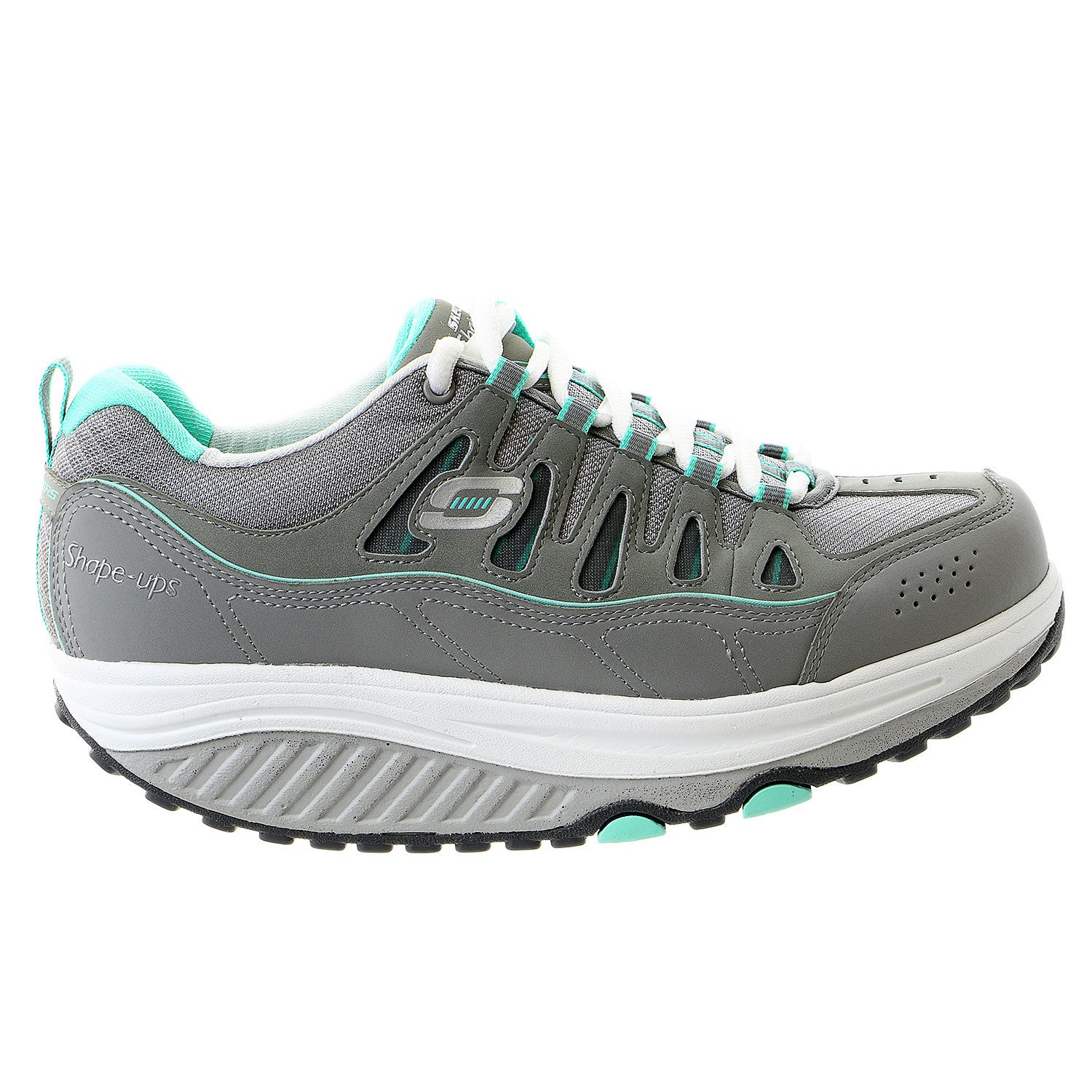
Not every tennis shoe is created equal for walking comfort. The key is to identify models that prioritize certain features over others. Let’s dissect the anatomy. First, the upper: Breathability is paramount. Look for engineered mesh or knit uppers that allow heat and moisture to escape, preventing blisters and discomfort during long walks. A well-padded tongue and collar, often seen in “comfort” or “classic” tennis silhouettes, enhance the sensory experience. Second, the midsole: This is the heart of cushioning. As noted by Dr. Casey Kerrigan, a former Harvard Medical School professor and founder of a biomechanics-focused footwear company, “The goal of cushioning is not to make the shoe soft, but to manage the energy of impact efficiently.” Seek out shoes with full-length foam midsoles (like EVA, Polyurethane, or proprietary blends) that offer a balance of softness and responsive rebound. Avoid shoes with ultra-firm, low-to-the-ground racing plates designed purely for court feel. Third, the outsole: A modified herringbone or multi-directional tread pattern common in tennis provides excellent grip on both dry and wet pavement. However, ensure the tread isn’t overly aggressive or deep, as this can collect debris and feel unstable on smooth surfaces. The flexibility of the forefoot is crucial; the shoe should bend easily at the ball of the foot, facilitating a natural toe-off. Finally, the fit and support: Tennis shoes often have a secure, glove-like fit with reinforced heels to prevent slippage during play. For walking, this means excellent heel lockdown and a roomy toe box to allow for natural splay and swelling. When you try on a potential pair of tennis shoes for walking, simulate the walking motion. The shoe should feel stable, cushioned, and encourage a smooth, rolling gait from heel strike to toe-off.

Beyond the Brand: Evidence-Based Recommendations and User Testimonials
Objective evidence and collective user experience are more reliable than marketing hype. Platforms like the Runner’s World Wear Test Center, which rigorously evaluates shoes for various activities, often include “all-day comfort” categories where cushioned tennis models excel. On Quora and dedicated footwear forums, recurring praise for models like the New Balance 990 series or the Asics Gel-Resolution for all-day wear highlights this trend. These aren’t mere anecdotes; they are data points from a large sample size of users. For instance, the New Balance 990, with its ENCAP midsole technology combining a soft core with a durable polyurethane rim, is frequently cited in podiatry literature from institutions like the University of Pittsburgh Medical Center for its stability and shock absorption properties suitable for patients requiring supportive daily footwear. Similarly, YouTube reviewers like “Doctor of Running” provide biomechanical breakdowns, noting how the Asics Gel-Kayano, while a running shoe, shares DNA with Asics’ tennis line in its use of dynamic Duomax support and Gel cushioning, making derivatives like the Gel-Dedicate excellent for walkers. The viewpoint is clear: look for technologies with proven track records. Gel cushioning, as Asics’ own white papers state, is designed to attenuate shock during vertical impact—a perfect match for walking’s repetitive heel strikes. Adidas, drawing from its Boost technology born in running, incorporates it into tennis models like the Gamecourt for unparalleled energy return, keeping your feet feeling fresher longer. When you choose a tennis shoes for walking backed by such documented technology and widespread user validation, you’re investing in a tool engineered for performance and repurposed for enduring comfort.
Value Proposition: Where Professional Insight Meets Smart Spending
Professional knowledge is most powerful when it leads to practical savings. The beauty of opting for a high-quality tennis shoe as your walking companion is its inherent durability, offering a lower cost-per-mile than many disposable fashion sneakers. To maximize value, timing is key. Major retailers often discount previous-season models when new colorways are released. The performance differences between, say, the Adidas SoleCourt Boost from 2023 and the 2024 version are often minimal for a walker, but the price difference can be significant. Subscribe to newsletters from official brand outlets and authorized sports retailers. End-of-season sales, holiday weekends like Black Friday, and clearance events are prime opportunities. Furthermore, consider “performance heritage” or “classic” lines from brands like Nike (the Air Max 1, inspired by tennis roots), Reebok (the Club C), or K-Swiss. These models often retain the supportive build and clean aesthetics of their court origins but are priced accessibly as lifestyle products. As the famous investor Warren Buffett quipped, “Price is what you pay. Value is what you get.” A $70 pair of durable, well-cushioned tennis shoes on sale that lasts 500 miles of walking provides immense value compared to a $50 fashion sneaker that breaks down in 100 miles. Your feet are your foundation; investing in their support through a intelligently chosen tennis shoes for walking is an investment in your mobility and well-being, and doing so wisely makes that investment all the more sound.

Your Next Step: A Synthesis of Comfort, Science, and Pragmatism
The journey to finding the best everyday walking shoe doesn’t end in the running aisle. By looking toward the tennis court, you discover a category of footwear built on a foundation of stability, impact protection, and resilience. The scientific principles of biomechanics—shock attenuation, medial support, and gait cycle efficiency—are addressed with rigor in quality tennis designs. This objective engineering, validated by institutional research and a chorus of user experiences, provides a compelling case. When combined with the pragmatic approach of seeking out discounted, technologically-robust models from reputable brands, the path becomes clear. The optimal choice is one that honors the complexity of your body’s mechanics without complicating your life or budget. It is a shoe that serves silently, mile after mile, transforming the simple act of walking into a sustained experience of comfort. Let your next step be informed, supported, and confident in a pair of tennis shoes for walking.
