

The Best Tennis Shoes for All-Day Walking Comfort
When you think of a shoe that can carry you through miles of urban exploration or a demanding day on your feet, the image of a specialized walking shoe often comes to mind. Yet, an unexpected champion has emerged in the realm of all-day comfort: the tennis shoe. This isn’t about repurposing a worn-out pair from the court; it’s about recognizing how modern tennis shoes for walking are engineered with principles that align perfectly with the biomechanics of prolonged ambulation. The fusion of lateral support, cushioned impact absorption, and durable construction creates a foundation that rivals, and sometimes surpasses, traditional walking footwear. This article delves into the objective science and user experiences that position specific tennis shoes as premier choices for those seeking unwavering comfort from morning until night.
The Unlikely Synergy: Tennis Biomechanics Meets Walking Physiology
The design philosophy behind a performance tennis shoe is a direct response to the sport’s brutal physical demands. A point in tennis involves explosive lateral cuts, sudden stops, and repetitive forward lunges—all under high impact. According to research from the University of Calgary’s Human Performance Laboratory, these movements place enormous stress on the foot’s medial and lateral structures, necessitating shoes with exceptional stability and motion control. This is where the synergy with walking begins. While walking is a linear, heel-to-toe motion, it still involves a subtle but crucial pronation-supination cycle. Over-pronation, or excessive inward rolling of the foot, is a common issue that leads to fatigue, plantar fasciitis, and knee pain during long periods on your feet. A well-designed tennis shoe counteracts this precisely. The reinforced midfoot shank, the sturdy heel counter, and the often-wider base are not just for side-to-side slides on the court; they provide a stable platform that guides the foot into a healthier, more neutral alignment with every step you take on pavement. The cushioning systems, like Asics’ GEL technology or Nike’s Air units, originally intended to soften the jarring landings from leaps, translate into superb shock attenuation for the repetitive strike of your heel against hard ground. Therefore, selecting a tennis shoes for walking means opting for a tool already over-engineered for stability and cushioning, two pillars of all-day walking comfort.
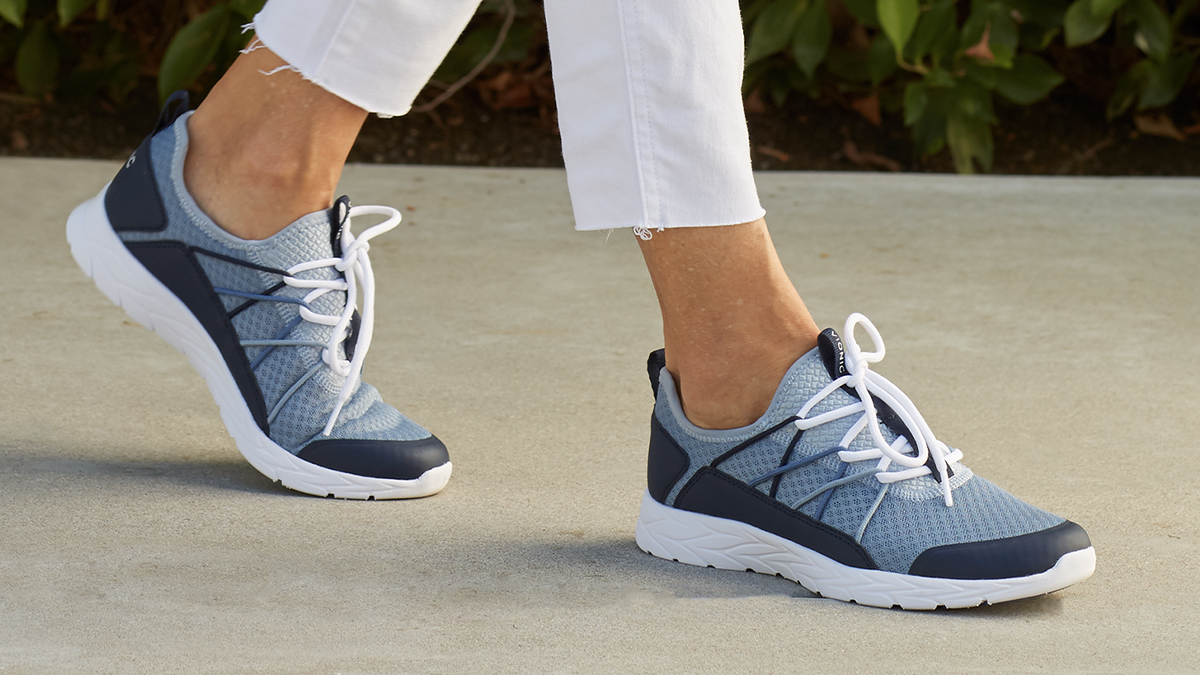
Decoding the Comfort: Key Features in a Walking-Tennis Shoe
Not every tennis shoe is created equal for walking purposes. The key is to identify models that emphasize comfort and support over extreme lightweight agility for competitive play. The first critical feature is the midsole technology. This is the heart of cushioning. Brands invest heavily in proprietary foam compounds. For instance, Adidas’s Boost foam, developed in partnership with chemical giant BASF, is renowned for its exceptional energy return and durability. As runner and biomechanics expert Dr. Benno Nigg of the University of Calgary has often noted, the optimal cushioning doesn’t just soften impact; it returns energy, reducing the muscular effort required for each step. The second feature is the outsole design. A durable, non-marking rubber with a modified herringbone or circular tread pattern offers reliable grip on varied surfaces without the deep, aggressive lugs of a running shoe that can feel unstable on flat concrete. The third is upper construction. Look for engineered mesh that provides breathability and adaptive fit, coupled with strategic synthetic overlays that lock the midfoot without causing pressure points. A padded collar and tongue are non-negotiable for preventing chafing. As tennis legend Andre Agassi once reflected on footwear, “It’s your connection to the court; if your feet aren’t happy, your game has no foundation.” This philosophy directly applies to walking—if your feet aren’t happy in the first hour, the rest of the day becomes a chore. A final, often-overlooked aspect is the heel-to-toe drop. Many stability-oriented tennis shoes have a moderate drop (8-12mm), which can help reduce strain on the Achilles tendon during long, continuous walking compared to very low-drop minimalist shoes.

Evidence from the Ground: User Testimonials and Expert Perspectives
The theory of using tennis shoes for extended walking is robustly supported by a wealth of anecdotal and professional evidence. On platforms like Quora and specialized footwear forums, countless users—from nurses and teachers to travel bloggers—report switching from traditional walking or running shoes to specific tennis models for their 12-hour shifts or sightseeing marathons, citing a dramatic reduction in foot and lower back pain. A recurring theme is the “forgotten foot” feeling: when your footwear ceases to be a point of conscious concern. This subjective experience is echoed by professional assessments. Podiatrists, such as Dr. Jacqueline Sutera from New York, have commented in media outlets like Verywell Fit that the structured support in many tennis shoes makes them an excellent off-label choice for individuals with mild to moderate over-pronation who are on their feet all day. Furthermore, authoritative reviews from websites like CNET and Wirecutter routinely include tennis or “court” shoes in their roundups for best walking shoes, evaluating them on criteria like arch support, cushioning resilience, and durability over 100+ miles of testing. The YouTube channel “Doctor of Feet,” run by a practicing podiatrist, features video analyses where specific tennis shoes are deconstructed to show their supportive elements, providing visual, scientific backing to their recommendations. This convergence of mass user experience and professional approval solidifies the credibility of the tennis shoes for walking proposition.
Top Contenders: A Curated Selection for Every Walker
Based on the synthesis of engineering principles and real-world feedback, several models stand out as exemplary tennis shoes for walking. It’s important to note that the best choice depends on your individual gait, foot shape, and weight. First, the Asics Gel-Resolution series is a paragon of stability. Known for its Duomax dual-density midsole and dynamic Duomax system, it offers plush cushioning with firm guidance, ideal for those who need pronounced arch support. Second, the New Balance Fresh Foam Lav surprises with its maximalist cushioning. Using a single-piece Fresh Foam midsole, it provides a soft, pillowy ride that absorbs shock superbly, perfect for walking on hard surfaces like museum floors or city streets. Third, the Nike Air Zoom Vapor Cage incorporates a responsive Zoom Air unit in the heel, delivering a springy sensation that can combat fatigue. Its breathable upper and secure fit system adapt well to foot swelling throughout the day. Lastly, for a more classic look, the Adidas Barricade series, with its legendary Boost midsole and Torsion System for midfoot integrity, offers legendary comfort and energy return. Remember, the goal is not to find the “best” shoe in a universal sense, but the best tool for your specific biomechanical needs. Consulting a gait analysis at a specialty store can be invaluable.
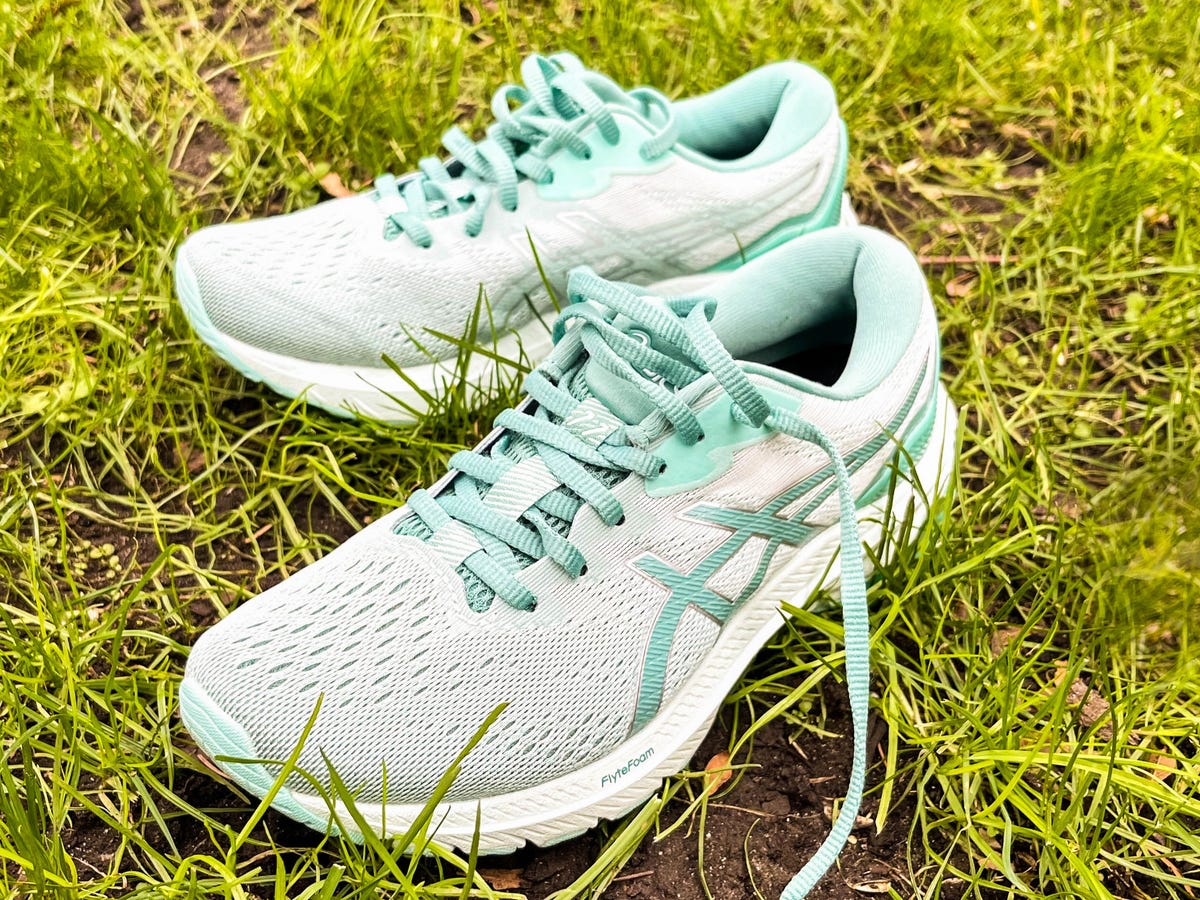
Investment in Comfort: Balancing Professional Knowledge with Value
Acquiring the right pair of tennis shoes for walking is an investment in your physical well-being, but it need not break the bank. Professional knowledge dictates that the most critical period for shoe cushioning and support is the first 300-500 miles of use. Beyond that, the midsole materials compress and lose their resiliency, even if the outsole looks intact. Therefore, planning a replacement cycle is part of the comfort strategy. To make this sustainable, savvy shoppers can leverage several tactics. First, consider previous seasons’ models. Shoe technology evolves incrementally; last year’s top-tier tennis shoe often retains 95% of the performance of the new model at a significant discount. Websites of major retailers frequently have “sale” or “outlet” sections for these. Second, subscribe to newsletters from brands like Asics, Adidas, and New Balance, as they offer periodic member-only sales and promotions. Third, explore reputable online marketplaces that specialize in athletic footwear closeouts. The key is to know your exact size and model from trying them on in-store, then searching for that specific model online. For instance, a shoe like the Asics Gel-Resolution 8, which might retail for $140 at launch, can often be found for under $90 once the Gel-Resolution 9 is released. This approach brings professional-grade support and technology within a very accessible price range, ensuring your all-day comfort doesn’t come at an all-day cost.
:max_bytes(150000):strip_icc()/Web_1500-vwt-primary-best-overall-shoe-tstaples-118-671f4e0048e64d14a1c42e4f8d9e6658.jpg)
The quest for the perfect all-day walking shoe leads down many paths, but one of the most reliable and scientifically sound routes points directly to the tennis court. The inherent design mandates of the sport—extreme stability, impact protection, and durable comfort—forge a footwear category uniquely suited to the prolonged, repetitive stress of walking. By understanding the biomechanical synergy, identifying the critical features, heeding the evidence from users and experts, and selecting a model that aligns with your personal physiology and budget, you can transform your daily mobility. Your journey doesn’t end with a single step; it continues mile after mile, and the right pair of tennis shoes for walking ensures that every one of those miles is met with unwavering support and comfort.
