

Step Into Comfort and Style with Vionic Walking Shoes
For years, the pursuit of the perfect walking shoe felt like a compromise. You could have cushioning that felt like walking on clouds, but the shoe lacked any structural support, leaving your feet and joints aching after a few miles. Alternatively, you could find a shoe with excellent biomechanical correction, but it often looked clinical, something you’d hesitate to wear beyond a medical setting. This dichotomy between wellness and aesthetics has been a persistent challenge in footwear. Today, that compromise is no longer necessary. The emergence of biomechanically engineered footwear that doesn’t sacrifice design has revolutionized how we approach daily mobility. At the forefront of this revolution is the vionic walking shoe, a category that has redefined expectations by seamlessly merging podiatrist-developed orthotic support with contemporary, versatile style. This isn’t just about footwear; it’s about a fundamental shift in how we support our bodies in motion, allowing us to step confidently through every part of our day without sacrificing comfort or our personal aesthetic.
The Foundation: Understanding Biomechanics and Foot Health
To truly appreciate the innovation behind a vionic walking shoe, one must first understand the biomechanical principles it addresses. Human gait is a complex, coordinated series of movements involving bones, muscles, ligaments, and tendons. A common issue many face is overpronation—the excessive inward rolling of the foot after heel strike. According to resources like the American Podiatric Medical Association and literature from institutions like the University of Pittsburgh School of Medicine’s Department of Orthopaedic Surgery, unchecked overpronation can lead to a cascade of alignment issues, contributing to plantar fasciitis, shin splints, knee pain, and even hip and back problems. Traditional flat insoles or overly soft cushioning do little to correct this; they may cushion the symptom but ignore the root cause of misalignment. The core technology in Vionic shoes is built upon a deep understanding of this. Their signature orthotic footbed is not a generic arch support; it is a biomechanically designed component that aims to stabilize the heel, cradle the arch in its natural position, and promote a more neutral alignment from the ground up. This scientific approach transforms the shoe from a mere covering into an active participant in healthy movement.
Where Science Meets Design: The Aesthetic Evolution of Orthotic Footwear
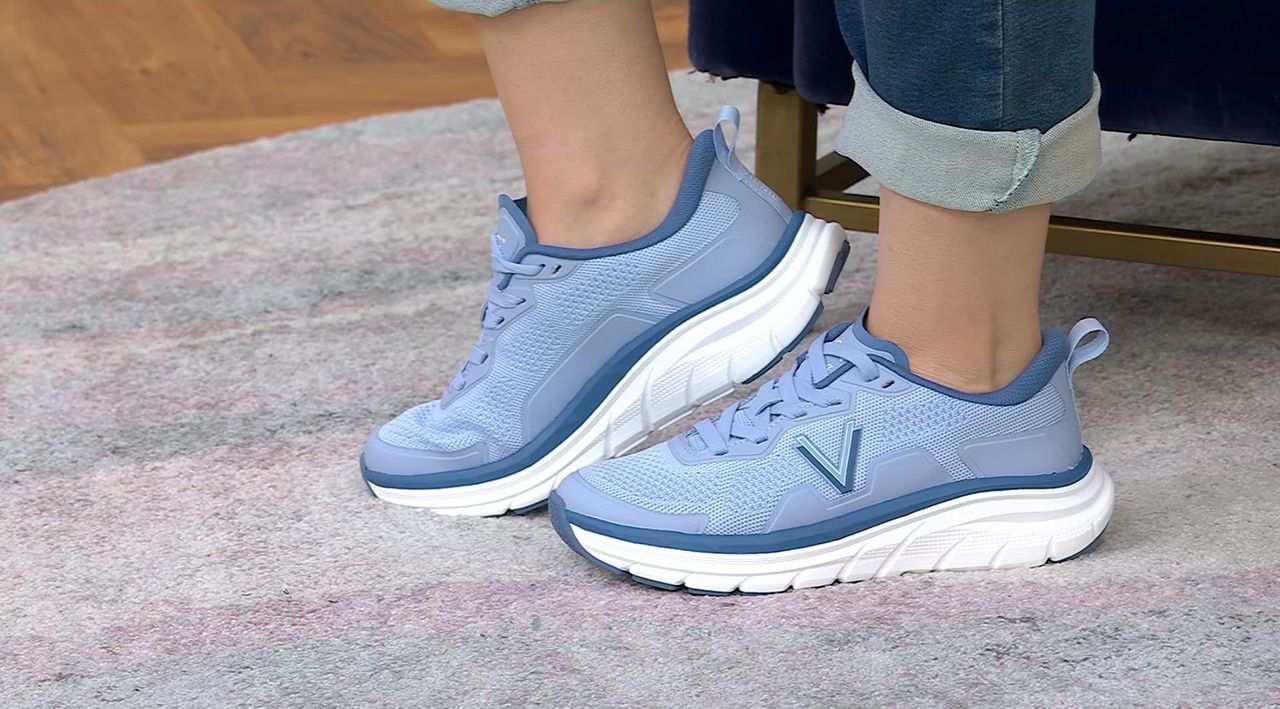
The historical stigma surrounding “orthopedic shoes” is well-documented. They were often synonymous with bulky, beige, and rigid designs. However, the modern consumer demands more. We live in an era where wellness and style are not mutually exclusive but are integrated aspects of a holistic lifestyle. This is where Vionic has made its most noticeable impact. By collaborating with designers who understand current trends, they have successfully translated their biomechanical chassis into a wide array of styles. From sleek sneakers and elegant loafers to supportive sandals and casual slippers, the vionic walking shoe philosophy is embedded in diverse forms. This design-forward approach is crucial because compliance is key to therapeutic benefit. If a shoe is uncomfortable or unattractive, people simply won’t wear it consistently. By creating shoes that people want to wear, Vionic ensures that the therapeutic support is present throughout the day, whether you’re on a five-mile hike, navigating a busy workday, or simply running errands. The integration of premium materials, thoughtful color palettes, and contemporary silhouettes means that your commitment to foot health no longer requires a sacrifice in personal style.
A Closer Look at the Technology: More Than Just an Insole
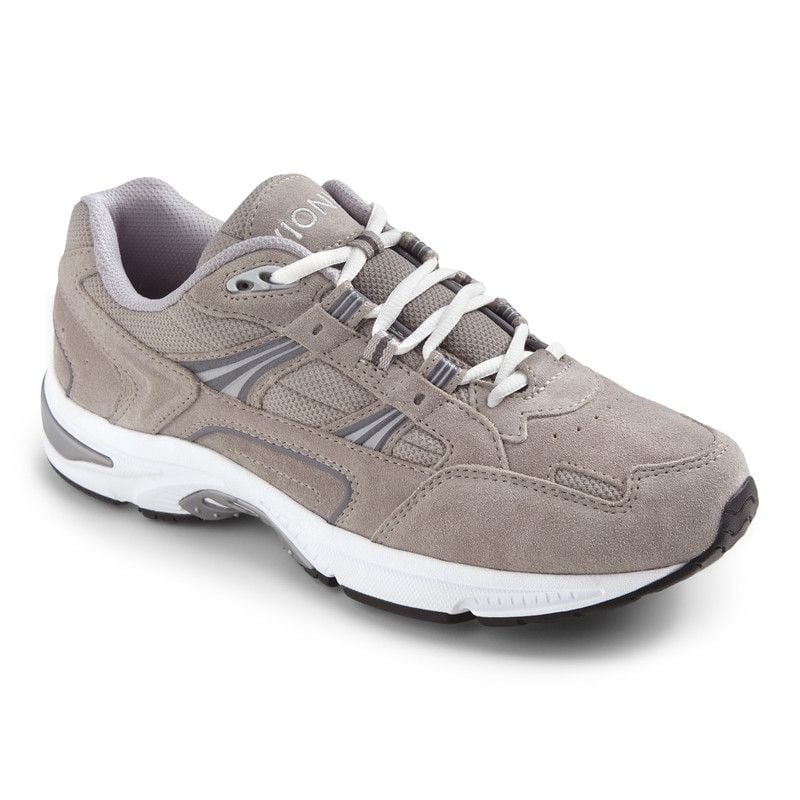
Dismissing Vionic as simply a shoe with a good insole would be a significant underestimation of its engineering. The orthotic support is a three-part system that works in harmony. First, the deep heel cup stabilizes the rearfoot, preventing the excessive movement that leads to pronation. Second, the arch support is precisely contoured to meet the natural curvature of the foot, providing sustained lift and reducing strain on the plantar fascia ligament. Third, the forefoot ramp encourages a proper toe-off, making each step more efficient and reducing fatigue. This tri-planar motion control is built into the midsole and outsole design of every vionic walking shoe. Furthermore, brands often highlight cushioning, but Vionic focuses on strategic cushioning. The midsole materials are designed to absorb shock at key impact points while maintaining the structural integrity needed for support. This is a principle echoed in sports medicine: optimal performance and injury prevention come from a balance of cushioning and control, not an abundance of one at the expense of the other.
Voices of Validation: From Clinical Endorsements to User Experiences
The credibility of Vionic’s approach is bolstered by endorsements from healthcare professionals and the lived experiences of countless users. Many podiatrists recommend Vionic shoes to patients dealing with common foot ailments. As Dr. Jackie Sutera, a prominent New York City podiatrist and spokesperson for the American Podiatric Medical Association, has stated in various media interviews:
“The right shoe can be a powerful tool in managing and preventing foot pain. I often recommend shoes with built-in biomechanical support, like those from Vionic, because they help maintain proper alignment, which is fundamental to treating conditions like plantar fasciitis and bunions.”
This professional validation is critical. Beyond clinical settings, platforms like YouTube and wellness blogs are filled with testimonials from individuals—from avid walkers and nurses who spend 12 hours on their feet to individuals recovering from foot surgery—who credit the switch to a vionic walking shoe with providing life-changing relief. These narratives form a powerful body of evidence that moves beyond marketing claims into the realm of tangible, user-verified results.

An Investment in Long-Term Wellness and Value
When evaluating footwear, the initial price point is often a primary consideration. It’s easy to view a technologically advanced shoe as a significant expense. However, a more accurate perspective is to see it as an investment in your long-term musculoskeletal health and daily comfort. Persistent foot pain can limit mobility, decrease quality of life, and lead to costly medical interventions like physical therapy, custom orthotics, or even surgery. A well-designed shoe that promotes proper alignment acts as a preventive measure. Furthermore, the construction quality of Vionic shoes is intended for durability. When you amortize the cost over the hundreds of miles and months of comfortable wear they provide, the value proposition becomes clear. To make this investment more accessible, it is always wise to seek out professional knowledge on proper fit and to look for discounted prices during seasonal sales or through authorized retailers. Investing in your foundation—your feet—is one of the most impactful choices you can make for your overall well-being.

Stepping Forward: Integrating Support into Your Everyday Life
The ultimate testament to the success of the vionic walking shoe concept is its seamless integration into the rhythm of daily life. The goal of modern foot health technology is not to be noticed as a medical device but to fade into the background as a reliable, comfortable, and stylish enabler of your activities. Whether you are a traveler navigating cobblestone streets, a professional who presents in boardrooms and conference halls, a parent chasing after children, or someone simply seeking relief from daily aches, the right shoe provides a foundation of confidence. It’s the difference between ending the day with a sigh of relief as you kick off painful shoes and ending the day feeling energized, having moved through your world with supported ease. The journey toward better foot health and enhanced comfort doesn’t require a drastic lifestyle change; it often begins with a single, intentional step—the step into a shoe engineered to move with you, support you, and reflect your style.
The era of compromise is over. The fusion of clinically informed biomechanics and thoughtful, modern design in footwear is not a passing trend but a new standard for how we care for our bodies while expressing our personal style. By choosing footwear that honors the intricate engineering of the human foot, we make a proactive decision for our present comfort and future mobility. The path to a more comfortable, stylish, and supported life is literally at your feet, waiting for you to step into it.
