

The Walking Shoe: Your Ultimate Guide to Comfort and Style for Everyday Adventures
Let’s be honest: most of our days are spent on our feet. Whether you’re navigating the urban jungle, exploring a new city on vacation, or simply trying to hit your daily step goal, your footwear is the foundation of it all. It’s the difference between a day that ends with a sense of accomplishment and one that concludes with aching feet and a longing for the couch. This isn’t about specialized running gear or rugged hiking boots for extreme terrain. This is about the unsung hero of daily life—the walking shoe. The right pair transcends mere utility; it becomes a seamless extension of your body, providing the support, cushioning, and style that turns everyday movement into a genuine pleasure. Forget the notion that comfort and aesthetics are mutually exclusive. The modern walking shoe is engineered to deliver both, blending biomechanical science with contemporary design to empower your every step.
The Anatomy of Comfort: Deconstructing the Modern Walking Shoe
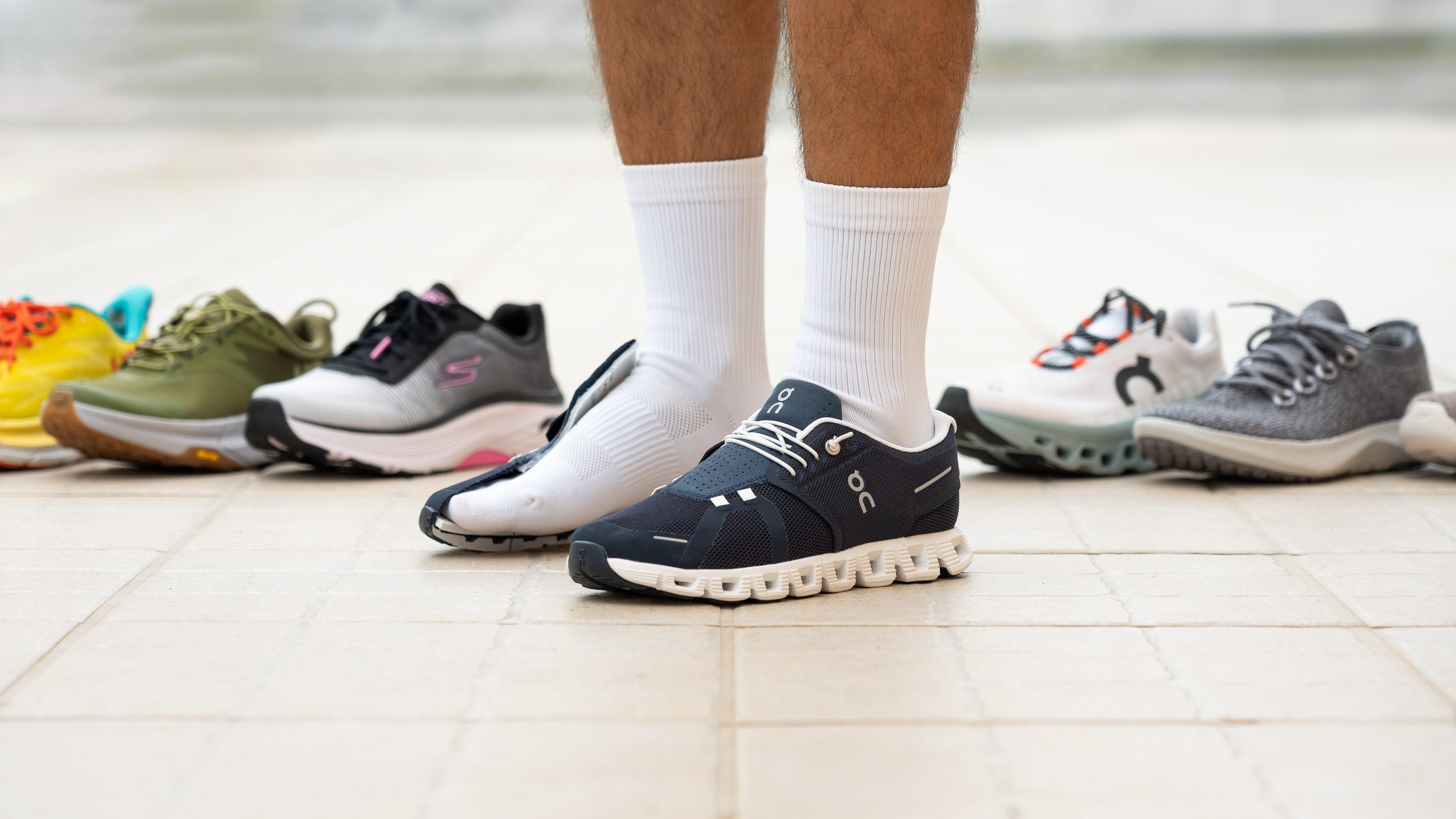
To understand why a great walking shoe feels so transformative, we need to look under the hood. This isn’t just foam and fabric; it’s a carefully orchestrated system designed to interact with the complex biomechanics of the human gait. The journey begins with the midsole, typically crafted from materials like EVA (ethylene-vinyl acetate) or polyurethane. According to podiatrists and sports scientists, the midsole’s primary job is shock absorption. Every time your heel strikes the ground, a force of up to 1.5 times your body weight travels up your leg. A well-cushioned midsole dissipates this energy, protecting your joints from the cumulative stress of thousands of steps. But cushioning alone isn’t enough. The true hallmark of a dedicated walking shoe is a design that facilitates the unique heel-to-toe rolling motion of walking, as opposed to the more dynamic, forefoot-striking pattern of running. This often involves a beveled or rounded heel to encourage a smooth transition and a flexible forefoot that allows your foot to bend naturally with each push-off. The upper, meanwhile, must be a master of breathability and containment. Materials like engineered mesh provide ventilation to prevent overheating and moisture buildup, while strategic overlays offer structure and support without creating pressure points. It’s this holistic attention to the walking gait that separates a true walking shoe from a repurposed sneaker.
Arch Support and Foot Type: The Non-Negotiable Foundation
Perhaps the most critical, yet most often overlooked, aspect of selecting a walking shoe is matching it to your foot’s arch type. This isn’t a matter of preference; it’s a question of biomechanical alignment. The human foot generally falls into one of three categories: neutral (normal), pronated (flat), or supinated (high-arched). Pronation, the inward rolling of the foot after heel strike, is a natural motion. However, overpronation—where the foot rolls inward excessively—can lead to a cascade of issues, including plantar fasciitis, shin splints, and knee pain. As noted in literature from the American Podiatric Medical Association, shoes designed for stability or motion control, featuring firmer medial (inner) posts, are essential for overpronators to correct this alignment. Conversely, someone with a high, rigid arch (supination) underpronates, meaning their foot doesn’t roll inward enough to absorb shock effectively. They require a highly cushioned and flexible walking shoe to encourage natural motion. For the neutral foot, the world is your oyster—a well-cushioned, neutral shoe will typically suffice. The simple “wet test” (stepping on a paper bag with a wet foot to see your footprint) can be a revealing starting point, but for persistent pain, consulting a specialist is the scientifically sound path forward.

Style as Function: When Your Shoes Reflect Your Journey
For decades, the term “comfort shoe” conjured images of clunky, orthopaedic-looking designs that were hidden away in shame. That era is decisively over. Today’s leading brands have embraced the idea that people want to look as good as they feel. The evolution of materials and manufacturing has allowed designers to create sleek, minimalist profiles, vibrant colorways, and sophisticated textures that rival fashion sneakers. This fusion is more than skin deep; it’s a reflection of how we live. Our “everyday adventures” are multifaceted. You might need a shoe that can handle a morning power walk, look professional in a business-casual office, and then be comfortable enough for an evening stroll through a farmers’ market. The modern walking shoe answers this call. Brands like Allbirds, with their merino wool and tree fiber uppers, or Cole Haan’s Zerogrand series, which integrates athletic technology into dress-shoe silhouettes, exemplify this trend. As designer Tinker Hatfield, the mind behind many iconic Nike Air Max models, once philosophized, “Design must reflect the practical and aesthetic in business but above all… good design must primarily serve people.” The best walking shoes do exactly that: they serve your body’s needs without asking you to sacrifice your personal style, proving that the most practical choice can also be the most expressive one.
“Design must reflect the practical and aesthetic in business but above all… good design must primarily serve people.” – Tinker Hatfield, Legendary Nike Designer
The Investment in Your Foundation: Knowing When to Let Go
A common mistake is treating walking shoes like a timeless heirloom. The truth is, they are consumable equipment with a finite lifespan. The cushioning materials in the midsole compress and lose their resiliency over time, long before the outsole wears through. The general rule of thumb, supported by organizations like the American Academy of Podiatric Sports Medicine, is to replace walking shoes every 300 to 500 miles. For an average walker covering 3-5 miles per day, that translates to roughly every 3 to 6 months. The signs are often subtle: you might notice new aches in your knees, hips, or back that weren’t there before. The shoe may no longer “bounce back” when you press your thumb into the midsole, or it might feel less stable. Ignoring these signs means you’re no longer walking on a supportive platform but on a degraded one, transferring more impact to your joints. Think of it not as an expense, but as a non-negotiable investment in your long-term mobility and pain-free movement. Rotating between two pairs can extend the life of each by allowing the foam to fully decompress between uses, making it a savvy strategy for the dedicated walker.
:max_bytes(150000):strip_icc()/when-should-i-replace-my-walking-shoes-3436325-0801-7a1840d83573471092e0380f9e230ecc.jpg)
Your Path to the Perfect Pair: A Curated Selection
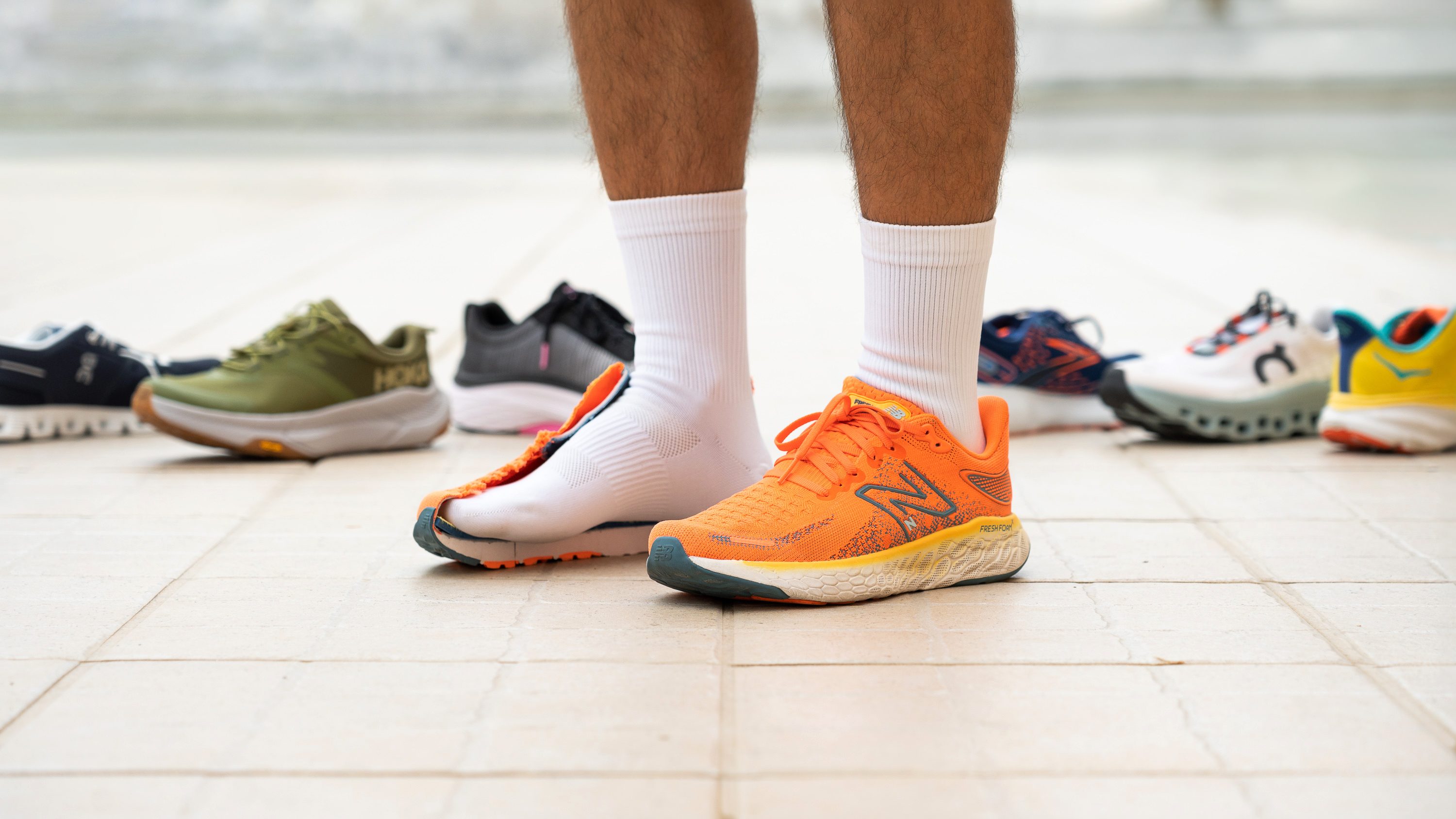
With the science and philosophy in mind, the final step is application. The market is vast, but focusing on a few standout models that exemplify the principles of comfort, support, and style can simplify your search. For the overpronator seeking robust stability, the Brooks Adrenaline GTS series is a perennial favorite, praised for its GuideRails holistic support system that focuses on keeping knees in alignment rather than just correcting the foot. If plush, cloud-like cushioning is your priority for neutral to underpronating feet, the Hoka Bondi offers one of the thickest, softest midsoles on the market without sacrificing stability. For those who prioritize a seamless blend of style and everyday function, the Allbirds Tree Runner provides exceptional breathability, a comfortable fit, and a minimalist aesthetic that works from the trail to the town. And for a walking shoe that effortlessly bridges the gap to a smarter-casual environment, the Cole Haan Zerogrand Oxford incorporates a lightweight outsole and cushioned footbed into a polished leather upper. Remember, the best shoe is the one that fits your foot perfectly. Always try shoes on in the afternoon when feet are naturally slightly swollen, wear the socks you intend to walk in, and allow for about a thumb’s width of space between your longest toe and the end of the shoe to prevent bruising on descents.
Your journey is unique, but the requirement for a reliable foundation is universal. The right walking shoe is an enabler, a quiet partner that supports your ambitions from your first step out the door to your last step back home. It’s a piece of technology designed not for the podium, but for the pavement of real life. By choosing a shoe that aligns with your biomechanics, respects the need for enduring comfort, and doesn’t ask you to compromise on how you present yourself to the world, you’re not just buying footwear. You’re investing in the quality of your daily movement and, by extension, the quality of your adventures—however you choose to define them. So step forward with intention, supported from the ground up.
