

The Ultimate Style Guide for Every Season
Fashion is not about chasing fleeting trends; it’s about cultivating a personal toolkit that adapts, empowers, and expresses you through every weather shift and calendar turn. This guide moves beyond the superficial to build a foundational, scientifically-informed wardrobe philosophy. We’ll dissect the principles of color, fabric, and silhouette through the lens of seasonality, offering you not just rules, but the reasoning behind them. Prepare to discover how the right choices can influence perception, enhance comfort, and project confidence, all while integrating timeless pieces like the versatile booties heels.
The Science of Seasonal Dressing: More Than Just Temperature
Dressing for a season is an exercise in environmental psychology and material science. It begins with understanding color temperature and light. As noted by Pantone, the global color authority, the quality of natural light changes dramatically throughout the year—harsh and bright in summer, soft and diffused in winter. This shift subconsciously affects how we perceive colors. Summer’s intense light can wash out pale, cool tones, making vibrant, saturated hues or deeper, cooler shades appear more vivid and balanced. Conversely, winter’s gray skies provide a perfect backdrop for rich, warm colors like burgundy, forest green, and mustard, which can counteract the visual gloom. This isn’t mere opinion; it’s rooted in color theory, which explains how colors interact with light and each other. Fabric technology is equally crucial. Natural fibers like linen and cotton possess high breathability and moisture-wicking properties, making them ideal for thermoregulation in heat. Wool, particularly merino, provides exceptional insulation due to the crimp in its fibers, which traps air—a principle well-documented in textile science from institutions like the Cornell University College of Human Ecology. By aligning your palette and materials with these environmental factors, you create harmony between your appearance and your surroundings, a concept often echoed by stylists on platforms like YouTube, who emphasize “dressing in context.”
Spring: Awakening and Transition
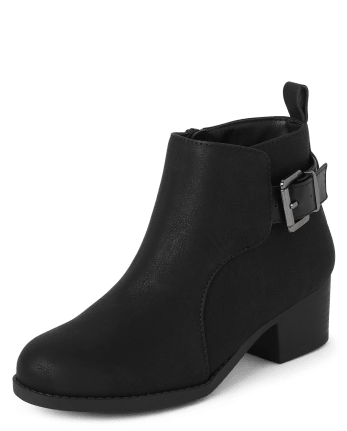
Spring dressing is the art of layered optimism. It’s a season of transition, demanding flexibility. The core principle here is layering with lightweight, adaptable pieces. A trench coat, for instance, is not just a classic; it’s a functional barrier against unpredictable showers and breezes, its design rooted in military practicality. The color story shifts from winter’s depth to fresher, lighter tones. Think of hues found in nature’s reawakening: sage green, sky blue, soft lavender, and a neutral palette of beige and stone. These colors reflect the increasing light without overwhelming it. Fabric choices become key players—lightweight wools, dense cottons, and technical blends that offer warmth without weight. This is also the perfect time to reintroduce your ankle boots, specifically booties heels with a moderate block heel. They provide elevation and structure, protecting your feet from lingering puddles while pairing effortlessly with everything from floral midi dresses to cropped trousers. As fashion historian Valerie Steele has noted in her works, transitional periods in fashion often see the rise of hybrid styles, and the spring bootie—neither a heavy winter boot nor a bare summer sandal—exemplifies this perfectly.
Summer: Breathability and Radiance
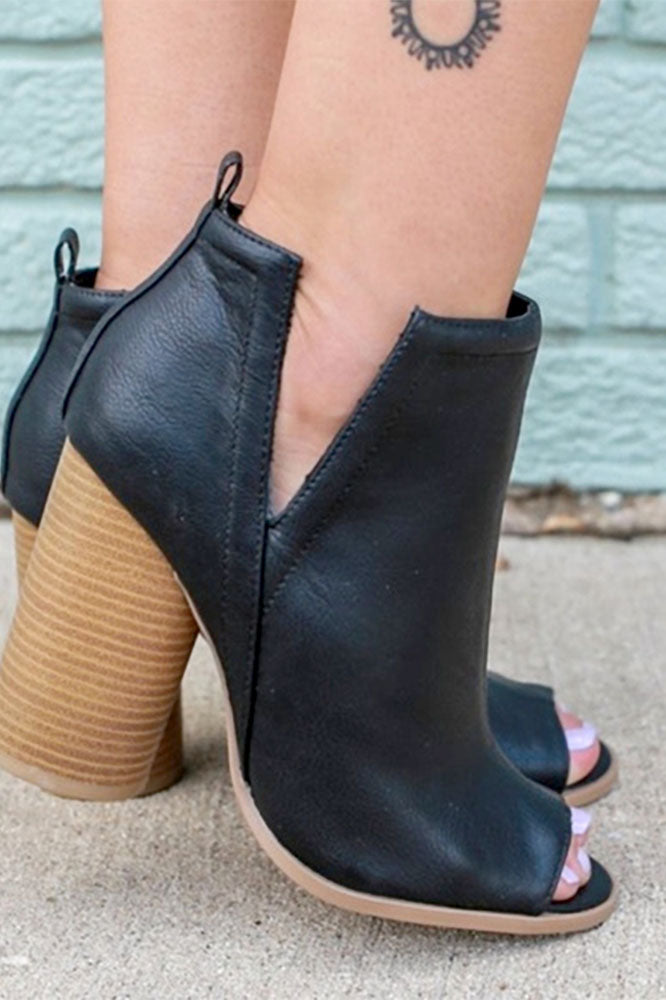
Summer style is governed by the laws of thermodynamics: managing heat, moisture, and sun exposure. The goal is maximum breathability and minimum fabric burden, while maintaining style. Linen, as championed by cultures in warm climates for millennia, is king. Its long, irregular fibers allow for exceptional air circulation. Similarly, cotton poplin and seersucker are engineered with texture or weave to increase surface area and promote cooling. Silhouettes expand—flowing maxi dresses, wide-leg pants, and loose shirts create a microclimate of moving air around the body. Color takes a bold turn. While white is scientifically excellent at reflecting sunlight, don’t shy away from brights. As the website Who What Wear often highlights, a vibrant sundress or a citrus-toned shirt can act as a mood enhancer, leveraging the psychological association of bright colors with energy and joy. Footwear must be strategic. While sandals dominate, consider open-toe booties heels or woven leather options for evening. They offer more support and structure than flimsy flip-flops, elevating a simple outfit while still allowing for ventilation. The key is choosing styles with cut-outs or made from breathable materials.
The Architectural Silhouette: Building Your Form
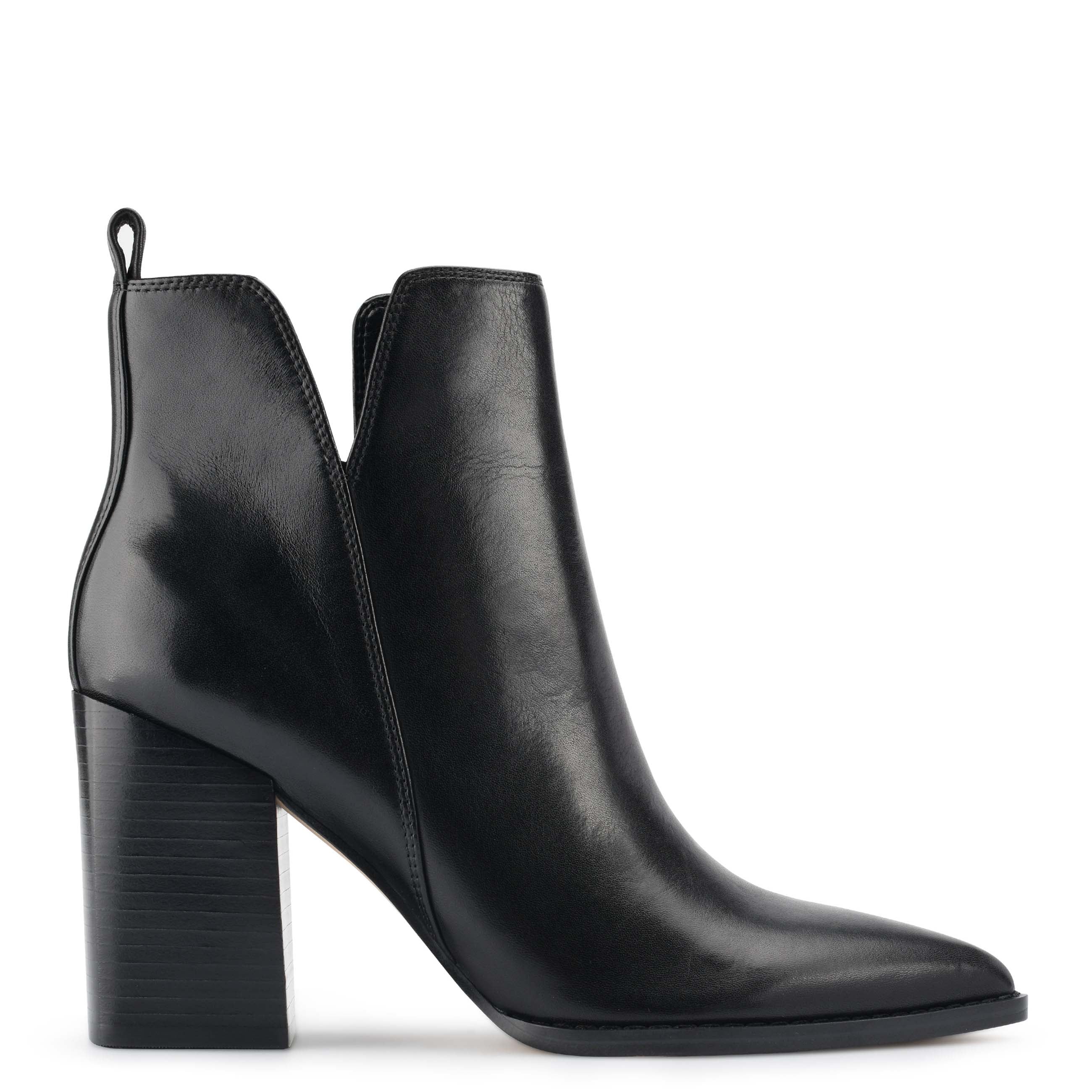
Clothing is architecture for the body. It can highlight, conceal, and redefine proportions. Understanding basic silhouette theory—the interplay of volume and line—is more powerful than blindly following “body type” rules. For instance, the concept of balance is paramount. A voluminous top often pairs best with a streamlined bottom, and vice-versa. This creates a visually pleasing, dynamic shape rather than a monolithic one. Tailoring is the cornerstone of this architecture. A well-fitted blazer, as Coco Chanel famously advocated, gives structure and authority, regardless of what it’s worn over. Similarly, the rise and cut of a pair of jeans can dramatically alter your perceived leg line. This is where foundational items earn their keep. A perfect pair of dark-wash, straight-leg jeans, a crisp white shirt with precise darts, and a midi skirt that hits at the narrowest part of your calf—these are the load-bearing walls of your wardrobe. They provide a neutral canvas upon which seasonal pieces can shine. Even a statement shoe like a pair of sleek booties heels relies on this principle; its chunky or stiletto heel changes the entire angle and line of the leg, an effect studied in both fashion design and ergonomics.
Autumn: Texture and Depth
If spring is a melody, autumn is a rich chord. This season invites depth, texture, and layered complexity. The color palette deepens into earth tones: ochre, rust, olive, and plum. These colors have a grounding effect, mirroring the changing landscape. Texture becomes the primary sensory experience. Think corduroy’s ridges, wool’s nubby feel, suede’s nap, and leather’s smooth grain. Combining multiple textures—a cable-knit sweater over a silk slip dress, or a suede skirt with a crisp cotton blouse—adds immense visual interest and tactile appeal. It’s a technique often showcased in high-fashion editorials, where contrast is key. Outerwear transitions to a starring role. The leather jacket, the wool blazer, the tailored coat—these are investment pieces that define your autumn look. Footwear solidifies its importance. This is the prime season for the classic booties heels. They offer closed-toe warmth, ankle support, and an undeniable edge. A heeled bootie in black leather can transition a daytime jeans-and-sweater combo to an evening-ready outfit instantly. The weight and substance of autumn clothing demand a shoe with equal presence, making the bootie not just an accessory, but a foundational element.
Winter: Insulation and Elegance
Winter style is a masterclass in defying the elements with elegance. The challenge is achieving warmth without bulk, a problem solved by understanding layering principles from outdoor apparel. The base layer manages moisture (merino wool or technical synthetics), the mid-layer provides insulation (a fine-gauge knit or fleece), and the outer layer defends against wind and precipitation (a wool coat or technical parka). This systematic approach is far more effective and sleek than piling on bulky sweaters. Color in winter can be a powerful tool against the monotony of gray skies. While noir is eternally chic, embracing jewel tones—emerald, sapphire, amethyst—can be incredibly uplifting. As the iconic film “The Devil Wears Prada” ironically demonstrated through Miranda Priestly’s monologue on cerulean, even what we perceive as personal choice is often trickled down from high-fashion color directives that respond to the cultural mood. Footwear must be pragmatic yet polished. Insulated booties heels with a non-slip tread are a winter lifesaver, offering height and style while maintaining practicality. For deeper snow, a sleek knee-high boot takes over. The key is to ensure your footwear is treated for water resistance and has adequate insulation, proving that utility and style are not mutually exclusive.
The Psychology of the Heel: Empowerment and Posture
Why do heels, particularly styles like booties heels, hold such enduring power? The answer lies at the intersection of biomechanics and social psychology. Physically, a heel alters posture: it shifts the body’s weight forward, necessitating a straightening of the back and a subtle engagement of core muscles. This creates the classic “heel posture”—chest lifted, shoulders back, spine aligned. This isn’t just an aesthetic change; it can promote a temporary improvement in carriage, though prolonged wear has documented downsides. Psychologically, the impact is profound. Studies in embodied cognition, referenced by sources like the American Psychological Association, suggest that our physical posture can influence our mental state. The act of standing taller can boost feelings of confidence and authority. In her book “The Psychology of Fashion,” Professor Carolyn Mair discusses how clothing acts as “enclothed cognition,” where the symbolic meaning of a garment affects the wearer’s psychological processes. A heel, often culturally coded with professionalism, formality, and power (despite its complex history), can thus prime the wearer to feel more assertive. As influencer and businesswoman Sophia Amoruso once tweeted, “There’s something about putting on a pair of heels that makes you ready to tackle the world.” It’s a tool for self-presentation, a non-verbal cue that commands space and attention.

Curating Your Toolkit: Investment vs. Trend
The final, most crucial step is curation. A sustainable, season-spanning wardrobe is built on a bedrock of investment pieces, accented by seasonal trends. Investment pieces are defined by timeless design, superior construction, and versatile materials. They are your uniform’s foundation: the perfect blazer, the quality handbag, the leather boots, the simple diamond studs (or their high-quality cubic zirconia equivalents). These items have a cost-per-wear that diminishes to almost zero. Trends, on the other hand, are the seasoning. They are the seasonal color, the “it” bag of the year, the novel sleeve shape. Allocate a smaller portion of your budget here, and seek them out at more accessible price points. This is where bringing professional knowledge on discounted prices to users becomes vital. Knowing when department stores have seasonal sales, which retailers offer quality dupes, or subscribing to newsletters from your favorite brands for early access to promotions are modern shopping skills. For instance, a trending animal-print midi skirt can be found at a discount retailer and paired with your investment-quality black turtleneck and those reliable heeled booties. This strategy ensures your style remains current without compromising financial sense or contributing to fast-fashion waste. Your wardrobe becomes a dynamic, evolving collection that truly serves you, in every season.
Style, in its most elevated form, is a continuous dialogue between the individual and the environment. It is informed by the science of materials, the psychology of color and form, and the practicalities of climate. By embracing these principles—from the strategic layering of autumn to the breathable fabrics of summer, all anchored by versatile heroes like the booties heels—you move beyond getting dressed to crafting a personal aesthetic that is adaptable, intelligent, and authentically yours. This is the ultimate goal: not to be a slave to fashion, but to become its master, equipped for every turn of the season and chapter of life.
