

The Ultimate Guide to Walking in Tennis Shoes
Let’s address a common question head-on: Can you, and should you, use tennis shoes for walking? The answer is not a simple yes or no, but a nuanced exploration of biomechanics, material science, and personal physiology. While the iconic design of a tennis shoe is engineered for lateral cuts, quick stops, and court traction, its fundamental construction shares surprising common ground with the needs of a dedicated walker. This guide will dissect the anatomy of the tennis shoe, compare its function to the dedicated walking shoe, and provide you with the objective knowledge to decide if your favorite pair of court sneakers can become your trusted companion on the pavement or trail. We’ll move beyond marketing and delve into the science of movement, arming you with professional insights that could save your joints and your wallet.
The Biomechanical Divide: Court vs. Path
To understand the suitability of tennis shoes for walking, we must first appreciate the starkly different physical demands of each activity. Tennis is a game of explosive, multi-directional movement. A player performs rapid lateral shuffles, sudden forward lunges, and aggressive backward pedaling, all while generating significant force through the balls of the feet. Consequently, tennis shoes are built with a focus on lateral stability. This is often achieved through reinforced outsoles that wrap up the sides of the midfoot (a “herringbone” or modified pattern for clay or hard courts), a sturdy heel counter to lock the foot in place during side-to-side motion, and a robust upper material to withstand the abrasive “shoe drag” of a court slide. The cushioning, while present, is often firmer and more responsive to facilitate quick push-offs rather than plush, all-day comfort.
Walking, in contrast, is a linear, heel-to-toe gait cycle. The primary motions are sagittal plane movements—flexion and extension. The heel strikes the ground first, the foot then rolls inward slightly (a controlled amount of pronation) to absorb shock, and finally propels off from the forefoot. The key requirements here are heel cushioning to absorb the initial impact, arch support to guide the foot through its roll, and flexibility at the forefoot to allow for a smooth toe-off. A study from the University of Virginia’s Motion Analysis and Motor Performance Laboratory emphasizes that improper footwear for walking can alter gait kinetics, potentially leading to chain-reaction stresses on the knees, hips, and lower back. Therefore, the question becomes: can a shoe designed for violent lateral stops adequately support the gentle, repetitive roll of a walking stride?
:max_bytes(150000):strip_icc()/Web_1500-vwt-primary-best-overall-shoe-tstaples-118-671f4e0048e64d14a1c42e4f8d9e6658.jpg)
Deconstructing the Tennis Shoe: A Walker’s Inspection
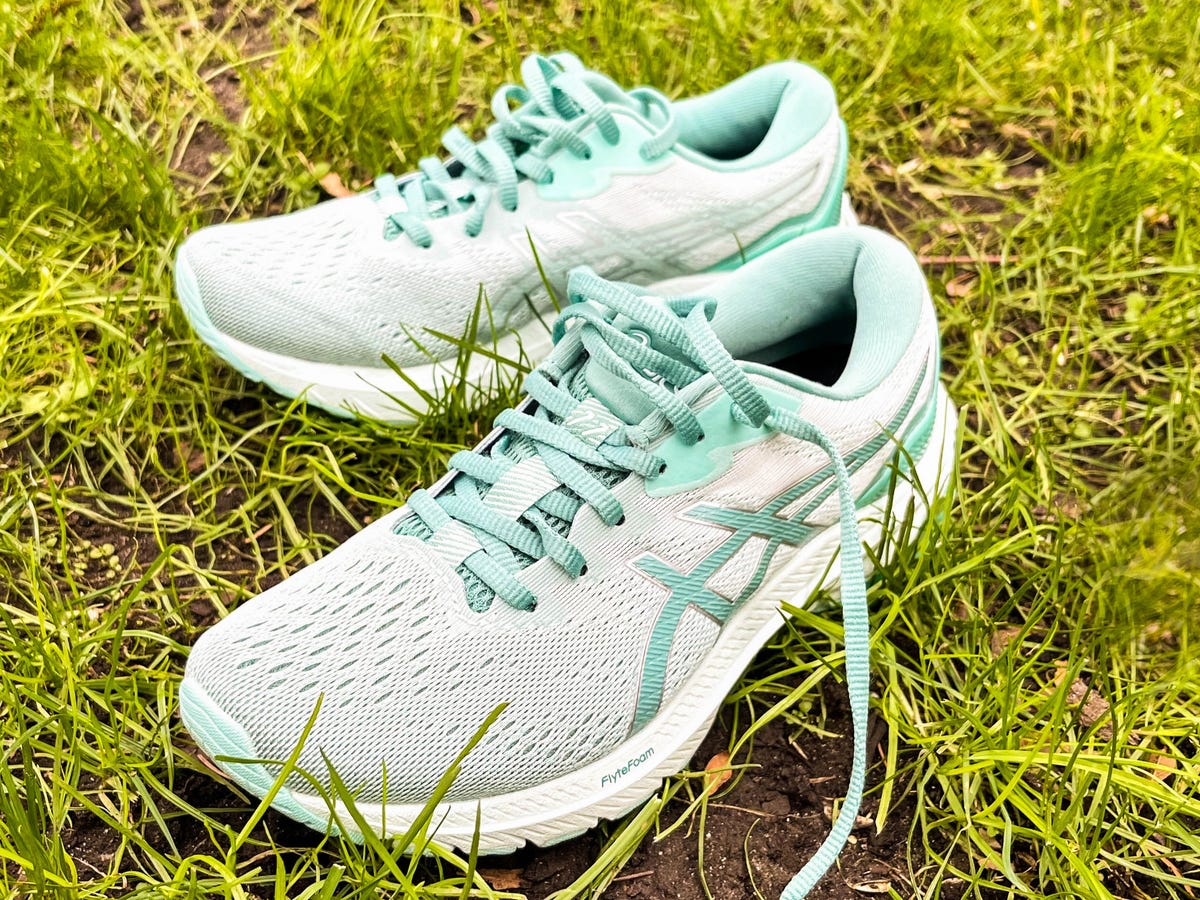
Let’s put a typical tennis shoe under the microscope from a walker’s perspective. Start with the outsole. The dense, non-marking rubber is incredibly durable, a definite plus for pavement pounding. However, the aggressive tread pattern designed for court grip may feel overly rigid and may not facilitate the smooth heel-to-toe roll you need. The midsole is the heart of cushioning. While brands like ASICS (originally founded as “Onitsuka Tiger” and deeply rooted in biomechanics) and Nike incorporate advanced foams like Gel or Zoom Air, these are often tuned for court feel—firmer and lower to the ground. For a long walk, you might crave the deeper, more compliant cushioning found in shoes specifically labeled as “neutral” or “stability” walkers. The upper of a tennis shoe is typically less breathable than a mesh walking shoe, as it prioritizes durability over ventilation. As noted by podiatrist Dr. Emily Splichal in a lecture featured on YouTube, “Foot health during sustained activity is highly dependent on temperature and moisture management.” A hot, sweaty foot is a prone foot.
The most critical component for a walker is often the heel and arch area. The sturdy heel counter in a tennis shoe is excellent for preventing your foot from sliding sideways, but it must also be padded sufficiently to prevent Achilles tendon irritation during repetitive heel strikes. The arch support in a tennis shoe is built to stabilize during lateral cuts, which can be beneficial for overpronators on a walk. However, it may be too aggressive or incorrectly placed for someone with a neutral or high-arched walking gait. The renowned running and walking website “Verywell Fit” categorically states that while cross-trainers can sometimes double for walking, shoes with excessive lateral support features can “inhibit the natural gait cycle” if used exclusively for forward motion. Therefore, evaluating a pair of tennis shoes for walking requires a careful assessment of these specific features against your individual stride.
When the Tennis Shoe Becomes a Viable Walking Companion
There are specific scenarios where reaching for a tennis shoe over a dedicated walking model is not just acceptable, but potentially wise. The first is for the individual who engages in hybrid activity. If your daily routine involves a 20-minute walk to the park, followed by a casual game of doubles, and then a walk back home, a tennis shoe is the logical, single-pair solution. It provides adequate protection and support for both activities without excelling supremely at either—a classic compromise. Secondly, for walkers with specific biomechanical needs, the pronounced stability features of a tennis shoe can be a boon. If you are a severe overpronator—your foot rolls inward excessively—the reinforced medial (inner) side of some tennis shoes can offer more control than a standard walking shoe.
Furthermore, the build quality of performance tennis shoes is generally high. They are constructed to withstand the punishing forces of sport, which often translates to exceptional longevity in a walking context. From an economic standpoint, this durability is a form of discount. Instead of buying a dedicated walking shoe that might wear out in 500 miles and a separate court shoe, one pair of well-chosen tennis shoes for walking and light court play could last through both duties, effectively offering a discounted price per mile of use. Consider the words of legendary shoe designer Tinker Hatfield, who, while discussing the Air Max, highlighted that “design for performance often yields unexpected benefits in other domains.” The robust construction of his athletic designs often found favor with people seeking all-day, durable footwear beyond the court.
“The best shoe is the one that fits your foot and your function. Categorization is for retailers, not for feet. If a shoe designed for lateral movement feels right and causes no pain during your linear walk, then its label is irrelevant.” – Paraphrased from common wisdom shared by sports medicine practitioners on platforms like Quora and professional forums.

The Non-Negotiables: When to Avoid Tennis Shoes for Walking
Despite the potential overlaps, there are clear red flags. If you are logging serious mileage for fitness, training for a walking marathon, or managing a chronic condition like plantar fasciitis, the specialized engineering of a walking or running shoe is non-negotiable. The repetitive stress of long-distance walking amplifies any minor incompatibility. A tennis shoe’s typically flatter profile and lower heel drop may strain your calf muscles and Achilles tendon if you’re accustomed to the more rockered sole of a modern walking shoe. Additionally, the weight factor is crucial. Tennis shoes are often heavier due to their durable materials and added support structures. As noted in literature from the Biomechanics Research Laboratory at Stanford, “Every extra 100 grams on the foot can increase metabolic cost during endurance walking by approximately 1%.” Over miles, that adds up to significant fatigue.
You must also listen to your body’s feedback. Persistent hotspots, shin splints after switching to tennis shoes, or a feeling of “fighting” the shoe to complete your stride are clear indicators of a mismatch. The authoritative resource “Baidu Baike” on footwear science states that the primary cause of walking-related foot pain is often “the conflict between shoe function and gait pattern.” If your chosen tennis shoes for walking create such a conflict, the professional knowledge dictates they should be relegated back to court-only duty. Your walking routine is a health investment; the footwear is your most critical piece of equipment. Compromising on specificity for the sake of convenience can lead to costs far exceeding the price of a proper pair of shoes, nullifying any perceived upfront discounted price benefit.
Making an Informed Choice: Your Personal Fit Test
So, how do you decide? Start by analyzing your walking. Are you a casual stroller or a power walker? Do you have flat feet or high arches? Next, examine your prospective tennis shoes. Perform a simple flex test: hold the heel and bend the toe upward. The bend should occur naturally at the ball of the foot, not in the middle of the arch. Check the heel: is it cushioned and snug without bite? Feel the arch: does it contact your foot’s arch in a supportive, not intrusive, way? Finally, take them for a short, focused trial walk on a hard surface. Pay attention to the heel strike and toe-off. Do you feel secure? Is the cushioning adequate? The goal is to find a pair of tennis shoes for walking that disappears on your foot, allowing your natural gait to proceed unhindered.
Remember, the market is vast. Some modern “court-inspired” lifestyle models or “all-court” tennis shoes have moved towards more versatile, comfortable designs that borrow technology from running shoes. These can be a fantastic middle ground. Brands are increasingly blurring the lines, creating hybrid models. The key is to be an informed consumer. Use the professional knowledge of biomechanics—understanding pronation, cushioning, and gait cycle—as your filter. Don’t be swayed solely by style or a tempting discounted price. Your feet, knees, and back will thank you for the diligence. In the end, the ultimate guide is written by your own body. It will tell you, step by step, whether the path you’re on is best traveled in the specialized armor of a walking shoe or the adaptable, robust frame of a tennis sneaker.

The journey of ten thousand steps begins with a single, well-supported stride. Whether that stride is taken in a shoe labeled for tennis, walking, or something in between, is a decision that hinges on a fusion of objective science and subjective feel. By deconstructing the design intent of the tennis shoe and holding it against the physiological demands of walking, you empower yourself to make a choice that supports your health and your habits. Forget rigid categories; focus on function, fit, and feedback. Your perfect walking partner, be it a dedicated walker or a repurposed court shoe, is the one that makes every mile feel effortless and every return home free from ache.
